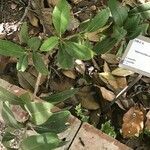
Chrysophyllum oliviforme
Damson-plum · Satinleaf · Wild star-apple · Saffron-tree · Tuko
Description
Source: leafsnapChrysophyllum oliviforme, commonly known as satin leaf or damson plum, is a tropical evergreen tree belonging to the Sapotaceae family. Native to the Caribbean, Central and South America, it has also been introduced to other regions around the world. The tree can grow up to 30 meters tall, featuring a dense crown of glossy leaves that are dark green on the top and golden-brown underneath. The fruit of Chrysophyllum oliviforme is edible, boasting a sweet pulp that tastes like caramel or honey. The fruit is oval-shaped and can reach up to 5 centimeters in diameter, typically turning yellow-orange when ripe. The wood of Chrysophyllum oliviforme is hard, durable, and resistant to decay, making it valuable for crafting furniture, tool handles, and musical instruments such as drums and guitars. In traditional medicine practices in regions like Jamaica, where the tree naturally grows, it is used to treat various ailments, including diarrhea, fever, and coughs. Chrysophyllum oliviforme also plays an important ecological role by providing habitat for a variety of animals. Birds, for instance, feed on its fruits, while insects like butterflies find shelter in its leaves. Overall, the Chrysophyllum oliviforme serves both economic and ecological purposes. Economically, it is valued for its durable wood and edible fruits. Ecologically, it supports wildlife biodiversity in the ecosystems where it naturally occurs.
Care Guide
💧 Water Every 7 days
☀️ Light Full sun
Satinleaf is native to open habitats, like sunlit meadows and forest edges, that offer abundant light. It grows best in Full Sun but can also tolerate Partial Sun, adapting well to a range of light conditions.
🌡️ Temperature 20–37.8°C
Satinleaf comes from tropical areas, where the weather is usually warm and humid. As a result, it is well suited to high heat and humidity. It does not tolerate sudden temperature changes and prefers a consistent temperature, so it is important to prevent indoor temperature fluctuations. It generally cannot stand cold and needs higher temperatures to grow. If the surrounding temperature falls too low, the plant may stop growing or even die.
💨 Humidity
🪴 Soil 6-7
🌱 Fertilizer
The ideal time to fertilize a Satinleaf is in early spring, as it comes out of dormancy. This encourages overall growth and flower development. Fertilization improves the foliage, stems, and branches, while supporting large, vibrant, long-lasting flowers. It helps move nutrients from the roots to the flowers and boosts the plant's health and resistance to disease.
🪴 Pot & Repot
✂️ Pruning
🌿 Propagating
🐛 Diseases & pets
☠️ Toxicity
Characteristics
- Plant Type
- Tree
- Life Cycle
- Perennial
- Genus
- Chrysophyllum
- Family
- Sapotaceae
- Hardiness Zone
- 10-12
- Mature Height
- 10.67 m to 13.72 m
- Mature Spread
- 5.49 m to 7.62 m
- Leaf Color
- Dark Green, Olive
- Leaf Type
- Evergreen
- Flower Color
- White
- Flower Size
- 0.25 cm to 0.51 cm
- Bloom Time
- Summer
- Planting Time
- Spring, Summer, Autumn
- Harvest Time
- Late summer, Fall