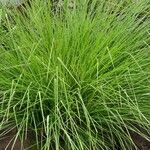
Chrysopogon zizanioides
وتیور، علف خس خس · Cuscus grass · Vetiver · Vetiver grass · Khus-khus
Description
Source: leafsnapChrysopogon zizanioides, commonly known as vetiver and khus, is a perennial bunchgrass of the family Poaceae. Vetiver is most closely related to Sorghum but shares many morphological characteristics with other fragrant grasses, such as lemongrass (Cymbopogon citratus), citronella (Cymbopogon nardus, C. winterianus), and palmarosa (Cymbopogon martinii).
Care Guide
💧 Water
Vetiver grass thrives in tropical environments. It requires consistent moisture but also demonstrates moderate drought tolerance. To keep it healthy, weekly watering is recommended. Although it is typically grown outdoors, vetiver grass provides excellent erosion control, helps stabilize soil, and influences the microclimate by regulating soil temperature and moisture.
☀️ Light Full sun
Vetivergrass thrives best when it is fully exposed to sunlight for optimal development. Inside its native habitat, it's used to a significant level of brightness. It can manage locations with less sunlight, but its growth might be inhibited. Excessively shaded or highly intense light conditions could potentially damage the plant.
What are the sunlight requirements for Vetivergrass?
Vetivergrass, also known as Chrysopogon zizanioides, flourishes best in full sunlight, requiring more than 6 hours of direct sunlight daily for optimal growth. It can also manage in partial sun, with about 3-6 hours of sunlight. However, it's crucial to observe the movement of sunlight through your garden to find locations that offer a balance of light and shade, ensuring the plants remain happy and healthy. While Vetivergrass can survive in less sunny conditions, its growth may be stunted. Extreme light conditions, either too shaded or too intense, may adversely affect the plant.
How can artificial lighting support indoor Vetivergrass plants?
For indoor Vetivergrass plants or in scenarios where natural sunlight is limited, especially during winter or in less sunny spaces, artificial lighting can be a beneficial alternative. It's essential to select the proper type of light, such as LED lights, which can be customized to provide the specific wavelengths needed by the plant. Full sun plants require 30-50W/sq ft, partial sun plants need 20-30W/sq ft, and full shade plants need 10-20W/sq ft of artificial light. The light source should be placed 12-36 inches above the plant to emulate natural sunlight, and the plants typically need 8-12 hours of light per day to mimic natural sunlight duration.
What symptoms indicate Vetivergrass is getting insufficient light?
When Vetivergrass receives insufficient light, it may display several symptoms that indicate a need for more sunlight. These include smaller new leaves, leggy or sparse growth, faster leaf drop, slower or no new growth, lighter-colored new leaves, chlorosis (leaves turning yellow), sunscald, leaf curling or twisting, wilting, and leaf scorching. These symptoms either result from too little light, affecting the plant's photosynthesis and general health, or from excessive sunlight causing damage. It's crucial to monitor these symptoms to adjust the plant's exposure to sunlight appropriately.
How should Vetivergrass be cared for to optimize its exposure to sunlight?
To optimize Vetivergrass's exposure to sunlight, it's recommended to gradually move the plants to sunnier locations, ensuring they receive at least 6 hours of direct sunlight daily. For indoor plants, utilize a south-facing window or artificial lighting, such as desk lamps or grow lights, for at least 8 hours daily. For outdoor plants, it's vital to transition them gradually to avoid shock and possible sunburn. Additionally, reducing obstructions like pruning trees can help increase sun exposure. In the case of smaller plants, consider transplanting them during their dormant period to a more suitable location. Note that parts of the plant affected by low light may not recover, but new growth will be healthy with improved light conditions.
🌡️ Temperature 15–37.8°C
Vetivergrass is a species that flourishes in temperatures between 59 to 100 °F (15 to 38 ℃). Its original habitat is suited to these temperature levels and it may face difficulties in intensely cold or hot conditions. Your local weather conditions may require modifications in the care provided to this plant.
What is the ideal temperature range for Vetivergrass?
Vetivergrass, also known by its botanical name Chrysopogon zizanioides, thrives in a temperature range between 59 to 100 °F (15 to 38 °C). This plant is best suited to climates falling within this range, as its growth might be hindered by temperatures that are either significantly lower or higher. To ensure optimal growth, especially during winter, it's recommended to maintain the environment above 15°C and protect the plant from freezing temperatures by keeping it indoors or using protective measures when temperatures approach -5°C (25°F).
How does vetivergrass react to low temperatures?
Vetivergrass displays a moderate tolerance to low temperatures, performing optimally between 15°C and 38°C. In winter, it's crucial to keep the plant at temperatures above -10°C. Exposure to temperatures below -15°C can result in the darkening of the leaves. In extreme cases, symptoms such as water-soaked necrosis, wilting, drooping, and a gradual transition of leaf color to brown may be observed. If frost damage occurs, the recommended solution is to trim the affected parts and move the plant to a warmer indoors setting or a makeshift greenhouse. Positioning the plant near a south-facing window can help ensure it receives sufficient sunlight, with supplemental lighting used if necessary.
How does vetivergrass react to high temperatures?
During the hotter months, it is important to ensure that the temperature around vetivergrass does not exceed 38°C. Exposure to temperatures above 43°C can inhibit the plant's growth, cause its leaves to lighten in color, and increase its vulnerability to sunburn. To mitigate these effects, affected parts of the plant should be trimmed away, and the plant should be moved to a shaded area, particularly to avoid the afternoon sun. Additionally, the soil should be kept moist by watering the plant in the morning and evening.
💨 Humidity
🪴 Soil 5-6
🌱 Fertilizer
Species of Vetivergrass can thrive well with one or two doses of organic natural fertilizers containing potassium and phosphorus. Fertilizer should be applied prior to planting, with a focus on integration and comprehensive watering. Generally, a single application suffices, but another application can be carried out after the seedlings have taken root. Overuse of fertilizers should be avoided to evade harm to the plant.
🪴 Pot & Repot 2-3 years
When transplanting Vetivergrass, opt for a pot that's 1-2 inches (2.5-5 cm) larger and has sufficient drainage. Utilize a potting mix that drains well. The ideal times to repot are in the spring or autumn, with the root ball positioned somewhat below the edge of the flowerpot. After the repotting process, water the plant thoroughly and situate it in a warm location where it will receive indirect sunlight.
✂️ Pruning
Vetivergrass is a perennial grass known for its long leaves and deep root system. To encourage new growth and maintain its shape, it should be pruned in early spring. Cut the leaves down to 20 cm (8 inches) above the ground. Regular pruning helps control the plant's size, prevents disease, and enhances air circulation, all of which contribute to healthier growth.
🌿 Propagating
🐛 Diseases & pets
☠️ Toxicity
Characteristics
- Plant Type
- Grass
- Life Cycle
- Perennial
- Genus
- Chrysopogon
- Family
- Poaceae
- Hardiness Zone
- 7-11
- Mature Height
- 1.22 m to 2.44 m
- Mature Spread
- 0.91 m to 1.22 m
- Leaf Color
- Green
- Leaf Type
- Evergreen, Deciduous
- Flower Color
- Tan
- Flower Size
- 20.32 cm to 30.48 cm
- Bloom Time
- Summer
- Planting Time
- Spring, Autumn
- Harvest Time
- Mid summer, Late summer, Early fall
- Native Area
- Nepal, Sri Lanka, India, Malaysia, Indonesia, Cambodia, Vietnam, Myanmar, Bangladesh, Pakistan, Laos, Thailand