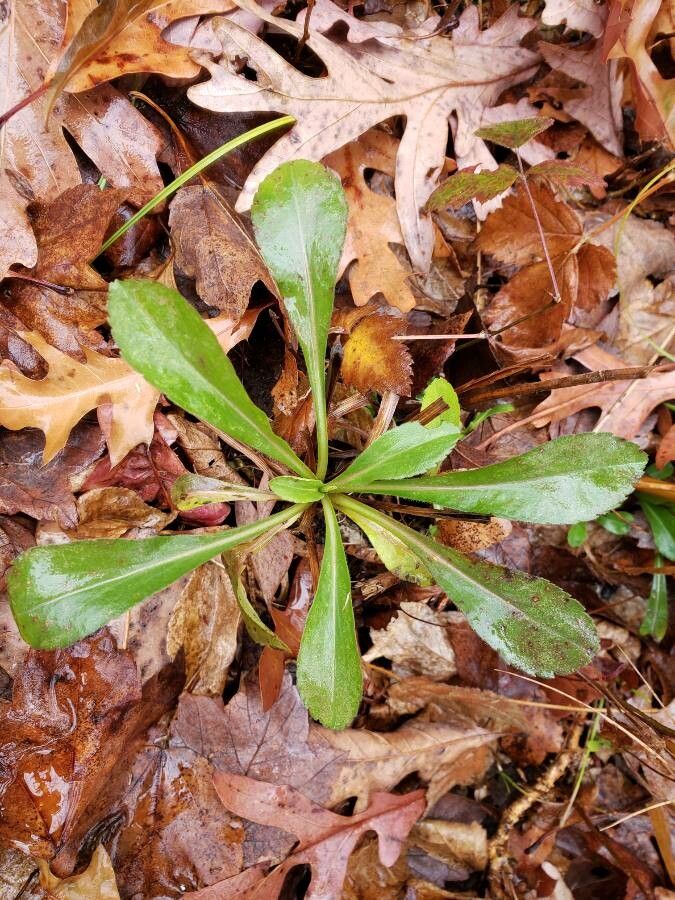
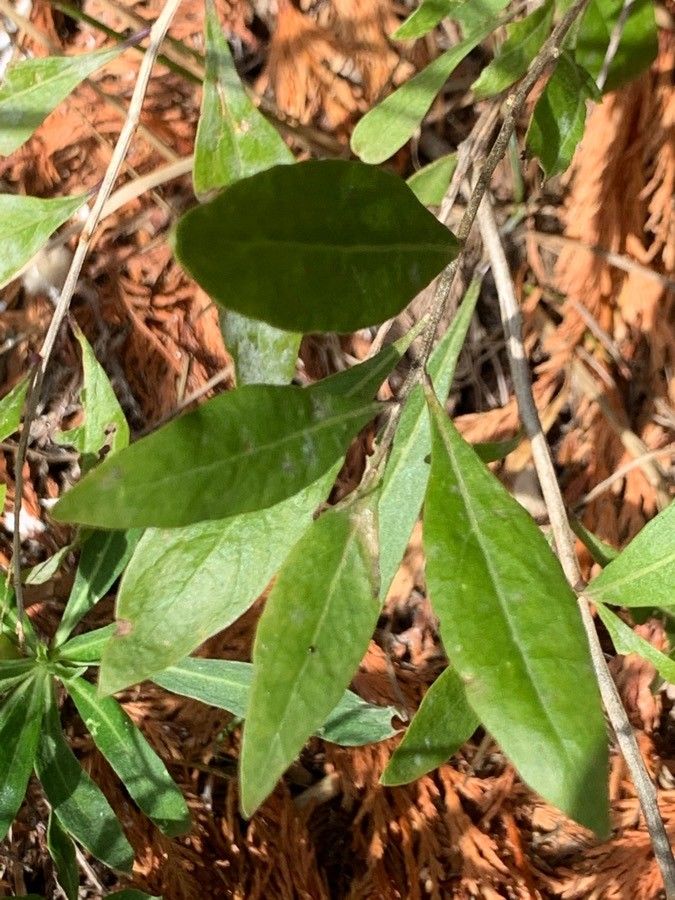
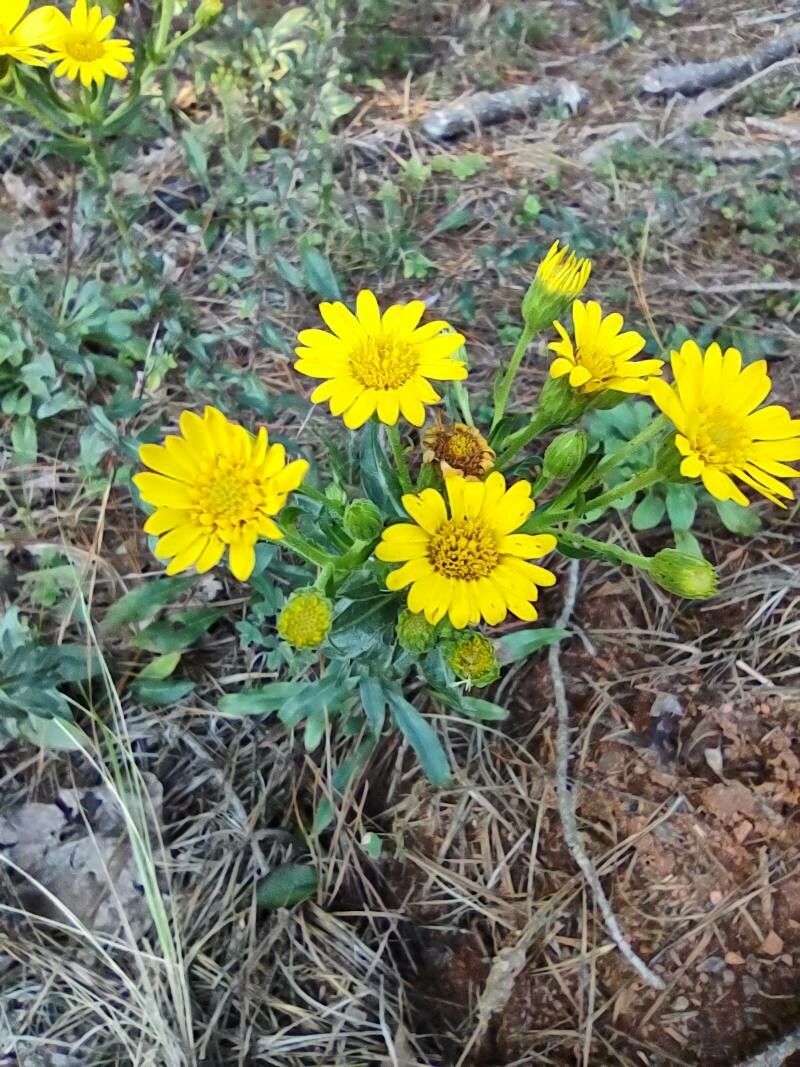
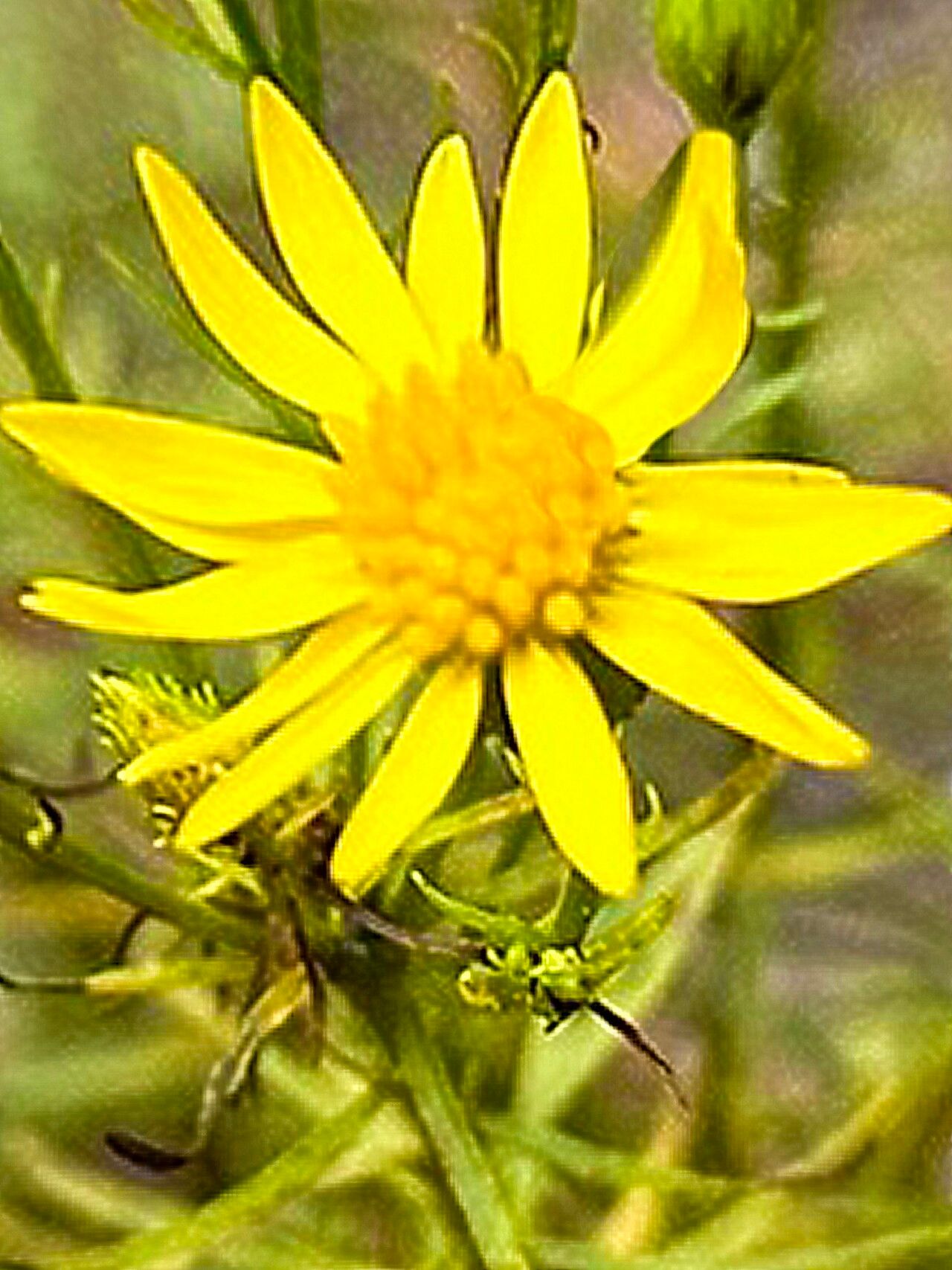
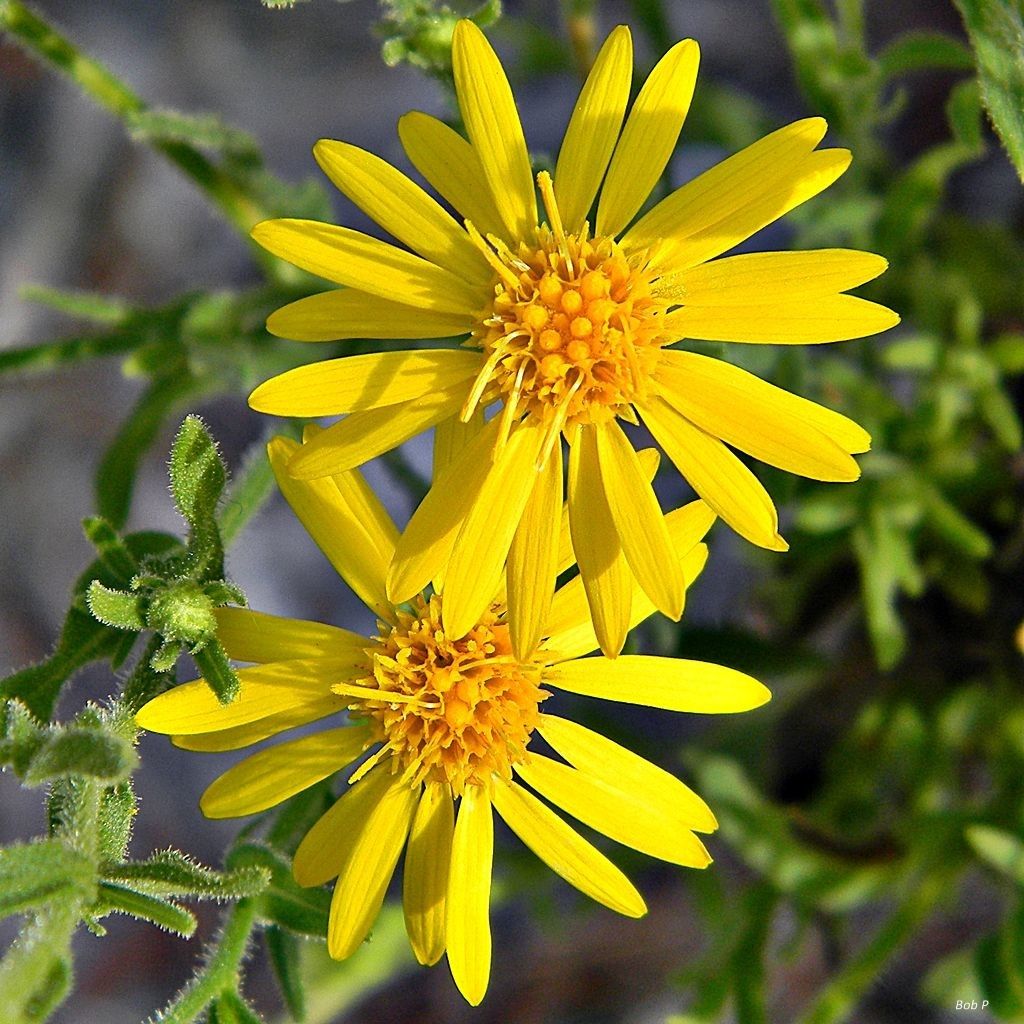
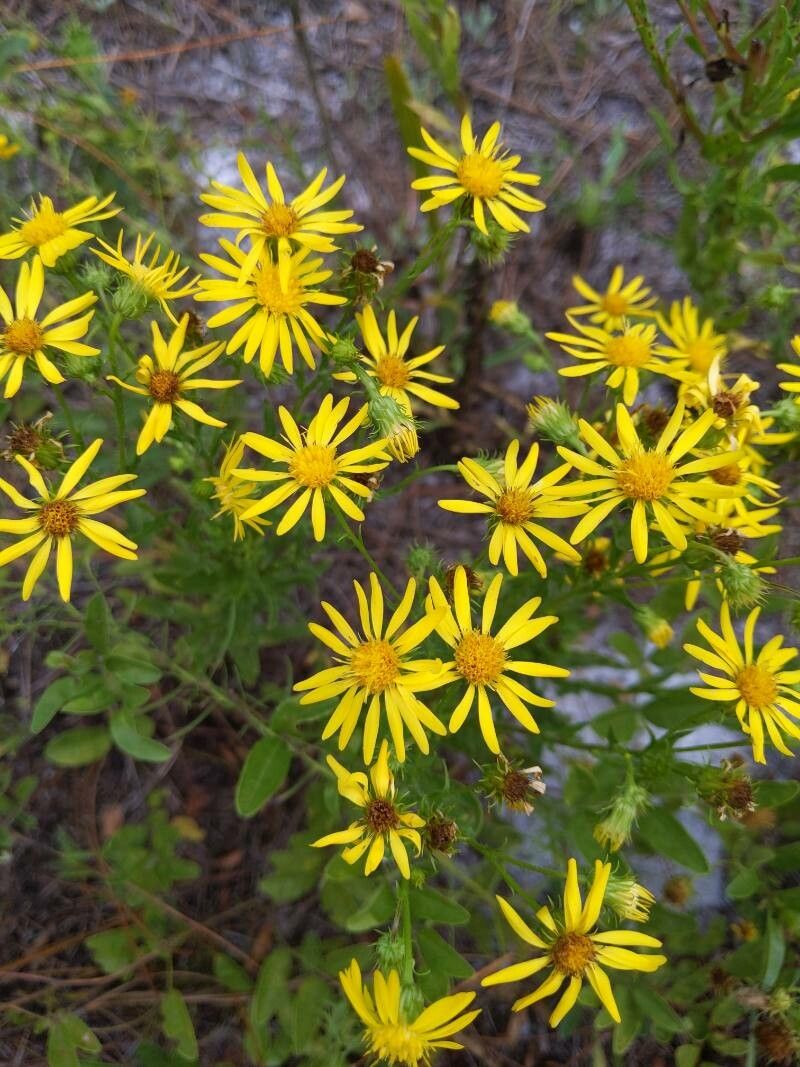
Chrysopsis mariana, commonly known as Maryland golden aster, is a perennial herbaceous plant that belongs to the Asteraceae family. Native to the eastern United States, it is typically found in open fields, meadows, and along roadsides.
The plant grows to a height of 2 to 3 feet and features narrow leaves measuring about 2 to 4 inches long. Its bright yellow flowers, approximately 1 inch in diameter, bloom from late summer through fall.
Chrysopsis mariana serves as a crucial source of nectar for bees, butterflies, and other pollinators. Moreover, it possesses medicinal properties, with compounds that have been traditionally used to treat various ailments, including fever.
The plant thrives in well-drained soils with full sun exposure but can tolerate some shade. It requires moderate watering during its growing season but is drought-resistant once established.
Overall, Chrysopsis mariana is a stunning addition to any garden or natural landscape, thanks to its vibrant yellow flowers and its ecological role as a pollinator attractor.
The Maryland Golden Aster is fairly disease-resistant and generally not prone to illness. However, it can be affected by pests and diseases present in its surroundings. These problems are typically mild. For care, this plant requires moderate maintenance. It should be pruned regularly to keep a neat appearance and support healthy growth. Fertilizing can also help encourage flowering. The Maryland Golden Aster is suitable for anyone with outdoor space, such as a garden or patio, and does not demand extensive gardening experience. It may need more attention when grown indoors.
How to keep Chrysopsis Mariana.
Light
Maryland Golden Aster prefers a position with plenty of sunlight to do best. It tolerates moderate sun and comes from areas where sunlight is abundant. Excessive light can cause wilting, while too little light can limit its growth and vigor.
Water
The Maryland Golden Aster thrives best in well-drained soil with moderate moisture levels, avoiding both persistent wetness and extended dryness. For optimal health, water it weekly, paying special attention during the blooming period to encourage vibrant flowers. This plant is typically grown outdoors and does well in conditions that resemble its natural habitat.
Temperature
Maryland Golden Aster is native to temperate regions and does best in temperatures of 68 to 95 °F (20 to 35 ℃). It favors warm climates and may require temperature adjustments during cooler seasons to maintain its growth.
Fertilizer
The best time to fertilize a Maryland Golden Aster is in early spring, as it comes out of dormancy and begins active growth. Fertilization supplies essential nutrients for healthy growth. Although Maryland Golden Aster has relatively low fertilizer requirements, applying fertilizer annually can improve its survival and promote better, longer-lasting flowers.
Pruning
The Maryland Golden Aster displays vibrant yellow flowers from late summer to fall. To promote fuller blooms and improve air circulation—which helps reduce pests and diseases—prune the plant in early to late spring. Remove any dead stems and leggy growth. Make sure your cuts are clean and angled to prevent moisture problems.
Botanical profile.
- Plant Type
- Herb
- Life Cycle
- Perennial, Biennial
- Genus
- Chrysopsis
- Family
- Asteraceae
- Hardiness Zone
- 4-8
- Mature Height
- 20 cm to 91 cm
- Mature Spread
- 30 cm to 61 cm
- Leaf Color
- Green
- Leaf Type
- Semi-evergreen
- Flower Color
- Yellow, Gold
- Flower Size
- 2.54 cm
- Bloom Time
- Late summer, Early fall, Mid fall
- Planting Time
- Spring, Summer
- Harvest Time
- Fall
Other names.
Reader questions.
How should I water my Maryland Golden Aster plant so it stays healthy?
To care for the Maryland Golden Aster, use filtered room temperature water rather than tap water. Tap water may contain harmful particles. Since this plant comes from a warm environment, avoid using cold water as it can be a shock. Instead of overhead watering, apply the filtered room temperature water directly to the soil until it is fully soaked. This helps to moisten the roots and facilitate nutrient absorption.
Why do I have to put fertilizer on my Maryland Golden Aster?
Fertilization is important for the Maryland Golden Aster and other plants because it provides essential nutrients for their growth above and below ground. However, the Maryland Golden Aster has relatively low fertilization needs and can sometimes survive without it. Nonetheless, annual fertilization can greatly benefit the plant, keeping it alive and promoting the production of longer-lasting flowers. So, those wanting their Maryland Golden Aster to thrive should consider regular fertilization.
What are the sunlight requirements for Maryland Golden Aster?
Maryland Golden Aster needs a location with abundant solar exposure to thrive, favoring full sun conditions of above 6 hours of sunlight a day but can tolerate partial sun, meaning about 3-6 hours of sunlight. It's essential to observe your garden's sunlight pattern to choose spots that offer the ideal balance of light and shade, ensuring the plant's health and happiness.
What is the native climate of the Maryland Golden Aster?
The Maryland Golden Aster, or Chrysopsis mariana, is native to temperate regions and thrives in temperatures ranging from 68 to 95 °F (20 to 35 °C). It is well-suited to warm climates and may require temperature adjustments in cooler seasons to sustain its growth. Despite its strong cold resistance, special frost protection measures are not typically necessary. However, if winter temperatures are expected to drop below -30°C, it is important to protect the plant, possibly by covering it with soil or straw. Additionally, watering the plant abundantly before the first freeze in autumn to keep the soil moist can help prevent drought and water scarcity during winter and early spring.
What should I do if I give my Maryland Golden Aster too much water or too little water?
Overwatering is a common issue for Maryland Golden Aster plants and can cause wilting, yellowing of leaves, and diseases like root rot, mold, and mildew. Underwatering is less common but can cause brittle, brown leaves. It is important to recognize and address overwatering signs promptly, as some diseases may become irreversible. Reduce watering if you see early signs and consider using well-draining potting mix if the soil retains water. If the signs indicate underwatering, simply increase watering until they disappear.
When should I fertilize my Maryland Golden Aster for the best results?
The best time to fertilize a Maryland Golden Aster is in late winter to early spring when the plant is transitioning from dormancy to active growth. Fertilizing during this time promotes healthy growth and sets the plant up for a successful season. While it is generally recommended to fertilize in early spring, fall is also an acceptable time. However, it is not recommended to fertilize the plant during summer or winter.
How does inadequate or excessive sunlight affect Maryland Golden Aster?
Inadequate sunlight can lead to symptoms such as small leaves, leggy or sparse growth, quicker leaf drop, slower or no new growth, lighter-colored new leaves, and potential for conditions like chlorosis or lack of green pigment. Excessive sunlight might cause symptoms like sunscald, leaf curling, wilting, and leaf scorching. Each symptom indicates stress due to improper lighting, impacting the plant's growth and overall health.
How does the Maryland Golden Aster react to low temperatures?
The Maryland Golden Aster is cold-tolerant and performs best when the temperature is maintained above 20°C. Throughout the winter, it's crucial to ensure the temperature does not fall below 0°C. If temperatures drop below -30°C, the plant may not show immediate damage during winter, but there could be a notable decrease in sprouting or even a failure to sprout in spring. To manage this, any parts of the plant that have failed to sprout by spring should be removed.
How much water does my Maryland Golden Aster need and how frequently?
If your Maryland Golden Aster is in a pot, you can easily check if it needs water by sticking your finger into the soil. If the top two to three inches are dry, it's time to water it. If you have it planted outdoors in the ground, you can use the same method to check the soil. When the top few inches are dry, it's time to water. In the spring and early fall, watering once a week is usually sufficient. However, during extremely hot weather, you might need to water twice or more per week. It's worth noting that mature, well-established Maryland Golden Asters can handle dry conditions quite well.
When should I not add fertilizer to my Maryland Golden Aster plant?
To ensure optimal growth for your Maryland Golden Aster, it is best to fertilize during late winter and early spring. This plant has low fertilization needs, so a single annual feeding is sufficient. Overfertilization can occur if you continue to fertilize throughout spring, summer, and fall. The only exception is if you skipped spring fertilization, then it is okay to fertilize in the fall. Avoid fertilizing during the winter as the plant will be in a dormant phase and not experiencing new growth.
What solutions can be implemented for Maryland Golden Aster experiencing light-related issues?
For indoor Maryland Golden Assters not receiving enough sunlight, gradually move them to sunnier spots until they get at least 6 hours of direct sunlight daily, or use artificial light if moving the plant isn’t feasible. For outdoor plants, similarly adjust their location gradually to prevent sunburn. If sunlight is blocked by obstacles, consider pruning or transplanting smaller plants to brighter areas. Remember, parts of the plant that suffered from insufficient light might not recover fully, but new growth will be healthy with proper light.
How should I care for Maryland Golden Aster in high temperatures?
During the summer, it's important to keep the Maryland Golden Aster below 35°C. Exposure to temperatures above 38°C can lead to the leaves becoming lighter in color, prone to curling, susceptible to sunburn, and the plant can wilt and dry out in severe cases. To mitigate these issues, trim away any sunburned or dried-up parts of the plant. Move the plan to a shaded location or use a shade cloth to protect it from the midday and afternoon sun. Ensuring the soil remains moist by watering the plant in the morning and evening will also help.