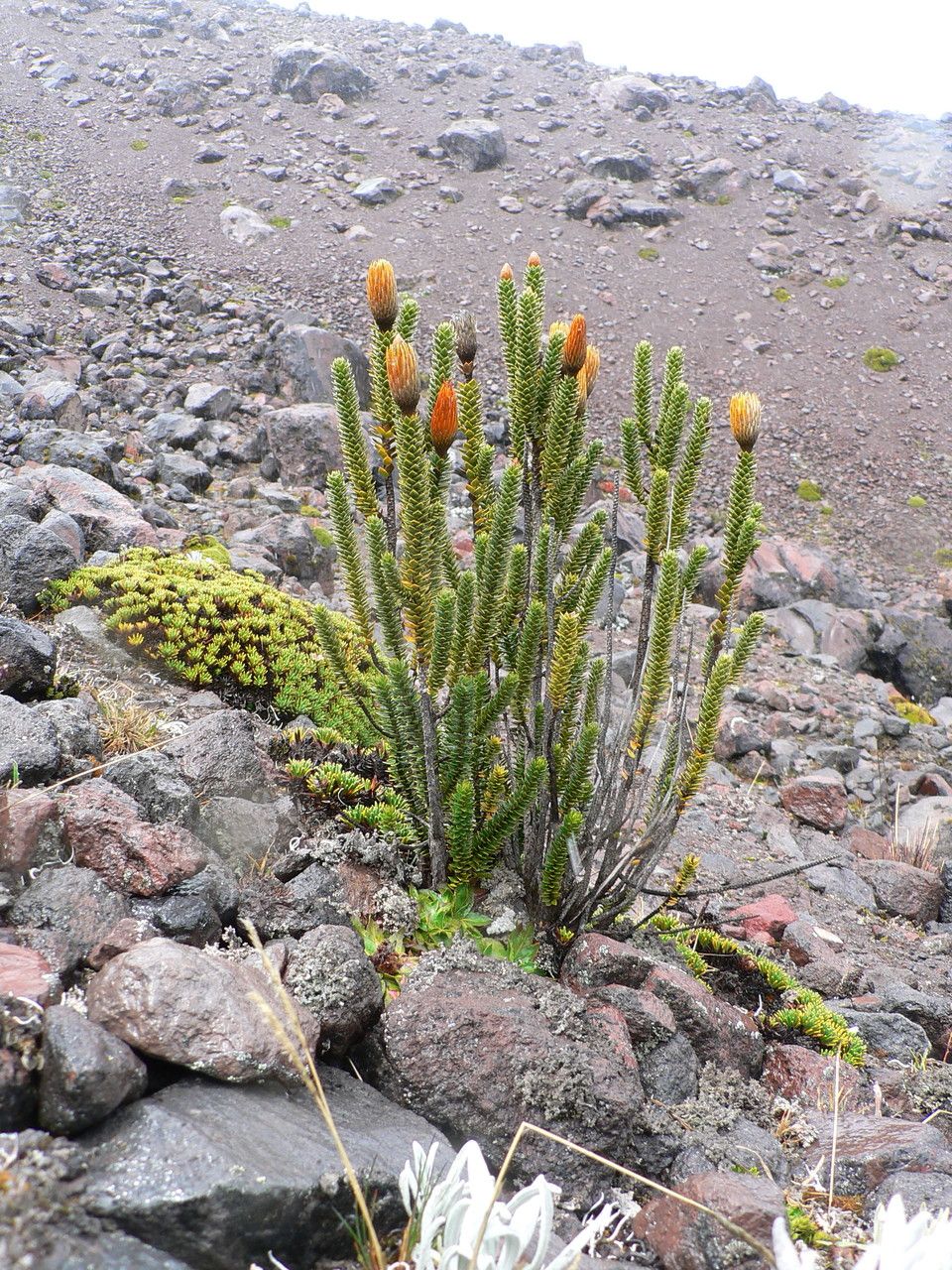
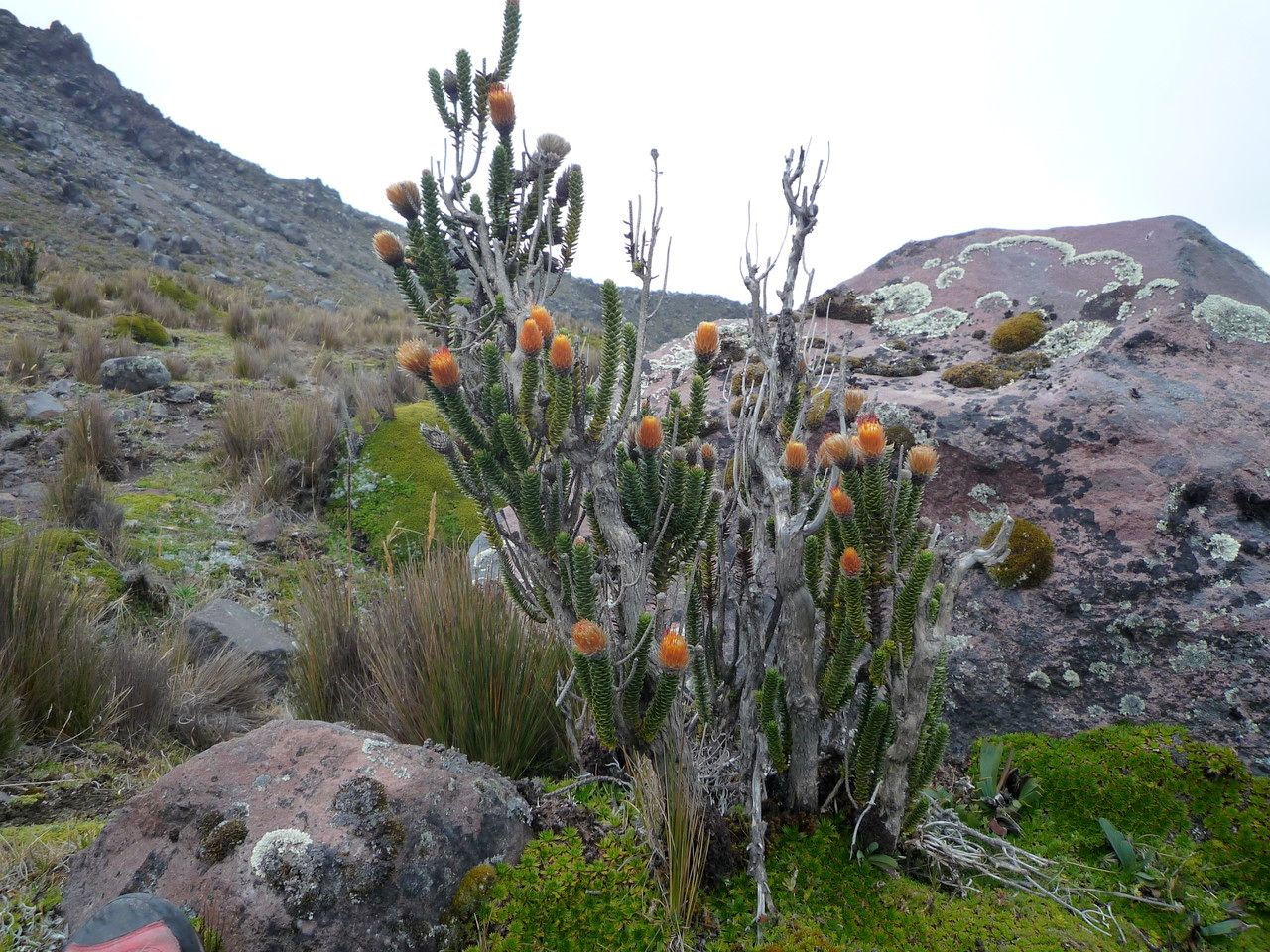
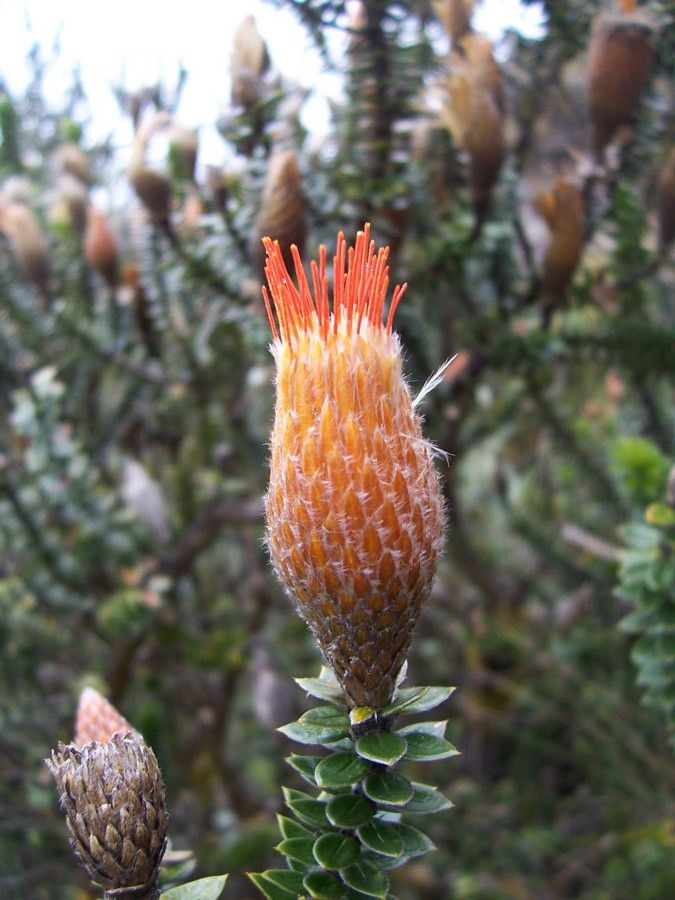
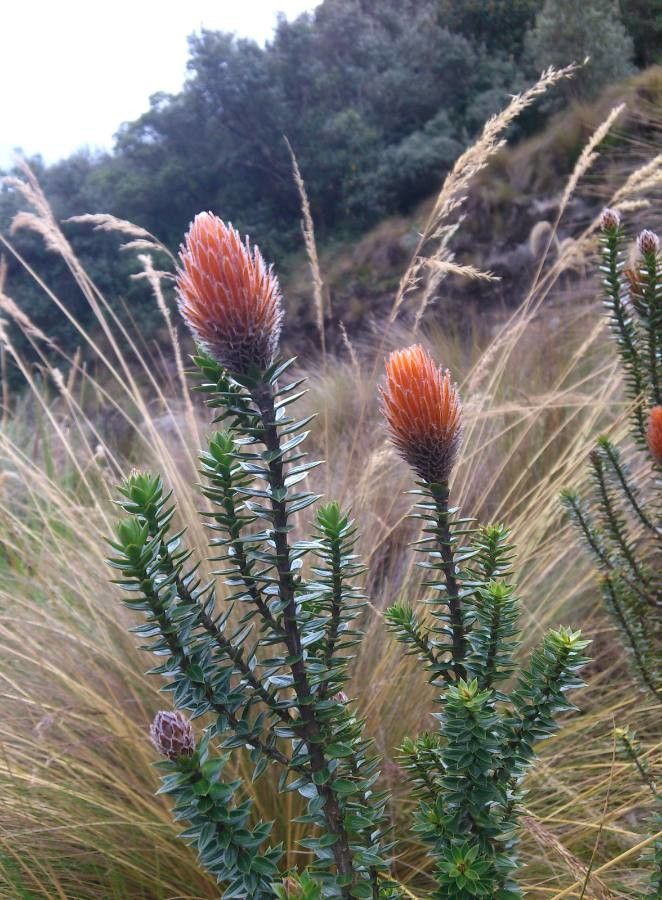
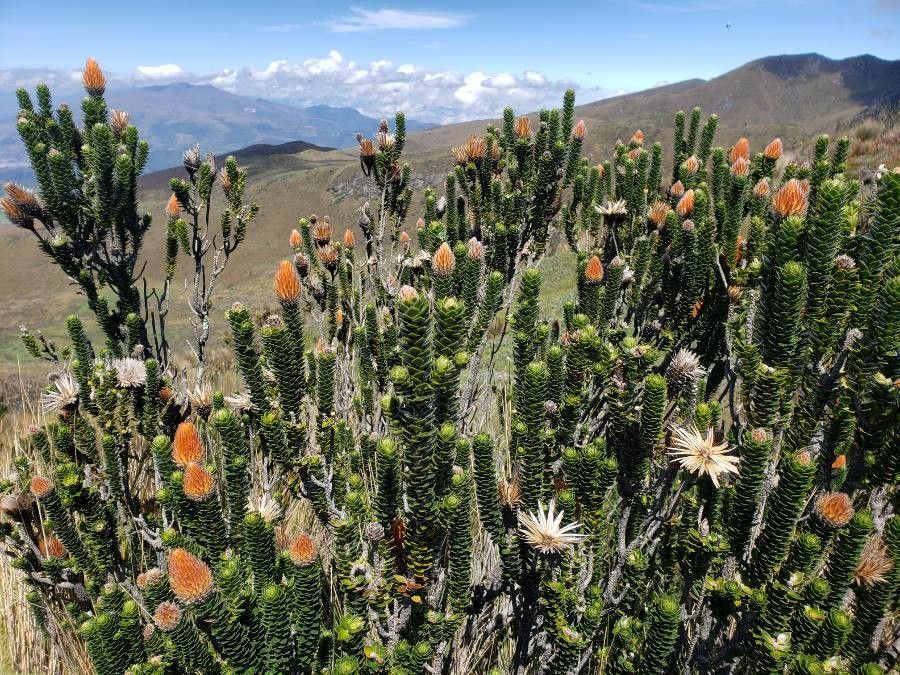
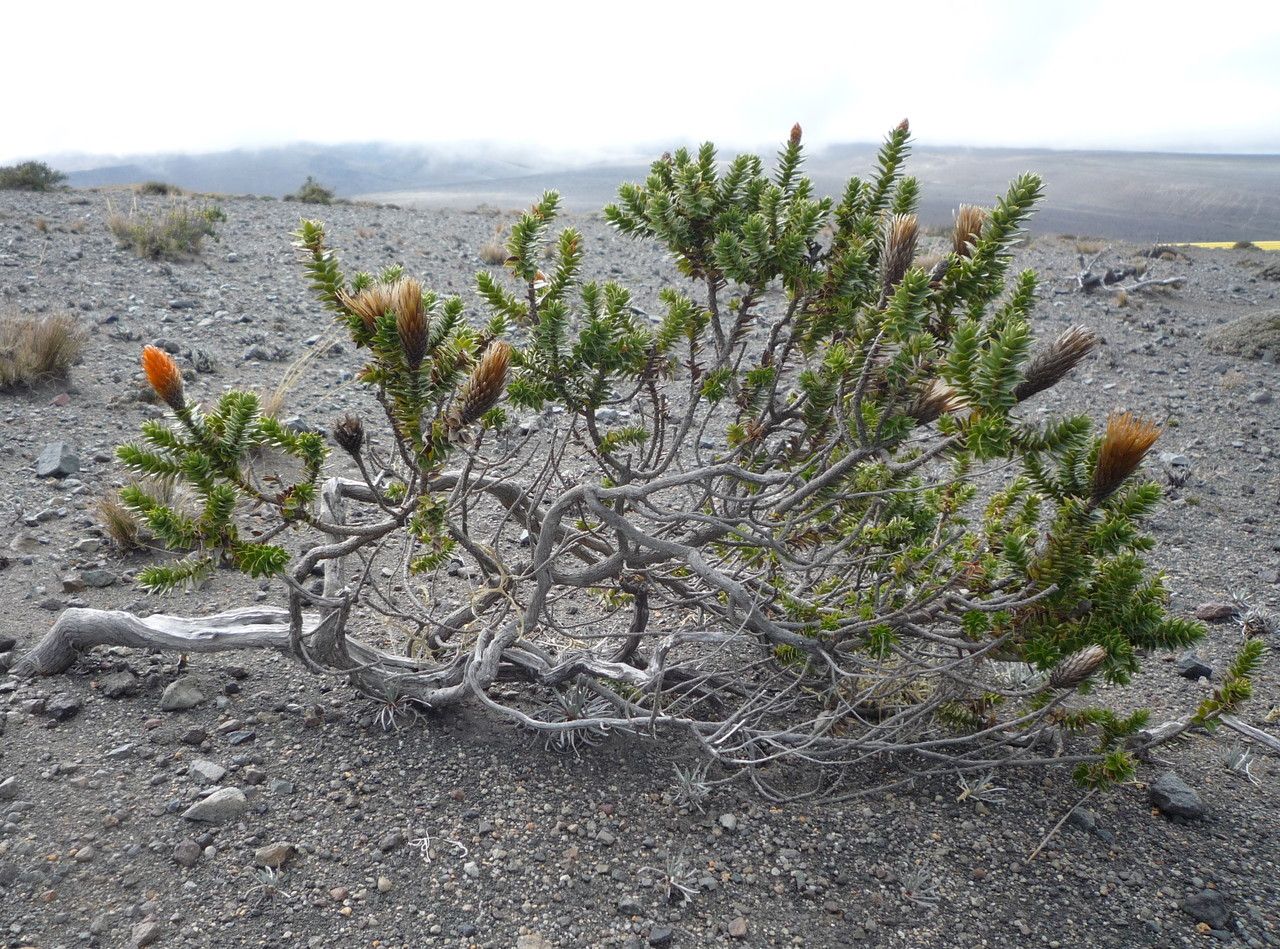
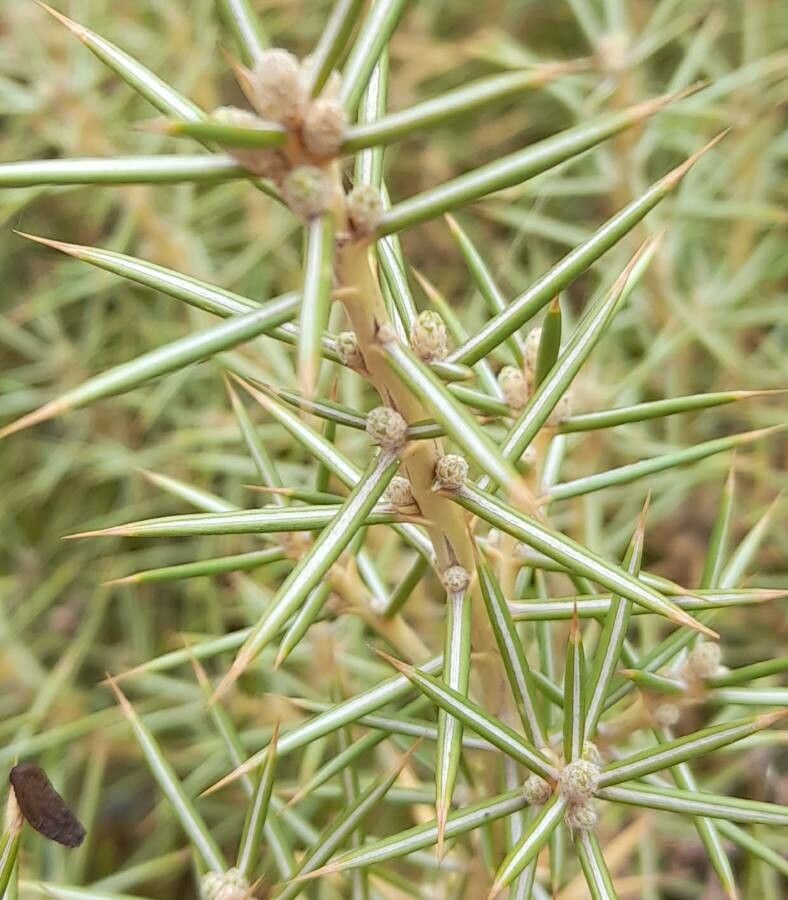
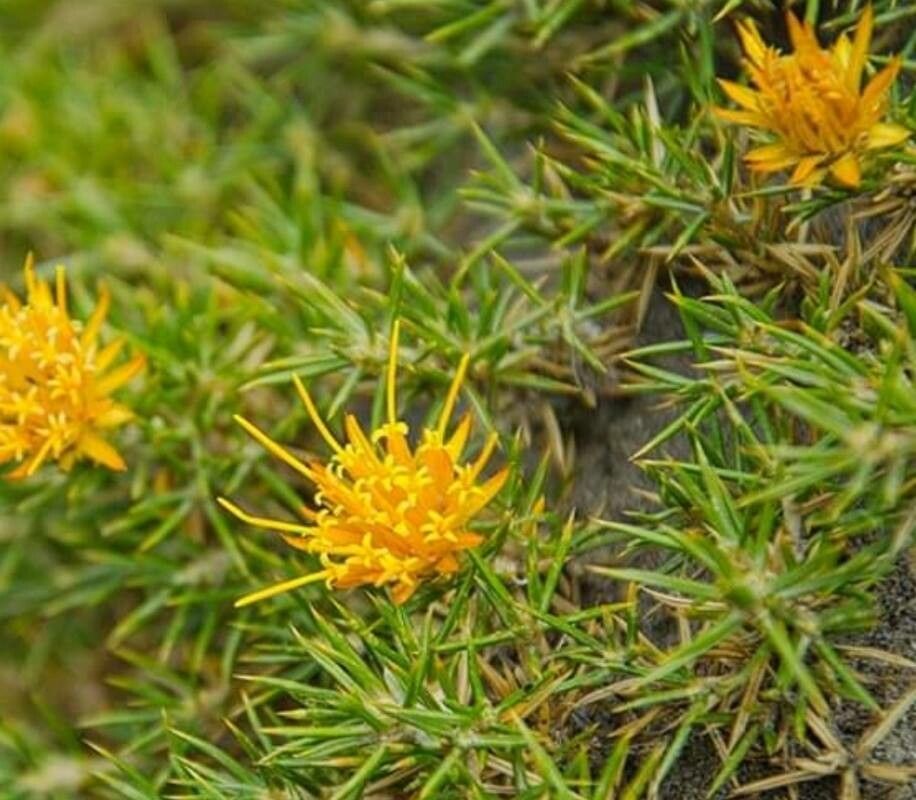
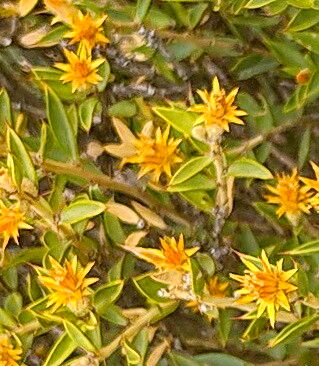
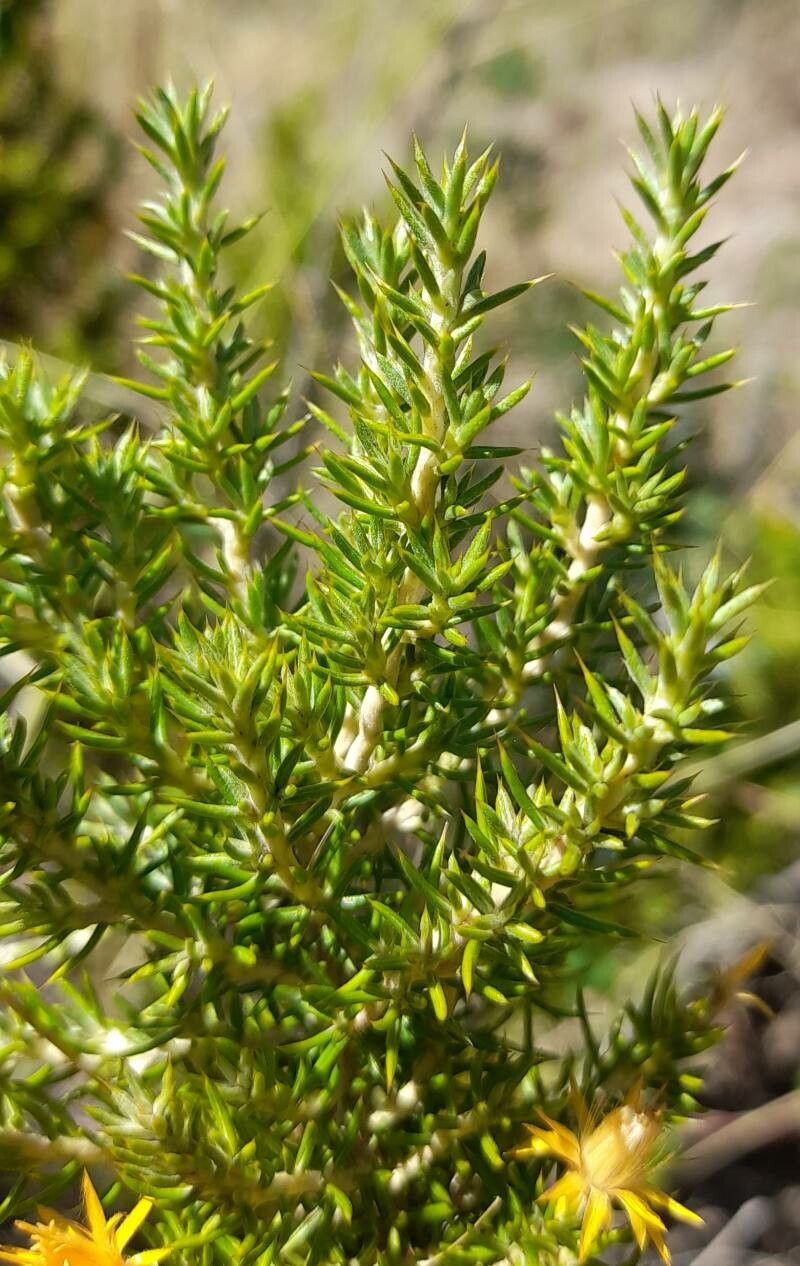
Chuquiraga jussieui, the flower of the Andes, is a species of flowering plant in the family Asteraceae. It is a low shrub, reaching a height of about 75 cm. Chuquiraga jussieui is an endangered flower. Flowers are pale yellow or orange. It is native to Ecuador and Peru, and grows at 3000 to 5000 meters above sea level. Additionally, it contains bioactive components with medicinal properties. The hummingbirds Oreotrochilus chimborazo feed on the nectar.
Flower of the andes has strong disease resistance and is usually not susceptible to illnesses. Regarding care, this plant is fairly low-maintenance. When placed outdoors it needs little watering, and larger specimens typically do not require pruning. Smaller plants, however, should be pruned after they finish blooming. Flower of the andest is appropriate for anyone with an outdoor area, like a garden or deck, and does not demand extensive care experience.
How to keep Chuquiraga Jussieui.
Light
The Flower of the Andes comes from open habitats, like sunny meadows and forest edges, where plenty of light is available. It performs best in full sun but can also withstand partial sun, adapting well to different light conditions.
Water
The Flower of the Andes is well adapted to arid highlands and shows impressive drought tolerance. It thrives on a watering schedule of just once every 2-3 weeks. Preferring rocky terrains, this plant requires minimal water to mimic its natural habitat. It's important to avoid overwatering during its dormant period to prevent root rot.
Fertilizer
Proper timing is essential for fertilizing Flower of the andes. Apply fertilizer in early spring and continue once a month until early summer. Fertilizer encourages lovely blooms and supplies energy during both dormant and active growth phases.
Pruning
The Flower of the Andes boasts vibrant, daisy-like blooms and benefits from regular pruning, especially during its dormant winter period. Pruning away dead or damaged branches encourages healthy growth, improves air circulation, reduces the risk of disease, and enhances blooming. Be sure to use clean, sharp tools to ensure the plant's optimal health and appearance.
Botanical profile.
- Plant Type
- Shrub
- Life Cycle
- Perennial
- Genus
- Chuquiraga
- Family
- Asteraceae
- Hardiness Zone
- 9-11
- Mature Height
- 76 cm
- Mature Spread
- 49 cm to 91 cm
- Leaf Color
- Dark Green
- Leaf Type
- Evergreen
- Flower Color
- Orange
- Flower Size
- 2.03 cm
- Bloom Time
- Fall
- Planting Time
- Spring, Summer, Autumn
- Harvest Time
- Late fall, Early winter, Mid winter
- Native Area
- Colombia, Bolivia, Ecuador, Peru
Reader questions.
What are the sunlight requirements for Flower of the Andes?
Flower of the Andes, known botanically as Chuquiraga jussieui, thrives in environments that mimic its native habitat of sunny meadows and forest edges. It requires full sun, defined as more than 6 hours of sunlight per day, but can also tolerate partial sun, which amounts to about 3-6 hours of sunlight. It's important to observe the movement of sunlight through your garden to find the perfect spot that provides a balance of light and shade, ensuring the plant's happiness and health.
How can artificial lighting supplement natural sunlight for indoor plants?
For Flower of the Andes and other indoor plants that require additional lighting, especially in conditions where natural sunlight is insufficient such as during winter or in less sunny spaces, artificial lights are a crucial solution. LED lights are recommended because they can be customized to provide specific wavelengths of light needed by the plants. Full sun plants need 30-50W/sq ft, partial sun plants 20-30W/sq ft, and full shade plants 10-20W/sq ft of artificial light. The light source should be placed 12-36 inches above the plants, mimicking the natural sunlight's distance, and should be left on for 8-12 hours per day to simulate natural daylight hours.
What symptoms indicate light deficiency in Flower of the Andes?
Symptoms of light deficiency in Flower of the Andes include smaller new leaves compared to older ones, leggy or sparse growth with increased spaces between leaves or stems, faster leaf drop as the plant conserves resources for new growth, slower or halted new growth, lighter-colored new leaves indicating a lack of chlorophyll, and chlorosis where leaves lose their green color and turn yellow. These signs suggest that the plant is not receiving optimal light conditions.
What are some solutions to light deficiency for indoor and outdoor planted Flower of the Andes?
To address light deficiency, indoor plants can be gradually moved to sunnier locations each week until achieving at least 6 hours of direct sunlight daily, or supplemented with artificial light for larger plants that are not easily movable. Outdoor plants should also be moved gradually to ensure they acclimate without experiencing sunburn. Reducing obstructions by pruning trees or transplanting to sunnier locations can help. It's essential to avoid sudden changes in light intensity to prevent damage, and for indoor settings, keeping curtains open during the day or using professional plant grow lights for sufficient exposure is advised.