Cicer arietinum
نخود · Bengal gram · Garbanzo · Chickpea · Gram
Description
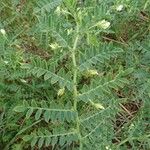
Source: leafsnapCicer arietinum, commonly known as the chickpea or garbanzo bean, is a legume in the Fabaceae family. This annual plant grows to a height of 20-50 cm and features small white or pink flowers. Its leaves are pinnately compound with 3-4 pairs of leaflets, and its stem is covered in fine hairs. Chickpea plants are widely cultivated around the world for their edible seeds, which are rich in protein, fiber, vitamins, and minerals. They have been a crucial food source for humans since ancient times and are key ingredients in traditional dishes like hummus, falafel, and chana masala. The plant thrives in well-drained soil with a pH range of 6-8 and requires moderate watering during its growth period. It can be grown as either a rain-fed crop or under irrigation, depending on the climatic conditions. Chickpeas offer several health benefits, such as reducing cholesterol levels, improving digestion, and aiding in weight loss. They also possess anti-inflammatory properties that can help prevent chronic diseases like diabetes and heart disease. In conclusion, Cicer arietinum (chickpea) is a significant legume crop that has been cultivated for centuries due to its nutritional value. Its seeds provide numerous health benefits, making it one of the most popular food crops worldwide today.
Care Guide
💧 Water Every 7 days
Chickpeas thrive in semi-arid regions and are moderately drought-tolerant, preferring drier conditions. To ensure optimal hydration without over-saturation, water them weekly. As an annual herb, chickpeas' growth cycle is highly dependent on seasonal rainfall, which affects their watering needs and influences agricultural timing.
How should I water my Chick Pea plant for optimal growth?
Chick Pea has specific water preferences, and how you water it is important. If you don't use the right technique, it could harm your tomatoes. The best way to water Chick Pea is to apply water directly to the soil in a slow and gentle manner. Avoid pouring all the water at once or doing overhead watering. While watering slowly, make sure to water deeply to ensure the soil is sufficiently moist for your Chick Pea.
What should I do if I give too much water or too little water to my Chick Pea plants?
If you realize that you have given too much water to your Chick Pea and are worried about it getting sick, take immediate action. The best solution for an overwatered Chick Pea is to remove it from its current growing spot. Once the plant is out of the ground, let its roots dry out a bit before transplanting it to a new location with well-draining soil. If you grow your plants in pots, you might also consider moving it to a pot with better drainage. On the other hand, if you have been underwatering your Chick Pea, simply increase the frequency of watering it.
How often do I need to water my Chick Pea?
Chick Pea needs a lot of water throughout the growing season. It is important to water it frequently, especially during the spring and summer months. In the beginning of the season, water it once or twice per week. As the season goes on, increase the frequency of watering, potentially up to twice per day in the hot summer weather. Once the Chick Pea plants have completed their main growth phases, you can reduce watering to about once per week until the end of the growing season.
How much water does my chickpea plant need?
Chick Peas are very popular and many gardeners have had success growing them, so we now know how to care for these plants. One important aspect is knowing how much water they need. On average, Chick Peas should receive about 1 - 1.5 inches of water per week, which should be spread evenly in your weekly watering routine. As the weather gets warmer, you may need to increase the amount of water, but in most cases, two inches per week is a good guideline.
How can I know if I'm giving enough water to my Chick Pea plant?
Both underwatering and overwatering can cause problems for your Chick Pea, and these problems can have similar symptoms. For instance, both overwatering and underwatering can result in foliage discoloration and wilting. When your Chick Pea is underwatered, its leaves will initially curl and droop. You will also notice a decrease in the vigor of the leaves. Underwatering can also stunt growth and hinder overall development, as this plant requires a high amount of water for both its flowers and general well-being. On the other hand, overwatering is more likely to lead to disease, such as rot, and may cause unpleasant odors to emanate from the soil. Symptoms of underwatering will appear more rapidly compared to overwatering. Additionally, overwatering can be detected through soil conditions, particularly if you observe standing water or waterlogged soil.
☀️ Light Full sun
Chick Pea prefers an exposed spot with consistent sunlight. This is essential for its proper development and health. Ample sun produces higher yields and increased disease resistance. Conversely, lack of sunlight can impede its growth. In its native habitats, chick Pea flourishes when it receives uninterrupted sun throughout the day.
What are the sunlight requirements for Chick Pea plants?
Chick Pea plants crave constant sun exposure and thrive in locations that receive continuous, unobstructed sunlight throughout the day. Full sun, defined as over 6 hours of sunlight daily, is vital for their proper growth, greater yield, and disease resistance. Partial sun refers to about 3-6 hours of sunlight. It's essential to observe how sunlight moves through your garden to find the perfect balance of light and shade, ensuring your Chick Pea plants' happiness and health.
How does artificial lighting benefit indoor Chick Pea plants?
Indoor Chick Pea plants benefit significantly from artificial lighting, especially when natural sunlight is insufficient. Artificial lights, such as LED, can be customized to provide specific wavelengths of light needed by the plants, promoting faster and healthier growth. Full sun plants require 30-50W/sq ft, partial sun plants need 20-30W/sq ft, and full shade plants need 10-20W/sq ft of artificial light. The light should be placed 12-36 inches above the plant to mimic natural sunlight and left on for 8-12 hours per day, depending on the plant's needs.
What are the signs of insufficient light for indoor Chick Pea plants?
Chick Pea plants growing indoors with limited light may exhibit symptoms such as smaller new leaves, leggy or sparse growth, faster leaf drop, slower or no new growth, lighter-colored new leaves, and chlorosis, where leaves lose their green color. Conversely, excessive sunlight can lead to symptoms like sunscald, leaf curling, wilting, and leaf scorching. These symptoms indicate the plant's struggle with light conditions and the need for adjustments to their environment.
How can you provide better lighting conditions for Chick Pea plants?
To ensure optimal growth for Chick Pea plants, gradually move them to sunnier locations, aiming for at least 6 hours of direct sunlight daily. For indoor plants, utilize a south-facing window or supplement with artificial light if the plant is large. Outdoors, move plants to better spots gradually to avoid sunburn. If trees or other obstructions limit sunlight, consider pruning or transplanting the plant to a sunnier area. While parts of the plant affected by insufficient light may not recover, new growth will be healthy once the lighting conditions improve.
🌡️ Temperature 20–35°C
Chick Pea originally grows in regions with warm climates where temperatures range from 68 to 95°F (20 to 35℃). It prefers warmer temperatures, so cultivation should be adjusted slightly cooler or warmer according to the seasons for optimal growth.
What are the ideal growing conditions for Chick Pea?
Chick Pea, with its botanical name Cicer arietinum, thrives in warm climates, flourishing best between temperatures of 68 to 95°F (20 to 35°C). It's originally grown in areas that maintain these warmer temperatures, thus ensuring the environment is slightly adjusted according to the seasons is crucial for optimal growth. During the winter, it is essential to keep the temperatures above 20°C to favor the plant's growth, making sure the temperature never falls below freezing to prevent damage. Should outdoor temperatures drop to -5°C (25°F) or below during winter, protective measures such as bringing the Chick Pea indoors or setting up a temporary greenhouse, or wrapping the plant with plastic film or fabric are advisable.
How does Chick Pea react to low temperatures?
Chick Pea possesses a moderate tolerance to low temperatures, optimally growing when the mercury is between 20°C and 35°C. During colder months, ensuring the temperature stays above 0°C is crucial. Exposure to temperatures below -5°C may result in the plant's leaves darkening, and in severe cases can lead to water-soaked necrosis, wilting, drooping, and the gradual browning of leaves. To mitigate frost damage, it's recommended to trim away damaged parts and move the plant to a warm indoor environment or set up a makeshift greenhouse for cold protection. Placing it near a south-facing window can ensure it receives ample sunlight, and if light is inadequate, supplemental lighting may be used.
How does Chick Pea react to high temperatures?
In the summer, it's important to maintain the temperature below 35°C for Chick Pea. Exposure to temperatures above 38°C can lead to slowed growth, lighter leaf coloration, and increased susceptibility to sunburn for the plant. Solutions include trimming away sunburned and dried parts and relocating the plant to an area with afternoon shade. To keep the soil moist and further protect the plant, water it during the cooler times of morning and evening.
💨 Humidity dry (<40%)
This plant prefers dry conditions, so don't mist it. However, watering it less often can also thrive in higher humidity.
🪴 Soil 6-7
🌱 Fertilizer
For optimal growth, Chick Pea needs three fertilizer applications: before planting, one month after seedlings emerge, and a final application 1 to 1.5 months after the second. Some Chick Pea varieties also benefit from an extra dose of fertilizer at planting to encourage rapid growth.
🪴 Pot & Repot
✂️ Pruning
Chickpea, a legume prized for its edible seeds, benefits greatly from proper care. Pruning in early to mid-spring helps enhance airflow, remove dead or overcrowded branches, and improve sunlight exposure. Using clean tools is important to prevent the spread of disease. These practices have been shown by reputable horticultural sources to promote healthier growth and maximize yields.
🌿 Propagating
🐛 Diseases & pets
☠️ Toxicity
Characteristics
- Plant Type
- Herb
- Life Cycle
- Annual
- Genus
- Cicer
- Family
- Fabaceae
- Hardiness Zone
- 9
- Mature Height
- 61 cm
- Mature Spread
- 61 cm
- Leaf Color
- Green, Gray
- Leaf Type
- Deciduous
- Flower Color
- White, Purple
- Flower Size
- 1.27 cm
- Bloom Time
- Mid spring, Late spring, Early summer
- Planting Time
- Spring
- Harvest Time
- Summer
- Native Area
- South East Turkey