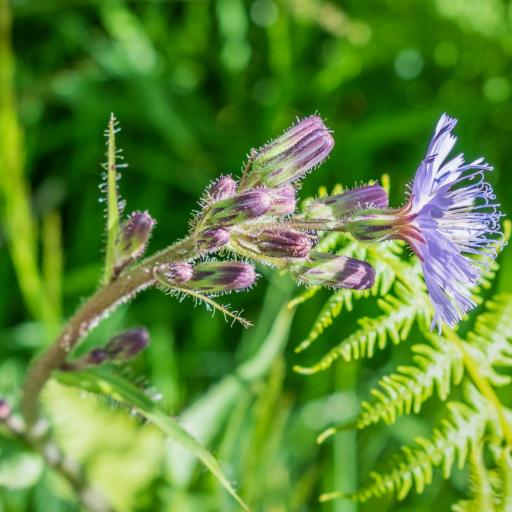
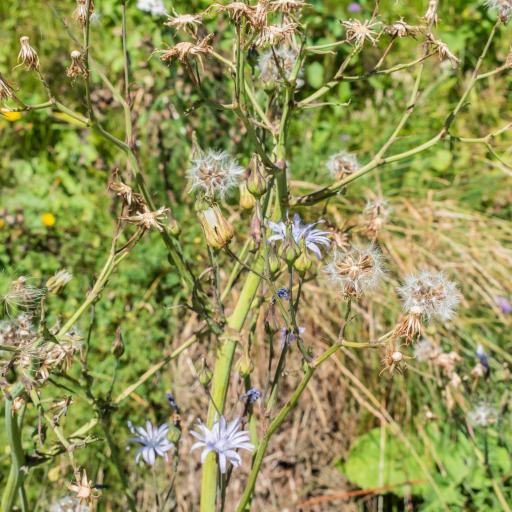
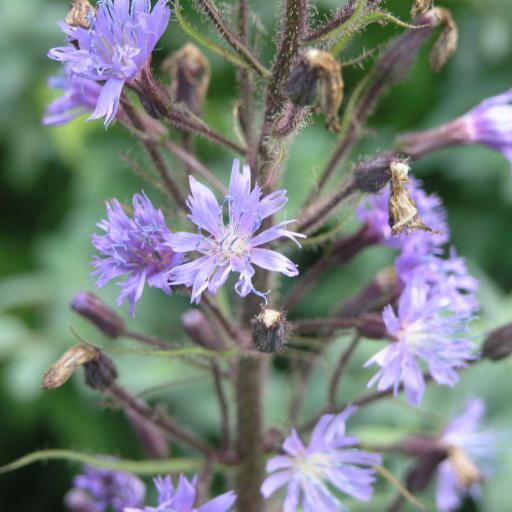
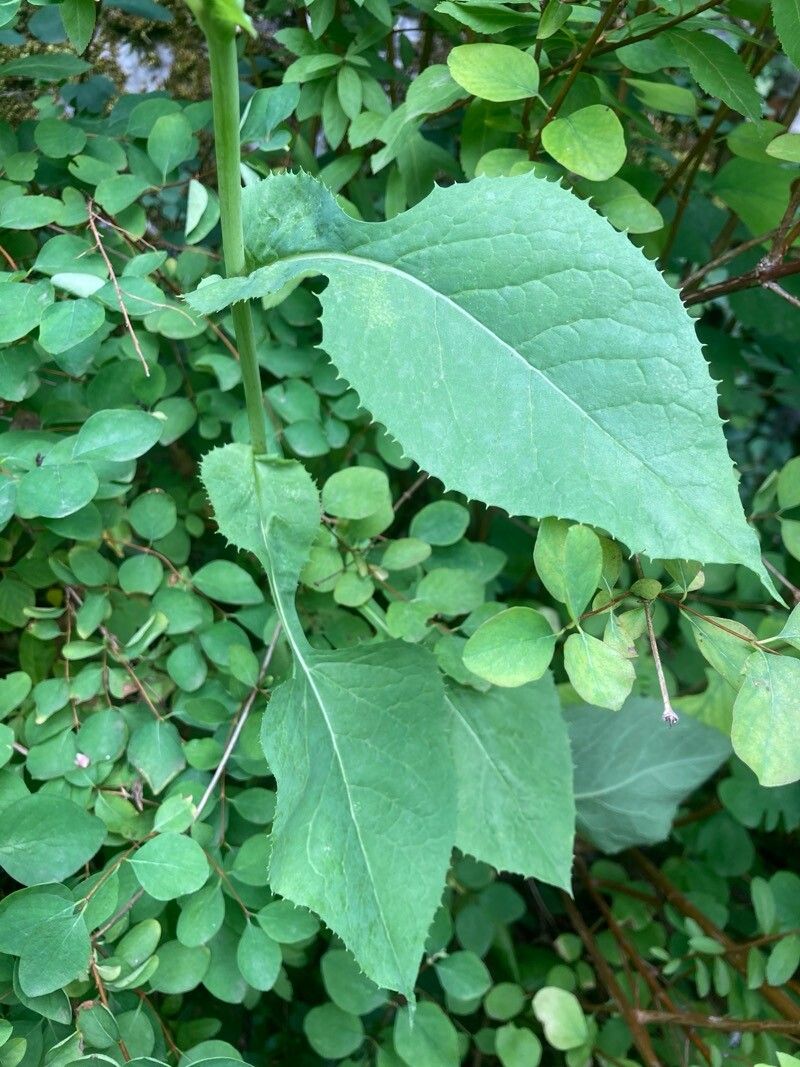
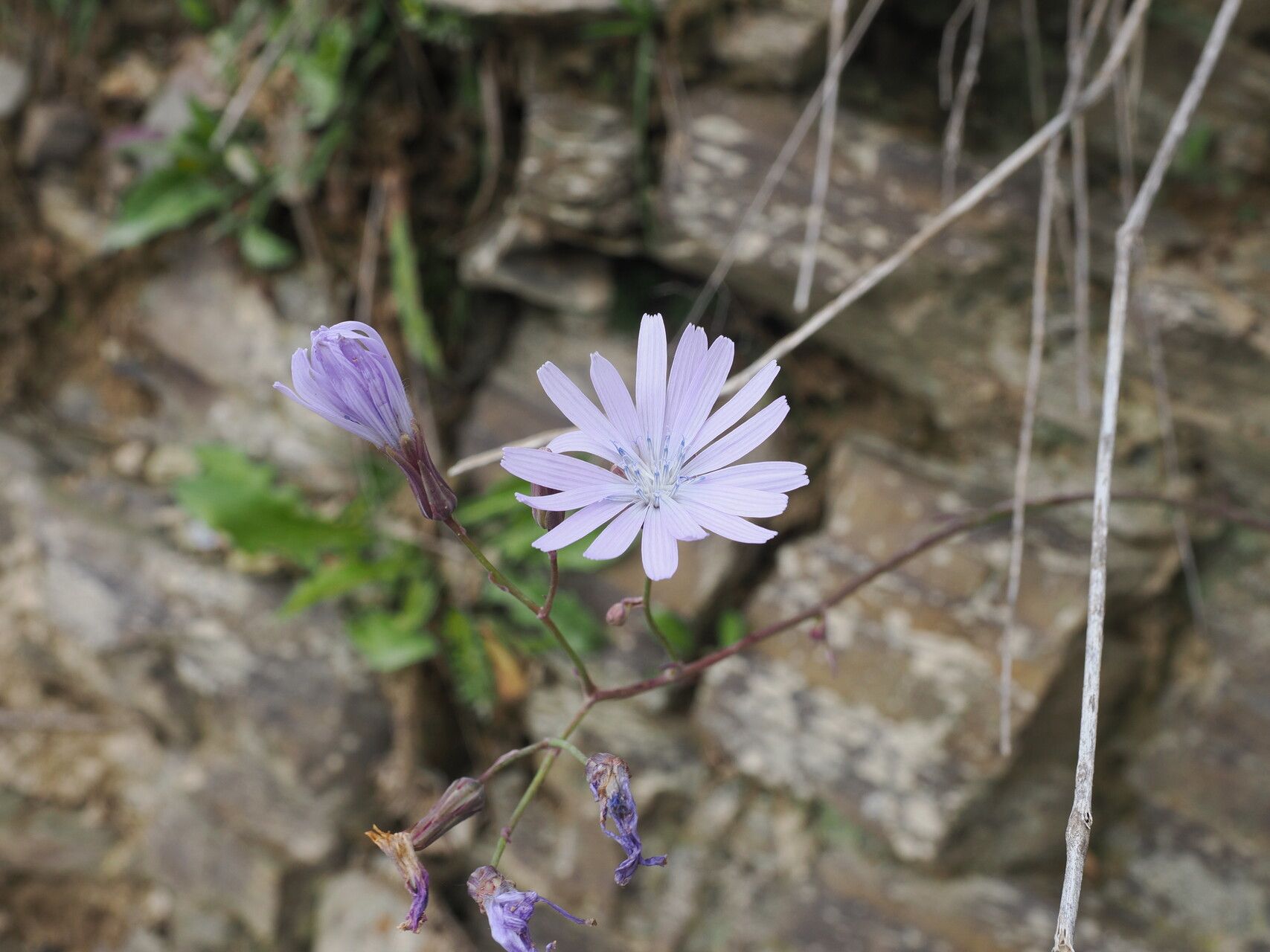
Hairless blue sow-thistle shows strong resistance to disease and is generally unlikely to contract illnesses. Still, it can be vulnerable to pests and diseases present in its environment. Such infections are typically mild. Regarding upkeep, this species needs a moderate level of care. Regular pruning is necessary to preserve an attractive appearance and encourage healthy growth. Applying fertilizer can also support better flowering. Hairless blue sow-thistle is appropriate for anyone with outdoor areas like a garden or patio and does not demand significant plant-care experience. It may need increased attention if cultivated indoors.
How to keep Cicerbita Plumieri.
Light
The hairless blue sow-thistle prospers in full, bright sunlight, though it can cope with a reduced amount of sun rays. Coming from open habitats, it is adapted to receive plentiful solar exposure. Too little light can inhibit its growth, while excessive light may bleach the leaves.
Water
The hairless blue sow-thistle thrives in moist, well-drained soil and needs weekly watering to stay healthy. Although it can tolerate moderate drought once established, providing consistent moisture is beneficial, especially during its active growing season outdoors. This helps to maintain its lush foliage.
Temperature
Hairless blue sow-thistle is a resilient plant adapted to temperatures ranging from 41 to 95 °F (5 to 35 ℃) within its native temperate zones. It favors both cooler and warmer climates. Seasonal temperature adjustments may be needed if conditions fall outside these limits.
Fertilizer
For Hairless blue sow-thistle, the primary time to fertilize is early spring as the flowers begin to form. Using the appropriate fertilizer promotes better blooms and helps Hairless blue sow-thistle produce attractive flowers. Fertilizing in early spring ensures excellent flowers throughout the season and supplies energy for dormant growth phases.
Pruning
Prune hairless blue sow-thistle from early to late spring to remove dead stems and promote healthy growth. This practice encourages vigorous new shoots, maintains the plant's shape, prevents overcrowding, and helps deter pests. Regular pruning can also extend the blooming period, enhancing the plant’s ornamental value in gardens.
Botanical profile.
- Plant Type
- Herb
- Life Cycle
- Perennial
- Genus
- Cicerbita
- Family
- Asteraceae
- Hardiness Zone
- 5-9
- Mature Height
- 1.22 m
- Mature Spread
- 46 cm
- Leaf Color
- Green, Blue
- Leaf Type
- Deciduous
- Flower Color
- Lavender
- Flower Size
- 2.03 cm to 3.05 cm
- Bloom Time
- Summer
- Planting Time
- Spring
- Harvest Time
- Late summer, Early fall, Mid fall
Other names.