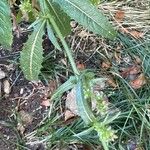
Cichorium endivia
جەواشیر · هندباء · کاسنی · تاڵیشک · شاریزور
Description
Source: leafsnapCichorium endivia is a species of flowering plant belonging to the genus Cichorium, which is widely cultivated as one of the species of similar bitter-leafed vegetables known as endive and escarole.There is considerable confusion between C. endivia and C. intybus.
Care Guide
💧 Water Every 7 days
Cultivated endive originates from the Mediterranean region and thrives in moderately moist soil. To prevent root saturation, it requires consistent weekly watering. This plant has a good tolerance for drought and efficiently absorbs water in cooler temperatures, which makes growing it outdoors ideal for achieving optimal growth.
How should I water my Cultivated endive?
Cultivated endive has specific preferences for how it is watered. Not only does it require a certain amount of water, but it also requires the proper watering technique to avoid harming your tomatoes. To water Cultivated endive correctly, apply water directly to the soil in a slow and gentle manner. Avoid pouring all the water into the soil at once or using overhead watering. It is recommended to water slowly but deeply to ensure the entire soil where Cultivated endive grows is adequately moist.
What should I do if I give my Cultivated endive too much water or too little water?
If you've given your Cultivated endive too much water and are worried about the risk of disease, take immediate action. The best solution for an overwatered plant is to remove it from its current spot and let its roots dry a bit before replanting it in soil with good drainage. If you're growing the endive in pots, consider moving it to a pot with better drainage. On the other hand, if you've underwatered the plant, simply increase the frequency of watering.
How often do I need to water my Cultivated endive?
Cultivated endive requires a significant amount of water throughout the growing season. To meet this high water need, it is important to water early and often during the spring and summer. In the beginning of the season, water your Cultivated endive once or twice per week. As the season progresses, increase the frequency of watering. Depending on the weather, it may be necessary to water twice per day or more during summer. After the major growth phases, you can reduce watering to about once per week until the end of the growing season.
How much water does my endive plant need?
Cultivated endive is a popular plant among gardeners, both professional and amateur. As a result, we have gained a clear understanding of how to take care of these plants, including how much water they need. On average, Cultivated endive requires about 1 - 1.5 inches of water per week, which should be evenly distributed during your weekly watering. As the weather gets warmer, you may need to increase the amount of water, but in most cases, two inches per week is a good starting point.
How can I know if I am giving enough water to my cultivated endive?
Your Cultivated endive can encounter problems from both underwatering and overwatering, which can exhibit similar symptoms. Overwatering or underwatering can cause foliage discoloration and wilting. When underwatered, the leaves of your Cultivated endive will initially curl and droop. Additionally, the leaves may become less vigorous and the overall growth may be stunted, as this plant requires ample water for proper development. On the other hand, overwatering can result in disease, such as rot, and a foul smell emanating from the soil. Symptoms of underwatering become apparent quicker than overwatering. You can also identify overwatering by observing the presence of excess water or waterlogged soil.
☀️ Light Full sun
Cultivated endive performs best in full sun, though it can tolerate some shaded conditions. For proper development throughout its life cycle it requires consistent, unobstructed sunlight. This degree of exposure reflects its original habitat and encourages healthy growth. Conversely, too little or too much sun can result in stunted growth or wilted leaves.
What are the sunlight requirements for cultivated endive?
Cultivated endive thrives best under full sun exposure, defined as receiving more than 6 hours of sunlight daily, but can also adapt to partial sun conditions, with about 3-6 hours of sunlight. This plant's original habitat with ample sunlight promotes healthy growth, whereas lack or excess of sunlight may lead to issues such as stunted growth or wilted leaves. It's crucial to monitor the sunlight in your garden to ensure your plants are getting the right balance of light and shade.
Can artificial lighting be used for indoor cultivated endive?
Yes, artificial lighting is beneficial for indoor cultivation of endive when natural sunlight is insufficient, particularly during winter or in less sunny spaces. Optimal growth requires choosing the right type of artificial light, such as LED lights that can provide specific wavelengths needed by your plants. For example, full sun plants need 30-50W/sq ft, partial sun plants need 20-30W/sq ft, and full shade plants need 10-20W/sq ft of artificial light. The light source should be placed 12-36 inches above the plant, mimicking natural sunlight, and provided for 8-12 hours per day.
What are the symptoms of light deficiency in cultivated endive?
When cultivated endive is grown indoors with insufficient light, it might exhibit symptoms such as smaller new leaves, leggy or sparse growth, faster leaf drop, slower or no new growth, lighter-colored new leaves, chlorosis, sunscald, leaf curling, wilting, and leaf scorching. These symptoms indicate the plant's struggle with inadequate sunlight and the adjustments it makes to conserve resources or protect itself from damage.
How can I address light deficiency for my cultivated endive?
To remedy light deficiency, gradually increase the plant's sunlight exposure to at least 6 hours daily. For indoor plants, use a south-facing window or artificial light, ensuring at least 8 hours of light per day. Outdoor plants should be moved to sunnier spots gradually to avoid sunburn. For ground plants, reduce sunlight obstructions by pruning or transplanting to brighter locations. Note that while parts of the plant previously affected might not recover, new growth should be healthy with adjusted light conditions.
🌡️ Temperature 5–35°C
Cultivated endive grows optimally within a temperature range of 68 to 95 °F (20 to 35 ℃). Originating from temperate areas, it favors cooler conditions. During hotter periods, seasonal adjustments may be required.
What is the ideal temperature range for cultivating endive?
Cultivated endive thrives in a temperature range of 68 to 95°F (20 to 35°C), as it is native to temperate regions and prefers cooler conditions. These plants require relatively warm temperatures, especially during winter, where maintaining conditions above 20°C is beneficial. It's crucial to keep the minimum temperature above freezing to prevent damage, and when temperatures approach -5°C (25°F) in winter, it may be necessary to bring the plant indoors or provide protection with a temporary greenhouse or wrapping materials.
How does low temperature affect cultivated endive and what are the solutions?
Cultivated endive has moderate tolerance to low temperatures, performing best between 20°C and 35°C. It is important to keep it above 0°C during winter. Exposure to temperatures below -30°C can cause leaves to darken and lead to water-soaked necrosis, wilting, and drooping, with the leaves gradually turning brown. To mitigate frost damage, it’s recommended to trim away the frost-damaged parts, move the plant to a warm indoor environment, or set up a makeshift greenhouse. For indoor placement, a south-facing window for ample sunlight is ideal, supplemented by additional lighting if necessary.
What should be done if cultivated endive experiences high temperatures?
During the summer, it's vital to ensure that the temperature around cultivated endive remains below 35°C. Exceeding 38°C can slow the plant's growth, lighten the leaf color, and increase susceptibility to sunburn. To address this, trim away sunburned and dried-up parts of the plant. Relocate it to a shaded area, particularly from the harsh afternoon sun, and water the plant in the morning and evening to maintain soil moisture.
💨 Humidity
🪴 Soil 6-7
🌱 Fertilizer
To maximize the yield and flavor of Cultivated endive, provide ample nitrogen throughout the entire growth cycle, including the pre-planting stage and at harvest. Plants that are well watered and properly fertilized produce abundant, healthy leaves and have reduced bitterness. Before planting, enrich the soil with organic matter such as compost or manure, ideally 2 to 8 weeks beforehand.
Why should I add fertilizer to my grown endive?
Cultivated endive, a plant grown for its edible leaves, has specific nutritional requirements. Nitrogen, phosphorus, and potassium are key nutrients that support various functions in plants. For foliage, nitrogen plays the most critical role. However, it can be challenging for Cultivated endive to obtain sufficient nitrogen from the soil for a successful harvest. To overcome this, many gardeners choose to supplement by providing Cultivated endive with a rich nitrogen source.
When should I put fertilizer on my Cultivated endive?
To benefit your Cultivated endive, there are a few key points to remember when applying fertilizer during the growing season. Firstly, before planting, it is recommended to amend the soil with nutrient-rich organic material such as compost or manure. This should be done at least 2 to 8 weeks in advance. Secondly, when it's time to plant your seedlings, amend the soil again using the same method. Once the seedlings reach around 2 inches tall, you can apply the next dose of fertilizer. From then on, it is advisable to regularly feed your Cultivated endive with rich organic matter or a commercial fertilizer until harvest. Generally, fertilizing every two to three weeks is ideal. Additionally, adding a layer of compost or manure around the plant can provide a continuous supply of nutrients.
When is the best time to not fertilize my Cultivated endive?
To maximize healthy foliage in your plants, use nitrogen-rich fertilizers. However, be cautious about applying it near other vegetable plants that prioritize fruiting rather than foliage growth. Otherwise, you may end up with leafy plants but few vegetables. Be sure to avoid applying any fertilizer directly onto the leaves of your Cultivated endive as it will burn them. Instead, apply it a few inches away from the base of the plant. Do not fertilize unhealthy Cultivated endive plants affected by diseases, pests, drought, or any other issues until those problems are resolved. Fertilizer is beneficial for healthy plants but can harm plants in poor condition if applied prematurely.
What kind of fertilizer does my grown endive lettuce need?
To determine the best fertilizer for Cultivated endive, several factors need to be considered. These include the specific type of plant, the environmental conditions, and most importantly, the composition of the soil. As Cultivated endive requires a significant amount of nitrogen, using high-nitrogen fertilizers is generally a safe choice. Initially, it is recommended to amend the soil with manure or compost at the beginning of the growing season. Throughout the rest of the season, dry or liquid fertilizers can be used to provide further nutrients. During the seedling stage, it is advised to feed lightly, gradually increasing the amount as the plant matures. Both organic and chemical fertilizers can be used for Cultivated endive. Many people prefer organic fertilizers as they tend to enhance the taste of vegetables. Some popular organic options with high nitrogen content include fish emulsion, soil meal, compost tea, alfalfa meal, blood meal, and chicken manure. If using chemical fertilizers, it is important to check the NPK number which indicates the proportion of nitrogen, phosphorus, and potassium in the mixture. For a high-nitrogen option, select a fertilizer with a high first number, such as 13-2-5 or even one that only contains nitrogen, like 16-0-0.
How can I make my Cultivated endive grow better?
When fertilizing your Cultivated endive, there are several methods depending on the type of fertilizer. For soil amendment, dig at least 6 inches (preferably deeper) and mix the amendment material at a 2:1 ratio with the soil. Spread granular or powder fertilizer around the base of the plant as recommended, and mix it into the top layer of soil to prevent it from washing or blowing away. Apply the fertilizer about 2 to 3 inches away from the plant to avoid fertilizer burn, and always water thoroughly after adding dry fertilizer. If using water soluble chemical fertilizers, dissolve them in water and use the diluted mix to water the plants. This method works best for container watering rather than irrigation or other methods.
🪴 Pot & Repot Every 12 months
✂️ Pruning
Cultivated endive, which features curly or broad leaves, requires careful pruning for optimal health. For the best results, prune between early and late spring to maintain its shape and promote the growth of new leaves. Remove any damaged leaves to improve air circulation. Regularly thinning the plants will enhance their vigor, resulting in a more productive harvest.
🌿 Propagating
🐛 Diseases & pets
☠️ Toxicity
Cichorium endivia has no toxic effects reported.
Characteristics
- Plant Type
- Herb
- Life Cycle
- Perennial, Annual, Biennial
- Genus
- Cichorium
- Family
- Asteraceae
- Hardiness Zone
- 4-9
- Mature Height
- 91 cm
- Mature Spread
- 20 cm to 30 cm
- Leaf Color
- Green, Yellow, White, Gold
- Leaf Type
- Semi-evergreen
- Flower Color
- Blue, Purple
- Flower Size
- 2.54 cm to 7.62 cm
- Bloom Time
- Summer
- Planting Time
- Spring, Summer
- Harvest Time
- Late summer, Early fall, Mid fall
- Native Area
- Kazakhstan