Cicuta bulbifera
Bulblet-Bearing Water-Hemlock · Bulblet-bearing water hemlock · Bulb-bearing water-hemlock · Bulbous water-hemlock · Bulbous cowbane
Description
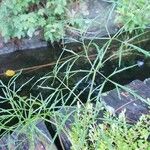
Source: leafsnapCicuta bulbifera, commonly known as the bulb-bearing water hemlock, is a perennial herbaceous plant belonging to the Apiaceae family. Native to North America, it thrives in wetlands, marshes, and alongside stream banks. This plant can grow up to 2 meters tall and features a hollow stem marked with purple spots. Its leaves are compound, with toothed, lance-shaped, or oval leaflets. The small, white flowers are arranged in umbels at the ends of branches. Cicuta bulbifera is considered one of North America's most poisonous plants due to its high concentration of cicutoxin. This toxin affects the central nervous system, causing seizures, respiratory failure, or even death if ingested by humans or animals. Despite its toxicity, Native Americans have historically used Cicuta bulbifera for medicinal purposes, treating ailments such as rheumatism and skin diseases. In conclusion, while Cicuta bulbifera is a highly poisonous plant native to North America and should be avoided due to its toxic properties, it has been utilized by Native Americans as a medicinal resource throughout history.
🎭 Eliminate sexual urges *poison*
Care Guide
💧 Water Every 7 days
Bulblet-bearing water hemlock thrives in moist meadows and along stream banks, preferring consistent moisture. For optimal growth, water bulblet-bearing water hemlock weekly. It is well-suited for outdoor cultivation in riparian zones that experience periodic flooding and varying moisture levels, while also being able to tolerate short dry spells.
☀️ Light Full sun
Bulblet-bearing water hemlock naturally does best in places that receive bright light all day and can persist in areas with moderate sunlight. If light is insufficient, the plant may develop health problems. Its growth and wellbeing depend greatly on having enough sun.
What are the sunlight requirements for Bulblet-bearing water hemlock?
Bulblet-bearing water hemlock, known botanically as Cicuta bulbifera, thrives best in environments where it is exposed to full sun, which means it requires above 6 hours of sunlight daily. It can also survive in partial sun, requiring about 3-6 hours of sunlight. It's crucial to observe how sunlight moves through your garden to ensure plants receive the appropriate balance of light and shade, as this significantly impacts their growth and well-being.
How crucial is sunlight for the health of Bulblet-bearing water hemlock?
Sunlight is essential for the health and growth of Bulblet-bearing water hemlock. This plant naturally thrives in strong light exposure throughout the day and can also survive in moderate sunlight. However, insufficient sunlight can lead to health issues. Adequate sun exposure is critical for the plant's overall development and well-being.
Can artificial lighting be used for Bulblet-bearing water hemlock? How?
Yes, artificial lighting can be beneficial for Bulblet-bearing water hemlock, especially when natural sunlight is insufficient, such as during winter or in less sunny spaces. Optimal growth with artificial lighting involves choosing the right type of light, like LED lights, which can be adjusted to provide specific wavelengths needed by the plant. For full sun plants, 30-50W/sq ft is essential, while partial sun plants need 20-30W/sq ft, and full shade plants require 10-20W/sq ft. The light source should be placed 12-36 inches above the plant to mimic natural sunlight, and the duration should reflect the natural daylight hours, typically 8-12 hours per day.
What are common symptoms of inadequate light in Bulblet-bearing water hemlock?
Inadequate light can lead to several symptoms in Bulblet-bearing water hemlock, including smaller new leaves, leggy or sparse growth, faster leaf drop, slower or no new growth, lighter-colored new leaves, chlorosis, sunscald, leaf curling, wilting, and leaf scorching. These symptoms indicate insufficient sunlight exposure, which affects the plant's ability to photosynthesize and maintain overall health.
What solutions can be implemented to overcome light deficiency in Bulblet-bearing water hemlock?
To address light deficiency in Bulblet-bearing water hemlock, gradually move the plant to a sunnier location each week to avoid sudden changes in light intensity and prevent sunburn. For indoor plants large or difficult to move, consider using artificial lighting, like desk or ceiling lamps turned on for at least 8 hours daily, or invest in professional plant grow lights. For outdoor and ground plants, reduce obstructions to sunlight by pruning trees or branches and, if needed, transplant smaller plants to a location with ample sunlight during their dormant period for better light exposure and growth.
🌡️ Temperature 10–25°C
Bulblet-bearing water hemlock originates from temperate regions and does best in temperatures of 50 to 77 °F (10 to 25 ℃). If temperatures shift dramatically, consider moving it to a spot that more closely resembles its native conditions.
What is the native environment of Bulblet-bearing water hemlock?
Bulblet-bearing water hemlock, botanically known as Cicuta bulbifera, is native to temperate environments and thrives best in temperature ranges of 50 to 77 °F (10 to 25 °C). It is well-suited to these conditions and can adjust well to similar environments outside its native range.
How does Bulblet-bearing water hemlock handle cold temperatures?
This plant is highly cold-tolerant and does not require additional frost protection measures during winter. However, it is advised to water the plant generously before the first freeze in autumn to keep the soil moist and help it enter a frozen state, which prevents drought and water scarcity during winter and early spring. Despite its cold tolerance, if the winter temperature drops below -25°C, it could affect the plant's ability to sprout in spring.
What should be done if Bulblet-bearing water hemlock experiences very low temperatures?
If the temperature drops below -25°C, which is below Bulblet-bearing water hemlock's cold tolerance, there may not be noticeable changes during winter but it may result in decreased sprouting or no sprouting at all in spring. To address this, in the spring season, remove any parts of the plant that have failed to sprout to encourage new growth.
How does Bulblet-bearing water hemlock react to high temperatures?
Bulblet-bearing water hemlock is not tolerant to high temperatures; growth ceases and the plant is more susceptible to rot when temperatures exceed 25°C (77°F). To mitigate the effects of high temperatures, trim any sunburned and dried-up parts of the plant, relocate it to a shaded area or use a shade cloth to protect it from midday and afternoon sun. Furthermore, ensure the soil remains moist by watering the plant in the morning and evening.
💨 Humidity high (>60%)
This plant needs special care because it loves high humidity levels of 60-80% or more. The best way to achieve this is by placing a humidifier near the plant. Daily misting is also essential! Make sure the room has good ventilation.
🪴 Soil
🌱 Fertilizer
During the growing season, fertilize bulblet-bearing water hemlock every 4 to 6 weeks using a balanced fertilizer that is low in nitrogen to promote healthy foliage and root development. When the plant is dormant, reduce fertilization. Always measure the fertilizer carefully to prevent overfertilization. For safety, wear gloves when handling bulblet-bearing water hemlock due to its toxicity.
🪴 Pot & Repot
✂️ Pruning
Bulblet-bearing water hemlock is an aquatic plant known for its distinctive bulbils. To keep the plant healthy and prevent overcrowding, it's important to prune it from early to late spring. Pruning involves removing dead stems and thinning out excess growth to improve air circulation and water flow. This helps reduce the plant’s invasiveness and promotes better health. Remember to wear gloves while pruning, as the plant is toxic, and be sure to dispose of the cuttings safely.
🌿 Propagating
🐛 Diseases & pets
☠️ Toxicity
Characteristics
- Plant Type
- Herb
- Life Cycle
- Perennial
- Genus
- Cicuta
- Family
- Apiaceae
- Hardiness Zone
- 6
- Mature Height
- 0.3 m to 1.22 m
- Mature Spread
- 20 cm to 40 cm
- Leaf Color
- Green, Dark Green
- Leaf Type
- Deciduous
- Flower Color
- White
- Flower Size
- 2.54 cm
- Bloom Time
- Early summer, Mid summer
- Planting Time
- Spring, Autumn
- Harvest Time
- Late summer, Early fall