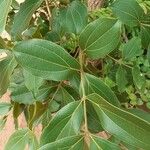
Cinchona calisaya
Ledgerbark · Quinine · Yellow cinchona · Chinabark · Yellowbark
Description
Source: leafsnapCinchona calisaya is a species of shrub or tree in the family Rubiaceae. It is native to the forests of the eastern slopes of the Andes, where they grow from 200–3,300 metres (660–10,830 ft) in elevation in Peru and Bolivia.
Care Guide
💧 Water
☀️ Light Full sun
Continuous exposure to light decidedly advantages quinine, promoting robust and vigorous growth. While it can cope with lower light intensity, having an abundant amount to soak up aids in its flourishing. In its original environment of forest openings, it would encounter both plentiful and limited light exposure. Excessive or insufficient lighting could potentially result in arrested development or drooping leaves, respectively.
What are the sunlight requirements for plants?
Plants have different sunlight requirements to thrive. Full sun plants need above 6 hours of sunlight, while partial sun plants require about 3-6 hours of sunlight. It's important to watch how sunlight moves through your garden to choose spots that provide the perfect balance of light and shade for your plants. This ensures their happiness and healthy growth.
What essentials do I need to know about quinine plant care?
Quinine benefits greatly from constant exposure to a source of light which favors healthy, hearty growth. It can manage with less light intensity, but ample light helps it thrive. In its native habitat, it experiences a mix of light exposure. Insufficient or excessive light could lead to stunted growth or wilted leaves. For indoor plants, artificial lighting can be crucial, especially in less sunny spaces or during winter. LED lights are preferred for their ability to provide specific wavelengths needed by plants. The right amount of artificial light and its correct placement and duration are key to promoting faster, healthier growth.
What are the symptoms of light deficiency in plants?
Insufficient lighting can lead to various symptoms in plants, including smaller new leaves, leggy or sparse growth, faster leaf drop, slower or no new growth, lighter-colored new leaves, chlorosis, sunscald, leaf curling, wilting, and leaf scorching. These symptoms indicate the plant is not receiving the right amount of light needed for optimum growth and health.
How can I ensure my plants receive enough light?
To ensure plants receive enough light, gradually move them to a location where they get at least 6 hours of direct sunlight daily. Use a south-facing window for indoor plants and keep curtains open. If shifting the plant isn't feasible, consider using artificial light sources like desk lamps or plant grow lights for at least 8 hours a day. For outdoor plants, finding the best sunlight spot and avoiding sudden changes in light intensity is crucial to prevent sunburn. It's also recommended to minimize obstructions like trees by pruning and transplanting smaller plants during their dormant period to spots with sufficient sunlight and good drainage.
🌡️ Temperature 20–37.8°C
Quinine is a plant indigenous to areas where the temperature fluctuates between 68 and 100 °F (20 to 38 ℃). It flourishes in hot weather and might need methods for retaining heat during chillier periods.
What is the ideal temperature range for growing Quinine?
Quinine thrives in a native temperature range of 68 to 100 °F (20 to 38 °C). It is a heat-loving plant and requires measures to conserve heat in cooler seasons. During winter, it's beneficial to maintain temperatures above 20°C to support the plant's growth, while any temperatures nearing 5°C can be harmful.
What should I do with my outdoor Quinine plant in autumn?
In autumn, it is recommended to bring your outdoor-grown Quinine plant indoors to protect it from the cold. Place it near a bright window to ensure it receives enough light but keep it away from heaters to avoid heat damage. This helps in maintaining the required warmth without harming the plant.
How does low temperature affect Quinine plants and what are the solutions?
Quinine plants prefer warm temperatures and do not tolerate low temperatures well. They thrive best when the temperature is above 20°C. Exposure to temperatures below 1°C can cause the leaves to lighten in color, and frost damage can turn them brown or black, leading to wilting and drooping. To remedy this, trim off the frost-damaged parts and move the plant to a warm environment indoors, preferably near a south-facing window for ample sunlight, while avoiding excessive dryness by keeping it away from heaters or air conditioning vents.
What happens when Quinine plants are exposed to high temperatures and how can I protect them?
During summer, it is important to keep Quinine plants below 38°C to prevent heat stress. Exposure to temperatures above 43°C can lighten the color of the leaves and make the plant more prone to sunburn. To protect your Quinine plant, trim away the sunburned and dried-up parts, and relocate it to a spot that is shaded from the midday and afternoon sun. It's also beneficial to water the plant in the morning and evening to keep the soil moist and help the plant stay hydrated.
💨 Humidity
🪴 Soil 4-6
🌱 Fertilizer
It's vital to fertilize Quinine for its maintenance. Consistent nourishment throughout the growth period provides the necessary energy for its vibrant leaves and contributes to its general development. Failure to fertilize can lead to leaf deterioration, reduced aesthetic charm, and fragile or hindered growth susceptible to damage.
🪴 Pot & Repot
✂️ Pruning
Pruning quinine in the winter offers several benefits. By removing dead branches and thinning out overcrowded areas, you can improve both air circulation and light penetration. This practice not only enhances the plant's shape and vigor but also boosts its productivity. As a result, new growth is encouraged, allowing for the sustainable harvesting of quinine's valuable components.
🌿 Propagating
🐛 Diseases & pets
☠️ Toxicity
Characteristics
- Plant Type
- Tree, Shrub
- Life Cycle
- Perennial
- Genus
- Cinchona
- Family
- Rubiaceae
- Hardiness Zone
- 10-12
- Mature Height
- 6.1 m to 24.38 m
- Mature Spread
- 4.88 m to 7.92 m
- Leaf Color
- Dark Green, Forest Green
- Leaf Type
- Evergreen
- Flower Color
- White
- Flower Size
- 1.02 cm to 2.03 cm
- Bloom Time
- Summer
- Planting Time
- Spring
- Harvest Time
- Late summer, Early fall, Mid fall
- Native Area
- Bolivia, Peru