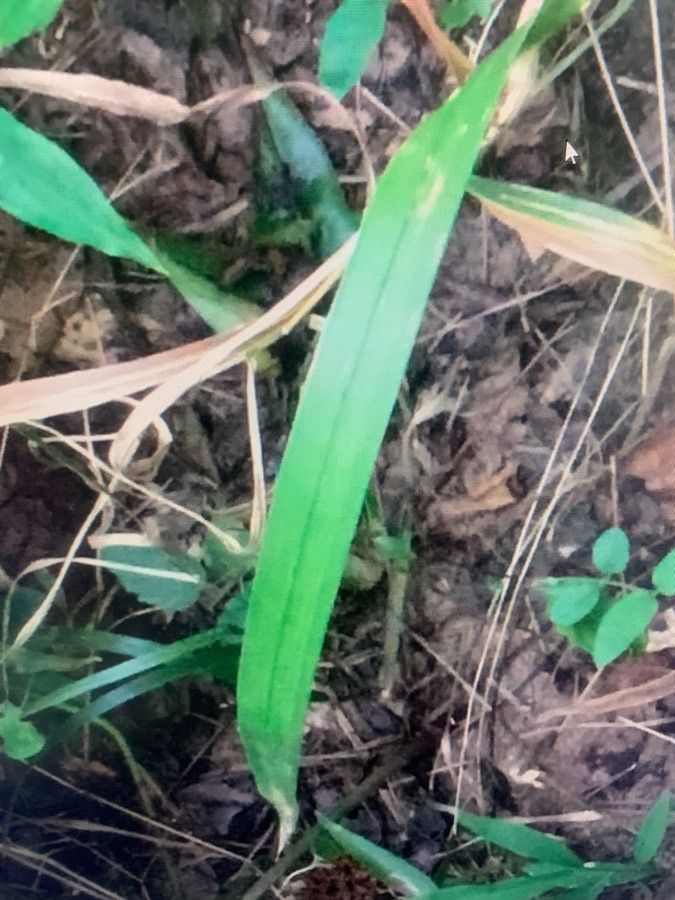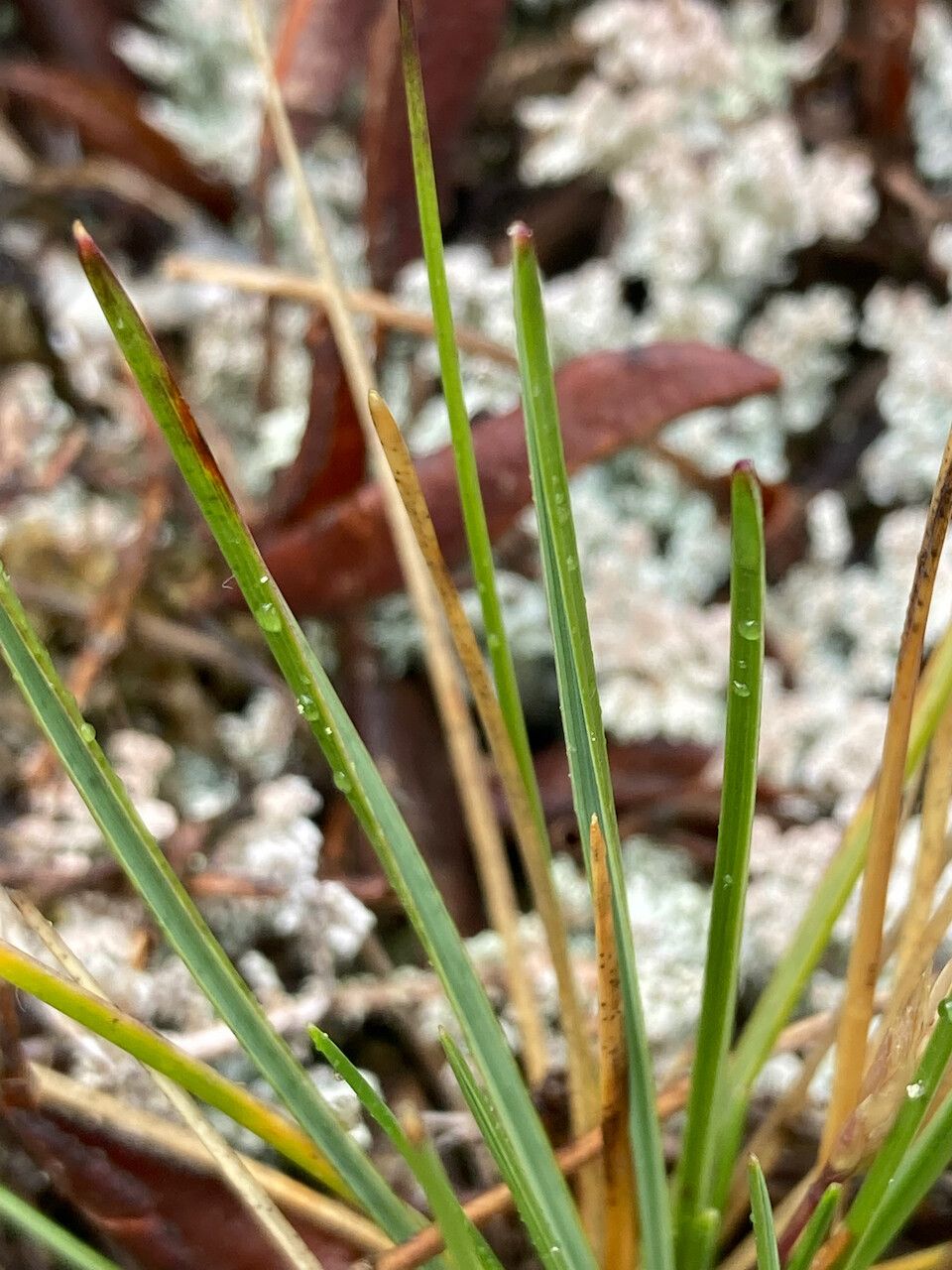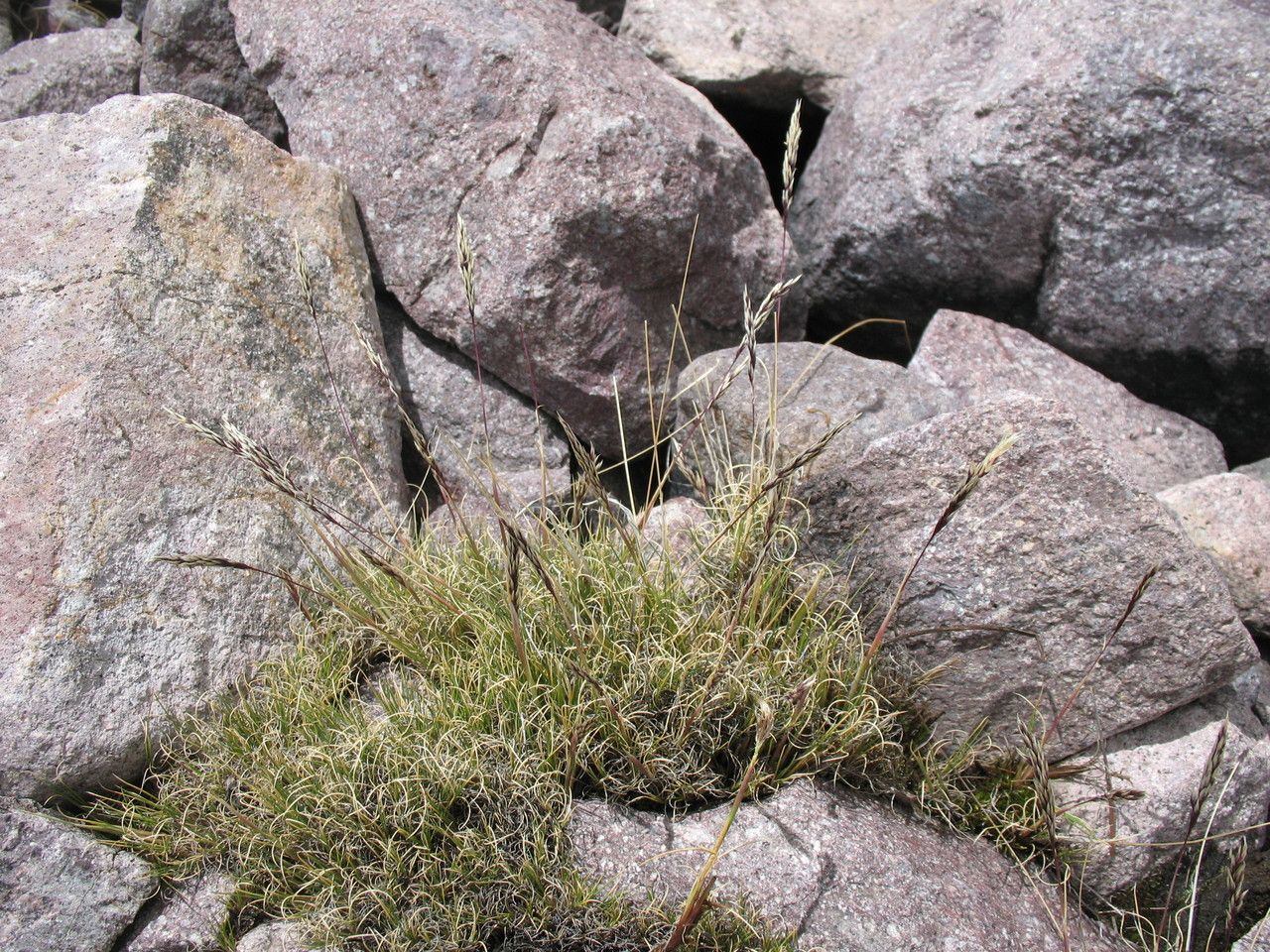
Cinna latifolia is a species of grass known by the common name drooping woodreed. It is a native bunchgrass to the Northern Hemisphere, where it has a circumboreal distribution. It grows in moist habitat, such as forest understory and riverbanks. It reaches nearly two meters in maximum height. The inflorescence is an open array of spikelets generally green to purple-tinted in color. It flowers in late summer and fall.
Drooping woodreed has strong resistance to disease and is generally not susceptible to illnesses. With respect to care, this plant is fairly low-maintenance. When grown outdoors it needs only minimal watering, and larger specimens typically do not require pruning. Smaller plants, however, should be pruned after they finish blooming. Drooping woodreedt is appropriate for anyone with an outdoor area, such as a garden or deck, and does not call for a great deal of gardening experience.
How to keep Cinna Latifolia.
Light
The drooping woodreed flourishes where there is plenty of sunlight, indicating it is a plant that has a strong preference for extensive exposure to the sun. Yet, it also shows a capacity to bear moderate light conditions, implying a level of adaptability in its requirement for sunlight. Having evolved in areas where constant light was preferred, insufficient lighting can impede its growth, and excessive light might conceivably damage it.
Water
Drooping woodreed originates from moist, temperate regions and thrives best when regularly watered without becoming waterlogged. It prefers weekly watering, showing flexibility in different soil moisture conditions. Keeping the soil consistently moist, particularly during the growing season, is crucial for the plant's health and growth.
Temperature
The Drooping woodreed is native to areas that have moderate temperatures, generally ranging from 41 to 77 °F (5 to 25 ℃). These plants prefer chillier weather conditions. During periods of intense heat or cold, slight changes in temperatures may be required for them to grow optimally.
Fertilizer
To encourage robust new growth, the drooping woodreed needs some extra nutrients. Applying compost around the base of the plant during the spring is an effective way to deliver these necessary nutrients. This kind of fertilization promotes strong growth and assists the plant in fighting off diseases and pests.
Pruning
Drooping woodreed is characterized by its slender, nodding stems and broad leaves. To maintain its health and appearance, prune in early spring. This allows you to remove dead stems, thin out crowded areas, and improve light penetration. By doing so, you promote healthy growth, improve air circulation, prevent disease, and maintain the desired shape and vigor of the plant.
Botanical profile.
- Plant Type
- Grass
- Life Cycle
- Perennial
- Genus
- Cinna
- Family
- Poaceae
- Hardiness Zone
- 5
- Mature Height
- 0.61 m to 1.83 m
- Mature Spread
- 30 cm to 61 cm
- Leaf Color
- Green, Dark Green
- Leaf Type
- Deciduous
- Flower Color
- White, Yellow, Green, Brown
- Flower Size
- 1.02 cm
- Bloom Time
- Early summer, Mid summer
- Planting Time
- Summer
- Harvest Time
- Late summer, Early fall
- Native Area
- Russia, Lithuania, Norway, Sweden, Japan, Mongolia, Finland, Estonia, Koppen, South Korea, Latvia, Belarus, China
Other names.
Reader questions.
What are the sunlight requirements for Drooping woodreed?
Drooping woodreed, or Cinna latifolia, thrives in conditions of abundant sunshine, preferring above 6 hours of sunlight (full sun) daily for optimal growth. However, it can also tolerate partial sun, characterized by about 3-6 hours of sunlight. It's important to observe the movement of sunlight through your garden to find spots that offer the right balance of light and shade. In environments with insufficient natural light, artificial lighting can serve as an effective supplement, especially in winter or less sunny spaces. Choosing the right type of artificial light, such as LED lights, and ensuring the correct wattage—30-50W/sq ft for full sun plants, 20-30W/sq ft for partial sun plants—is crucial. Moreover, the duration and distance of the light source should mimic natural sunlight conditions as closely as possible.
What is the ideal temperature range for Drooping woodreed?
Drooping woodreed, known botanically as Cinna latifolia, thrives in environments where temperatures are moderate, ideally between 41 to 77 °F (5 to 25 °C). These plants favor cooler weather, suggesting that adjusting care slightly during extreme heat or cold can promote thriving growth.
What symptoms indicate that my Drooping woodreed is not getting enough light?
Symptoms of light deficiency in Drooping woodreed include smaller new leaves, leggy or sparse growth, faster leaf drop, slower or halted new growth, paler new leaves, and symptoms of overexposure like chlorosis, sunscald, leaf curling, wilting, and leaf scorching. These symptoms result from inadequate lighting conditions, reflecting the plant's struggle to adapt to less than ideal light exposure. Appropriate action, such as adjusting the plant's location or using artificial lighting, is essential for its health and growth.
How does Drooping woodreed handle cold weather?
Drooping woodreed is highly tolerant of cold temperatures and does not require additional frost protection measures during the winter. However, it is advisable to water the plant generously before the first freeze in autumn. This practice helps ensure the soil remains moist and enters a frozen state, preventing drought and water scarcity for the plant during winter and early spring.
How can I address and prevent lighting issues with my Drooping woodreed?
To optimize Drooping woodreed's growth in terms of lighting, gradually introduce the plant to sunnier locations until it receives the minimum required sunlight—this applies to both indoor and outdoor plants. For indoor plants, consider using artificial lighting if natural light is insufficient; keep lights on for 8-12 hours daily. For outdoor plants, a gradual transition helps prevent sunburn. Address environmental obstructions by pruning or transplanting to brighter locations with good drainage. While damaged parts of the plant may not recover, new growth should flourish with improved light exposure.
What should I do if temperatures drop below -25°C in winter for Drooping woodreed?
Although Drooping woodreed is extremely cold-tolerant, winter temperatures should ideally remain above -25°C. If temperatures do fall below this threshold, you might not notice immediate changes during winter, but there could be a decrease in sprouting or even failure to sprout come spring. In these instances, it's recommended to remove any parts of the plant that have failed to sprout in spring.
How should I care for Drooping woodreed in high temperatures?
Drooping woodreed struggles with high temperatures, particularly when the thermometer climbs above 25°C, leading to halted growth and increased susceptibility to rot. To protect and care for the plant in such conditions, trim away any sunburned and dried-up parts. Relocate the plant to a shaded area to avoid midday and afternoon sun, or use a shade cloth to protect it. Additionally, water the plant in the early morning and evening to help keep the soil moist, which is critical for its health during hot spells.