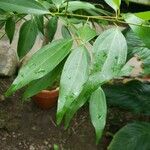
Cinnamomum cassia
Padang cassia · Batavia cinnamon
Description
Source: leafsnapCinnamomum cassia, called Chinese cassia or Chinese cinnamon, is an evergreen tree originating in southern China, and widely cultivated there and elsewhere in South and Southeast Asia (India, Indonesia, Laos, Malaysia, Thailand, and Vietnam). It is one of several species of Cinnamomum used primarily for their aromatic bark, which is used as a spice. The buds are also used as a spice, especially in India, and were used by the ancient Romans. The tree grows to 10–15 m (33–49 ft) tall, with greyish bark and hard, elongated leaves that are 10–15 cm (3.9–5.9 in) long and reddish when young.
Care Guide
💧 Water
Chinese cinnamon, which is native to subtropical regions, thrives in environments with balanced moisture and moderate humidity. To simulate its natural conditions, water the plant every 2 to 3 weeks. Proper management of soil moisture is crucial to avoid waterlogging, as this can damage root health and diminish the quality of the spice.
☀️ Light Full sun
Chinese cinnamon requires plentiful light to achieve its healthiest growth. It can also tolerate low-light areas, though with reduced vigour. Excessive light, however, can impede growth, while insufficient light may cause poor development. The species originated in habitats characterised by abundant sunlight.
What are the sunlight requirements for Chinese Cinnamon?
Chinese Cinnamon requires full sun exposure for more than 6 hours a day to thrive best, though it can also grow under partial sun conditions, meaning it will survive with about 3-6 hours of sunlight a day. It's crucial to observe how sunlight moves through your garden to find spots that offer an ideal balance of light and shade, ensuring the well-being of your plants.
How does insufficient or excessive light affect Chinese Cinnamon?
The Chinese Cinnamon plant thrives best with abundant light exposure, originating from environments with plenty of solar radiation. However, while it can tolerate areas with less light, albeit with reduced vigour, too much sunlight can actually inhibit its growth. On the other hand, a lack of sufficient light can lead to underdevelopment. For indoor plants, artificial lighting can be a vital solution in spaces with insufficient natural light or during winter, with LED lights being a popular choice due to their customizable wavelength output. Typically, full sun plants require 30-50W/sq ft, partial sun plants need 20-30W/sq ft, and full shade plants need 10-20W/sq ft of artificial light.
What are common symptoms of light deficiency in Chinese Cinnamon?
When Chinese Cinnamon does not receive enough light, especially indoors during winter, several symptoms can manifest. New leaves might grow smaller, and the plant can exhibit leggy or sparse growth due to elongated spaces between leaves or stems. Early leaf drop is another symptom, as the plant sheds older leaves to conserve energy. Additionally, growth may pause or stop if the plant enters survival mode due to insufficient light. Pale new leaves or chlorosis, indicating a lack of chlorophyll, along with sunscald, leaf curling, wilting, and leaf scorching from excessive sunlight, are also common issues.
How can I remedy light deficiency problems in Chinese Cinnamon?
To address light deficiency in Chinese Cinnamon, gradually increasing sunlight exposure is key. For indoor plants, move them closer to a south-facing window, ensuring they get at least 6 hours of direct sunlight daily, or supplement with artificial light, like a desk or ceiling lamp, for minimum 8 hours daily. For outdoor plants, also gradually increase sunlight exposure by moving them week-by-week to sunnier spots to prevent sunburn. If natural sunlight is obstructed, consider pruning trees that cast shade or transplanting smaller plants to sunnier locations during their dormant period for better growth. Remember, while increasing light can promote healthy new growth, parts of the plant already damaged by insufficient light may not recover.
🌡️ Temperature 20–37.8°C
Chinese Cinnamon is native to temperate climates and grows best in temperatures between 68 to 100 °F (20 to 38 ℃). Its temperature should be monitored, particularly in winter and summer. Protect it from extreme cold and excessive heat exposure.
What is the ideal temperature range for Chinese Cinnamon?
Chinese Cinnamon thrives in temperate climates with the ideal temperature range being between 68 to 100°F (20 to 38°C). It is essential to monitor the temperatures closely throughout the year, especially during winter and summer, to protect the plant from extreme cold and heat exposures. Maintaining the temperature above 20°C during winter benefits the plant's growth, while any temperatures nearing 5°C can be detrimental.
How should Chinese Cinnamon be cared for during winter?
In winter, it is crucial to keep Chinese Cinnamon in a warm environment, as the plant prefers temperatures above 20°C and should not be exposed to temperatures below 5°C. If the plant is grown outdoors, it's recommended to bring it indoors in autumn and place it near a bright window. However, ensure it's kept at a safe distance from heaters to avoid damage from excessive heat and dry air. Protecting the plant from cold by maintaining warm temperature conditions is vital for its survival and health during the colder months.
What are the symptoms of low temperature exposure in Chinese Cinnamon and their solutions?
Exposure to low temperatures can lead to certain symptoms in Chinese Cinnamon, such as leaves lightening in color when temperatures fall below 1°C and, following frost damage, the color gradually turning brown or black. Symptoms such as wilting and drooping may also occur. To mitigate these effects, frost-damaged parts should be trimmed off and the plant should be moved indoors to a warm environment immediately. It is also advised to place the plant near a south-facing window for ample sunlight, while avoiding the proximity to heaters or air conditioning vents to prevent air dryness.
What are the symptoms of high temperature exposure in Chinese Cinnamon and their solutions?
During summer, Chinese Cinnamon should be maintained at temperatures below 38°C to prevent damage. Exposure to temperatures exceeding 43°C may result in lighter leaf colors and an increased risk of sunburn. To address this, trim away the sunburned or dried-up parts of the plant. Relocate the plant to an area with shade from the midday and afternoon sun. Additionally, watering the plant in the morning and evening helps keep the soil moist and supports the plant's health during high temperature periods.
💨 Humidity
🪴 Soil 6-7
🌱 Fertilizer
Fertilizing is essential for the care of Chinese Cinnamon. Regular feeding during the growing season preserves the energy needed for its showy leaves and supports overall growth. Failing to fertilize can lead to unhealthy leaves, reduced ornamental value, and stunted or weak growth that is prone to breaking.
🪴 Pot & Repot
✂️ Pruning
Chinese Cinnamon is a hardy and aromatic tree, prized for its fragrant bark. To maintain and improve this tree's health, it's important to prune it between early and late winter. This helps remove dead branches and improves air circulation. Regular pruning not only promotes growth but also enhances the quality of the bark. Make sure to always use sterilized tools to prevent disease, and follow advice from reputable horticultural sources to ensure best practices.
🌿 Propagating
🐛 Diseases & pets
☠️ Toxicity
Characteristics
- Plant Type
- Tree
- Life Cycle
- Perennial
- Genus
- Cinnamomum
- Family
- Lauraceae
- Hardiness Zone
- 10-11
- Mature Height
- 10.06 m to 14.94 m
- Mature Spread
- 10.36 m
- Leaf Color
- Dark Green, Forest Green
- Leaf Type
- Evergreen
- Flower Color
- Yellow, Green
- Flower Size
- 0.51 cm
- Bloom Time
- Mid spring, Late spring
- Planting Time
- Spring, Summer, Autumn
- Harvest Time
- Late summer, Early fall, Mid fall
- Native Area
- China