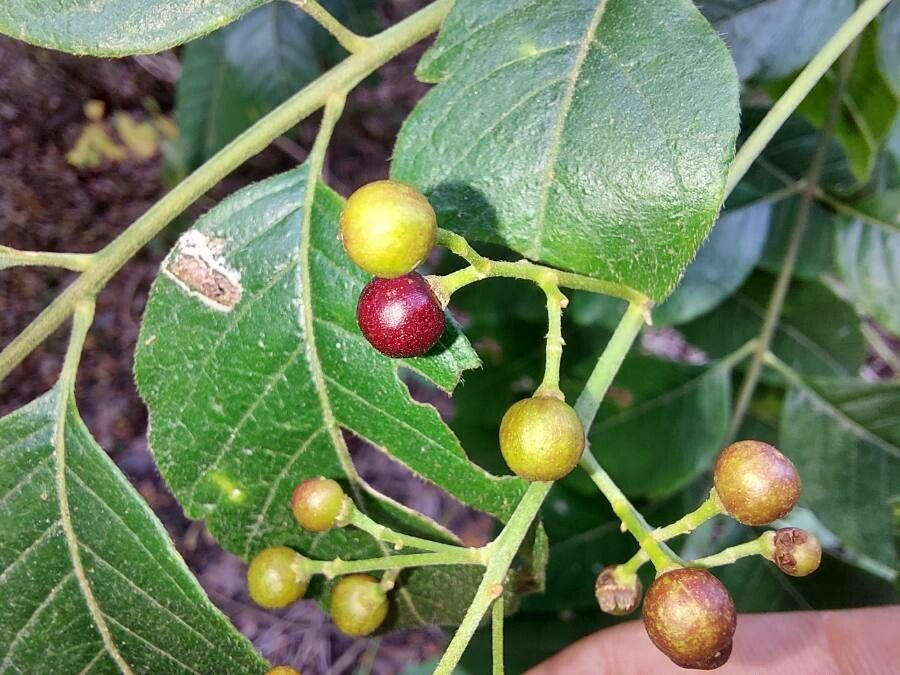
Cipadessa is a genus of plants belonging to the family Meliaceae. Cipadessa is monotypic, with the single species Cipadessa baccifera. The species is endemic to Western Ghats of India and Sri Lanka. It is a host plant for many moth species.
Ranabili shows strong resistance to disease and is generally not susceptible to illnesses. For care, this plant is fairly low maintenance. When grown outdoors it needs only light watering, and larger plants usually do not require pruning. Smaller plants, however, should be pruned after they have bloomed. Ranabilit is appropriate for anyone with outdoor space, such as a garden or a deck, and does not demand much prior care experience.
How to keep Cipadessa Baccifera.
Light
Ranabili is native to habitats like forest understories or rocky areas, where it grows in natural shade. It prefers partial sun but can tolerate both full sun and full shade, showing its adaptable, hardy nature.
Water
Ranabili thrives best in conditions similar to its native habitat. It shows a strong tolerance for drought, as long as its moisture levels are carefully balanced. Water the plant every 2 to 3 weeks, allowing the soil to dry out completely between waterings. Ideally suited for outdoor growth, ranabili excels in areas with irregular rainfall, making it perfect for xeriscaping and low-water gardens.
Temperature
Ranabili comes from tropical areas, where the weather is typically warm and humid. As a result, it is well suited to high temperatures and humidity. It dislikes sudden temperature shifts and prefers a steady thermal environment, so it is important to prevent temperature fluctuations indoors. It generally cannot tolerate cold and needs higher temperatures to grow. If the ambient temperature falls too low, the plant may stop growing or even die.
Fertilizer
The best time to fertilize a Ranabili is in early spring, when it emerges from dormancy. This encourages overall growth and the development of flowers. Fertilizing improves the foliage, stems, and branches and promotes blooms that are larger, more vibrant, and longer-lasting. It also helps transfer nutrients from the roots to the flowers and enhances the plant's health and resistance to disease.
Pruning
Prune ranabili during its dormant phase, from early to late winter, to shape the plant and remove dead branches, which encourages healthy growth. Light pruning supports berry production and helps maintain the plant’s size. Always use clean, sharp tools to promote a strong and healthy plant structure.
Botanical profile.
- Plant Type
- Shrub
- Life Cycle
- Perennial
- Genus
- Cipadessa
- Family
- Meliaceae
- Hardiness Zone
- 10-12
- Mature Height
- 0.91 m to 3.96 m
- Mature Spread
- 2.13 m to 3.96 m
- Leaf Color
- Dark Green, Forest Green
- Leaf Type
- Evergreen
- Flower Color
- White
- Flower Size
- 0.25 cm to 0.51 cm
- Bloom Time
- Late spring, Early summer, Mid summer
- Planting Time
- Spring, Summer, Autumn
- Harvest Time
- Late summer, Early fall, Mid fall
- Native Area
- Nepal, Sri Lanka, India, Malaysia, Indonesia, Vietnam, Myanmar, Philippines, Bhutan, Bangladesh, Laos, Thailand, China
Reader questions.
What are the sunlight requirements for plants?
Plants have varying sunlight requirements to thrive. Partial sun refers to areas that receive about 3-6 hours of sunlight daily, while full sun areas receive more than 6 hours of sunlight. It's important to observe the movement of sunlight through your garden to identify spots that offer an ideal balance of light and shade, ensuring your plants grow healthy and happy.
What is the native environment of Ranabili and its sunlight needs?
Ranabili, botanically known as Cipadessa baccifera, is native to environments such as forest understories or rocky areas where it's mostly shaded. This perennial herbaceous plant prefers partial sun but can also tolerate full shade, showcasing its versatility.
How can artificial lighting benefit indoor plants, and what guidelines should be followed?
Indoor plants require adequate lighting to grow optimally, especially in conditions where natural sunlight is insufficient, like during winter or in less sunny spaces. Artificial lights, such as LED lights tailored to provide specific wavelengths, can significantly promote healthier growth. For full sun plants, 30-50W/sq ft of artificial light is suitable; partial sun plants need 20-30W/sq ft, and full shade plants require 10-20W/sq ft. The light source should be placed 12-36 inches above the plant, and the duration should mimic natural daylight hours, typically 8-12 hours per day.
What are the symptoms of light deficiency in Ranabili when grown indoors?
When Ranabili is grown indoors with insufficient light, several symptoms may appear indicating light deficiency. These include smaller new leaves, leggy or sparse growth, faster leaf drop, slower or halted growth, lighter-colored new leaves, chlorosis, sunscald, leaf curling, wilting, and leaf scorching. These symptoms point to the need for better light management to ensure the plant's health.
What are effective solutions for managing light deficiency in both indoor and outdoor settings?
To manage light deficiency, gradually acclimate your plant to sunnier conditions by relocating it to areas with more sunlight each week, whether indoors or outdoors, to avoid shock. Use artificial lighting for indoor plants that are large or immobile, ensuring they get at least 8 hours of light daily, or opt for professional grow lights. For outdoor plants, move them to sunlight-rich spots gradually to prevent sunburn. Note that parts of the plant already affected may not recover, but new growth should be healthy. Additionally, reducing obstructions like overhanging branches can help, and for smaller plants, consider transplanting during their dormant period to a location with better light.