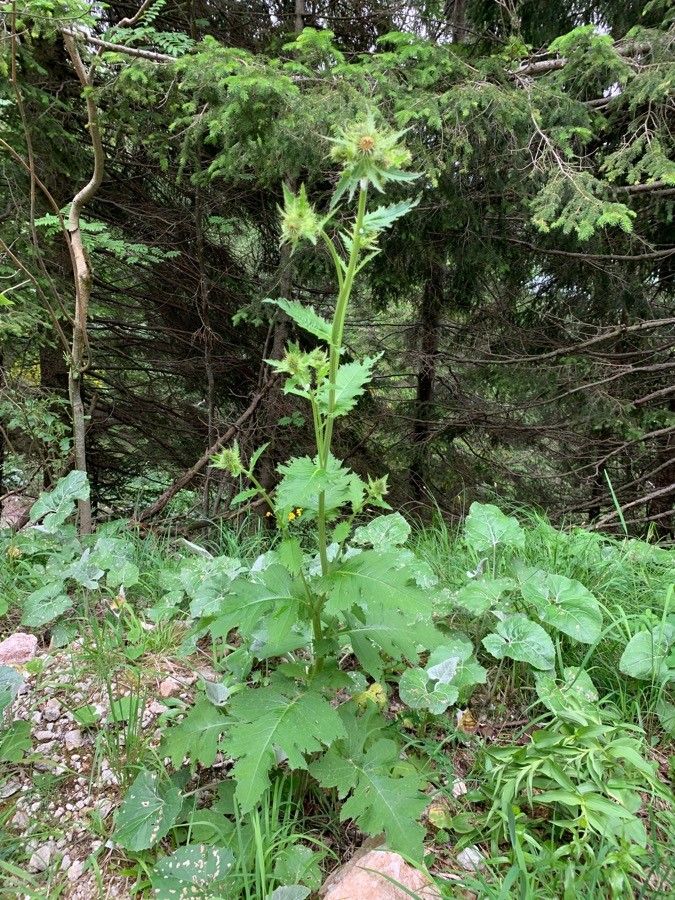
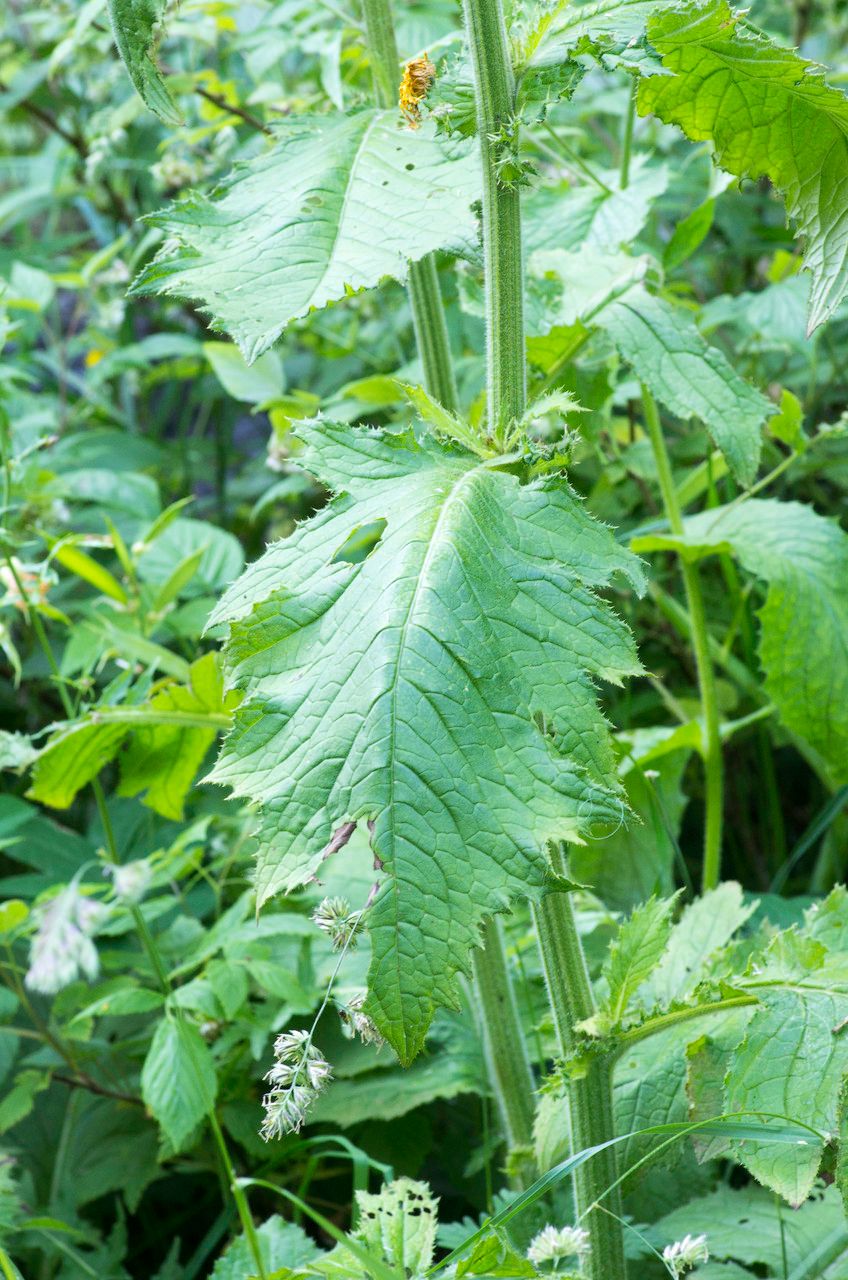
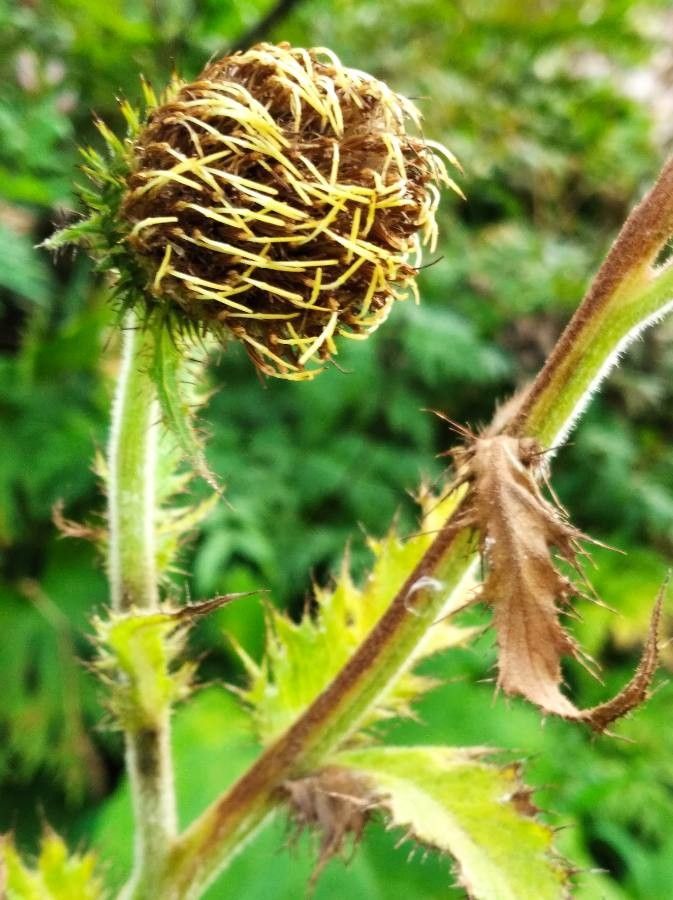
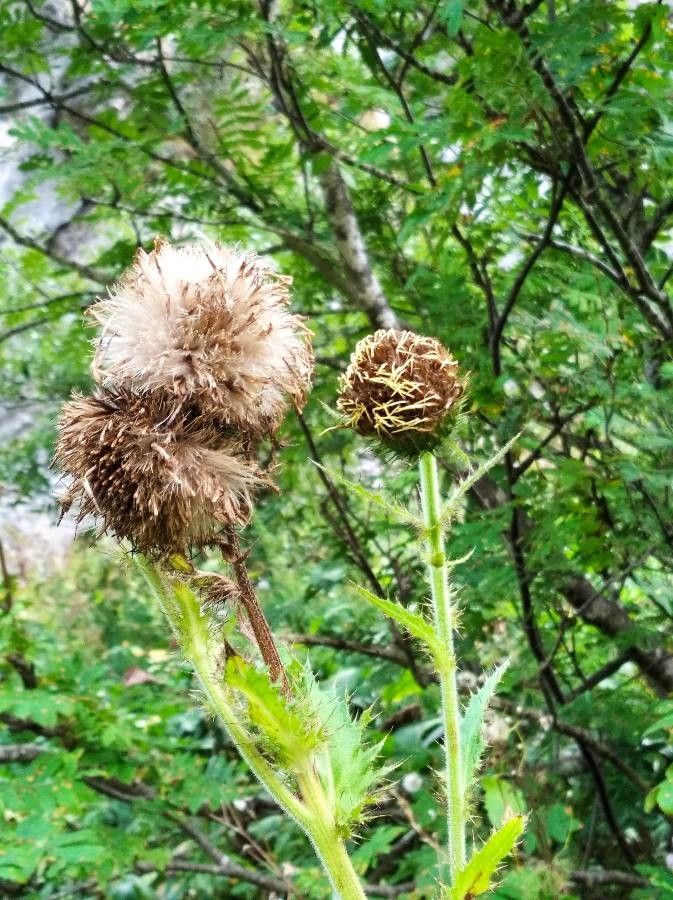
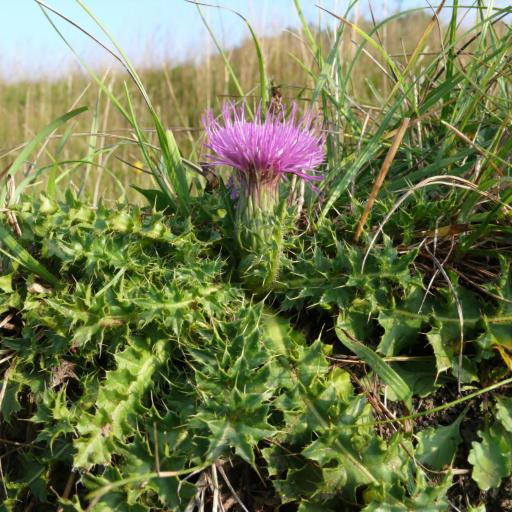
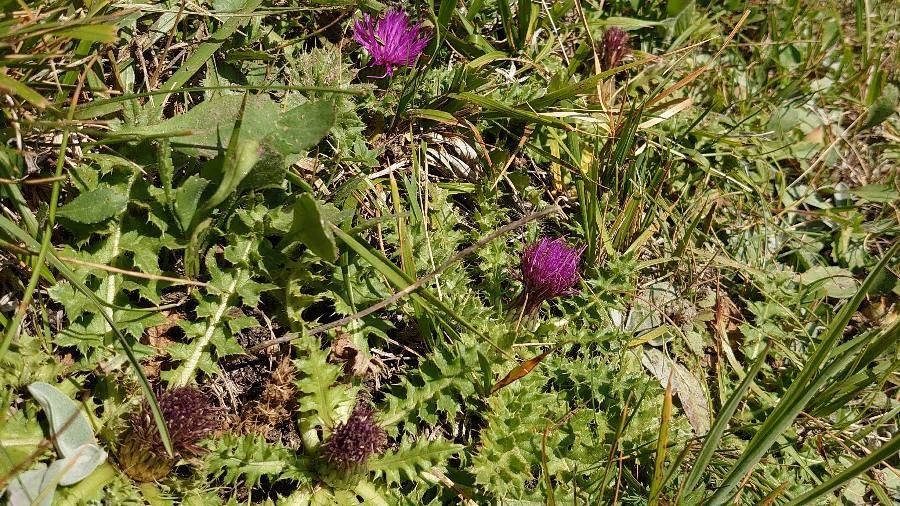
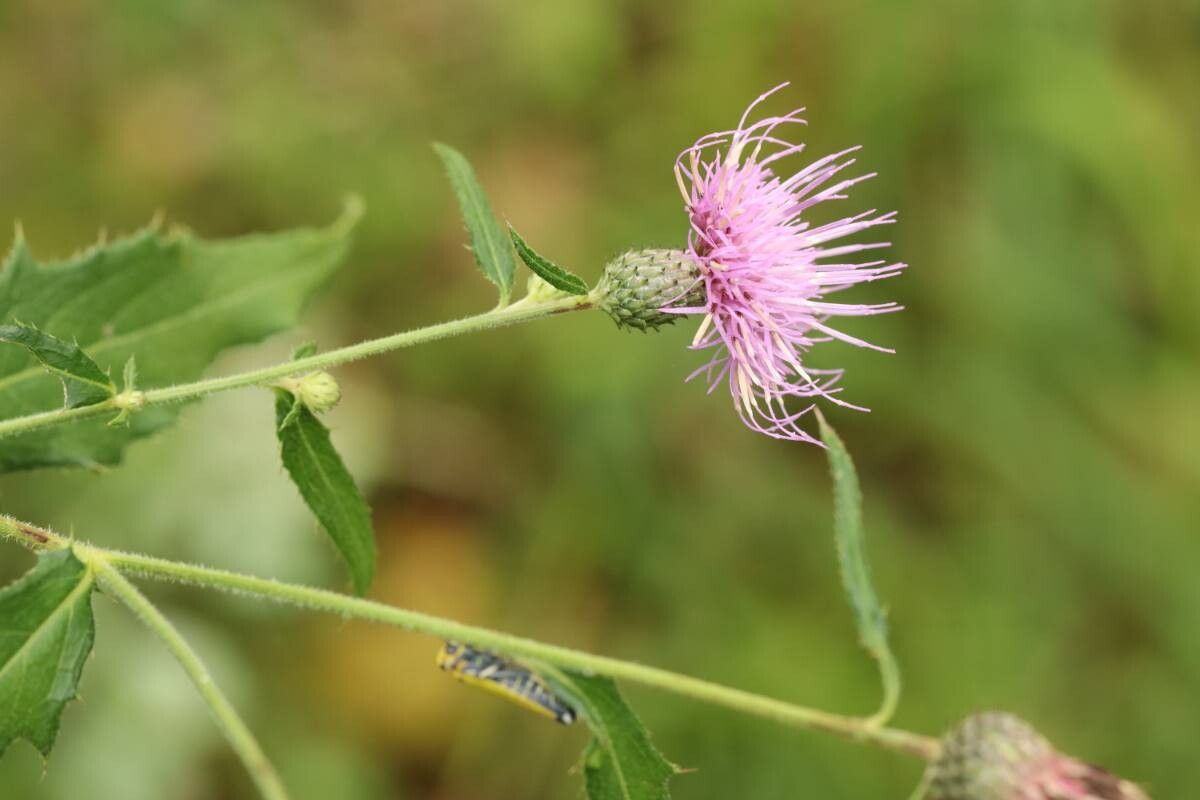
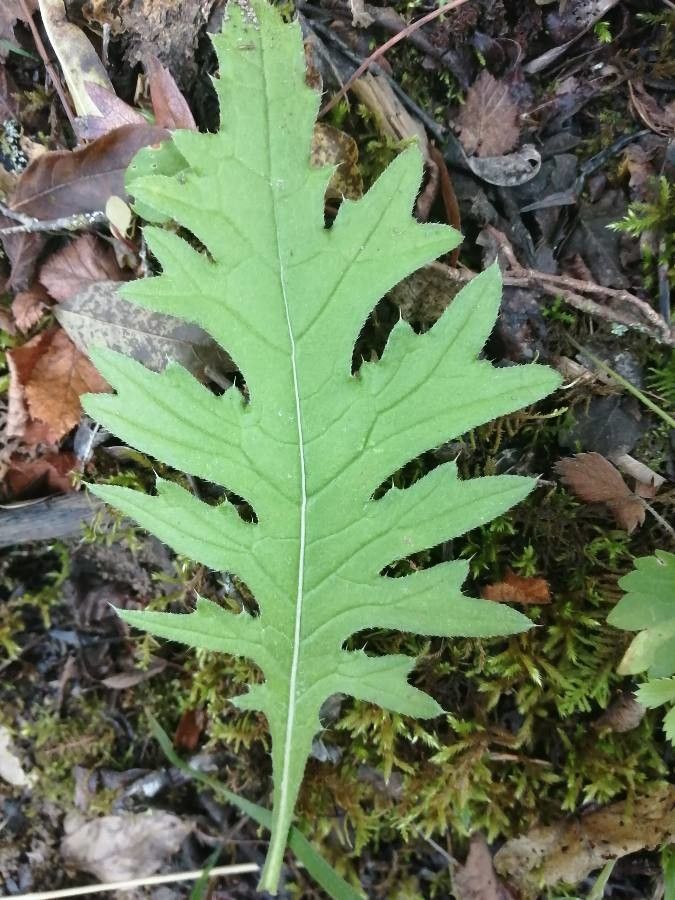
Brook thistle is fairly resistant to disease and generally does not tend to suffer from illnesses. Nonetheless, it can be vulnerable to pests and diseases present in its surroundings. Such infections are usually not severe. Regarding care, this plant requires moderate maintenance. Regular pruning is necessary to maintain a good appearance and support healthy growth. Fertilizing can also help encourage flowering. Brook thistle is suitable for anyone with outdoor space, such as a garden or patio, and does not demand extensive care experience. It may need more attention when grown indoors.
How to keep Cirsium Carniolicum.
Light
Brook thistle performs best with ample daily sunlight, which is associated with its growth and well-being. Its native environment is open, exposed sites, implying a liking for abundant unobstructed light. Both insufficient and excessive light can harm the plant's vigor and development.
Water
Carnic thistle, native to alpine regions, flourishes in slightly moist, cool environments. While it can withstand moderate drought, it grows best with weekly watering. When grown outdoors, it benefits from natural rainfall, which helps promote its seasonal growth cycle.
Temperature
Brook thistle is native to habitats with temperatures ranging from 41 to 95 °F (5 to 35 °C). It does best in mild seasons but can tolerate cold winters. In severe climates, providing shelter over winter is recommended.
Fertilizer
The best time to fertilize a Brook thistle is in early spring, as it comes out of dormancy and begins active growth. Fertilizing supplies essential nutrients needed for healthy development. Even though Brook thistle requires relatively little fertilization, applying fertilizer once a year can improve its chances of survival and encourage stronger, longer-lasting blooms.
Pruning
To help the Carnic thistle thrive, it is beneficial to prune it from early to late spring. This practice not only promotes growth but also helps control its spread. Be sure to remove any dead stems and spent flowers, as this improves air circulation and prevents disease. Additionally, cutting back to the basal rosettes encourages vigorous regrowth and keeps the plant looking neat and tidy.
Botanical profile.
- Plant Type
- Herb
- Life Cycle
- Perennial
- Genus
- Cirsium
- Family
- Asteraceae
- Hardiness Zone
- 5-9
- Mature Height
- 1.52 m
- Mature Spread
- 61 cm
- Leaf Color
- Green, Silver
- Leaf Type
- Deciduous
- Flower Color
- Purple
- Flower Size
- 3.05 cm
- Bloom Time
- Summer
- Planting Time
- Spring, Summer, Autumn
- Harvest Time
- Late summer, Early fall, Mid fall
- Native Area
- Austria, Czech Republic, Slovakia, Montenegro, Poland, Croatia, Slovenia, Belarus, Ukraine, Serbia, Russia, Lithuania, Hungary, Germany, Spain, Switzerland, Albania, United Kingdom, Romania, France
Other names.