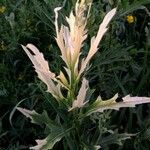
Cirsium discolor
Field thistle · Pasture Thistle
Description
Source: leafsnapCirsium discolor, commonly known as the field thistle, is a perennial plant that belongs to the Asteraceae family. Native to North America, it thrives in various habitats such as prairies, meadows, and open woods. The plant can grow up to 6 feet tall and features a stout stem with deeply lobed, spiny leaves. The flowers of Cirsium discolor are pinkish-purple and bloom from June to September. They form clusters at the top of the stem and attract numerous pollinators, including bees, butterflies, and hummingbirds. Field thistle has been used for medicinal purposes by Native Americans to treat various ailments such as headaches, stomachaches, wounds, and fever. The roots were also consumed as tea or eaten raw. Cirsium discolor plays a significant role in supporting biodiversity by providing food sources for pollinators like bees, which aid in crop production. It also serves as a host plant for several butterfly species, including painted lady butterflies. Despite its benefits to wildlife conservation, Cirsium discolor is considered an invasive species outside its native range. It can outcompete other plants, causing ecological imbalances if not properly managed. Appropriate measures such as herbicide application or manual removal, depending on local regulations, are necessary to control its spread in regions where it occurs outside its natural distribution range.
🌳 Even though it looks spiny, field thistle is vital to the life cycles of many butterfly and moth species. Its leaves and flowers provide a nutritious food source for the larvae of these insects, including some rare and endangered species. Field thistle’s role in supporting the survival of certain Lepidopteran insects is a striking example of nature’s interconnectedness and indicates potential for conservation efforts.
🎭 Power, Defense, Removing Hexes
Care Guide
💧 Water Every 7 days
Field thistle, which comes from temperate regions, thrives in moderately moist environments. It prefers consistent watering but does not tolerate waterlogging. To keep it healthy, water it weekly. During dry spells, additional watering can help promote flowering and growth throughout the season.
What should I do if I give my Field thistle too much or too little water?
Overwatering can be harmful to the health of your Field thistle, causing wilting, yellowing leaves, and potential diseases like root rot, mold, and mildew. It is a common issue that needs to be recognized early and addressed promptly. On the other hand, Field thistles have good drought tolerance, so underwatering is less common but still possible. In such cases, the leaves may become brittle and brown. To prevent overwatering, reduce watering immediately if you notice early signs and consider using well-draining soil. If underwatering is the problem, simply water more regularly until the signs improve.
How often do I need to water my Field thistle?
To determine if your potted Field thistle needs water, simply check the top two to three inches of soil. If it feels dry, it's time to water. The same goes for Field thistle grown in the ground – when the top layer of soil dries out, it's time to water. In the spring and early fall, watering once a week is usually sufficient. During extreme heat, increase watering to about twice a week or more. It's worth noting that mature Field thistle plants can often withstand drought.
How much water does my Field thistle plant need?
When watering your Field thistle, don't hold back on the amount of water you give. Make sure the top few inches of soil are dry before watering and then give it a good, thorough soaking. You want the water to completely saturate the soil and drain out through the bottom of the pot. If you don't see excess water draining, you may not have given enough water. Just be careful not to let the water accumulate in the soil, as that can harm the plant. Also, if you notice that water isn't draining well, it may be a sign of poorly draining soil, which is not good for the health of the plant. If the plant is outdoors, receiving about 1 inch of rain per week should be enough.
How should I give water to my Field thistle at different stages of growth?
The water needs of the Field thistle can change depending on its growth stages. In the first few years or after transplanting, it needs more water as it focuses on growing new roots. These roots require extra moisture to support future growth. After a few seasons, the thistle requires less water. Additionally, during the bloom period, the plant may need more water as the development of flowers requires significant moisture.
How do I water my Field thistle throughout the year?
The Field thistle has its highest water needs during the hottest months, typically in the summer. In order to prevent the soil from drying out too quickly, it may be necessary to water the plant more than once per week during this time. Conversely, during winter, the plant enters a dormant phase and requires much less water. In fact, it may not need any water at all during these months. However, if you do choose to water it, it is important to only do so about once per month. Over-watering during winter increases the risk of the plant getting sick.
☀️ Light Full sun
Field thistle grows best with abundant sunlight, although it can tolerate lower light levels and even habitats with limited sun. The range of light conditions in its wild environments lets it stay healthy. Both excessive and insufficient light can hurt its growth and vitality.
What are the sunlight requirements for Field Thistle?
Field thistle requires generous exposure to sunlight to thrive optimally. It is adaptable to various sunlight conditions, flourishing best under full sun, defined as above 6 hours of sunlight daily, but it can also grow in partial sun to full shade, meaning about 3-6 hours of sunlight. Notably, both excessive and insufficient light can negatively impact the plant's growth and vitality, emphasizing the importance of monitoring and adjusting the plant's exposure to sunlight as needed to ensure its health.
How does sunlight affect the growth and vitality of Field Thistle?
Sunlight plays a crucial role in the growth and vitality of Field Thistle, with the plant thriving in conditions that mimic its natural, uncultivated habitats. The plant can sustain growth under a wide range of sunlight conditions, from abundant direct sunlight to lower levels of light and even in areas where sunlight is scarce. However, both too much and too little light can impair the plant's growth, underlining the importance of providing the right balance of light for optimal health. Additionally, artificial lighting can be used to supplement natural sunlight, especially for indoor plants or in less sunny spaces, with LED lights being a popular choice due to their ability to be customized to the specific light needs of plants.
What are the common symptoms of light deficiency in Field Thistle?
Light deficiency in Field Thistle can manifest through several symptoms, including the development of smaller-than-usual new leaves, leggy or sparse growth characterized by elongated spaces between leaves or stems, faster droppage of older leaves to conserve resources, a halt in leaf production leading to slower or stopped growth, and the appearance of lighter-colored or irregularly-patterned new leaves indicating a lack of chlorophyll and essential nutrients. Additionally, chlorosis, or the loss of green color and yellowing of leaves due to chlorophyll breakdown from excessive sunlight, can occur, affecting the plant's ability to photosynthesize and thus its overall health.
How can you address the adverse effects of improper sunlight on Field Thistle?
To counteract the adverse effects of improper sunlight exposure on Field Thistle, several strategies can be employed. For indoor plants, gradually moving them to a sunnier location each week until they receive at least 6 hours of direct sunlight daily is recommended, utilizing a south-facing window for maximum light exposure. Artificial lighting can also be considered for plants that are not easily movable. For outdoor plants, a gradual transition to sunnier spots is key to preventing sunburn. This involves moving plants to a progressively sunnier location each week. Additionally, reducing obstructions to sunlight, such as pruning branches and leaves of trees blocking light or transplanting smaller plants to sunnier areas with ample sunlight and good drainage, can significantly improve sunlight access and encourage healthy new growth.
🌡️ Temperature 0–35°C
Field thistle is a plant adapted to temperatures between 68 and 95 °F (20 and 35 °C). Native to regions with moderate climates, it does well in warm conditions. Extreme temperatures can be harmful, and seasonal adjustments may be required to maintain optimal growth.
What temperature conditions are ideal for Field thistle?
Field thistle thrives in warm conditions, preferring temperatures between 68 and 95 °F (20 to 35 °C). It has a strong resistance to cold and can generally withstand the winter without special frost protection measures. However, in extremely cold environments where temperatures may drop below -40°C, additional protection like covering the plant with soil or straw is recommended. To help the plant through winter and early spring, it's advisable to water it abundantly before the first freeze in autumn, ensuring the soil remains moist.
What should I do if my Field thistle is exposed to low temperatures?
Field thistle can tolerate cold and prefers temperatures above 20°C. It's generally advised to keep it above 0°C during winter. If temperatures fall below -40°C, the plant may not show immediate damage, but you may notice a decrease in sprouting or no sprouting at all come springtime. In such cases, remove any parts of the plant that have failed to sprout when spring arrives.
How does high temperature affect Field thistle and what are the solutions?
Field thistle should be kept below 35°C during the summer months. Exposure to temperatures above 38°C can lead to lighter leaf color, leaf curling, susceptibility to sunburn, and, in severe cases, the plant may wilt and dry out completely. To mitigate these effects, trim away sunburned and dried sections, move the plant to a shaded area during the midday and afternoon, or use a shade cloth. Additionally, watering the plant in the morning and evening helps maintain soil moisture.
💨 Humidity
🪴 Soil 6-7
🌱 Fertilizer
One fertilizer application in spring is generally enough for Field thistle, but several feedings can maximize growth. Feed every month to six weeks. Fertilization improves the leaves' appearance and function, maintaining uniform color and a healthy texture. It also encourages root development and nutrient uptake for sustained plant health.
🪴 Pot & Repot 2-3 years
When repotting Field thistle, select a pot 1-2 inches (2.5–5.1 cm) larger that provides ample drainage. Use a well-draining potting mix. Repot in spring or fall, making sure the root ball sits slightly below the rim of the flower pot. Water thoroughly after repotting and place it in a warm spot with indirect sunlight.
✂️ Pruning
Field thistle is characterized by its tall, spiny stems and vibrant purple flowers. To promote bushier growth and more blooms, prune the plant in early spring by removing any dead or damaged stems. Regular pruning also improves airflow, limits the plant's spread, and helps maintain a healthier appearance throughout the growing season.
🌿 Propagating
🐛 Diseases & pets
☠️ Toxicity
Characteristics
- Plant Type
- Herb
- Life Cycle
- Perennial, Biennial
- Genus
- Cirsium
- Family
- Asteraceae
- Hardiness Zone
- 2-9
- Mature Height
- 0.91 m to 2.13 m
- Mature Spread
- 30 cm
- Leaf Color
- Green, White
- Leaf Type
- Deciduous
- Flower Color
- Pink, Purple
- Flower Size
- 2.54 cm to 5.08 cm
- Bloom Time
- Early summer, Mid summer
- Planting Time
- Spring
- Harvest Time
- Mid summer