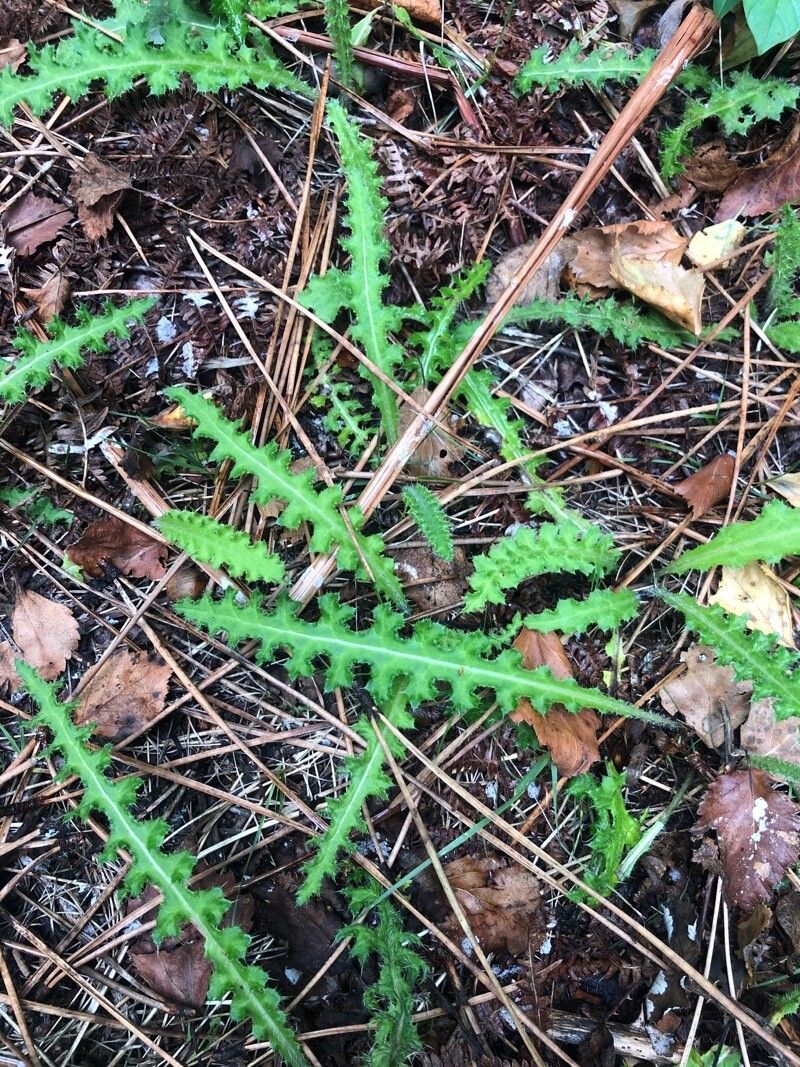
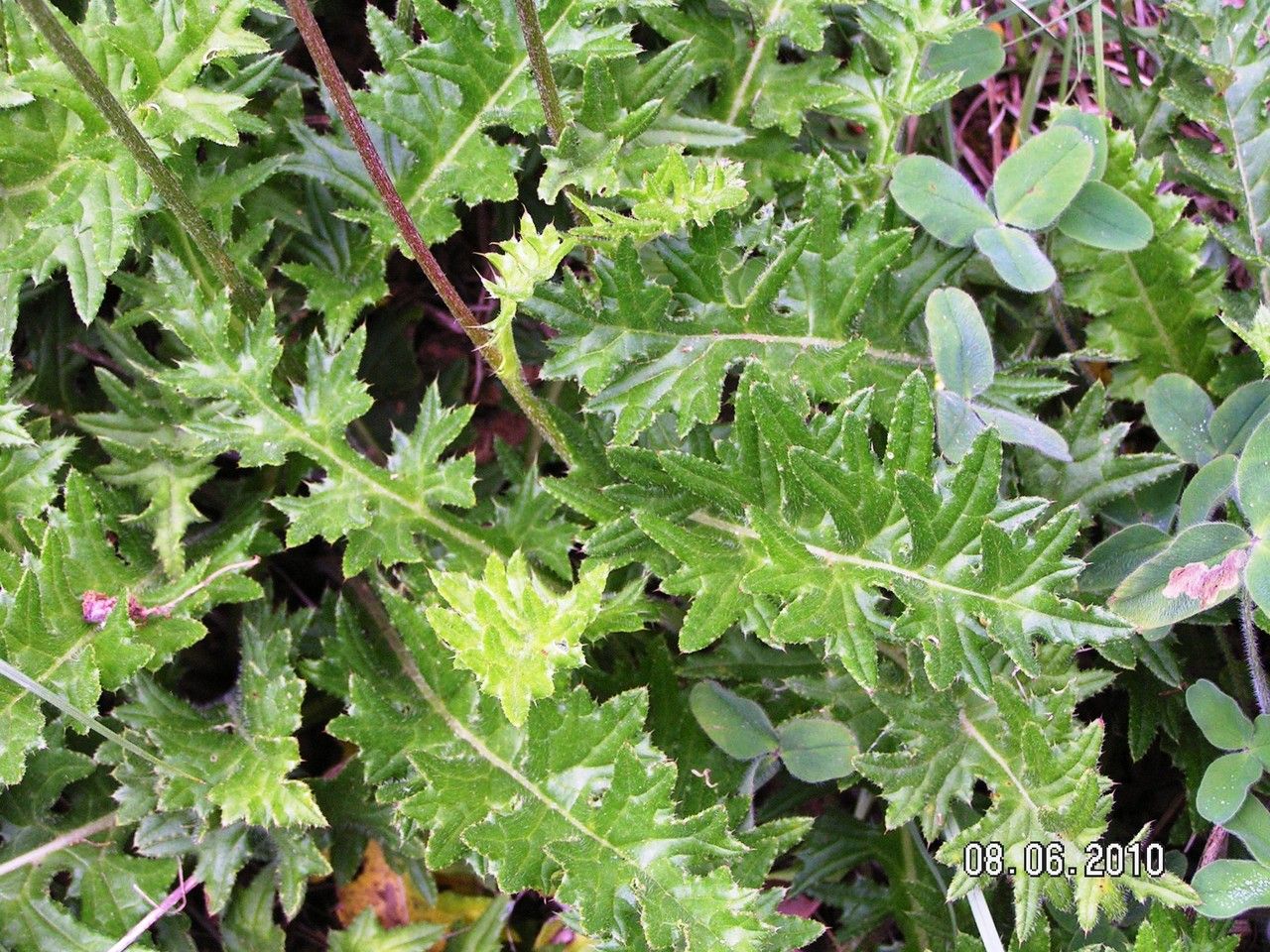
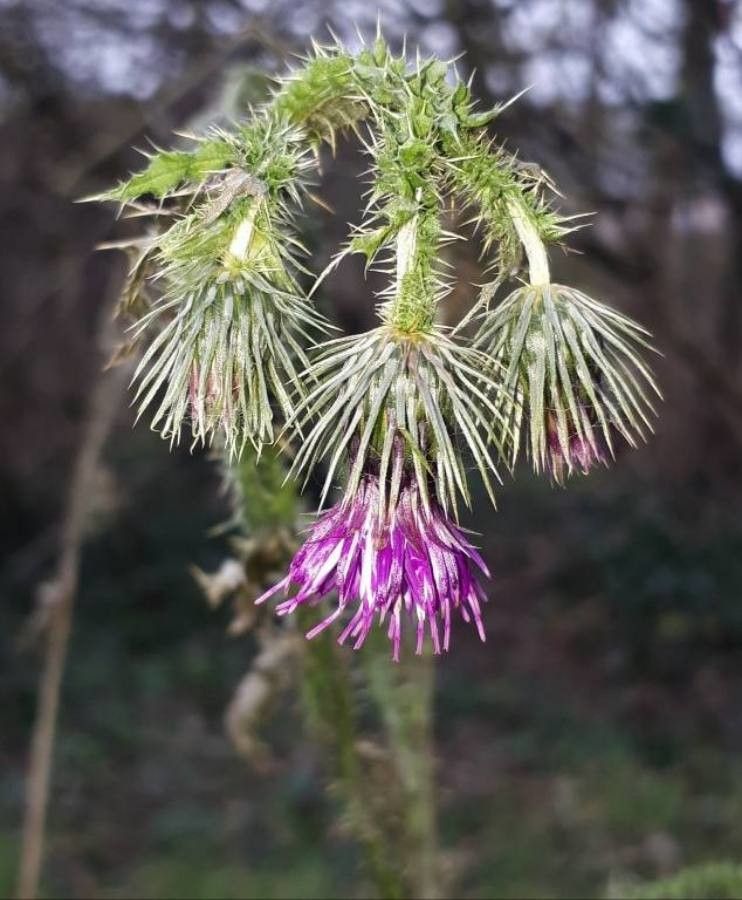
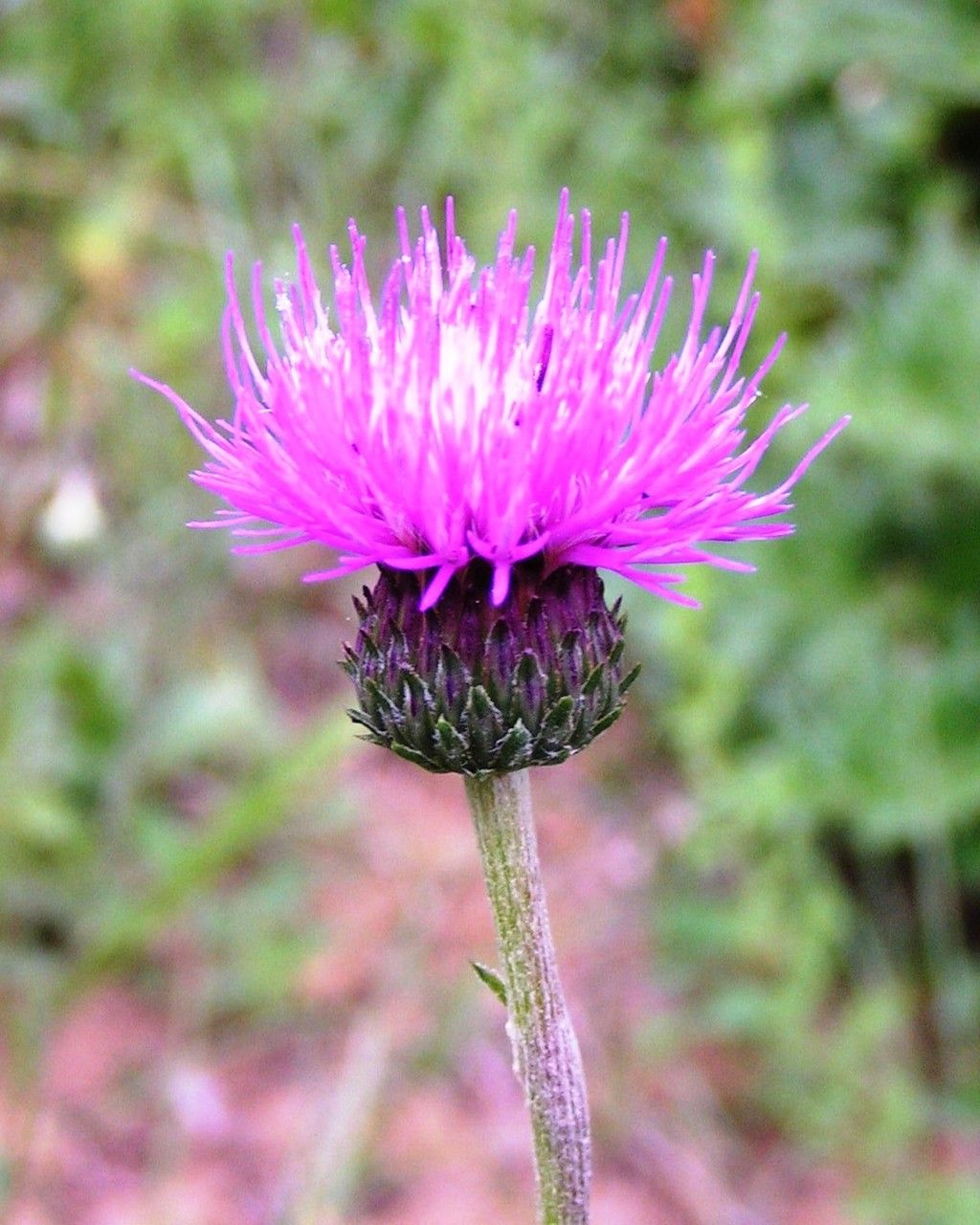
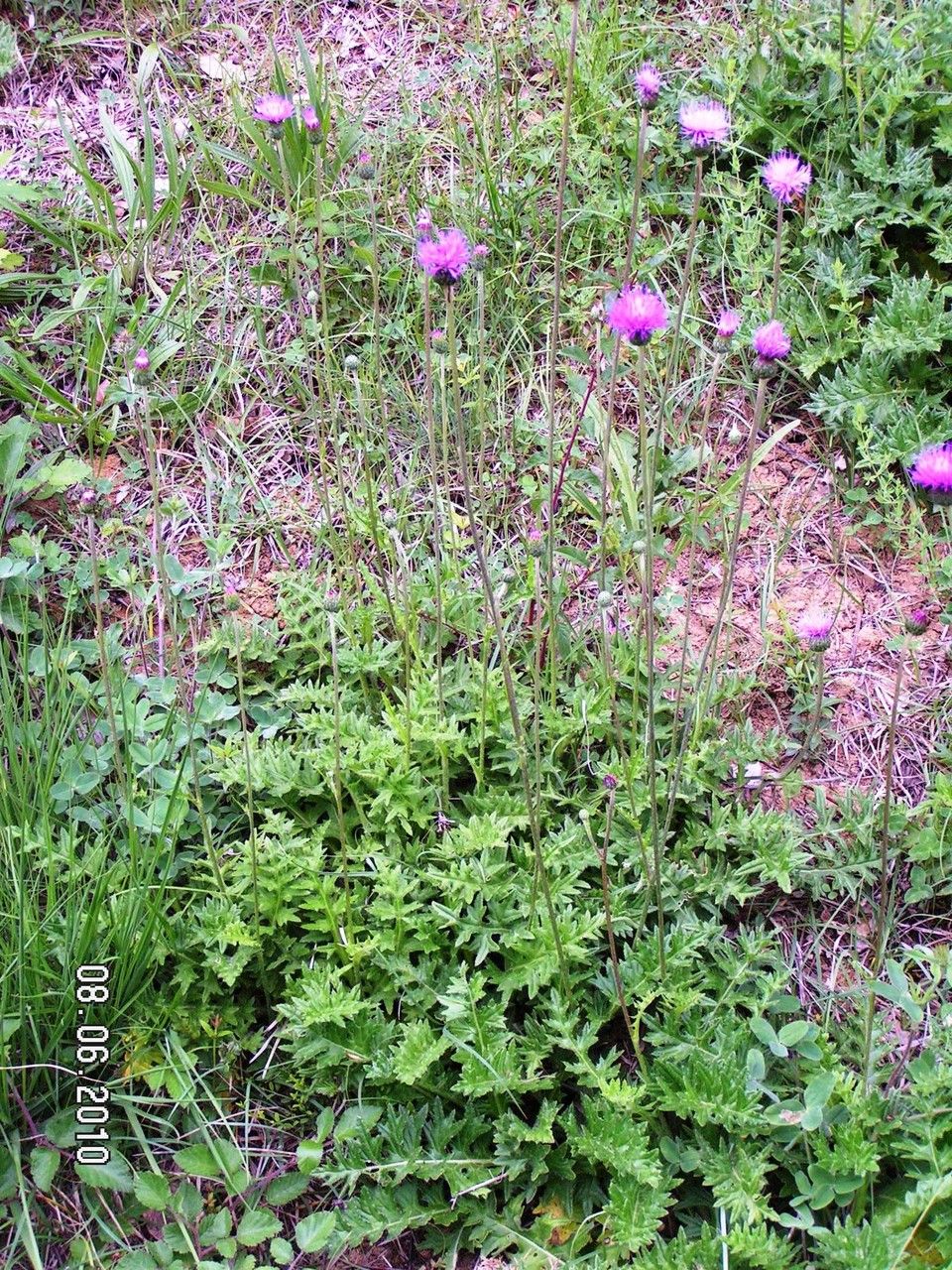
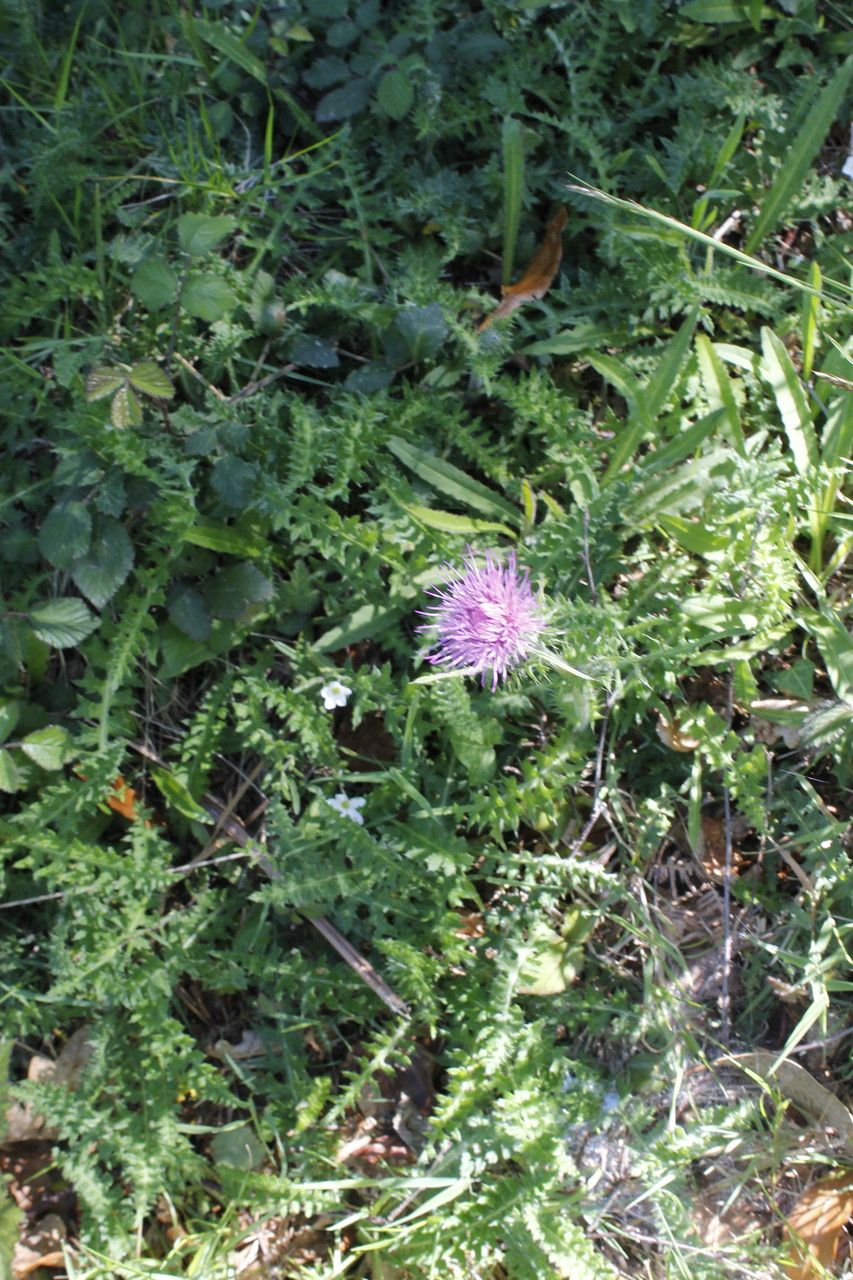
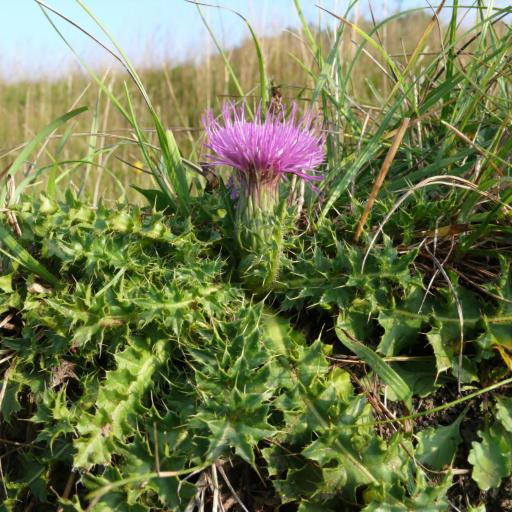
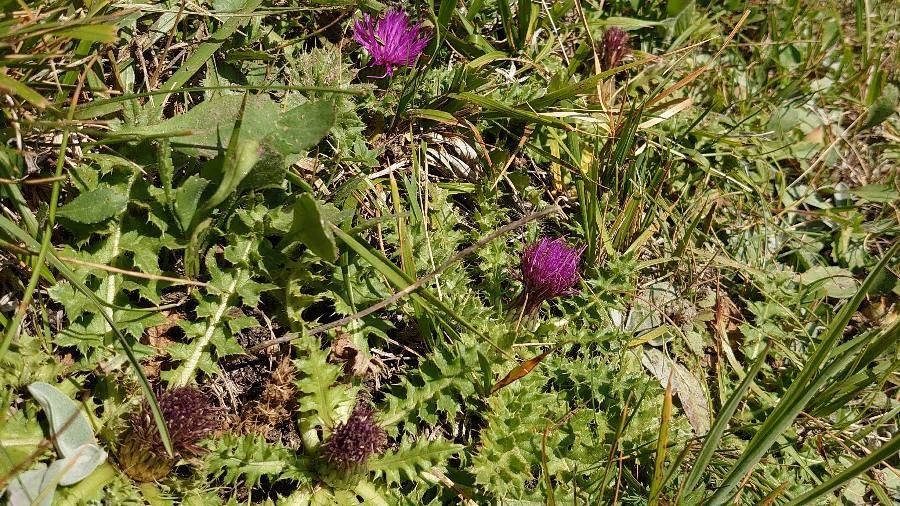
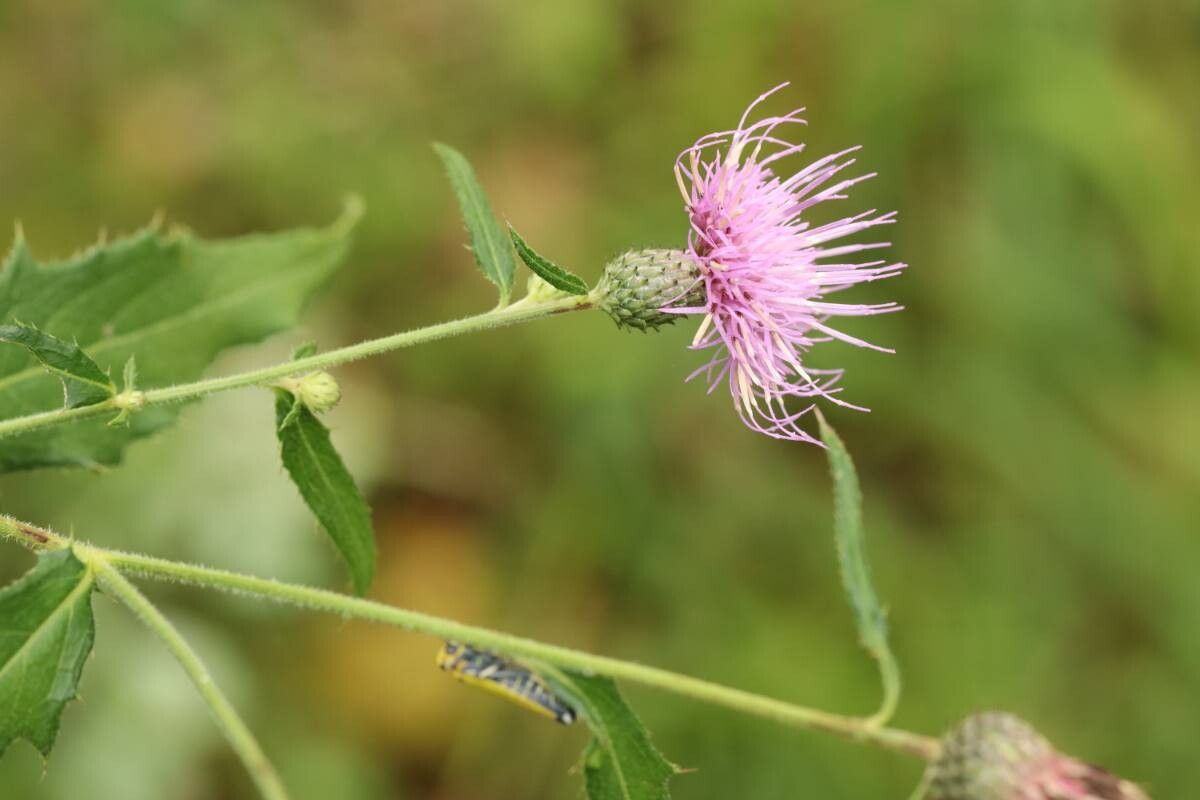
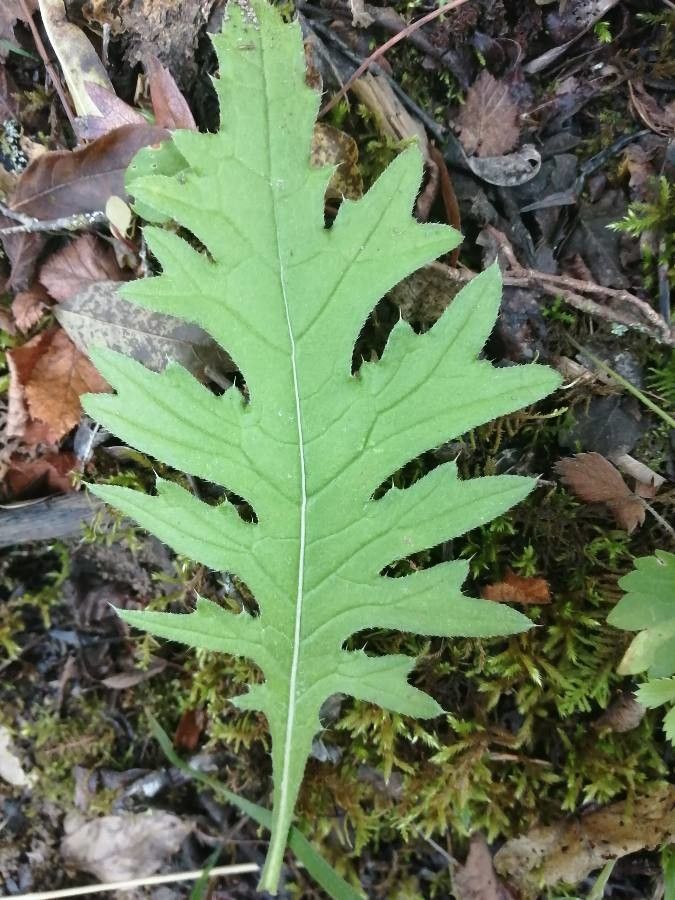
Tall thistle has good resistance to disease and is generally not prone to illnesses. However, it can be vulnerable to pests and diseases present in its environment. These infections are typically mild. In terms of care, the plant requires moderate maintenance. It needs regular pruning to maintain a neat appearance and healthy growth. Fertilizing can also help encourage flowering. Tall thistle is suitable for anyone with an outdoor area, such as a garden or patio, and does not demand extensive care experience. It may need more attention when grown indoors.
How to keep Cirsium Filipendulum.
Light
Tall thistle grows best when given uninterrupted sunlight for most of the day, though it can endure periods of reduced light. Native to open areas, it needs ample light to support healthy development, and a lack of light can limit its growth. Conversely, excessive light exposure can also cause stress to the plant.
Temperature
Tall thistle is naturally adapted to conditions with temperatures between 68 and 95 degrees Fahrenheit (20 to 35 degrees Celsius). To mimic its native environment, vary the temperature within that range across the seasons.
Fertilizer
Tall thistle requires regular fertilization to encourage flowering but does not tolerate excessive amounts. It needs light, frequent applications of fertilizer throughout its entire life cycle, especially during the peak of active growth and while it is flowering. You should continue feeding your Tall thistle until it stops blooming.
Botanical profile.
- Plant Type
- Herb
- Life Cycle
- Biennial, Perennial
- Genus
- Cirsium
- Family
- Asteraceae
- Hardiness Zone
- 3-9
- Mature Height
- 0.91 m to 3.05 m
- Mature Spread
- 49 cm
- Leaf Color
- Green
- Leaf Type
- Semi-evergreen
- Flower Color
- Pink, Purple
- Flower Size
- 2.54 cm to 5.08 cm
- Bloom Time
- Late summer, Early fall, Mid fall
- Planting Time
- Spring, Summer
- Harvest Time
- Fall