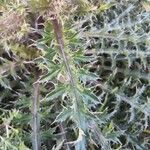
Cirsium horridulum
Horrid thistle · Bristly thistle · Bull thistle · Yellow thistle · Purple thistle
Description
Source: leafsnapCirsium horridulum, commonly known as the yellow thistle or horrid thistle, is a perennial herbaceous plant that belongs to the Asteraceae family. Native to North America, it thrives in various habitats such as prairies, meadows, and open woods. The plant can grow up to 6 feet tall and features a stout stem covered in spiny leaves. The leaves are deeply lobed with sharp spines along the edges. Cirsium horridulum blooms from June to September, showcasing flowers that are either yellow or purple. Historically, Native Americans have utilized Cirsium horridulum for medicinal purposes, treating ailments such as headaches, stomachaches, and skin irritations. Additionally, it serves as an important nectar source for pollinators like bees and butterflies. However, in some areas, Cirsium horridulum can be considered an invasive species due to its rapid spread through an extensive root system. It competes with native plants for resources, which can lead to a decline in biodiversity. Overall, Cirsium horridulum is an intriguing plant that offers both significant benefits and potential negative impacts on ecosystems where it grows unchecked.
🎭 Power, Defense, Removing Hexes
Care Guide
💧 Water Every 7 days
Yellow thistle thrives in moist meadows and open fields, where it requires consistent moisture. While it has moderate drought tolerance, it grows best with weekly watering. As an herbaceous perennial, the yellow thistle naturally utilizes rainfall patterns, ensuring optimal growth and water efficiency when grown outdoors.
How should I water my Yellow thistle properly?
To water Yellow thistle, there are various tools you can use such as a garden hose with a spray nozzle or a watering can. Yellow thistle isn't too demanding in terms of the water it receives and can thrive with rainwater, tap water, or filtered water. It's recommended to avoid watering this plant from above since it can harm the leaves and flowers and increase the risk of disease. Setting up a drip irrigation system is often the best way to water Yellow thistle as it delivers water evenly and directly to the soil. When it comes to container-grown Yellow thistle, you can use a cup, watering can, or even tap water to water it directly in the soil.
What should I do if I give my Yellow thistle too much water or too little water?
When your Yellow thistle lacks moisture, the solution is simple: water it more regularly. Overwatering, on the other hand, is a more serious issue. If you don't catch it early, your Yellow thistle can develop diseases that can lead to its decline and death. To prevent this, choose a growing location that gets plenty of sunlight to dry out the soil and has good drainage to avoid waterlogged soil. If your potted Yellow thistle has been overwatered, consider repotting it. The previous container may not have had good drainage or enough holes. When repotting, use loose soil and a pot that drains efficiently.
How frequently do I need to water my Yellow thistle?
To keep your Yellow thistle healthy, remember to water it consistently throughout the growing season. In the spring, watering once a week should be sufficient. However, as the weather gets warmer, you may need to water two to three times a week. Just be careful not to overwater, as that can harm the plant. It's important to keep the soil moist but not overly wet. If your Yellow thistle is in a pot, it may need more frequent watering since the soil can dry out faster. Generally, watering a potted Yellow thistle a few times a week is recommended, compared to just once a week for a plant in the ground.
How much water does my Yellow thistle require?
Determining how much water to give to your Yellow thistle can be done in a few ways. Some gardeners prefer to assess the soil's moisture level by feeling it. They suggest watering until the top six inches of soil feel moist. Another approach is to use a specific measurement. Normally, giving your Yellow thistle about two gallons of water per week is recommended, depending on temperature and how quickly the soil dries. However, following strict guidelines could lead to overwatering if your plant needs less water. Different guidelines apply when growing Yellow thistle in a container. In this case, you should water enough to moisten all the layers of dry soil. To check for moisture, simply insert your finger into the soil. Another indication is when a small amount of excess water drains through the pot's holes.
How do I know if I'm watering my Yellow thistle enough?
Avoiding overwatering your Yellow thistle can be somewhat challenging. These plants have deep roots that need to be moistened weekly, but they are also highly susceptible to root rot. Overwatering can cause browning and other negative effects. Underwatering is less likely, as these plants can survive for a while without additional watering. However, if you wait too long to water the plant, it will likely wilt and display dry leaves.
☀️ Light Full sun
Bull thistle grows best in spots that receive plenty of sunlight throughout the day. That light encourages healthy growth. It can tolerate partial sun for part of the day, but that may limit its ability to reach full potential. Both excessive sunlight and very low light can harm the plant.
What are the sunlight requirements for Yellow Thistle?
Yellow Thistle requires full sun, meaning it thrives in areas that receive more than 6 hours of sunlight daily. It can also tolerate partial sun, approximately 3-6 hours of sunlight, but this may hinder its growth potential. It's vital to observe your garden's sunlight patterns to ensure your plants receive the optimal balance of light and shade, promoting their overall health.
What essentials should be considered for growing Yellow Thistle?
Successfully growing Yellow Thistle involves ensuring it receives abundant sunlight throughout the day, as this promotes healthy growth. While it can tolerate partial sun, full sun exposure is preferable. In situations where natural sunlight is limited, such as indoor environments or during winter, artificial lighting can be used to supplement light. Adequate lighting is crucial for indoor plants, and LEDs are often recommended due to their efficiency and the ability to provide specific light wavelengths. The exact amount of artificial light needed varies depending on if the plant requires full sun, partial sun, or shade.
What are the common symptoms of light deficiency in Yellow Thistle?
Yellow Thistle may exhibit several symptoms if it doesn't receive adequate light. These include smaller new leaves, leggy or sparse growth, faster leaf drop, and a halt in new growth, indicating the plant is in survival mode. Leaves may also develop lighter colors or patterns, a sign of insufficient chlorophyll and essential nutrients. Chlorosis, sunscald, leaf curling, wilting, and leaf scorching are additional symptoms that can occur due to inappropriate light levels, whether from insufficient light or overexposure to sunlight.
How can I address light-related issues with my Yellow Thistle?
To address light-related issues in Yellow Thistle, gradually increase light exposure until the plant receives at least 6 hours of direct sunlight daily, ideal for both indoor and outdoor plants. Artificial lighting can supplement natural light, especially for indoor plants or those not easily moved. Outdoor plants benefit from a gradual transition to sunnier spots to avoid sunburn. Reducing obstructions like tree branches can enhance sunlight penetration. For smaller plants, transplanting during their dormant period to a brighter location may be beneficial. Note that parts of the plant already damaged by poor light may not recover, but new growth should be healthy with improved light conditions.
🌡️ Temperature 15–35°C
Bull thistle does best at temperatures of 68 to 95 °F (20 to 35 °C). Native to regions with temperate climates, its temperature requirements make adaptation difficult in colder or extremely hot periods. For optimal growth, keep temperatures within that preferred range.
What are the ideal temperature conditions for Yellow thistle to thrive?
Yellow thistle thrives best in temperatures that range between 68 to 95 °F (20 to 35 °C), originating from environments with moderate climates. It has strong cold resistance, meaning special frost protection measures are usually not needed during winter. However, protection is recommended if temperatures are expected to drop below -15°C by covering the plant with soil or straw and watering it abundantly before the first freeze, to ensure the soil remains moist.
How does low temperature affect Yellow thistle, and what are the solutions?
Yellow thistle is quite cold-tolerant and thrives best when the temperature stays above 20°C. Throughout winter, it should be kept above 0°C. At temperatures falling below -15°C, Yellow thistle may not show noticeable changes during winter but may experience decreased sprouting or fail to sprout in spring. The solution for affected plants in spring is to remove any parts that have failed to sprout, promoting new growth and recovery from the cold stress.
What are the effects of high temperatures on Yellow thistle and how can they be mitigated?
During summer, it is crucial to keep Yellow thistle below 35°C. Temperatures exceeding 41°C can cause the leaves to become lighter in color, prone to curling, susceptible to sunburn, and in severe cases, may lead to the wilting and drying out of the entire plant. To mitigate these effects, trim away sunburned and dried parts of the plant, move it to a shaded location away from the midday and afternoon sun, or use a shade cloth. Additionally, ensure the plant is watered in the morning and evening to keep the soil moist.
💨 Humidity
🪴 Soil 6-7
🌱 Fertilizer
Bull thistle benefits from regular, light applications of fertilizer to encourage healthy leaf growth. Fertilize Bull thistle about once a month during the summer. Nitrogen is important for foliage, and supplying nitrogen-rich sources helps Bull thistle thrive.
🪴 Pot & Repot
When repotting Bull thistle, choose a pot 1–2 inches (2.5–5.1 cm) larger in diameter that provides good drainage. Use a well-draining potting mix and consider adding perlite for additional drainage. Repot in spring or early summer, water thoroughly afterward, and keep it in a shaded spot at first.
✂️ Pruning
The yellow thistle is characterized by its spiny leaves and vibrant yellow flowers. Pruning is essential from early to late spring, as it enhances air circulation and reduces the risk of disease. Key techniques include trimming spent blooms and removing damaged foliage, which promotes a healthier and more manageable garden presence.
🌿 Propagating
🐛 Diseases & pets
☠️ Toxicity
Characteristics
- Plant Type
- Herb
- Life Cycle
- Annual, Biennial, Perennial
- Genus
- Cirsium
- Family
- Asteraceae
- Hardiness Zone
- 7-10
- Mature Height
- 0.46 m to 1.52 m
- Mature Spread
- 30 cm to 91 cm
- Leaf Color
- Green, Blue
- Leaf Type
- Evergreen, Deciduous
- Flower Color
- Purple, Pink, White
- Flower Size
- 2.54 cm to 7.62 cm
- Bloom Time
- Mid spring, Late spring, Early summer
- Planting Time
- Spring
- Harvest Time
- Early summer, Mid summer
- Native Area
- Bahamas, Belize, Honduras, Mexico, Guatemala