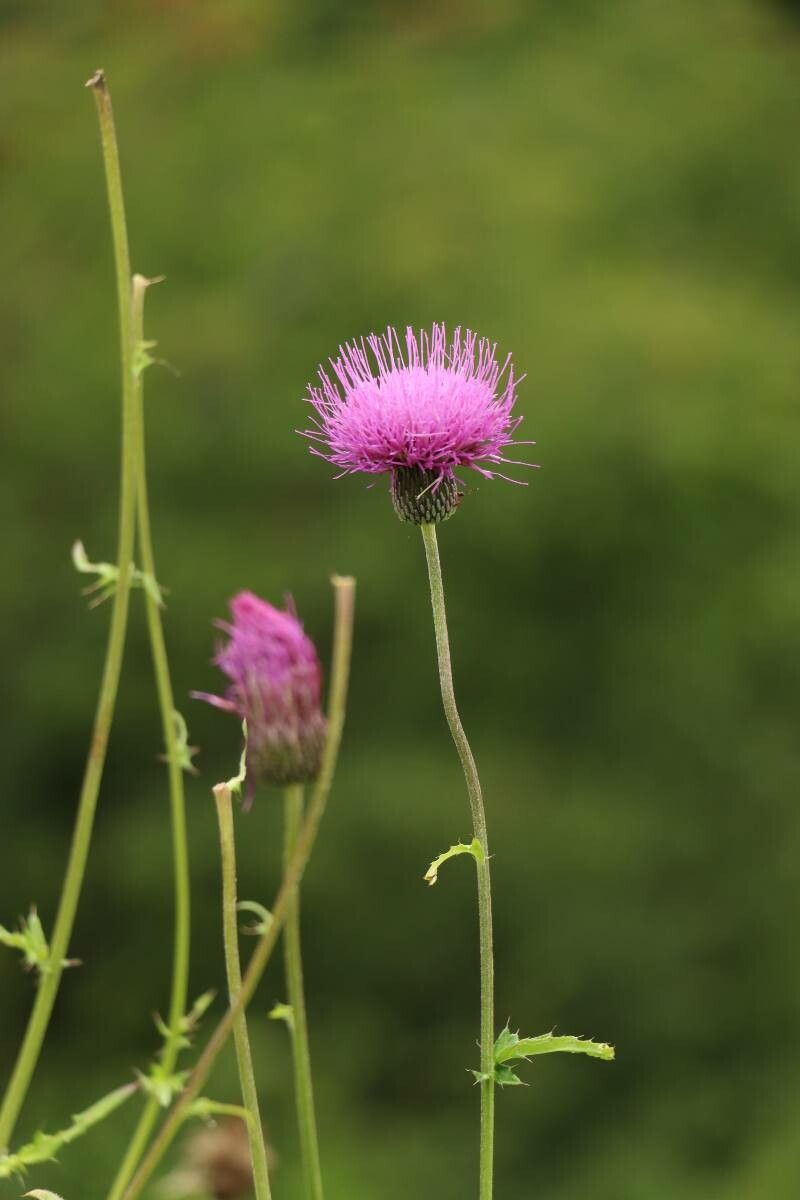
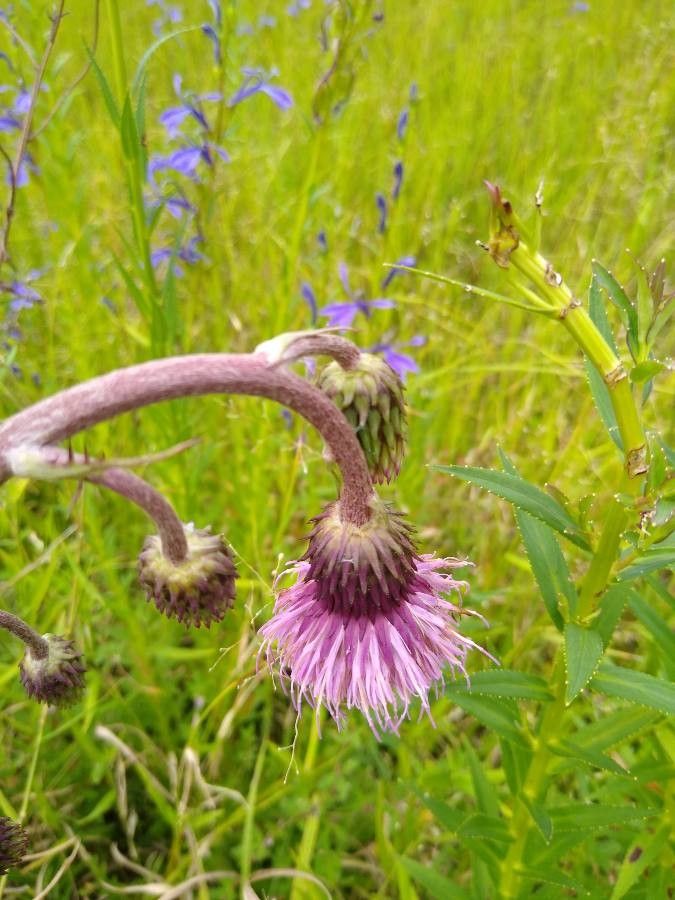
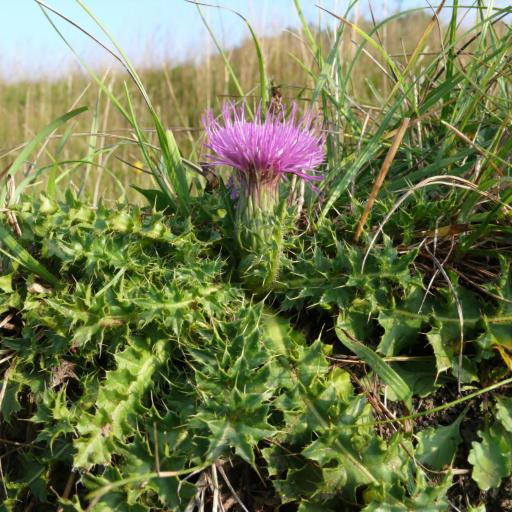
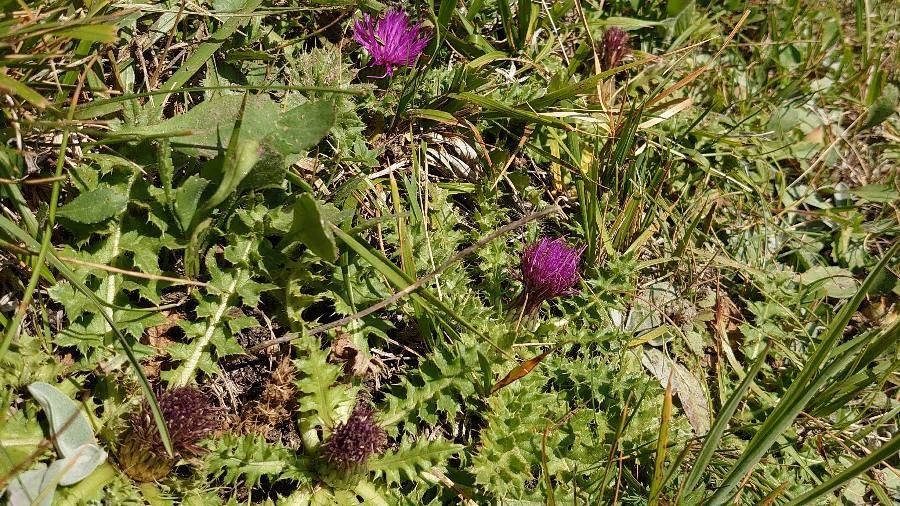
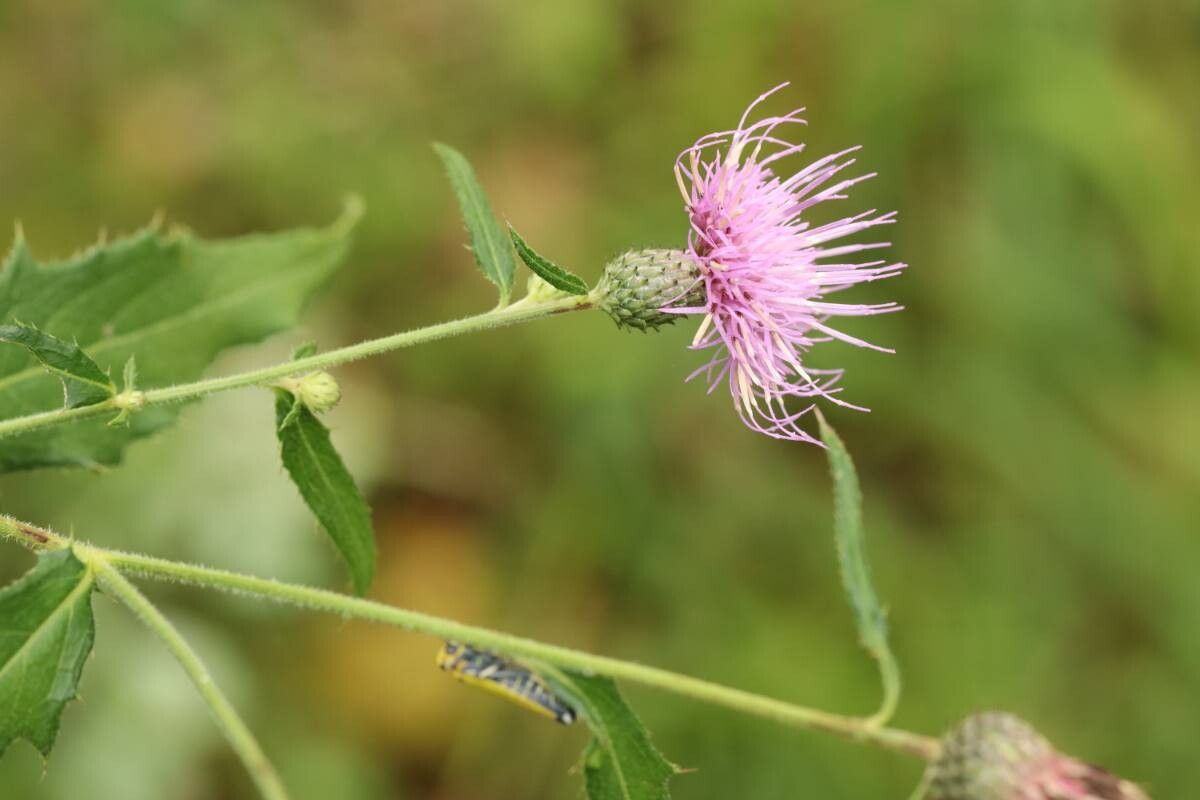
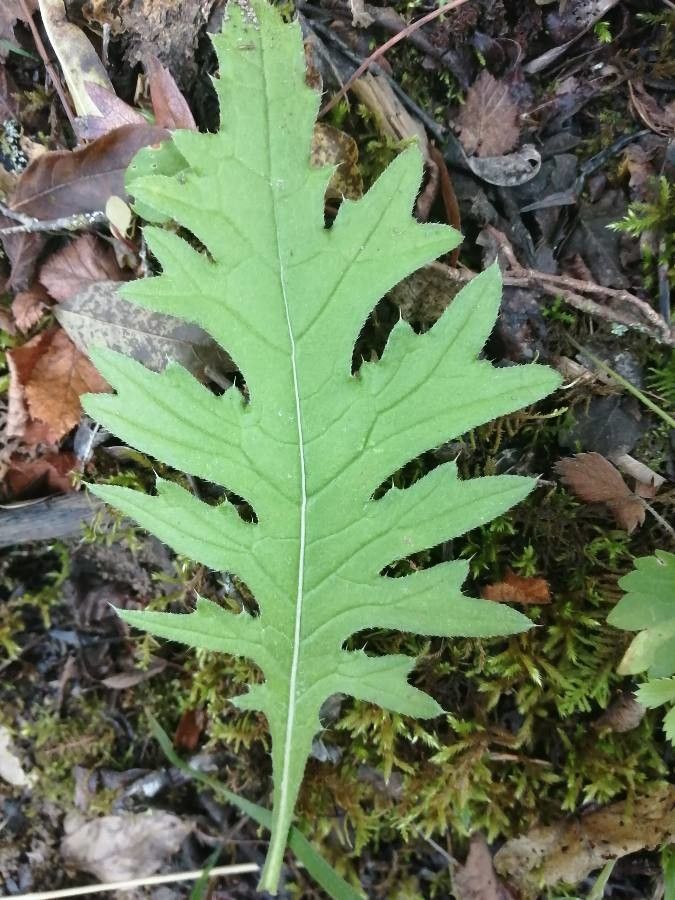
Cirsium japonicum, commonly known as Japanese thistle, plumed thistle, or sea thistle, is a species of flowering plant in the sunflower family, Asteraceae. It is a perennial thistle native to eastern Asia, ranging from Japan to Korea, China, Taiwan, and Vietnam.
Japanese thistle has strong resistance to disease and is generally not prone to illnesses. Still, it can be affected by pests and diseases present in its environment. Those infections are generally mild. Regarding care, this plant needs moderate maintenance. It should be pruned regularly to maintain a neat appearance and healthy growth. Fertilizing can also help encourage flowering. Japanese thistle is appropriate for anyone with an outdoor area, such as a garden or patio, and does not demand extensive gardening experience. It may need more attention when cultivated indoors.
How to keep Cirsium Japonicum.
Light
Japanese thistle requires a substantial amount of light for its healthy growth, as is common in its natural habitats. It flourishes when it receives enough sunlight. Insufficient sunlight may hinder its development, but excessive exposure does not result in harmful effects.
Water
Japanese thistle thrives in moderate humidity and requires weekly watering. While it can tolerate short periods of drought, it grows best with consistent moisture. As an herbaceous perennial, Japanese thistle benefits from natural rain cycles when grown outdoors.
Temperature
Indigenous to temperate climates, the Japanese thistle necessitates temperatures ranging from 68 to 95 °F (20 to 35 ℃) for ideal development. The plant's longevity largely depends on seasonal temperature variations, particularly requiring cooler temperatures during periods of dormancy.
Fertilizer
The optimal period to fertilize a Japanese thistle is during the early spring, as it transitions from dormancy to active growth. Feeding the plant essential nutrients through fertilization promotes its health. While the Japanese thistle's fertilization requirements are relatively minimal, it can still benefit from an annual fertilization routine to improve its longevity and produce higher quality, longer-lasting flowers.
Pruning
To ensure the healthy growth of Japanese thistle, proper pruning is essential. This includes deadheading spent blooms and trimming back stems. The ideal time for pruning is from early to late spring, as it encourages robust growth. This practice not only enhances air circulation but also minimizes pest issues and helps control the plant's aggressive spreading. Remember to use clean tools to prevent the spread of disease.
Botanical profile.
- Plant Type
- Herb
- Life Cycle
- Perennial, Biennial
- Genus
- Cirsium
- Family
- Asteraceae
- Hardiness Zone
- 5-9
- Mature Height
- 30 cm to 76 cm
- Mature Spread
- 40 cm to 61 cm
- Leaf Color
- Green, Dark Green
- Leaf Type
- Deciduous
- Flower Color
- Purple, Pink
- Flower Size
- 4.06 cm to 5.08 cm
- Bloom Time
- Summer
- Planting Time
- Autumn, Spring
- Harvest Time
- Late summer, Early fall, Mid fall
- Native Area
- Russia, Vietnam, Japan, Koppen, South Korea, China
Other names.
Reader questions.
What are the sun requirements for Japanese Thistle (Cirsium japonicum)?
Japanese Thistle requires full sun for healthy growth, benefiting from over 6 hours of sunlight daily. It's crucial to observe the movement of sunlight in your garden to ensure that your plants get the right balance of light and shade. This balance is key to their well-being, as proper sunlight encourages growth and vitality. Ensure to choose spots that offer this balance for the optimal development of your Japanese Thistle.
What are the ideal growing conditions for Japanese thistle?
Japanese thistle, or Cirsium japonicum, thrives in temperate environments with temperatures ranging between 68 to 95 °F (20 to 35 °C). It requires seasonal temperature adjustments for optimal growth, including lower temperatures during its dormant stages. This plant is well-adapted to cold environments and generally does not require special frost protection. However, in regions where winter temperatures drop below -25°C, it's important to protect the plant by covering it with soil or straw and watering it abundantly before the first freeze in autumn to ensure the soil stays moist through the winter.
How essential is sunlight for the growth of Japanese Thistle?
Sunlight plays a critical role in the healthy development of Japanese Thistle. In its native habitats, this plant thrives under abundant light, which is vital for its growth. Insufficient sunlight can negatively affect its growth, but, interestingly, Japanese Thistle can handle excessive sunlight without adverse effects. For indoor plants, artificial lighting can compensate for the lack of natural sunlight, especially in winter or less sunny spaces. LED lights are recommended as they can be tailored to the plant's needs, with requirements varying based on the type of plant and its need for light.
How does Japanese thistle respond to low temperatures?
Japanese thistle is notably cold-tolerant and can thrive well as long as the winter temperature is kept above 0°C. But when temperatures fall below -25°C, there may not be noticeable changes during the winter; however, come spring, there could be a decrease in sprouting or even instances where the plant does not sprout at all. To manage this, it's recommended to remove parts of the plant that have failed to sprout in the spring.
What symptoms indicate light deficiency in Japanese Thistle?
Light deficiency in Japanese Thistle can lead to various symptoms such as smaller leaves, leggy or sparse growth, faster leaf drop, slowed or halted growth, and lighter-colored or yellow leaves (chlorosis). Extreme sunlight exposure can cause additional issues like sunscald, leaf curling, wilting, leaf scorching, and even the breakdown of chlorophyll. Recognizing these symptoms can help in diagnosing and addressing the plant's light needs effectively.
How does Japanese thistle respond to high temperatures?
During the summer, maintaining temperatures below 35°C is crucial for the health of Japanese thistle. If temperatures exceed 38°C, the plant's leaves may lighten in color, become prone to curling, suffer from sunburn, and in severe cases, wilt and dry out completely. To combat these issues, it's advisable to trim away any sunburned or dried parts of the plant, move it to a shaded location during midday and afternoon, or use a shade cloth. Ensuring the plant is watered in the morning and evening to keep the soil moist can also help mitigate the effects of high temperatures.
What solutions can help Japanese Thistle thrive in indoor, outdoor, or ground settings?
To ensure Japanese Thistle's optimal growth indoors, gradually increase its exposure to sunlight or use artificial light for at least 8 hours daily. For outdoor growth, adapt plants gradually to sunlight to avoid sunburn. Reducing obstructions like pruning tree branches can help increase sunlight penetration. If necessary, transplant smaller plants during their dormant period to a sunnier location to encourage healthy growth. Remember, while parts of the plant affected by insufficient light may not recover, new growth should be healthy with adequate light exposure.