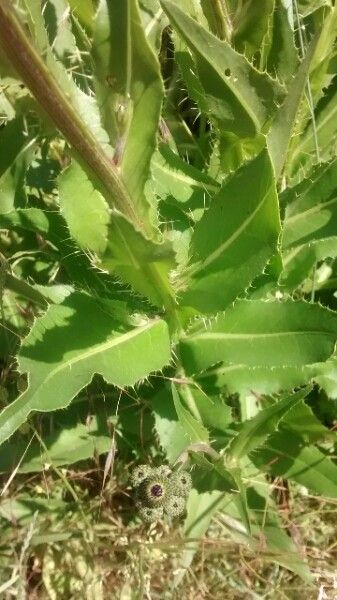
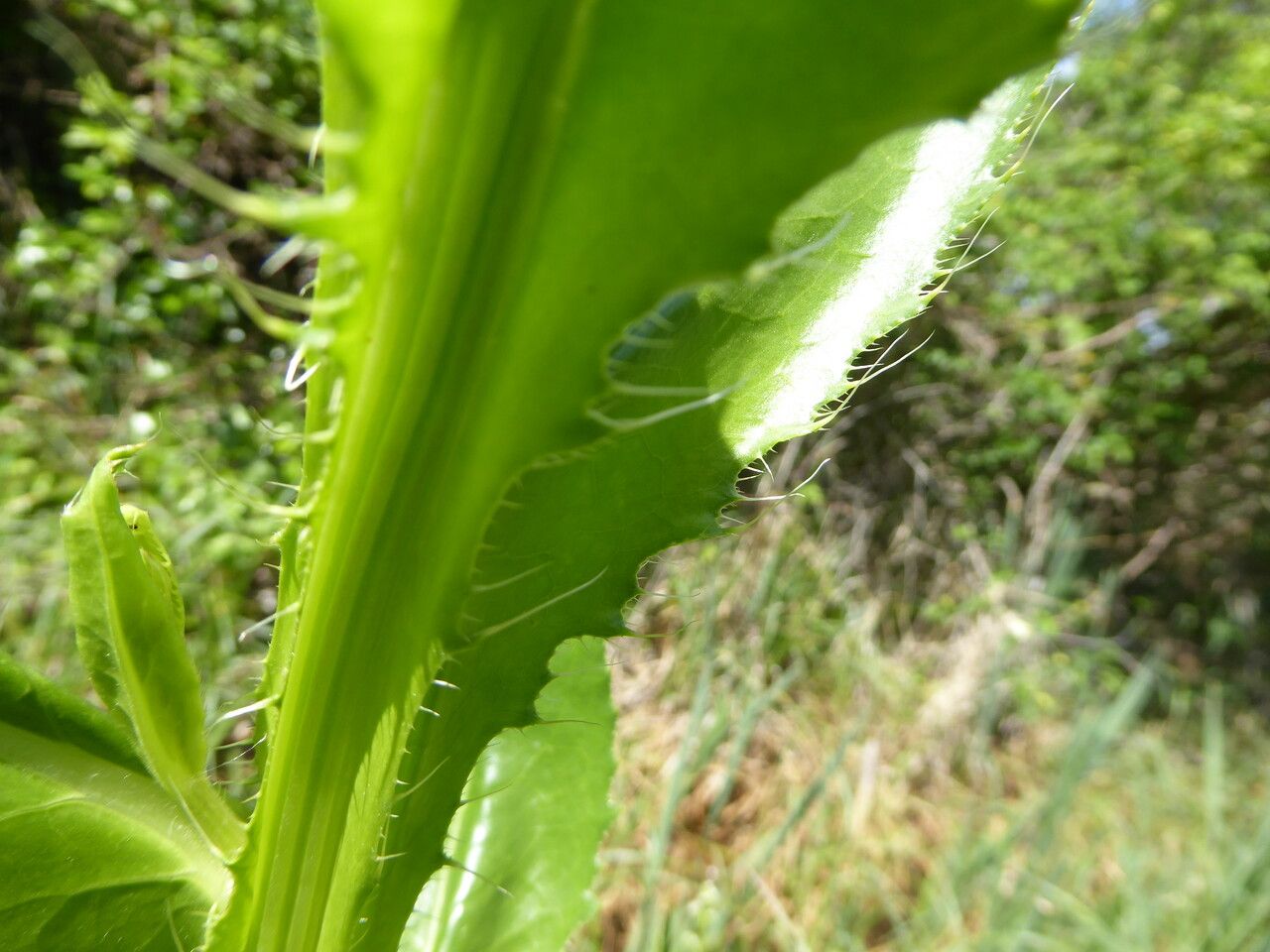
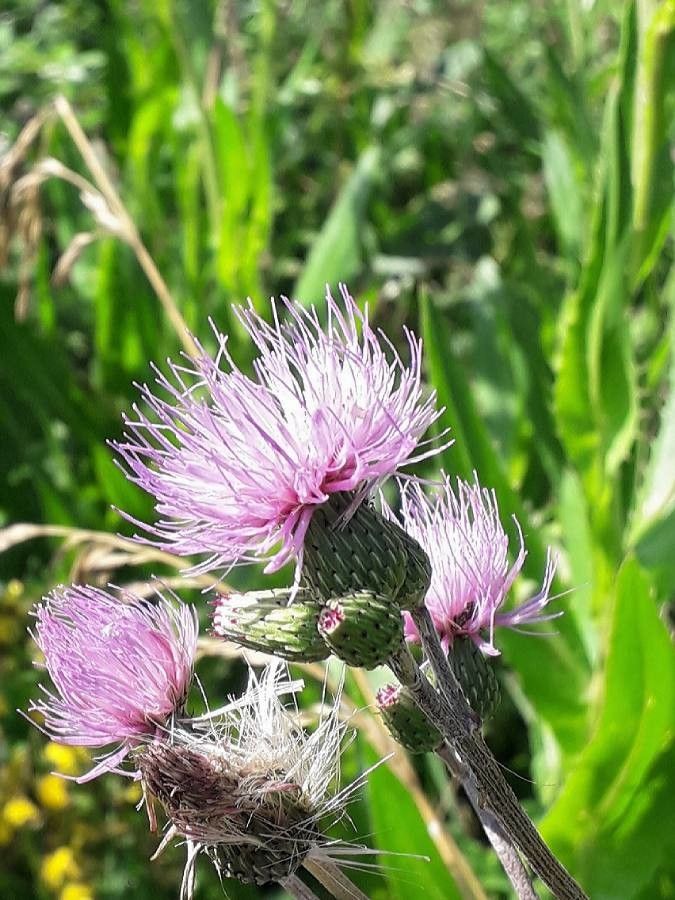
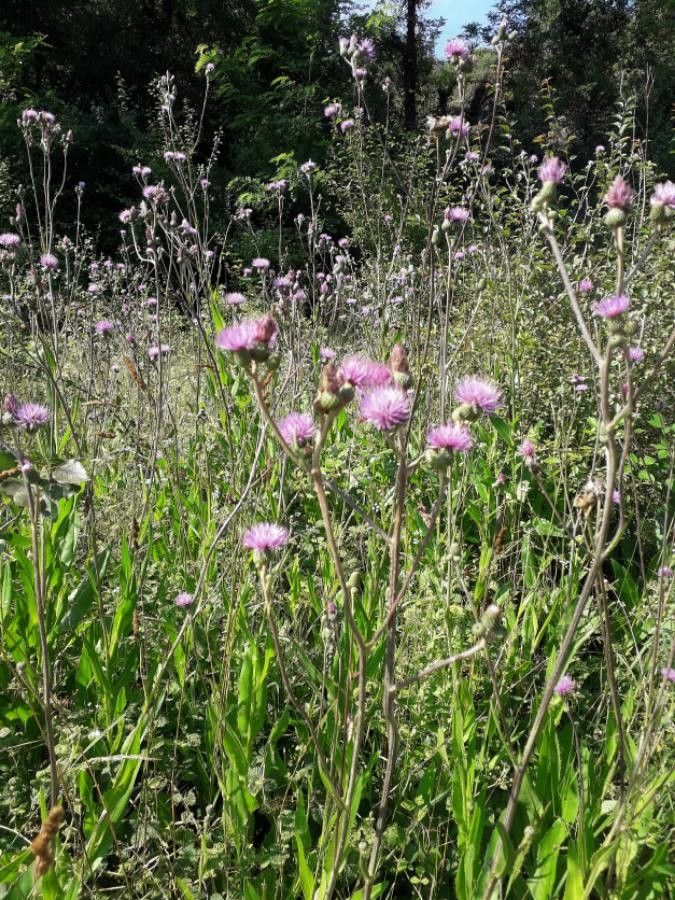
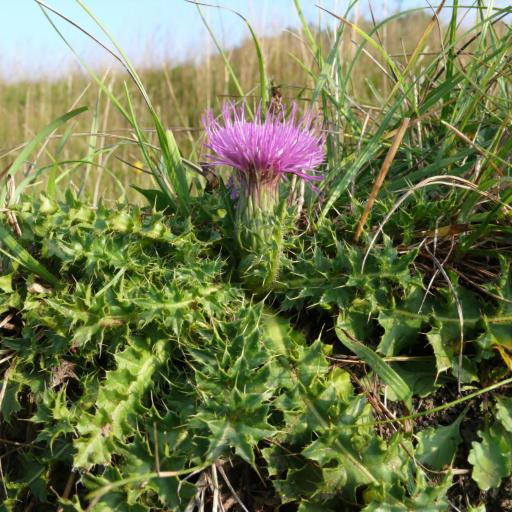
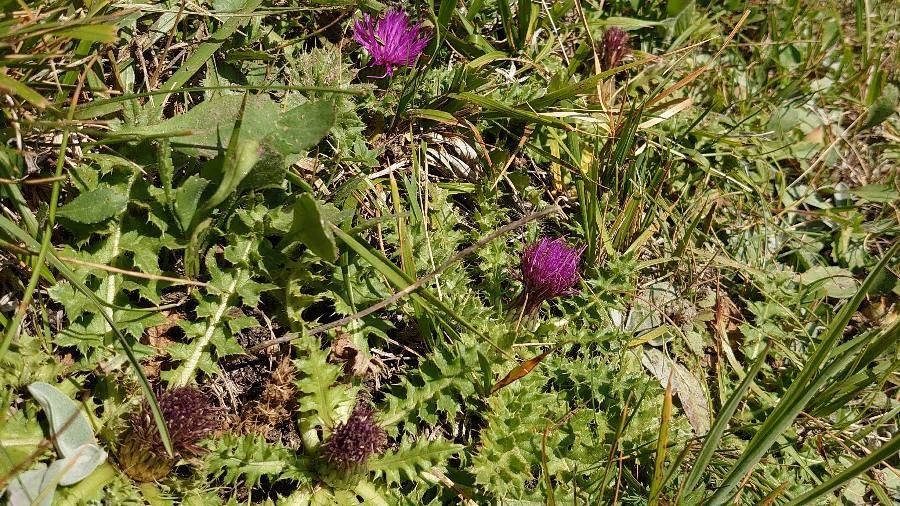
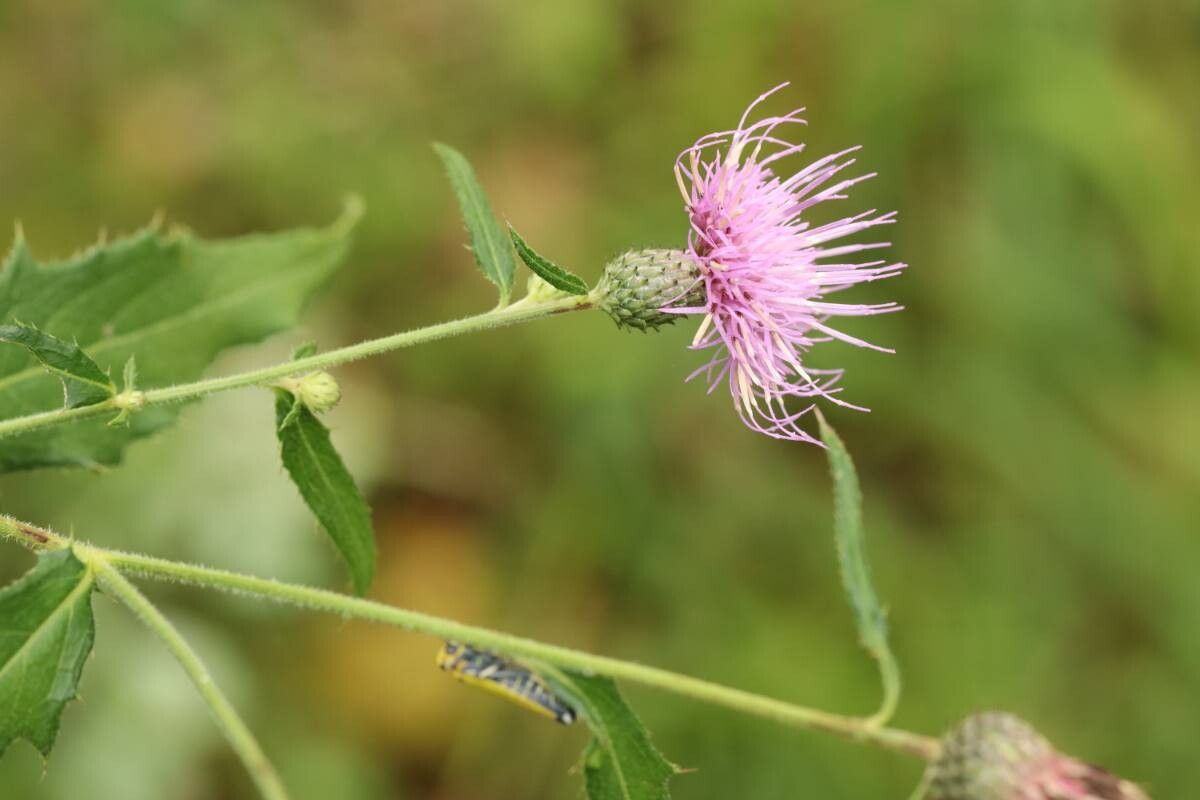
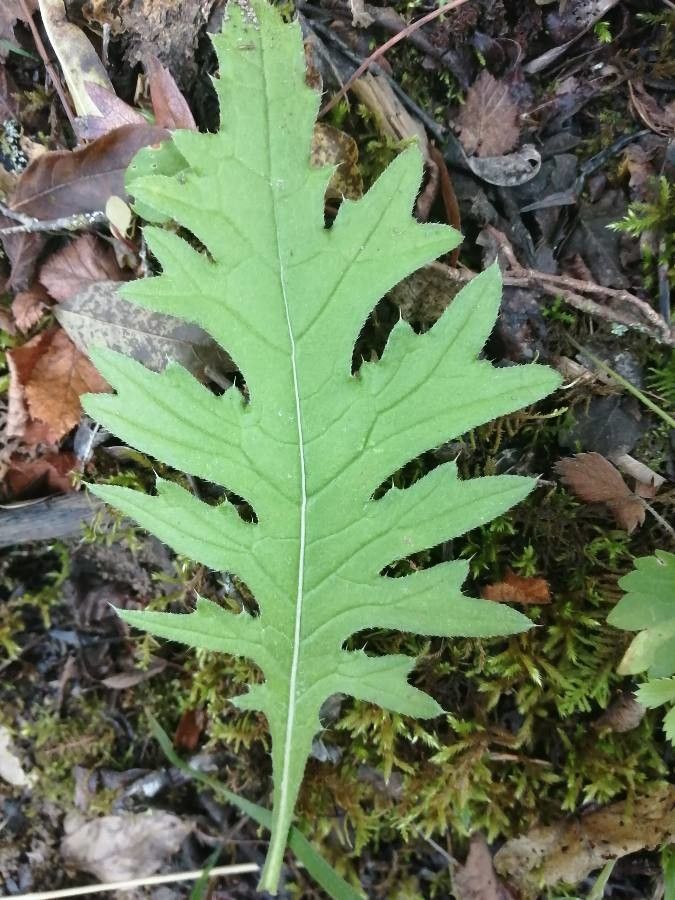
Montpellier thistle has good resistance to diseases and is generally not prone to them. However, it can be vulnerable to pests and illnesses present in its environment. These infections are usually mild. Regarding care, this plant requires a moderate level of maintenance. It should be pruned regularly to retain a neat appearance and promote healthy growth. Fertilizing can also aid in encouraging flowering. Montpellier thistle is suitable for anyone with outdoor space, such as a garden or patio, and does not demand much experience in plant care. It may need more attention if grown indoors.
How to keep Cirsium Monspessulanum.
Light
Montpellier thistle thrives on abundant sunlight and does not tolerate shade. It comes from habitats where the sun remains strong all day. Limited light can stunt its growth, while continuous exposure promotes vigor and plentiful flowering.
Water
Montpellier thistle, native to the Mediterranean region, thrives in well-drained soils and has a moderate tolerance for drought. To keep the plant healthy, water it weekly, being cautious not to over-saturate the soil. Thanks to its deep root system, montpellier thistle can access moisture during dry periods, which reduces its reliance on rainfall.
Temperature
Montpellier thistle can tolerate a wide range of temperatures, but its distribution may still be restricted by specific combinations of water and heat. It does best in warm summer climates with sufficient rainfall or watering. Extended periods of cloudy, rainy weather, as well as prolonged high temperatures, can raise the likelihood of Montpellier thistle dying. In winter, appropriate protection from cold can increase the plant's survival rate.
Fertilizer
For Montpellier thistle, a single fertilizing in spring is generally enough, though repeated feedings can help maximize growth. Feed about once every month to a month and a half. Fertilization improves the leaves’ appearance and function, helping maintain even color and a healthy texture. It also encourages root development and nutrient uptake, supporting long-term plant health.
Pruning
To help Montpellier thistle flourish, it's best to prune it in early and late spring. Start by removing dead stems to encourage growth, and thin out dense areas to improve air circulation. Make clean cuts just above the nodes; this will stimulate new growth, control the plant's spread, and enhance its appearance and flowering.
Botanical profile.
- Plant Type
- Herb
- Life Cycle
- Perennial
- Genus
- Cirsium
- Family
- Compositae
- Hardiness Zone
- 8-10
- Mature Height
- 1.52 m
- Mature Spread
- 30 cm to 61 cm
- Leaf Color
- Green, Dark Green
- Leaf Type
- Semi-evergreen
- Flower Color
- Purple, Pink
- Flower Size
- 1.02 cm to 2.54 cm
- Bloom Time
- Summer
- Planting Time
- Spring, Autumn
- Harvest Time
- Late summer, Early fall, Mid fall
- Native Area
- Italy, Spain, France
Other names.
Reader questions.
How should I water my Montpellier thistle plant to make it grow well?
To ensure the optimal health of the Montpellier thistle, it is recommended to water it with filtered water at room temperature. Using tap water may harm the plant due to potential harmful particles. Since the Montpellier thistle is accustomed to warm environments, it is important to avoid using cold water as it can be a shock to the plant. Additionally, overhead watering should be avoided to prevent issues with the foliage. Instead, apply filtered room temperature water directly to the soil until it is fully saturated. This will help keep the roots moist and facilitate their spread through the soil to absorb necessary nutrients.
What are the sunlight requirements for Montpellier thistle?
Montpellier thistle requires more than 6 hours of direct sunlight daily to flourish. It's important to observe the movement of sunlight through your garden to find spots that provide an optimum balance of light and shade, ensuring the plants receive the right amount of sun exposure for optimal growth. This plant thrives under clear skies with a strong preference for environments that receive unfiltered sunlight throughout the day. Any form of shade could potentially stunt its growth, whereas constant exposure to sunlight encourages vitality and promotes abundant blossoming.
What is the Montpellier thistle?
The Montpellier thistle, scientifically known as Cirsium monspessulanum, is a species of thistle. This plant belongs to the botanical family and is characterized by its unique features, although specific details about its appearance, habitat, and uses are not provided here.
What should I do if I give my Montpellier thistle too much or too little water?
Overwatering can harm your Montpellier thistle and is a common issue. When this plant receives too much water, its stems and leaves may wilt and turn yellow. Prolonged overwatering can also lead to diseases like root rot, mold, and mildew, which can kill the plant. On the other hand, underwatering is less common for the Montpellier thistle due to its drought tolerance. But when underwatering occurs, the leaves become brittle and brown. It is important to be aware of the signs of overwatering and take action as soon as possible. Diseases like root rot may become irreversible if left too long. If you notice early signs of overwatering, reduce your watering schedule and check the soil for poor drainage. Replace the soil with a loose, well-draining potting mix if necessary. If your Montpellier thistle is receiving too little water, increase your watering frequency until the signs of dehydration subside.
What are the essentials for growing Montpellier thistle?
Growing Montpellier thistle successfully means ensuring it gets ample sunlight, as it originates from environments accustomed to the unabated vigor of the sun all day. In case of limited natural light, especially indoors or during less sunny seasons, artificial lighting becomes crucial. Indoor plants benefit significantly from adequate lighting, with options such as LED lights being highly effective. These lights can be customized to provide specific wavelengths needed by plants, enhancing their growth and bloom. For full sun plants, 30-50W per square foot of artificial light is recommended, while the distance between the plant and light should range from 12-36 inches, mimicking the natural sunlight duration of 8-12 hours per day.
How many times should I give water to my Montpellier thistle plant?
If your Montpellier thistle is potted, simply stick your finger in the soil to determine if it needs water. If the top two to three inches of soil are dry, it's time to water. If you have your Montpellier thistle planted outdoors, you can use the same method. Once the top few inches of soil have dried out, it's time to water. Generally, you'll need to water this plant about once a week during spring and early fall. However, during extremely hot weather, you may need to water it twice a week or even more. It's worth noting that mature, well-established Montpellier thistle plants can endure drought conditions quite well.
What symptoms indicate light deficiency in Montpellier thistle?
Symptoms of light deficiency in Montpellier thistle include smaller new leaves, leggy or sparse growth, faster leaf drop, slower or halted new growth, and the development of lighter-colored or chlorotic leaves. These symptoms reflect the plant's struggle in inadequate lighting conditions. Conversely, symptoms of excessive sunlight exposure include sunscald, leaf curling, wilting, leaf scorching, and chlorosis, indicating damage from intense light and the need for optimal sunlight management.
How much water does my Montpellier thistle require?
When watering your Montpellier thistle, don't hold back on the amount of water you give. Make sure the first two to three inches of soil are dry before watering, and when you do water, make sure the soil is thoroughly soaked. You should add enough water to see excess water draining out of the pot's drainage holes. If you don't see excess water draining, you likely haven't watered enough. Be careful not to let water accumulate in the soil, as this can be harmful to the plant. In addition, if water doesn't drain well from the pot, it could indicate poorly draining soil, which is not good for the plant's health. If the plant is outside, one inch of rain per week should be enough.
How can I address Montpellier thistle's light exposure issues?
To optimize Montpellier thistle's growth regarding light exposure, gradually acclimatize the plant to receive at least 6 hours of direct sunlight daily by moving it closer to a sunnier location each week. If using a south-facing window, keep curtains open during sunlight hours for maximum exposure. For plants that are large or not easily movable, supplementing with artificial light, such as keeping a desk lamp on for 8 hours a day or investing in professional grow lights, can provide adequate light. When outdoors, ensure a gradual transition to sunnier spots to prevent sunburn. If light obstruction is an issue, identify and minimize barriers by pruning or transplanting to sunnier locations. Note that parts of the plant previously affected by insufficient light may not recover, but new growth will be healthy following improved light exposure.
How do I water my Montpellier thistle at different times when it is growing?
The water needs of the Montpellier thistle can vary throughout its growth stages. When the plant is young or recently transplanted, it requires more water to support the growth of new roots. As the roots develop and the plant matures, it will need less water. Additionally, during the bloom period, the plant may need more water to support flower development.
How do I water my Montpellier thistle during different seasons?
The Montpellier thistle has different water needs depending on the season. During the hottest months of the year, it will require more water, and you may need to water it more than once per week if the soil dries out quickly. However, in the winter, the plant enters a dormant phase and needs much less water. In fact, you may not need to water it at all during the winter months. If you do choose to water it during this time, it should only be done approximately once per month to avoid the risk of disease.
What's the difference between watering my Montpellier thistle inside and outside?
Montpellier thistle is commonly grown indoors by gardeners who live in non-temperate or tropical regions. However, it's important to note that soil in containers tends to dry out faster compared to ground soil. Factors such as air conditioning units can further contribute to faster drying of the soil, meaning indoor Montpellier thistle may need more frequent watering than if it were planted outside. On the other hand, if you have planted it outside and receive regular rainfall, you may not need to water the Montpellier thistle much at all as the rain will likely suffice. Conversely, when growing this plant indoors, relying on rainwater to moisten the soil is not an option, so it will need to be watered more regularly.