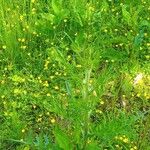
Cirsium muticum
Dunce-nettle · Horsetops · Swamp thistle
Description
Source: leafsnapCirsium Muticum: The Swamp Thistle Cirsium muticum, commonly known as swamp thistle, is a perennial herbaceous plant in the Asteraceae family. Native to North America, it thrives in wetlands, marshes, and along stream banks. This plant can reach up to 6 feet in height and features a stout stem with deeply lobed, spiny leaves. Its pinkish-purple flowers bloom from July to September. The swamp thistle is a crucial food source for various pollinators, including bees, butterflies, and hummingbirds. Additionally, it provides habitat for many wetland species such as frogs and birds. Historically, Native Americans have used the swamp thistle for medicinal purposes, particularly for treating skin irritations or wounds. However, it's important to note that the plant's sap can cause skin irritation or allergic reactions in some people. In wetland ecosystems, Cirsium muticum plays a significant role by stabilizing soil along stream banks and offering food to pollinators. While some farmers consider it a weed due to its invasive nature on agricultural land, properly managed swamp thistle presents more ecological benefits than drawbacks. By effectively controlling its spread, its positive impact on ecosystems can be maximized, outweighing any negative effects on agricultural land use.
🎭 Power, Defense, Removing Hexes
Care Guide
💧 Water Every 7 days
Swamp thistle flourishes in moist soil, thriving in consistently damp conditions and even tolerating waterlogged environments. To simulate its natural habitat, weekly watering is recommended. This plant is typically grown outdoors and is an excellent choice for rain gardens. As a herbaceous perennial, swamp thistle requires sufficient water during its growing season to ensure healthy growth.
How should I water my Swamp thistle plant?
To properly water the Swamp thistle, it is recommended to use filtered water at room temperature. Tap water may contain harmful particles that can negatively affect the plant's health. The water temperature should be around room temperature or slightly warmer since Swamp thistles are accustomed to warmer environments and cold water may shock its system. Additionally, it is best to avoid watering the plant from above to prevent any issues with its foliage. Instead, simply apply filtered room temperature water directly to the soil until it is completely soaked. This method benefits the plant by providing moisture to the roots and helping them spread throughout the soil to obtain necessary nutrients.
What should I do if I give too much or too little water to my Swamp thistle?
Overwatering is a more common issue for the health of your Swamp thistle. It causes wilting, yellowing, and potential diseases like root rot, mold, and mildew, which can be fatal to the plant. Underwatering is less common due to the plant's drought tolerance, but it can still happen, resulting in brittle and brown leaves. To prevent overwatering, it's crucial to recognize the signs early and reduce watering immediately. You should also check the soil's drainage and replace it with a well-draining potting mix if necessary. If your Swamp thistle lacks water, simply increase your watering frequency until the signs improve.
How many times do I need to water my Swamp thistle?
To determine if your Swamp thistle needs water, check the soil. If it's in a pot, stick your finger in the soil and if the top two to three inches are dry, it needs water. If it's planted in the ground, use the same method. In the spring and early fall, watering once a week is usually sufficient. In very hot weather, you may need to water twice a week or more. However, mature Swamp thistles can withstand drought well.
How much water does my Swamp thistle plant require?
When watering your Swamp thistle, don't be afraid to give a generous amount of water. Make sure the first two to three inches of soil are dry before watering. It's important to water thoroughly, soaking the soil completely. You should add enough water that it flows through the drainage holes at the bottom of the pot. If you don't see excess water draining, it means you haven't watered enough. However, be careful not to let the water accumulate in the soil, as this can harm the plant. On the other hand, if water is not draining properly, it could mean you have poorly draining soil, which is not good for the plant's health. If the plant is outside, one inch of rain per week should be enough.
How do I water my Swamp thistle as it grows?
The water requirements of the Swamp thistle can vary depending on its growth stages. In the first few years or after transplanting to a new location, the plant needs more water than usual. This is because it is focused on growing new roots to support future growth, and these roots require additional moisture. As the Swamp thistle matures, it will require less water overall. However, during its bloom period, the plant may need more water due to the significant amount of moisture used for flower development.
☀️ Light Full sun
Swamp thistle thrives with plentiful sunlight for healthy growth. The plant comes from a habitat where light is abundant, making sunlight essential during its various growth phases. However, excessive sun can harm its foliage, while too little light impairs its photosynthesis and flowering.
What are the sunlight requirements for Swamp Thistle?
Swamp Thistle requires more than 6 hours of sunlight daily to ensure healthy growth. It's crucial to observe the movement of sunlight through your garden to pick spots that offer the right balance of light and shade. This balance ensures the plants remain happy and thriving. Originally from environments with abundant sunlight, Swamp Thistle needs ample light for its growth stages. However, too much direct exposure can damage its foliage, while insufficient sunlight negatively impacts its photosynthesis and flowering capabilities.
How can artificial lighting be used for Swamp Thistle?
When Swamp Thistle is grown indoors or in areas with insufficient natural sunlight, artificial lighting can be a vital solution for optimal growth. LED lights are recommended as they can be customized to provide specific light wavelengths needed by the plant. Full sun plants require 30-50W per square foot of light, partial sun plants need 20-30W per square foot, and full shade plants require 10-20W per square foot. The light source should be placed 12-36 inches above the plant, mimicking natural sunlight as closely as possible, with the duration matching the natural daylight hours - usually 8-12 hours per day.
What are the signs of insufficient light in Swamp Thistle?
Swamp Thistle shows several symptoms when it does not get enough light. These include smaller new leaves, leggy or sparse growth, faster leaf drop, slower or halted growth, lighter-colored or chlorotic new leaves, sunscald, leaf curling, wilting, and leaf scorching. These symptoms indicate either too much direct sunlight or insufficient exposure, both of which adversely affect the plant’s health and growth.
How can I address light-related issues in Swamp Thistle?
To address light deficiency in Swamp Thistle, gradually increase its exposure to sunlight by moving it to a sunnier location each week until it receives at least 6 hours of direct sunlight daily. For indoor plants that are large or difficult to move, consider using artificial lighting, like desk lamps or professional grow lights, for at least 8 hours a day. For outdoor plants, it’s important to transition them carefully to sunnier spots to avoid shock or sunburn. If sunlight obstruction is an issue, such as from trees, pruning may allow more light to reach the plants. For smaller plants or in cases of severe obstruction, transplanting during the dormant season to a location with more sunlight and good drainage might be necessary. Note that parts of the plant affected by insufficient light may not recover fully, but new growth after adjusting light levels should be healthy.
🌡️ Temperature 0–35°C
Swamp thistle is native to regions with moderate climates; the plant flourishes at temperatures between 68 and 95 °F (20 to 35 ℃). Careful temperature adjustments are recommended during extreme seasonal changes.
What are the essential care tips for Swamp thistle?
Swamp thistle, botanically known as Cirsium muticum, thrives in moderate climates, preferring temperatures between 68 to 95 °F (20 to 35 °C). It has a strong resistance to cold and doesn't usually require special frost protection measures, even though it can survive temperatures down to -40°C. However, in anticipation of extremely cold winters, it's wise to cover the plant with soil or straw for extra protection. Additionally, watering the plant abundantly before the first freeze of autumn to keep the soil moist is recommended, helping to prevent drought and water scarcity during the winter and early spring.
How does low temperature affect Swamp thistle and what are the solutions?
Swamp thistle can tolerate cold weather and prefers temperatures to remain above 20°C. During winter, keeping the temperature above 0°C is advisable. If temperatures fall below -40°C, the plant might not show immediate damage during winter, but there could be reduced sprouting or even failure to sprout in the spring. If certain parts of the plant fail to sprout as the weather warms, these should be removed in the spring to encourage new growth.
What should be done if Swamp thistle is exposed to high temperature?
To manage Swamp thistle during hot summers, it's crucial to keep temperatures below 35°C. Exposure to temperatures exceeding 38°C might result in the lightening of leaves, increased susceptibility to curling, sunburn, and in extreme cases, wilting or drying out of the entire plant. Sunburned and dried parts should be trimmed away. It's beneficial to move the plant to a shaded location or use a shade cloth to protect it from the midday and afternoon sun. Additionally, watering the plant in the morning and evening will help keep the soil moist and support the plant in high heat conditions.
💨 Humidity
🪴 Soil 6-7
🌱 Fertilizer
Swamp thistle requires regular fertilization to encourage flowering but does not tolerate excessive amounts. It needs small, frequent applications of fertilizer throughout its entire life cycle, especially during the peak period of active growth and while it is flowering. Continue feeding your swamp thistle until it stops blooming.
🪴 Pot & Repot
✂️ Pruning
The swamp thistle, a herbaceous plant, benefits greatly from strategic pruning. The best time to prune is from early to late spring. Start by trimming back the previous year’s growth to encourage new shoots. Additionally, regularly deadhead the plants to control seed spread and improve their appearance. This practice promotes healthier foliage, prevents overcrowding, and ensures a thriving environment for the plant.
🌿 Propagating
🐛 Diseases & pets
☠️ Toxicity
Characteristics
- Plant Type
- Herb
- Life Cycle
- Biennial, Perennial
- Genus
- Cirsium
- Family
- Asteraceae
- Hardiness Zone
- 2-9
- Mature Height
- 0.91 m to 2.44 m
- Mature Spread
- 61 cm to 91 cm
- Leaf Color
- Green
- Leaf Type
- Deciduous
- Flower Color
- Purple, Lavender
- Flower Size
- 2.69 cm
- Bloom Time
- Mid summer, Late summer, Early fall
- Planting Time
- Spring, Autumn
- Harvest Time
- Early fall, Mid fall