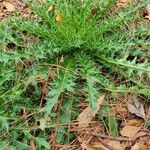
Cirsium pumilum
Pasture Thistle
Description
Source: leafsnapCirsium pumilum, the pasture thistle, is a North American species of plants in the tribe Cardueae within the family Asteraceae. The species is native to the northeastern and north-central United States as well as to the Canadian Province of Ontario.Cirsium pumilum is a biennial or perennial herb up to 100 cm (40 inches) tall, blooming once before dying. It has leaf blades up to 30 cm (12 inches) long, with slender to stout spines. There are usually a few flower heads, sweetly scented, with pink, purple or white disc florets but no ray florets. VarietiesCirsium pumilum var. hillii (Canby) B. Boivin - Great Lakes region, upper Mississippi Valley Cirsium pumilum var. pumilum - northeastern + east-central United States from Maine to South Carolina west to Ohio
Care Guide
💧 Water Every 7 days
Thriving in temperate meadows, the pasture thistle prefers moderate moisture without becoming waterlogged. To ensure optimal health, water it weekly. During its growing season, this herbaceous perennial benefits from moist soil, which promotes robust foliage and vibrant flowers.
☀️ Light Full sun
Pasture thistle does best in habitats that receive plentiful light throughout the day. It comes from regions with abundant sunlight and may experience growth problems if the light is insufficient. Excessive shade can make this plant struggle or even prevent it from growing.
What are the sun requirements for Pasture Thistle (Cirsium pumilum)?
Pasture Thistle (Cirsium pumilum) requires full sun, meaning it needs above 6 hours of sunlight daily to thrive. It's essential to observe how sunlight moves through your garden to find spots that offer a perfect balance of light and shade, ensuring the plant's health and happiness. In environments where natural light is insufficient, especially indoors or during winter, artificial lighting such as LED lights can be used to provide the necessary wavelengths of light, mimicking natural sunlight conditions. For optimal growth, full sun plants need 30-50W/sq ft of artificial light.
What are the essential lighting conditions for Pasture Thistle's growth?
Pasture Thistle thrives in an environment that receives copious sunlight throughout the day. This plant is native to areas where sunlight exposure is abundant, and it may experience growth issues when lighting conditions are poor. Overly shaded conditions can cause the plant to struggle or even prevent it from growing. To ensure adequate lighting for indoor plants or during less sunny seasons, consider providing artificial light. This promotes faster, healthier growth, with indoor plants requiring different wattages based on their natural sunlight needs.
What symptoms indicate insufficient or excessive sunlight exposure in Pasture Thistle?
Symptoms of insufficient sunlight exposure in Pasture Thistle include small new leaves, leggy or sparse growth, faster leaf drop, slower or no new growth, and lighter-colored new leaves indicating a lack of chlorophyll. Conditions like chlorosis, sunscald, leaf curling, wilting, and leaf scorching point to excessive sunlight exposure, damaging the plant's ability to photosynthesize and maintain adequate hydration. These indicators suggest the need for adjusting the plant's exposure to sunlight or artificial lighting to ensure its health and vigor.
How can you address lighting issues for optimal growth of Pasture Thistle?
To address lighting issues for Pasture Thistle, gradually increase its exposure to sunlight to ensure it receives at least 6 hours of direct sunlight daily. For indoor plants or those not easily moved, supplement with artificial light for at least 8 hours daily, considering professional grow lights for ample lighting. Outdoors, move plants to the best spot for sunlight gradually to avoid sunburn. Minimize obstructions in the plant's environment by pruning or relocating the plant to a sunnier location with good drainage, especially during the plant's dormant period for smaller plants. Note that parts of the plant affected by insufficient sunlight may not recover, but new growth post-adjustment will be healthy.
🌡️ Temperature 5–32.2°C
Pasture thistle can adapt to a wide range of temperature conditions, but its distribution may still be limited by particular combinations of moisture and heat. It does best in warm summer climates with sufficient rainfall or watering. Extended periods of cloudy, rainy weather or prolonged high temperatures can raise the likelihood of Pasture thistle dying. In winter, protecting it from cold can improve the plant's survival rate.
💨 Humidity
🪴 Soil 6-7
🌱 Fertilizer
The best time to fertilize a Pasture thistle is in early spring, as it comes out of dormancy and starts active growth. Fertilization supplies essential nutrients for healthy development. Although Pasture thistle has fairly low fertilizer requirements, applying fertilizer annually can improve its survival and encourage better, longer-lasting flowers.
🪴 Pot & Repot
✂️ Pruning
To help pasture thistle thrive, it should be pruned regularly, preferably from early to late spring. The main techniques include removing dead stems and shaping overgrown branches, which encourages denser foliage and more flowers. Making clean cuts is crucial to prevent disease. With consistent pruning, pasture thistle will maintain its vigor and visual appeal.
🌿 Propagating
🐛 Diseases & pets
☠️ Toxicity
Characteristics
- Plant Type
- Herb
- Life Cycle
- Perennial, Biennial
- Genus
- Cirsium
- Family
- Compositae
- Hardiness Zone
- 4-8
- Mature Height
- 30 cm to 91 cm
- Mature Spread
- 20 cm to 40 cm
- Leaf Color
- Green
- Leaf Type
- Deciduous
- Flower Color
- Purple, Lavender
- Flower Size
- 2.54 cm
- Bloom Time
- Summer
- Planting Time
- Spring, Autumn
- Harvest Time
- Late summer, Early fall, Mid fall