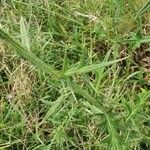
Cirsium vulgare
Spear Thistle · Bull Thistle · Scottish thistle · Black thistle · Scotch thistle
Description
Source: leafsnapCirsium vulgare, commonly known as Bull Thistle, is a biennial plant belonging to the Asteraceae family. Originally native to Europe and Asia, it has been introduced and naturalized in North America. This plant can grow up to 2 meters tall, with a stout stem covered in spiny wings. Its leaves are deeply lobed and edged with sharp spines. Bull Thistle produces large purple or pink flowers that bloom from July to September. These flowers, arranged in clusters at the top of the stem, attract bees, butterflies, and other pollinators. The plant thrives in full sun or partial shade and can adapt to various soil types, although it performs best in well-drained soils. It is commonly found along roadsides, in fields, meadows, pastures, and even in disturbed areas such as abandoned lots. Cirsium vulgare has been used for medicinal purposes for centuries due to its anti-inflammatory properties, which make it useful for treating skin conditions such as eczema and psoriasis. However, it should be noted that this plant can become invasive if not properly managed, as it produces large amounts of seeds that spread easily by wind or animals. Overall, Cirsium vulgare serves an important ecological role by providing food sources for pollinators, while also having a long history of medicinal use by humans. Despite its benefits, it is considered an invasive species today.
💡 While bull thistle is often seen as an invasive or harmful weed in some areas, it does offer certain benefits to farmers. This plant attracts beneficial insects and birds. In addition to providing nectar for pollinators, it serves as food for the American Goldfinch, which feeds on its seeds. Other birds might use its fibers to build their nests.
🌳 Bull thistle is an important ecological species because it provides nectar to pollinators like bees and butterflies. Surprisingly, it can also serve as a bioindicator: its growth patterns can reveal the presence of certain heavy metals in the soil, making it a natural tool for bioremediation and environmental monitoring.
🎭 Power, defense, hindrance, problem, hostility, do not interfere
Care Guide
💧 Water Every 7 days
Bull thistle, native to temperate regions, flourishes in environments with moderate moisture. For optimal health, it requires weekly watering. This plant primarily grows outdoors and relies on seasonal rains to meet its water needs, showcasing its ability to efficiently use rainfall during its active growth periods.
When Should I Water My Bull Thistle?
Watering your bull thistle is essential for maintaining its health and supporting optimal growth, vibrant flowers, and disease resistance. It's time to water when the top 1 to 2 inches of soil around the base of the plant feels dry. Additionally, wilted or discolored leaves and stunted growth are signs the plant needs water. During the pre-flowering stage, consistent watering is crucial to prevent bud drop and ensure full flowering. Keep in mind that bull thistle's water needs increase with higher temperatures and sunlight exposure. Avoid watering too early or too late to prevent root diseases from over-watering and stress or death from dehydration.
How Should I Water My Bull Thistle?
Watering bull thistle correctly involves considering its specific needs for soil moisture without over-watering. A bottom-watering approach, where the plant pot is placed in water, allows for thorough moisture absorption at the roots while preventing surface saturation. Utilizing a watering can with a narrow spout directs water to the base instead of the foliage, reducing disease risk. A moisture meter can provide precise guidance on when to water by measuring soil moisture levels. Remember, it's crucial to avoid getting the foliage wet to minimize disease risks.
How Much Water Does Bull Thistle Really Need?
Bull thistle's watering needs reflect its taproot system's ability to tap into deeper moisture, granting it a degree of drought tolerance. Aim for a thorough watering once every 7-10 days during growth periods, adjusting for plant size and pot dimensions. Typically, 1-2 liters per watering session suffices for a plant in a 10-inch pot. Adequate hydration is marked by green, turgid leaves and robust growth. Over or under-watering can manifest through yellowing leaves, dropped foliage, or an unhealthy appearance, highlighting the importance of balanced watering practices.
What Kind of Water is Best for Bull Thistle?
Bull thistle's preference for water quality is specific, favoring distilled water due to its purity, although rainwater and filtered water are also good options if they're clean and free from pollutants. Tap water can be used if other sources aren't available, but it's essential to be cautious of chlorine and fluoride contents, which can stress the plant. Dechlorinating tap water by letting it sit for 24 hours or using a filtration system can make it safer for the plant. Bull thistle prefers water at room temperature, avoiding shock from extreme temperature differences.
How Do Bull Thistle's Watering Needs Change with the Seasons?
Seasonal changes significantly affect bull thistle's watering needs. In spring, focus on keeping the soil consistently moist, adjusting watering to early morning or late evening. Summer requires less water due to the plant's drought resistance, but ensure the top soil layer remains moist. Watering demand decreases further in autumn, preparing the plant for dormancy, so allow the top inch of soil to dry between watering. During winter, minimal watering is needed, just enough to prevent the soil from completely drying out, especially in drier climates.
☀️ Light Full sun
Healthy growth of bull thistle depends on plentiful light. Originating from sunny habitats, it can tolerate moderate light levels. Its light requirements do not vary across growth stages. Insufficient light may impede growth, while excessive exposure may cause some harm to the plant.
What are the sunlight requirements for Bull thistle?
Bull thistle requires full sun, defined as above 6 hours of sunlight per day, or partial sun, which is about 3-6 hours of sunlight daily. It's important to watch the movement of sunlight through your garden and select spots that offer an appropriate balance for your plants. This ensures their health and happiness by providing the right amount of light and shade.
What are the essential light conditions for Bull thistle's growth?
Bull thistle thrives in environments with abundant light, having evolved in areas rich in sunlight. It can tolerate moderate light conditions, and its light requirements do not vary significantly across different growth stages. Without sufficient light, the plant's growth may be impaired, whereas too much light can cause damage. When natural sunlight is inadequate, especially in winter or less sunny locations, artificial lighting can be employed to support optimal growth. Adequate indoor lighting involves choosing the right light type, such as LED lights, setting the correct wattage based on the plant's sunlight needs, adjusting the distance between the light and the plant, and mimicking natural daylight hours.
What symptoms indicate a Bull thistle is not receiving the right amount of light?
When Bull thistle doesn't get enough light, it may show symptoms such as smaller new leaves, leggy or sparse growth, faster leaf drop, delayed or halted growth, and paler new leaves. Excessive sunlight can cause chlorosis, sunscald, leaf curling, wilting, and leaf scorching. These symptoms indicate either a deficiency or an excess of light, affecting the plant's health and its ability to photosynthesize properly.
What solutions can address Bull thistle's light-related issues?
To address light-related issues in Bull thistle, gradually introduce the plant to more sunlight until it receives at least 6 hours of direct daylight, particularly using a south-facing window to maximize exposure. For plants that cannot be moved easily or are too large, artificial lighting, such as desk or ceiling lamps or professional grow lights, can provide additional light. Outdoor plants should be moved gradually to sunnier spots to avoid shock and sunburn. Reducing obstructions such as overhanging branches can also help. For smaller plants, transplanting during the dormant season to a location with more sunlight and better drainage is beneficial. It's crucial to understand that parts of the plant already damaged by poor light exposure may not recover, but new growth will be healthy once the light conditions improve.
🌡️ Temperature 0–35°C
Bull thistle originates in habitats with moderate temperature ranges, ideally 68 to 95 °F (20 to 35 °C). It tolerates seasonal temperature changes but may need extra care in extreme conditions. Adjust conditions as needed to keep it within its preferred range.
What is the ideal temperature range for Bull thistle?
Bull thistle thrives in moderate temperature environments, ideally with a range between 68 to 95 °F (20 to 35 °C). The plant adapts well to seasonal temperature shifts but requires adjustments to maintain its preferred temperature range, especially under extreme conditions.
Does Bull thistle need frost protection during winter?
Bull thistle has strong resistance to cold and typically does not require special frost protection during winter. However, in conditions where winter temperatures are expected to drop below -40°C, it is important to provide protection. This can be done by covering the plant with soil or straw. Additionally, watering the plant abundantly before the first freeze in autumn ensures the soil remains moist and enters a frozen state to help prevent drought and water scarcity during winter and early spring.
How does Bull thistle react to low temperatures?
Bull thistle is cold-tolerant and prefers temperatures above 20°C, managing well above 0°C during winter. However, if temperatures fall below -40°C, there may not be noticeable changes immediately, but there could be a decrease in sprouting or no sprouting at all come springtime. The solution for any parts that have failed to sprout is removal in the spring.
What happens to Bull thistle in high temperatures, and how can you care for it?
In summer, Bull thistle should be kept below 35°C. Exceeding 41°C can cause the leaves to become lighter in color, prone to curling, susceptible to sunburn, and in severe cases, the plant may wilt and dry out completely. To care for Bull thistle in such conditions, trim away the sunburned and dried-up parts. Relocate the plant to a shadier location or use a shade cloth to protect it from the midday and afternoon sun. Additionally, ensure that the plant is watered in the morning and evening to keep the soil moist.
💨 Humidity
🪴 Soil 6-7
🌱 Fertilizer
Bull thistles are considered heavy feeders in terms of nutrients. They need frequent, small doses of nitrogen and potassium fertilizers and periodic applications of phosphorus, micronutrients, sulfur, and magnesium to support good growth and bright coloration. Continuous fertilization throughout the growing season is required to prevent deficiency symptoms and maintain optimal growth.
🪴 Pot & Repot Every 12 months
✂️ Pruning
🌿 Propagating
🐛 Diseases & pets
☠️ Toxicity
The plant is used for edible purposes so it is non-toxic.
Characteristics
- Plant Type
- Herb
- Life Cycle
- Biennial, Annual
- Genus
- Cirsium
- Family
- Asteraceae
- Hardiness Zone
- 2-10
- Mature Height
- 0.91 m to 2.44 m
- Mature Spread
- 30 cm
- Leaf Color
- Green
- Leaf Type
- Deciduous
- Flower Color
- Purple, Lavender
- Flower Size
- 2.54 cm to 5.08 cm
- Bloom Time
- Early summer, Mid summer
- Planting Time
- Winter, Spring
- Harvest Time
- Mid summer
- Native Area
- Turkey, Sweden, Austria, Slovakia, Montenegro, Pakistan, Slovenia, Morocco, Croatia, Yemen, Belarus, Uzbekistan, Russia, Iraq, Germany, Estonia, Romania, Latvia, Belgium, Moldova, Portugal, Netherlands, Saudi Arabia, France, Tajikistan, Tunisia, Czech Republic, Cyprus, Bulgaria, Armenia, Greece, North Macedonia, Ukraine, Serbia, Lebanon, Lithuania, Norway, China, Afghanistan, Syria, Kyrgyzstan, Kazakhstan, Spain, Switzerland, Denmark, Finland, Bosnia and Herzegovina, Iran, Albania, Ireland, United Kingdom, Algeria, Azerbaijan, Turkmenistan