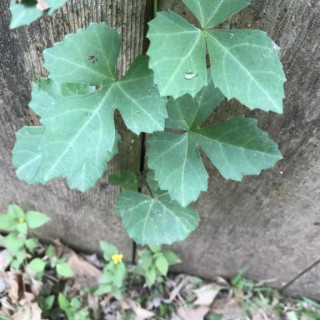
Cissus trifoliata
Vine-sorrel · Marine-ivy · Marinevine · Ivy treebine · Possum-grape
Description
Source: leafsnapCissus trifoliata, known variously as possum-grape, sorrelvine, or vine-sorrel, is a New World plant species in the grape family. It is native to the southern United States, Mexico (Quintana Roo, Yucatán, Michoacán, Oaxaca, Puebla, Veracruz, Baja California, Chihuahua, Coahuila, Durango, Nuevo León, San Luis Potosí, Sinaloa, Sonora, and Tamaulipas), Venezuela, Colombia and perhaps Ecuador (Loja). It is also dispersed among some islands in the Caribbean (Aruba, Bahamas, Cuba, Hispaniola, Jamaica, Puerto Rico, and St. Croix and St. Thomas in the U.S. Virgin Islands).
🎭 Reproductive Ability, Garden Area, Sorcery, Psychic Powers
Care Guide
💧 Water
Sorrelvine thrives best in tropical conditions, where it requires consistent moisture and benefits from weekly watering. Although it can tolerate moderate drought, it grows more vigorously outdoors. Natural rainfall and seasonal changes provide essential support for its optimal growth.
☀️ Light Partial sun
Sorrelvine does best with moderate sunlight but can tolerate both very sunny and shaded conditions. Its origin in a variety of light environments gives it adaptability. Too little or too much sun does not significantly affect its growth, although ideal light promotes the best development.
🌡️ Temperature 20–35°C
Sorrelvine originates from areas with warm temperatures, typically between 20 and 35 ℃ (68 to 95 ℉). It favors a consistently warm climate and can have difficulty in extremely hot or cold conditions. During colder seasons, keeping the plant at 18 to 28 ℃ (64 to 82 ℉) is important for proper growth.
💨 Humidity
🪴 Soil 6-7
🌱 Fertilizer
Usually a single fertilizer application in spring is enough for Sorrelvine, although multiple feedings can maximize growth. Feed every month to a month and a half. Fertilization improves leaf appearance and function, helping maintain consistent color and a healthy texture. It also encourages root development and nutrient absorption for the plant’s long-term health.
🪴 Pot & Repot 2-3 years
Repot Sorrelvine in early spring, selecting a container only slightly larger than the existing one and with adequate drainage. Use a well-draining potting mix and place the root ball at the same level as before. Gently loosen any root-bound roots. After repotting, water thoroughly and set it in a warm, shady spot. Regular pruning keeps the plant’s size under control and encourages new growth.
✂️ Pruning
Pruning sorrelvine from early to late spring helps promote healthy growth and maintain its shape. This involves removing dead stems and managing overgrowth, which enhances air circulation and allows more light to penetrate. Regular maintenance ensures that the sorrelvine remains an attractive feature in your garden while reducing the risk of disease.
🌿 Propagating
🐛 Diseases & pets
☠️ Toxicity
Characteristics
- Plant Type
- Vine, Herb
- Life Cycle
- Perennial
- Genus
- Cissus
- Family
- Vitaceae
- Hardiness Zone
- 9-10
- Mature Height
- 4.57 m
- Mature Spread
- 3.05 m
- Leaf Color
- Green
- Leaf Type
- Deciduous
- Flower Color
- Yellow, Green
- Flower Size
- 2.54 cm
- Bloom Time
- Early summer, Mid summer
- Planting Time
- Spring
- Harvest Time
- Mid summer
- Native Area
- Colombia, Bahamas, Cuba, Mexico, Guatemala, Venezuela, Peru, Nicaragua, Ecuador, Jamaica