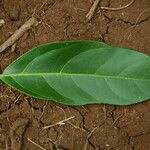
Citharexylum caudatum
Juniper-Berry · Fiddlewood
Care Guide
💧 Water
☀️ Light Full sun
Spiny fiddlewood grows best with plenty of light, though it can still survive when sunlight is somewhat blocked. This quality comes from its native habitat, where abundant light is typical. However, too much sun can scorch its leaves, while too little light prevents optimal growth.
🌡️ Temperature 20–37.8°C
Spiny fiddlewood comes from warm climates and prefers temperatures between 68 and 100°F (20 to 38℃). It does well in places where temperatures fall within its native range. In cooler areas, seasonal adjustments may be necessary for optimal growth.
💨 Humidity
🪴 Soil 6-7
🌱 Fertilizer
The best time to fertilize a Spiny fiddlewood is in early spring, when it breaks dormancy. Doing so promotes overall growth and the development of flowers. Fertilization improves the foliage, stems, and branches, and encourages flowers that are larger, more vivid, and longer-lasting. It also helps move nutrients from the roots to the flowers and enhances the plant's health and resistance to disease.
🪴 Pot & Repot
✂️ Pruning
🌿 Propagating
🐛 Diseases & pets
☠️ Toxicity
Characteristics
- Plant Type
- Tree, Shrub
- Life Cycle
- Perennial
- Genus
- Citharexylum
- Family
- Verbenaceae
- Hardiness Zone
- 10-11
- Mature Height
- 14.94 m
- Mature Spread
- 2.44 m to 7.62 m
- Leaf Color
- Green
- Leaf Type
- Evergreen, Deciduous
- Flower Color
- White
- Flower Size
- 0.51 cm to 1.02 cm
- Bloom Time
- Late spring, Early summer, Mid summer
- Planting Time
- Spring, Autumn
- Harvest Time
- Mid summer, Late summer, Early fall
- Native Area
- Bahamas, Cuba, Venezuela, Guyana, Panama, Jamaica