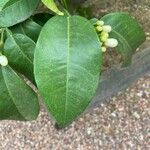
Citrus maxima
پاملا · Pomelo · Shaddock · Pummelo · Bali lemon
Description
Source: leafsnapCitrus maxima, commonly known as pomelo or shaddock, is a citrus fruit tree belonging to the Rutaceae family. Native to Southeast Asia, this tree is extensively cultivated in tropical and subtropical regions worldwide. It can reach up to 15 meters in height and features a dense canopy of dark green leaves. The fruit of Citrus maxima is large and either round or oblong, with a thick rind that varies in color from greenish-yellow to pinkish-red. Inside, the flesh can be white or pinkish-red and offers a sweet-tart flavor reminiscent of grapefruit. Citrus maxima trees thrive in warm climates with well-drained soil. They require regular watering and fertilization for optimal growth and fruit production. The fruits are often enjoyed fresh but can also be used in salads, jams, marmalades, juices, cocktails, and even traditional medicine. These fruits are rich in vitamin C, which boosts immunity against diseases like scurvy, and their high fiber content aids digestion. Additionally, they contain antioxidants that help protect against cancer-causing free radicals and promote healthy skin due to their high vitamin A content. Overall, the Citrus maxima plant provides substantial nutritional benefits and is easy to grow, making it an attractive addition to any garden landscape for both its utility and aesthetic appeal.
🎭 Love that is bitter
Care Guide
💧 Water Every 7 days
☀️ Light Full sun
Pomelo prospers in locations that receive continuous sunlight throughout the day. Still, it can tolerate areas where sunlight is mixed with intervals of shade. Its native habitat and cultivation conditions reflect this requirement for light. Too much sun or too little can negatively impact its growth and health.
🌡️ Temperature 20–37.8°C
Pomelo originates from regions where temperatures fall between 68 and 100 °F (20 and 38 °C). These trees favor warmer conditions and often have difficulty in colder environments. Adjusting conditions across seasons to replicate this temperature range will support pomelo growth.
💨 Humidity normal (40-60%)
This plant will thrive in moderate humidity, which is probably the level in your home. However, misting it a few times a week can be very beneficial. Make sure the room has good ventilation.
🪴 Soil 6-6
🌱 Fertilizer
Use organic fertilizers (e.g., fish emulsion, compost) instead of chemical ones for Pomelo. Give young plants increased nitrogen and phosphorus in spring. Incorporate compost or fertilizer into the soil before or just after planting. For mature trees, apply a balanced fertilizer or one targeted to specific deficiencies in spring. Nutrient deficiency results in small leaves, short branches, yellow/bronze foliage, acidic fruits, premature fruit fall, and splitting.
🪴 Pot & Repot
✂️ Pruning
🌿 Propagating
🐛 Diseases & pets
☠️ Toxicity
Characteristics
- Plant Type
- Tree, Shrub
- Life Cycle
- Perennial
- Genus
- Citrus
- Family
- Rutaceae
- Hardiness Zone
- 9-11
- Mature Height
- 4.88 m to 15.24 m
- Mature Spread
- 3.05 m
- Leaf Color
- Green, Purple
- Leaf Type
- Semi-evergreen
- Flower Color
- White
- Flower Size
- 1.52 cm to 2.03 cm
- Bloom Time
- Late spring, Early summer
- Planting Time
- Spring, Autumn
- Harvest Time
- Mid summer, Late summer, Fall, Winter
- Native Area
- Indonesia