Citrus × microcarpa
Calamondin · Jherruk kalamondhin · Calamansi · Bitter-sweets
Description
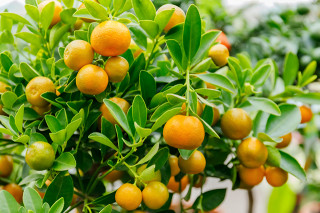
Source: leafsnapCalamondin (Citrus x microcarpa), also known as the Calamansi, Musk lime, Panama orange, Calamondin orange, Philippine lime, Philippine lemon, Golden lime, China orange, Limau kasturi, or the Limau kuit, is believed to be native to China and was brought to Indonesia and the Philippines in ancient times. It has become the most significant source of citrus juice in the Philippine Islands and is extensively cultivated in India, southern Asia, and Malaysia. It is a popular decorative yard tree in Hawaii, the Bahamas, several West Indian islands, and portions of Central America. This plant may grow to a height of 10–20 feet but is generally considerably shorter. Little spines may be seen on the branches of developing calamondin trees, which exhibit fantastic orange-scented blooms that mature into small orange fruits, 1 inch in diameter, like tangerines.
Care Guide
💧 Water Every 2 weeks
☀️ Light
🌡️ Temperature
The Calamondin plant likes normal indoor temperatures of 65-75 degrees Fahrenheit all year. They can withstand temperatures of up to 80 degrees Fahrenheit in the summer and a minimum of 50 degrees Fahrenheit in the winter. Furthermore, they like moderate relative humidity levels of 40-50 percent.
💨 Humidity normal (40-60%)
This plant will thrive in moderate humidity, which is probably the level in your home. However, misting it a few times a week can be very beneficial. Make sure the room has good ventilation.
🪴 Soil
🌱 Fertilizer
Feed the Calamondin plant a slow-release fertilizer in the spring. Fertilize regularly with a full-strength water-soluble citrus fertilizer throughout the growth season. Dilute the fertilizer to half strength in the winter and apply it every fifth week.
🪴 Pot & Repot
✂️ Pruning
Calamondin simply requires gentle, infrequent trimming to remove diseased, damaged, or dead branches. Pinch or trim back spurs and water sprouts that form at the base of the trunk.
🌿 Propagating
🐛 Diseases & pets
☠️ Toxicity
Calamondin is non-toxic and edible to humans. It is harmful to animals, however, since it generates limonene and linalool, as well as phototoxic chemicals known as psoralens. When growing near pets, use extra precautions.
Characteristics
- Plant Type
- Citric, broad-leaf, evergreen tree
- Genus
- Citrus
- Family
- Rutaceae
- Hardiness Zone
- 9-11
- Bloom Time
- July - August
- Native Area
- China