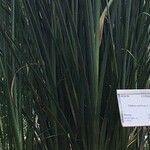
Cladium mariscus
Great Fen-sedge · Swamp sawgrass · Fen Sedge · Saw Grass · Saw Sedge
Description
Source: leafsnapCladium mariscus, commonly known as sawgrass or bulrush, is a perennial plant from the Cyperaceae family. It is native to wetlands and marshes across Europe, Asia, and North America. The plant has long, green leaves that are sharp and saw-like at the edges and can grow up to 3 meters in height, forming dense clumps. Sawgrass is a crucial component of wetland ecosystems, providing habitat for a variety of wildlife, including birds, reptiles, amphibians, and insects. Additionally, the plant helps stabilize soil and prevent erosion along riverbanks. Beyond its ecological significance, Cladium mariscus has been utilized by humans for various purposes throughout history. Native Americans used its leaves to weave baskets and mats, and its stems to make arrows. Today, sawgrass is still harvested commercially for landscaping projects, such as erosion control along waterways and creating natural barriers around ponds or lakes. In summary, Cladium mariscus is an important species both ecologically and culturally, making its conservation a valuable endeavor.
Care Guide
💧 Water Every 7 days
Swamp sawgrass thrives in wetland environments, where it benefits from consistently moist soil and high humidity. To keep the soil adequately moist, it's important to water the plant weekly. As an evergreen plant, swamp sawgrass is vital to the ecosystem, as it plays a significant role in the water cycle through its high rate of transpiration.
What should I do if I give my Swamp sawgrass too much or too little water?
Proper watering is crucial for the performance of this beautiful ornamental grass. When planted in the ground, watering issues can be resolved. However, when planted in a container, excess or insufficient water can quickly kill Swamp sawgrass. If Swamp sawgrass doesn't receive the right amount of water, it may stop growing. Overwatering can cause yellow leaves with brown tips, while underwatering can lead to drooping leaves, weak seed head production, and browned leaves. If you suspect incorrect watering, first determine if the problem is too much or too little water. If it's too much water, stop watering immediately and give the soil time to dry out. Once you see new growth, test the soil for moisture before deciding if more water is needed. If the problem is too little water, simply provide a good, deep drink to see if the grass perks up. In any case, remember that longer, deeper waterings are better than frequent shallow ones. This encourages the growth of deep roots, making the grass more drought resistant and less susceptible to watering issues.
How frequently should I water my Swamp sawgrass?
The watering needs of Swamp sawgrass will vary depending on its planting location. Generally, it is recommended to water this grass once a week. In hot climates, watering once or twice a week in the summer may be necessary. In moderate climates, watering once every seven days or more may be sufficient. Grass in containers usually requires more frequent watering compared to grasses planted in the ground. However, the watering frequency also depends on the species and the location of the grass. For example, Swamp sawgrass can thrive in full sun or part shade. Shaded grasses generally need to be watered less frequently than in-ground grasses. It is important to only water Swamp sawgrass when the soil is dry. Several signs can help determine when to water, such as pressing a finger a couple of inches into the soil to check for dryness. In the case of potted grass, weighing the grass with a portable scale can indicate if it is light due to lack of water. Additionally, folded blades and thinner appearance may indicate insufficient water for the roots. Despite its drought tolerance, regular and deep waterings will maintain the beauty of Swamp sawgrass. In its natural habitat of open scrubland, this grass is exposed to extreme heat, bright sun, and intermittent rain. While drought resistant, it still requires care and attention, and consistent watering is beneficial. When newly planted, Swamp sawgrass will need more frequent watering until its roots are established. Potted grass in particular tends to dry out quickly, especially if exposed to hot, direct sun. Testing the soil every 3 to 4 days and watering when it feels dry is advisable. On the other hand, Swamp sawgrass planted in the ground generally needs less watering, although the soil type plays a role. Heavy clay soil tends to retain moisture below the surface, even if it feels dry on top. Sandy soils that drain quickly will require more frequent watering.
What do I need to be cautious about when I water my Swamp sawgrass in different seasons, climates, or during different growing periods?
To determine if you are watering enough, observe the growth rate of your grass. Swamp sawgrass, for example, can double in size within a year during the hottest months. If the weather is hot but the grass isn't growing vigorously, adjust your watering schedule. In winter, watering once a month might be sufficient, but always check the soil for moisture. During the warmest months, the grass will require more water than usual, while in winter and cooler months, water needs will be significantly lower. Remember to allow the soil to dry out completely before watering.
☀️ Light Full sun
Swamp sawgrass thrives with ample sunlight. Plenty of light supports its healthy growth. While adaptable, it can also tolerate a degree of shade. Too much shading can impede its development, but because it originates from marshes it can cope with less sunny conditions.
What are the sunlight requirements for Swamp sawgrass?
Swamp sawgrass thrives best in full sun conditions, which means it requires more than 6 hours of sunlight per day to grow healthily. It can also tolerate partial sun, receiving about 3-6 hours of sunlight daily. However, it's essential to observe how sunlight moves through your garden and to select locations that provide a good balance of light and shade. This ensures the plants receive the optimal light needed for their growth, making them happy and healthy.
How does exposure to sun and shade affect Swamp sawgrass?
Swamp sawgrass benefits significantly from plentiful sun exposure, as abundant light supports its healthy growth. Although it is a versatile plant that can handle some shade, too much shading can interfere with its development. Originating from marshland environments, it has some tolerance for less sunny conditions. It's crucial to watch for the right balance in light exposure to prevent growth problems related to either excessive shade or sunlight.
What artificial lighting requirements do Swamp sawgrass need when grown indoors?
When growing Swamp sawgrass indoors, adequate lighting is fundamental for its growth, especially in situations where natural sunlight is insufficient. Artificial lighting can be a valuable solution, offering vital support for healthier, faster growth. LED lights are recommended due to their ability to be tailored to provide specific light wavelengths needed by plants. For full sun plants, 30-50W/sq ft is needed; for partial sun plants, 20-30W/sq ft; and for full shade plants, 10-20W/sq ft. The light source should be placed 12-36 inches above the plant to mimic natural sunlight conditions, and plants in general need about 8-12 hours of light per day.
What are the symptoms of light deficiency in Swamp sawgrass?
Symptoms of light deficiency in Swamp sawgrass may include smaller new leaves, leggy or sparse growth, faster leaf drop, slower or no new growth, lighter-colored new leaves, and conditions such as chlorosis, sunscald, leaf curling, wilting, and leaf scorching. These symptoms indicate the plant is not receiving adequate sunlight, affecting its ability to photosynthesize, grow, and maintain its overall health.
How can I provide sufficient light to Swamp sawgrass growing indoors and outdoors?
To ensure Swamp sawgrass receives enough light when grown indoors, you can gradually move the plants to sunnier locations each week until they receive at least 6 hours of direct sunlight daily. Use south-facing windows and keep curtains open during the day for maximum exposure. Artificial lighting, such as desk lamps or professional grow lights, can supplement light, especially when the plant is large or difficult to move. Outdoors, it's crucial to gradually move plants to sunnier spots while avoiding sudden changes in light intensity to prevent sunburn. Ensure that new growth after increasing light exposure is healthy, though parts of the plant that were previously affected by insufficient light may not recover fully.
🌡️ Temperature 5–35°C
Swamp sawgrass can tolerate a wide range of temperatures, although its distribution may still be restricted by various combinations of water and heat conditions. It grows best in warm summer climates with sufficient rainfall or watering. Extended periods of cloudy, rainy weather and prolonged high temperatures can raise the chances of Swamp sawgrass dying. In winter, protecting the plant from cold can increase its likelihood of survival.
💨 Humidity
🪴 Soil 4-6
🌱 Fertilizer
Swamp sawgrass needs extra nutrients to encourage healthy new growth. In spring, adding some compost around the plant’s base can provide the necessary nutrition. Fertilizing helps support vigorous growth and helps the plant resist diseases and pests.
🪴 Pot & Repot
✂️ Pruning
Swamp sawgrass flourishes in wetland environments and benefits from pruning in early spring to promote healthy growth. Carefully remove dead foliage, being mindful not to over-trim, as this can weaken the plant. Regular pruning improves air circulation, reduces the risk of disease, and keeps the plants looking their best. For optimal results, use sharp, sterile tools.
🌿 Propagating
🐛 Diseases & pets
☠️ Toxicity
Characteristics
- Plant Type
- Grass
- Life Cycle
- Perennial
- Genus
- Cladium
- Family
- Cyperaceae
- Hardiness Zone
- 5-9
- Mature Height
- 2.44 m
- Mature Spread
- 49 cm to 91 cm
- Leaf Color
- Dark Green
- Leaf Type
- Evergreen
- Flower Color
- Yellow, Green, Brown
- Flower Size
- 0.25 cm to 0.51 cm
- Bloom Time
- Early summer, Mid summer
- Planting Time
- Spring, Summer, Autumn
- Harvest Time
- Late summer, Early fall
- Native Area
- Egypt, Turkey, Sweden, India, Austria, Slovakia, Montenegro, Pakistan, Slovenia, Croatia, Belarus, Uzbekistan, Russia, Iraq, Germany, Estonia, Romania, Latvia, Belgium, Portugal, Netherlands, Saudi Arabia, France, Tajikistan, Czech Republic, Cyprus, Bulgaria, Poland, Greece, Ukraine, Serbia, Lithuania, Norway, Syria, Kyrgyzstan, Kazakhstan, Italy, Spain, Switzerland, Denmark, Finland, Iran, Albania, Ireland, United Kingdom, Hungary, Algeria, Azerbaijan, Turkmenistan