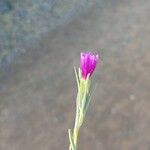
Clarkia purpurea
Winecup clarkia · Purple clarkia · Winecup fairyfan
Description
Source: leafsnapClarkia purpurea is a species of wildflower known by the common names winecup clarkia, winecup fairyfan, and purple clarkia. This annual plant is native to western North America, including: Baja California; California; Arizona; Oregon; Washington; and British Columbia. — where it is found in a diverse variety of habitats. In the California Floristic Province it is found in all the zones, except the deserts, from the coasts to high interior mountains, including the Sierra Nevada.
Care Guide
💧 Water
Native to the Mediterranean regions, winecup clarkia thrives in environments with moderate moisture levels. It can handle short periods of dryness, but watering it weekly helps maintain optimal hydration without causing over-saturation. This plant flourishes in sunny locations and benefits from mulching, which helps retain soil moisture and reduces the need for frequent watering during its active growing season.
☀️ Light Full sun
Winecup clarkia mainly does best in full sun but can also tolerate spots with some shade. Sunlight supports the plant's health and growth. In the wild it is commonly found in open, well-lit areas. Both too much and too little sun can weaken it and limit its overall growth.
What are the sunlight requirements for Winecup Clarkia?
Winecup clarkia, also known as Clarkia purpurea, thrives predominantly under full sun exposure, which means it requires more than 6 hours of sunlight daily. It can also adapt to partial sun conditions, where it would receive about 3-6 hours of sunlight. The plant's native habitats are typically open areas abundant in sunlight, so ensuring it gets adequate light is essential for its health and growth.
What warning is provided regarding sunlight for gardening?
The warning provided emphasizes the importance of observing how sunlight moves through your garden. It is crucial to choose locations that offer the right balance of light and shade for your plants. This balance ensures plants' happiness and health by providing them with conditions similar to their natural habitats.
How can artificial lighting support plant growth?
Indoor plants, including winecup clarkia, can significantly benefit from artificial lighting, especially when natural sunlight is insufficient. LED lights are popular for indoor plant lighting as they can be customized to provide specific wavelengths needed by plants. The intensity and duration of artificial light should mimic natural conditions as closely as possible, with full sun plants requiring 30-50W/sq ft, partial sun plants needing 20-30W/sq ft, and full shade plants requiring 10-20W/sq ft. The light source should be placed 12-36 inches above the plant and kept on for 8-12 hours per day to mimic natural daylight hours.
What are common symptoms of light deficiency in Winecup Clarkia?
Winecup Clarkia exhibits several symptoms when it lacks sufficient light. These include new leaves growing smaller than previous ones, leggy or sparse growth, premature leaf drop, delayed or halted growth, and leaves developing irregular color patterns or appearing pale, indicating a lack of chlorophyll and essential nutrients. These symptoms point towards a plant struggling with light deficiency and signal the need for intervention to improve light exposure.
What solutions are suggested for improving light exposure for Winecup Clarkia?
Improving light exposure for Winecup Clarkia involves several strategies. Indoors, gradually move plants to sunnier locations to achieve at least 6 hours of daily direct sunlight, utilize south-facing windows, and consider artificial lighting for adequate exposure. Outdoors, plants should be moved to optimal sunlight spots gradually to avoid sunburn. Reducing obstructions, such as pruning trees that block sunlight, and transplanting smaller plants during their dormant period to sunny locations with good drainage, can also help achieve the ideal light conditions for healthy plant growth.
🌡️ Temperature 0–35°C
Winecup clarkia grows best in moderately warm conditions, preferring temperatures of 68 to 95°F (20 to 35℃). Native to temperate regions, winecup clarkia may need adjustments such as shade or protective coverings when temperatures are extreme in summer or winter.
What is the ideal temperature range for winecup clarkia?
Winecup clarkia thrives in moderate warmth, with an ideal temperature range between 68 and 95°F (20 to 35°C). Originating from temperate climates, this plant may need adjustments such as shade or protective covering to cope with extreme summer or winter temperatures. Though winecup clarkia has robust cold resistance, and special frost protection measures are typically not required, it's essential to provide cold protection if winter temperatures are expected to plummet below -35°C by covering the plant with soil or straw. Additionally, to combat drought and water scarcity during winter and early spring, it's advisable to water the plant abundantly before the first freeze in autumn, keeping the soil moist.
How does winecup clarkia react to low temperatures?
Winecup clarkia is known for its cold tolerance, performing best when temperatures stay above 20°C. Throughout the winter, it is crucial to keep the plant above 0°C. In conditions where temperatures drop below -35°C, while there might not be noticeable changes during the winter, a reduction in sprouting or even no sprouting at all might occur in the springtime. To manage this, removing any parts that have failed to sprout in spring is recommended.
What are the consequences of high temperatures on winecup clarkia, and how can they be mitigated?
During the summer months, it is vital to ensure that winecup clarkia's surroundings do not exceed 35°C to prevent heat stress. Exposure to temperatures above 41°C can result in the leaves becoming lighter, curling, and prone to sunburn. In extreme cases, the entire plant may wilt and dry out. To mitigate these issues, trimming away sunburned and dried-up parts is advisable. Moving the plant to a shaded area during midday and afternoon sun or utilizing a shade cloth can also help. Additionally, maintaining soil moisture by watering the plant in the morning and evening can prevent excessive drying.
💨 Humidity
🪴 Soil 6-7
🌱 Fertilizer
After Winecup clarkia has opened most of its flowers to full size, resume fertilizing. When the blooms are at peak production, apply fertilizer every three to four weeks, as the weather allows. Then, once the plant begins producing fewer new flowers, stop fertilizing; there’s no need to feed it when it can’t produce any more blooms.
🪴 Pot & Repot
✂️ Pruning
Winecup clarkia features vibrant flowers and lush foliage. To keep the plant healthy and looking its best, prune it between early and late spring. Remove any dead stems and thin out excessive growth to improve air circulation and light penetration. This will encourage healthier blooms, reduce the risk of disease, and maintain the winecup clarkia's visual appeal and vitality.
🌿 Propagating
🐛 Diseases & pets
☠️ Toxicity
Characteristics
- Plant Type
- Herb
- Life Cycle
- Annual
- Genus
- Clarkia
- Family
- Onagraceae
- Hardiness Zone
- 3-10
- Mature Height
- 15 cm to 52 cm
- Mature Spread
- 49 cm
- Leaf Color
- Green
- Leaf Type
- Deciduous
- Flower Color
- Purple, Pink
- Flower Size
- 1.02 cm to 3.05 cm
- Bloom Time
- Mid spring, Late spring, Early summer
- Planting Time
- Spring, Summer, Autumn
- Harvest Time
- Summer