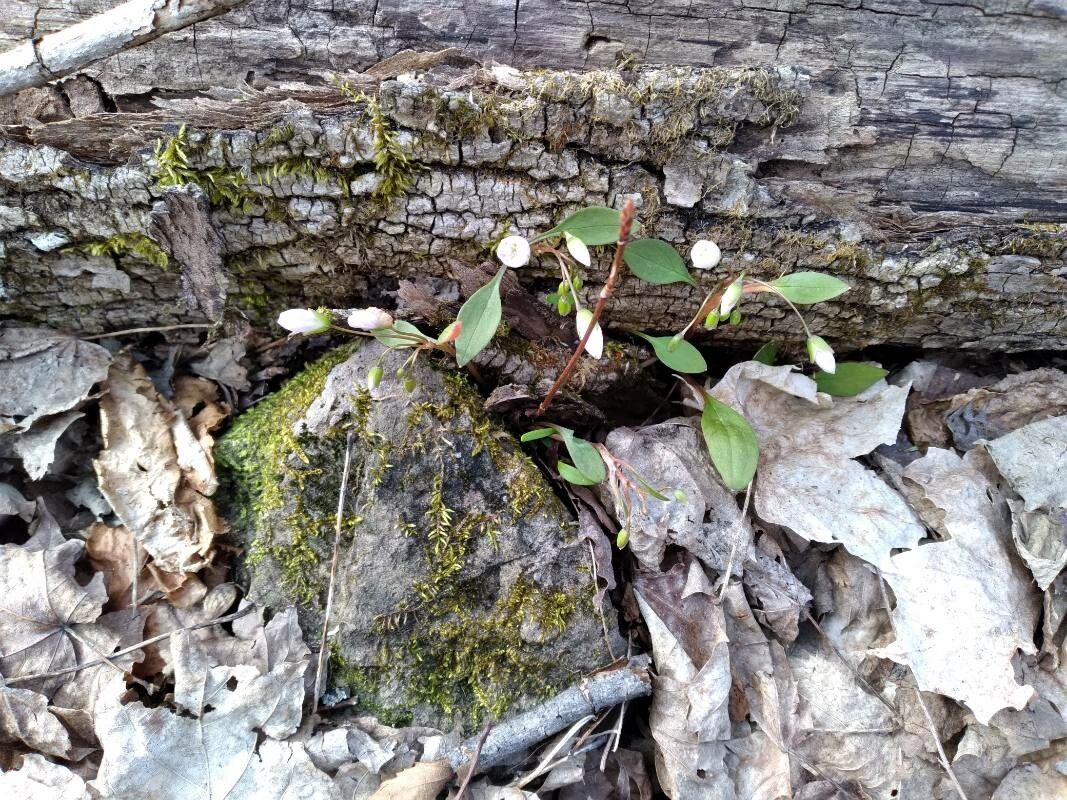
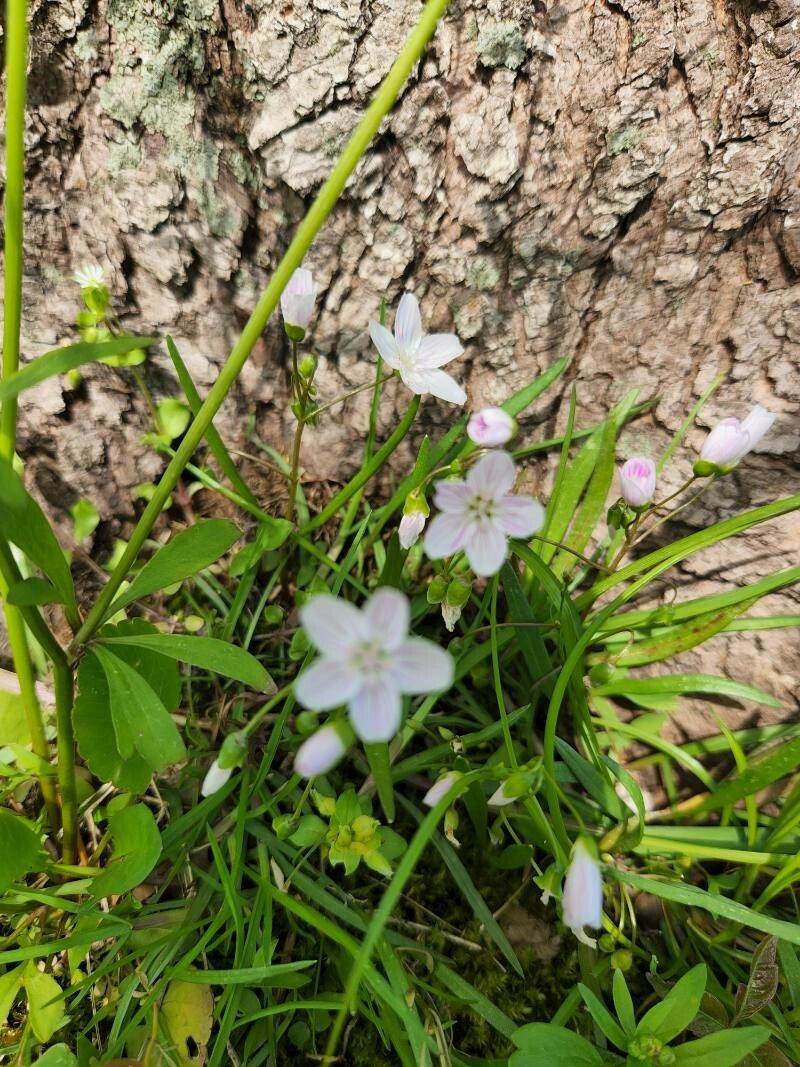
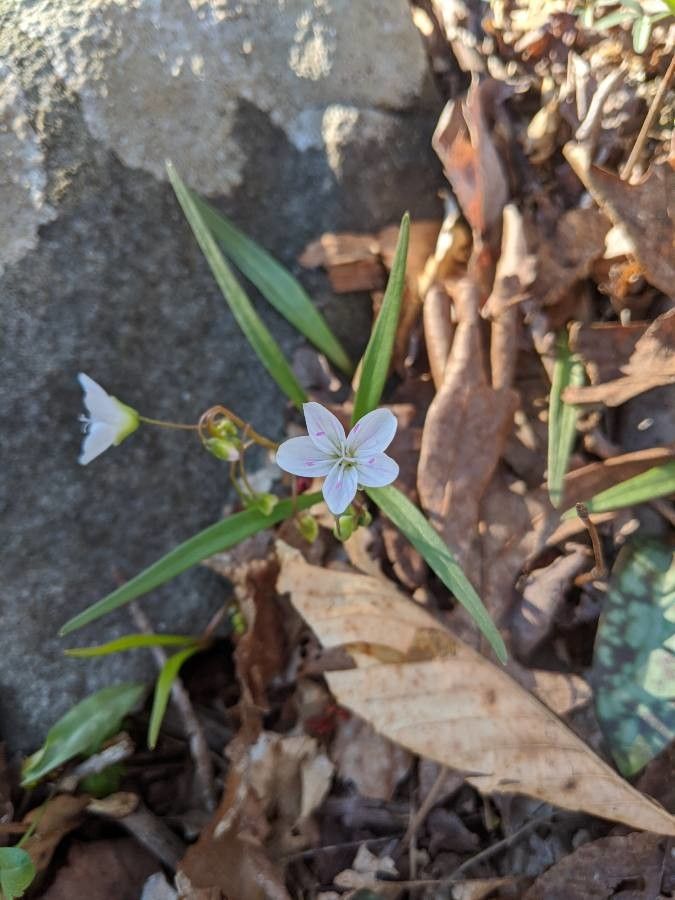
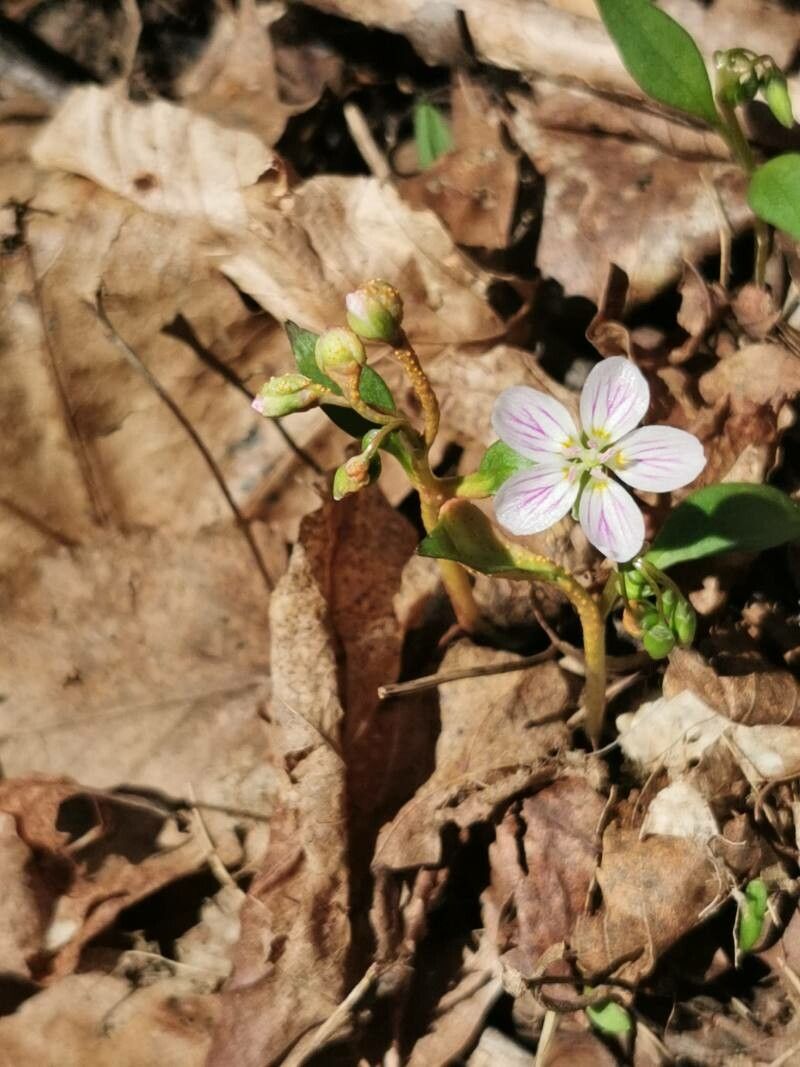
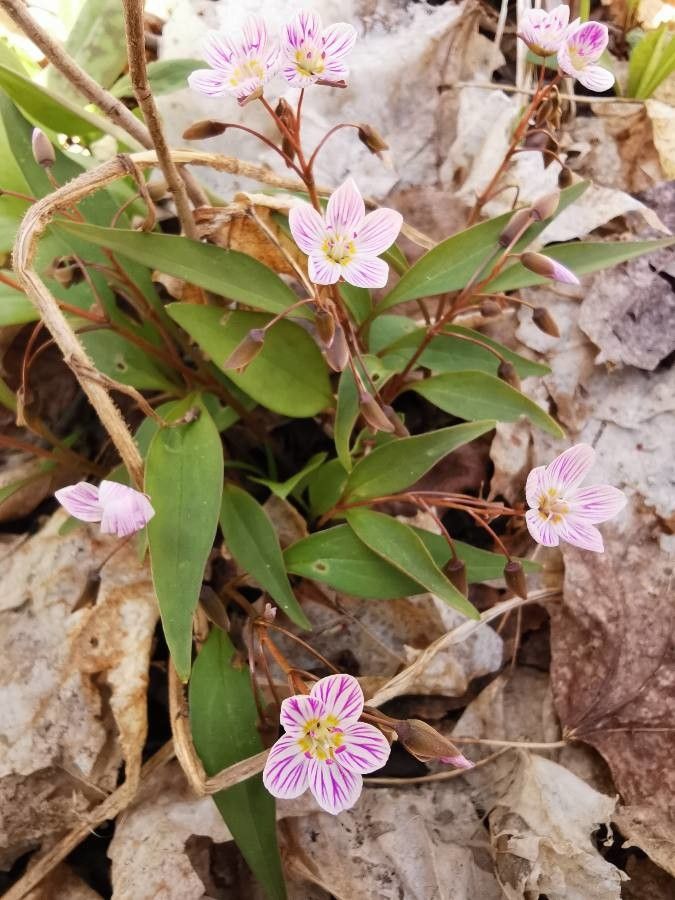
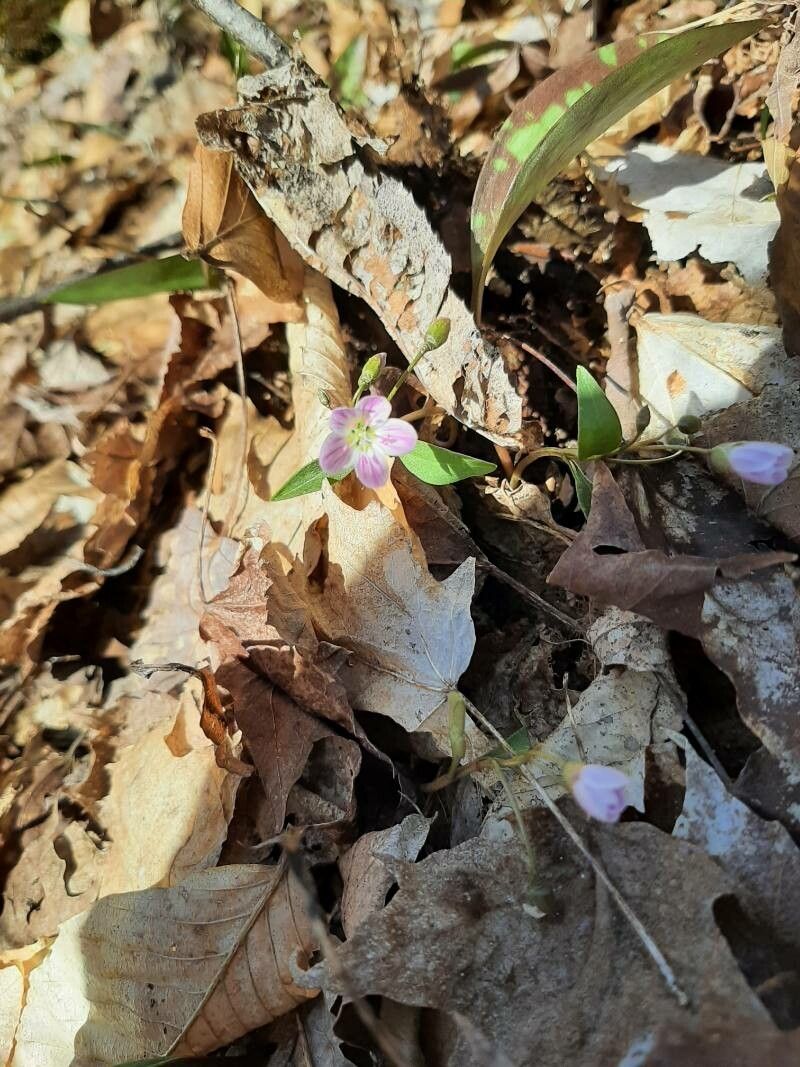
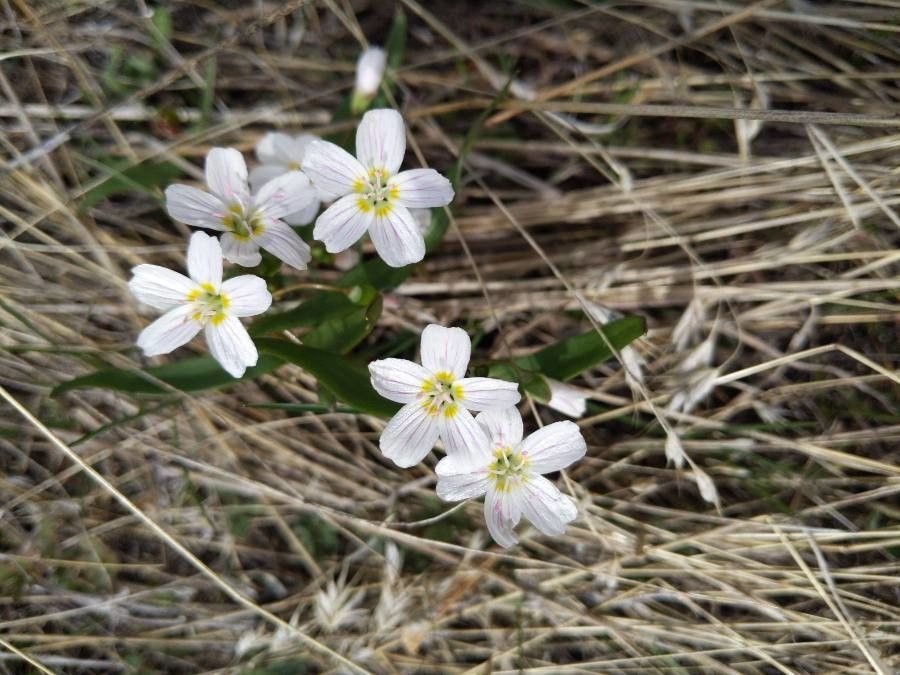
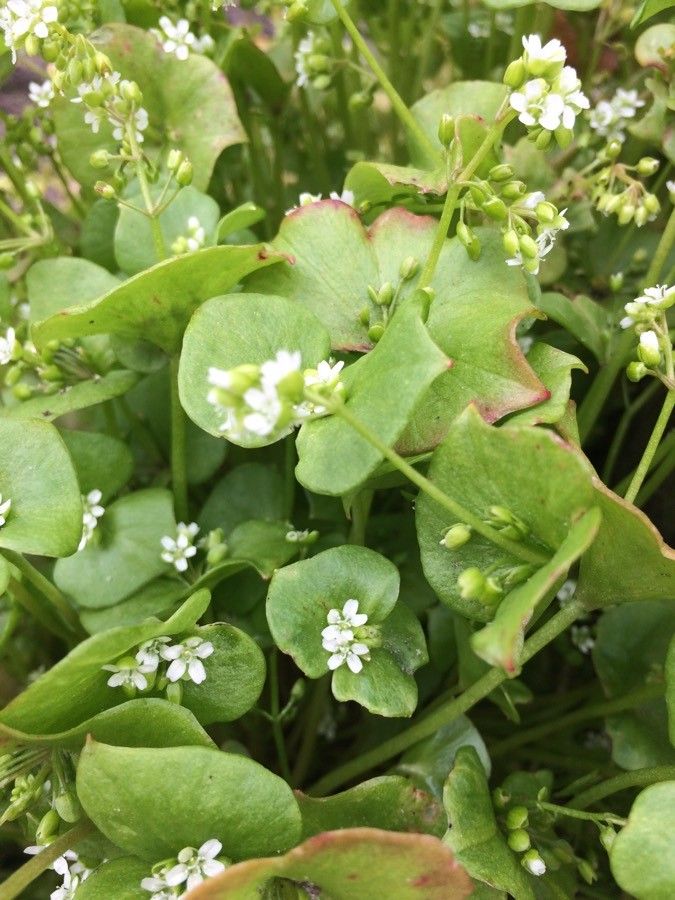
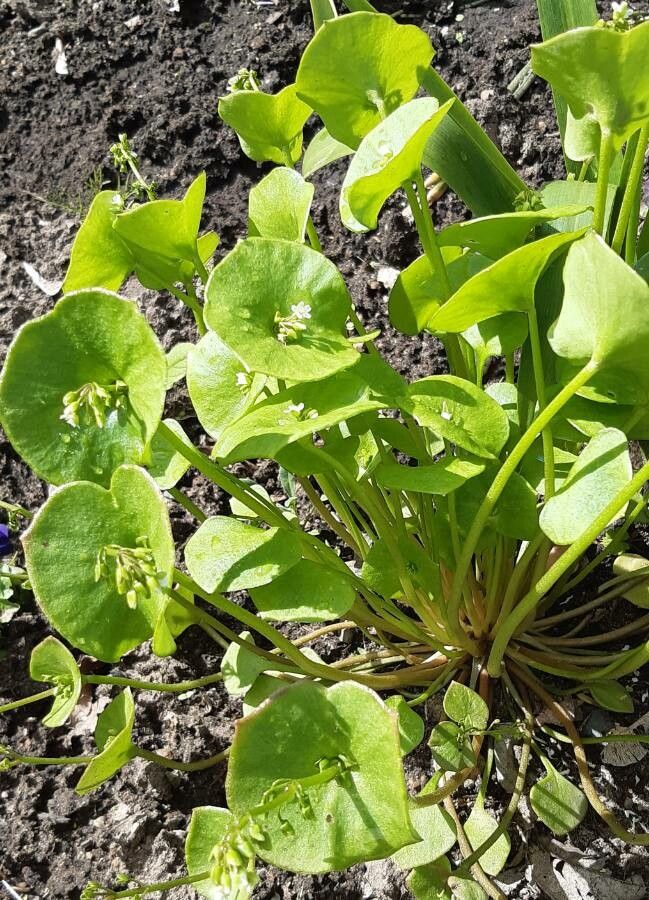
Claytonia caroliniana, commonly known as Carolina spring beauty, is a perennial herbaceous plant in the Montiaceae family. Native to eastern North America, it thrives in moist woodlands, meadows, and alongside stream banks.
This plant can grow up to 30 cm tall, featuring slender stems and narrow leaves arranged in a basal rosette. The green leaves, with a slightly waxy texture, can reach up to 10 cm in length.
From March to May, Carolina spring beauty blooms with delicate pink or white flowers. Each flower has five petals that are fused at the base, forming a tube-like structure with ten stamens.
Native Americans have used Carolina spring beauty for medicinal purposes, treating ailments such as coughs, colds, sore throats, and skin irritations.
This plant is a crucial early-season nectar source for bees and other pollinators. Additionally, it serves as a vital food source for various wildlife species, including deer, which feed on its leaves.
In summary, Claytonia caroliniana is not only an attractive wildflower that brightens early-season landscapes but also provides significant ecological benefits through its role in pollination processes within native ecosystems.
Botanical profile.
- Plant Type
- Herb
- Life Cycle
- Perennial
- Genus
- Claytonia
- Family
- Montiaceae
- Hardiness Zone
- 5-9
- Mature Height
- 5 cm to 10 cm
- Mature Spread
- 10 cm to 15 cm
- Leaf Color
- Green
- Leaf Type
- Deciduous
- Flower Color
- Pink, White
- Flower Size
- 2.54 cm
- Bloom Time
- Early spring, Mid spring
- Planting Time
- Spring, Summer, Autumn
- Harvest Time
- Late spring, Early summer
Other names.