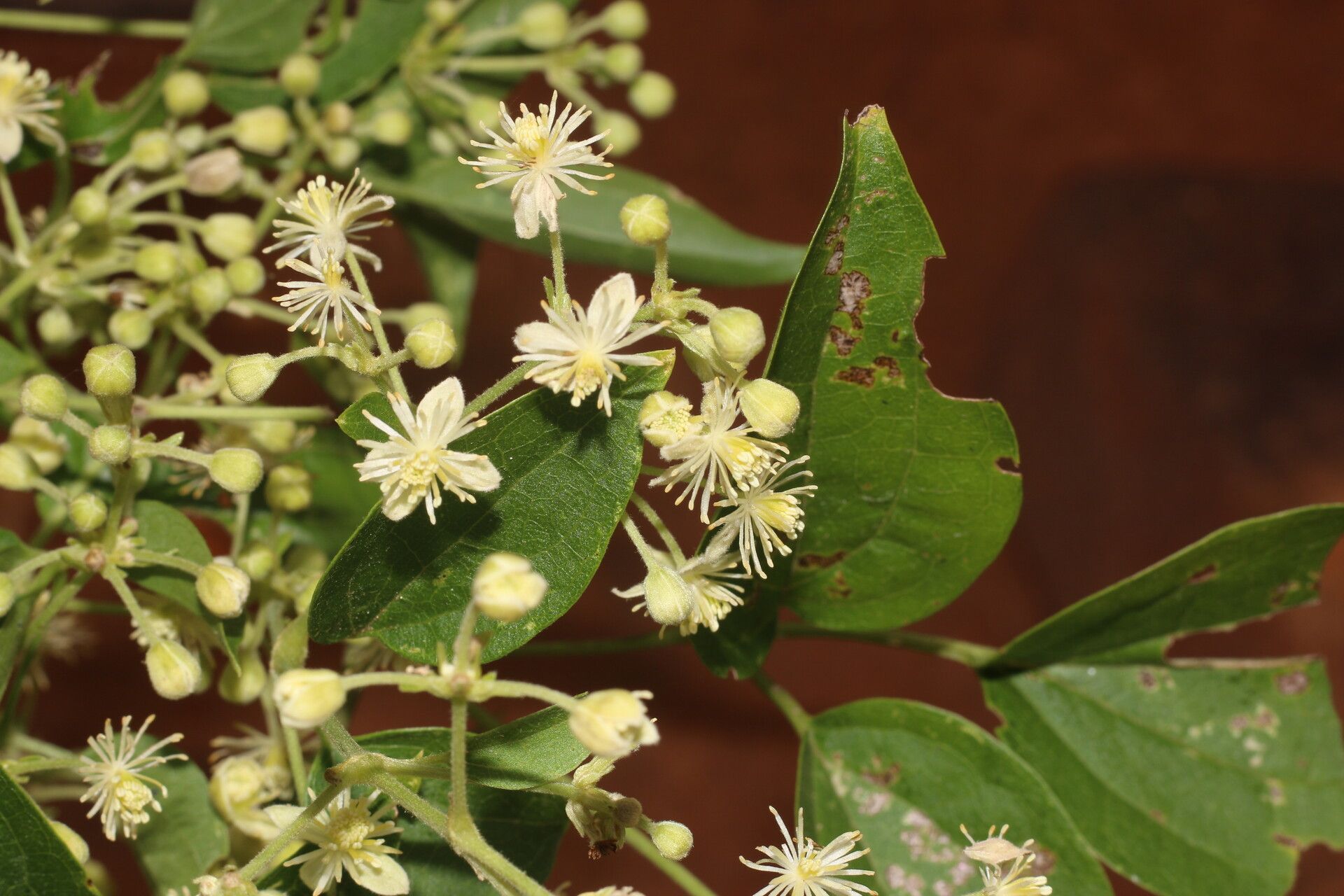
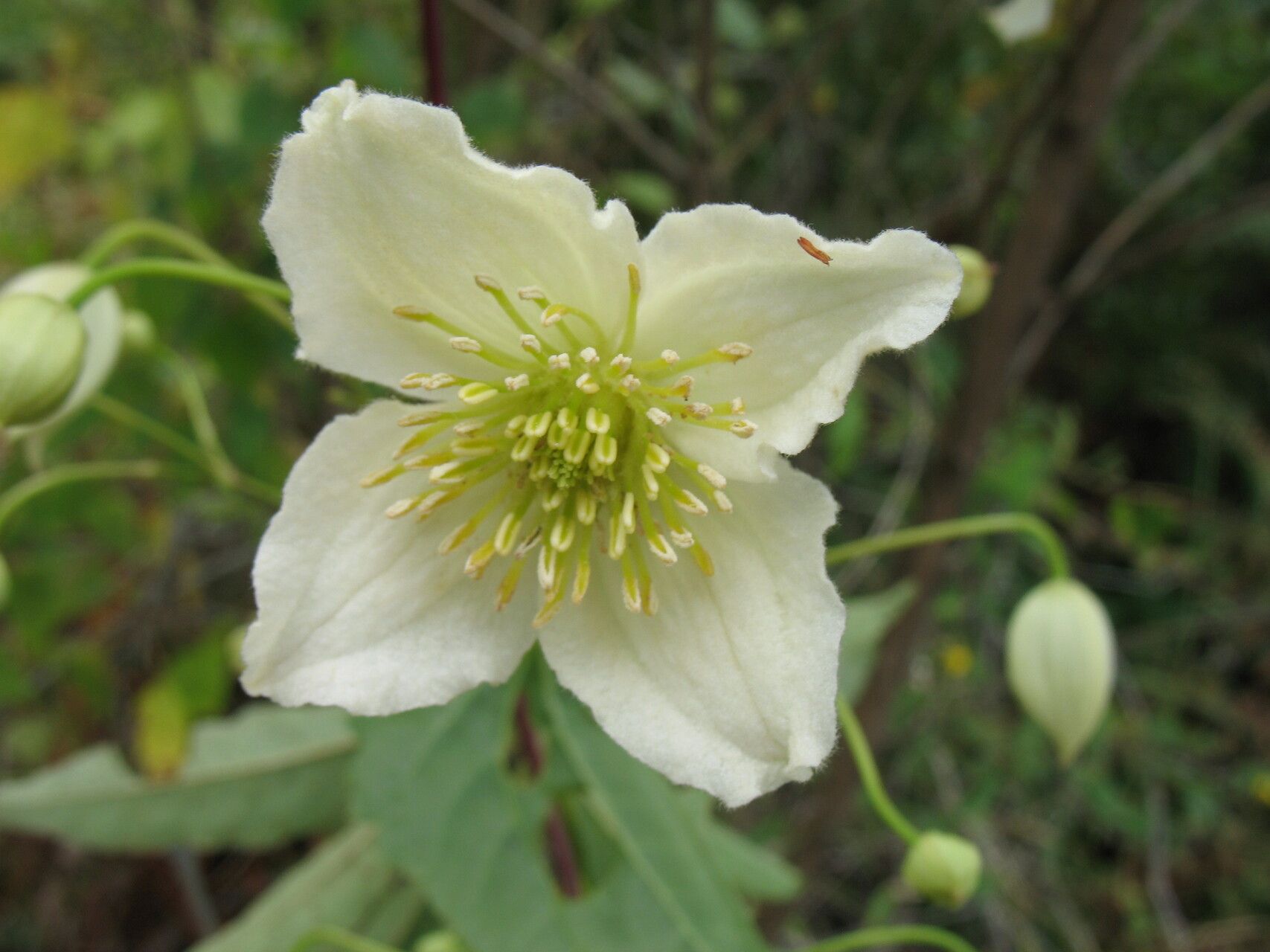
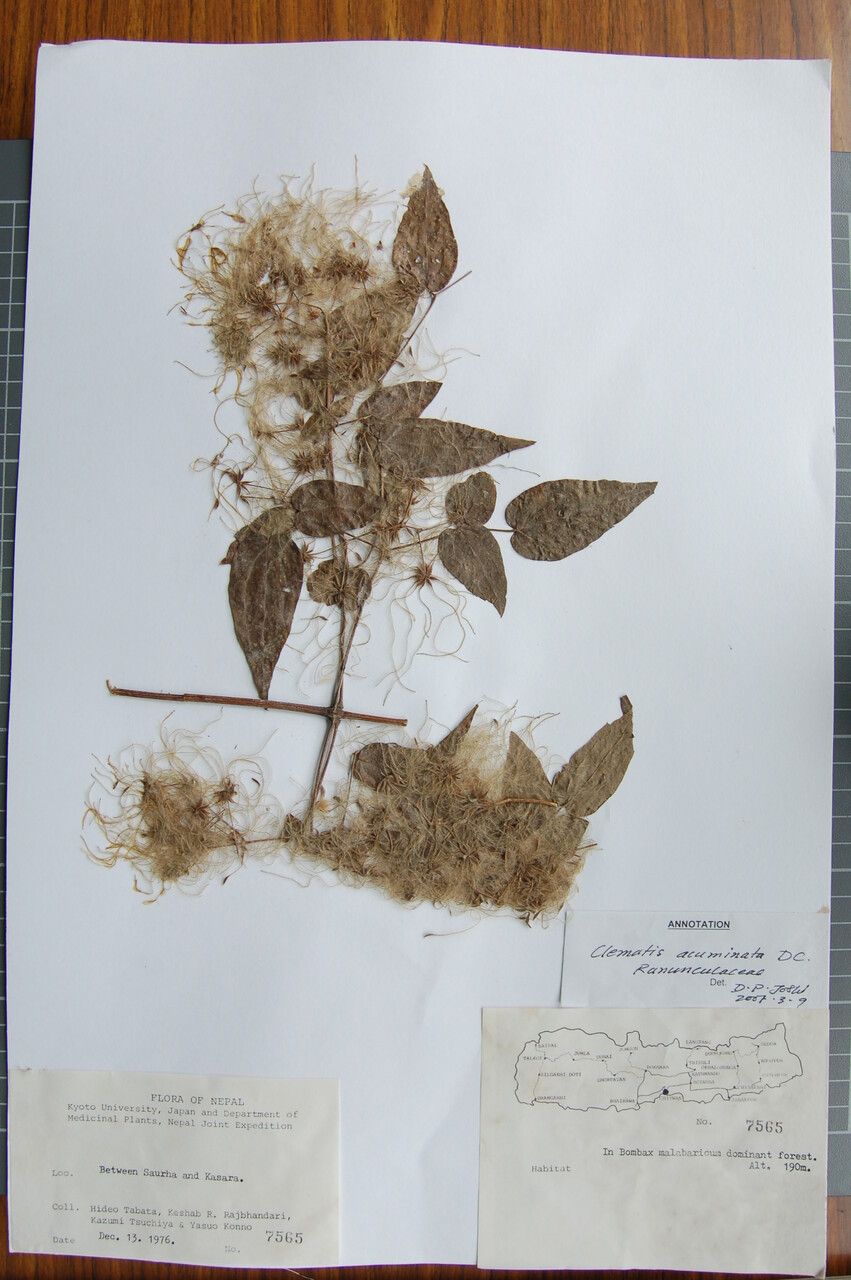
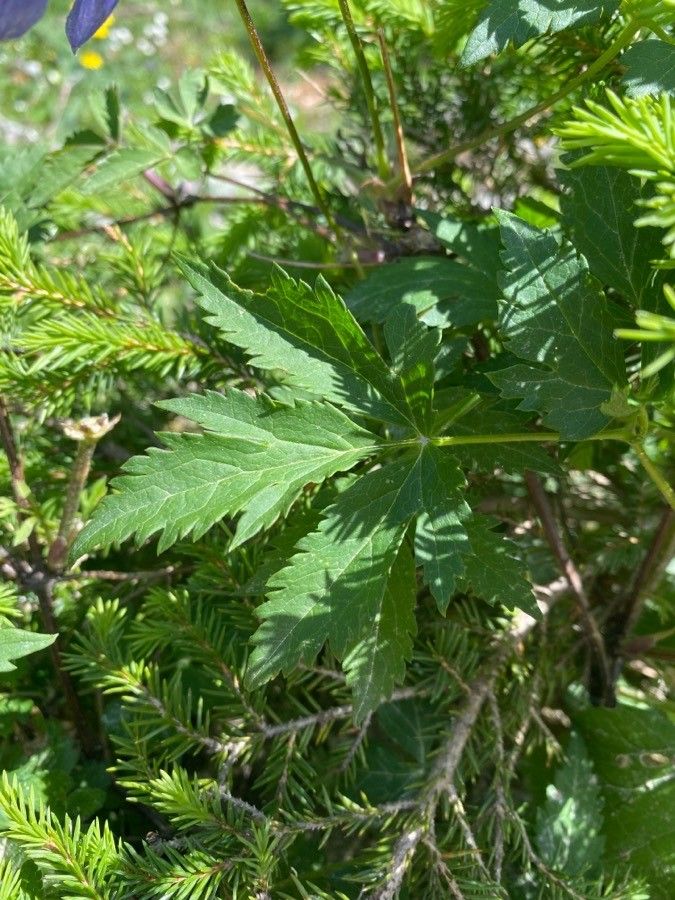
Chinese clematis is fairly resistant to disease and generally not prone to illness. Nevertheless, it can be affected by pests or diseases present in its surroundings. Such infections are usually not serious. For care, the plant requires a moderate level of maintenance. It should be pruned regularly to keep a good appearance and support healthy growth. Fertilizing can also help encourage flowering. Chinese clematis is well suited to anyone with an outdoor area, like a garden or patio, and does not need extensive care experience. It may demand more attention if grown indoors.
How to keep Clematis Chinensis.
Light
The Chinese clematis plant strongly prefers substantial sunlight exposure for its robust growth. Although the plant can withstand lesser light conditions, either too much or too little sunlight could be harmful, leading to issues such as discolored leaves, stunted growth, or vulnerability to diseases. As a rule of thumb, it flourishes in locations with abundant sunshine.
Water
Chinese clematis flourishes in warm, humid areas and prefers soil that remains consistently moist, needing to be watered weekly. Typically grown outdoors, this plant benefits from plenty of rainfall during its growing season to ensure vigorous growth and abundant blooms. It's important to avoid both drought and waterlogging to keep the plant healthy.
Temperature
Chinese clematis thrives best in its natural habitats where temperatures vary between 10 and 35 ℃ (50 to 95 ℉). This plant, a temperate woody species, may need to be moved indoors in the chillier seasons to prevent it from freezing. During warmer periods, providing it with some shade may help in managing the surrounding heat and keeping it at optimal temperatures.
Fertilizer
Applying fertilizer to Chinese clematis once in the springtime is typically enough, although providing additional applications can optimize growth. Try to feed it every thirty to forty-five days. The fertilizing process improves the look and performance of the leaves by encouraging even coloring and maintaining a healthy consistency. Furthermore, it prompts the expansion of roots and the uptake of nutrients, which is beneficial to the plant's health in the long run.
Pruning
Chinese clematis is known for its abundant flowers and climbing growth habit. To keep the plant healthy and encourage vibrant blooms, it is essential to prune it in early spring. During pruning, cut the stems back to strong buds and remove any dead branches to improve air circulation and promote robust growth. Annual pruning is crucial for sustaining the plant's vigor and ensuring reliable flowering each year.
Pot & Repot
Transfer the Chinese clematis to a new pot in the beginning of spring, opting for a container that is just a bit bigger than the existing one, and has suitable drainage capability. Use a potting mixture that drains well, making sure that the root ball stays at the same height as it was previously. Carefully untwine any roots that are root-bound. Following the repotting, water the plant thoroughly and relocate it to a warm area with indirect sunlight. Consistent trimming aids in controlling its size and encouraging fresh growth.
Botanical profile.
- Plant Type
- Vine, Herb
- Life Cycle
- Perennial
- Genus
- Clematis
- Family
- Ranunculaceae
- Hardiness Zone
- 6-9
- Mature Height
- 4.88 m
- Mature Spread
- 4.88 m
- Leaf Color
- Green
- Leaf Type
- Deciduous
- Flower Color
- White
- Flower Size
- 1.02 cm to 2.03 cm
- Bloom Time
- Late spring, Early summer, Mid summer
- Planting Time
- Spring
- Harvest Time
- Mid summer
- Native Area
- Vietnam, Japan, China
Other names.
Reader questions.
What kind of sunlight does Chinese clematis require?
Chinese clematis flourishes best with ample sunlight exposure, ideally thriving in full sun conditions of more than 6 hours of sunlight daily, but it can also adjust to partial sun, receiving about 3 to 6 hours of sunlight. This adequate sunlight exposure is crucial for its healthy growth, although the plant can still manage in places with somewhat lower light. It's important to observe the movement of sunlight through your garden to find spots that offer the right balance of light and shade, avoiding any extremes that might cause issues such as bleached leaves, slowed growth, or disease susceptibility.
What are the ideal growth conditions for Chinese clematis?
Chinese clematis, known botanically as Clematis chinensis, thrives in native growth environments with temperatures ranging from 10 to 35°C (50 to 95°F), making it a temperate woody plant. To prevent freezing damage in colder months, it may need to be kept warm indoors. During hotter months, providing partial shade can help regulate temperatures around the plant, although it has strong cold resistance. Special frost protection measures aren't typically necessary, but if winter temperatures are expected to drop severely, cold protection through wrapping the trunk and branches with non-woven fabric or cloth can be beneficial. Additionally, watering the plant abundantly before the first freeze in autumn to keep the soil moist is recommended, as it helps prevent drought and water scarcity through winter and early spring.
How can artificial lighting be used for Chinese clematis indoors?
For indoor Chinese clematis, artificial lighting can compensate for the lack of natural sunlight, especially during winter or in less sunny spaces. LED lights are recommended because they can be tailored to provide specific wavelengths of light needed by the plant. The required intensity of artificial light varies based on the plant's sunlight needs: full sun plants need 30-50W/sq ft, partial sun plants need 20-30W/sq ft, and full shade plants need 10-20W/sq ft. The light source should be placed 12-36 inches above the plant to mimic natural sunlight, and plants generally require 8-12 hours of light per day.
How does low temperature affect Chinese clematis and what are the solutions?
Chinese clematis is cold-tolerant, ideally thriving at temperatures above a certain minimum and should be kept above a specific lower tolerance limit during winter. If temperatures fall below this limit, while there may not be noticeable changes in winter, the branches might become brittle and dry by springtime, failing to produce new shoots. The solution to this issue involves pruning away any dead branches that have failed to produce new leaves in spring.
What are the signs of inadequate lighting for Chinese clematis?
Signs of inadequate lighting in Chinese clematis include new leaves growing smaller than previous ones, leggy or sparse growth, faster leaf drop, slower or halted growth, and lighter-colored new leaves. These symptoms indicate that the plant isn't receiving enough sunlight, leading to a lack of chlorophyll and essential nutrients. Conversely, symptoms of excessive sunlight exposure such as chlorosis, sunscald, leaf curling, wilting, and leaf scorching can also occur, showcasing the plant's struggle with light imbalance.
What effects do high temperatures have on Chinese clematis and how can these be mitigated?
During summer, it's imperative to keep Chinese clematis below a certain maximum temperature. Exceeding this can cause the leaves to become lighter in color, tips to dry and wither, and make the plant more susceptible to sunburn. To mitigate these effects, trim away the sunburned and dried-up parts. Relocating the plant to a shaded area during midday and afternoon sun or using a shade cloth can offer protection. Additionally, watering the plant in the morning and evening to maintain moist soil is advised.
How can I address light-related issues for Chinese clematis?
To address light-related issues in Chinese clematis, gradually increase its sunlight exposure for both indoor and outdoor plants, aiming for at least 6 hours of direct sunlight daily. For indoor plants not easily moved or too large, consider artificial lighting, keeping lamps on for at least 8 hours daily. For outdoor plants, move them gradually to sunnier spots to avoid shock. If sunlight is obstructed, identify and minimize blockages, or consider transplanting smaller plants during their dormant period to a location with better sunlight and drainage. Remember, parts of the plant damaged by inadequate light may not recover, but new growth should be healthy with improved lighting.