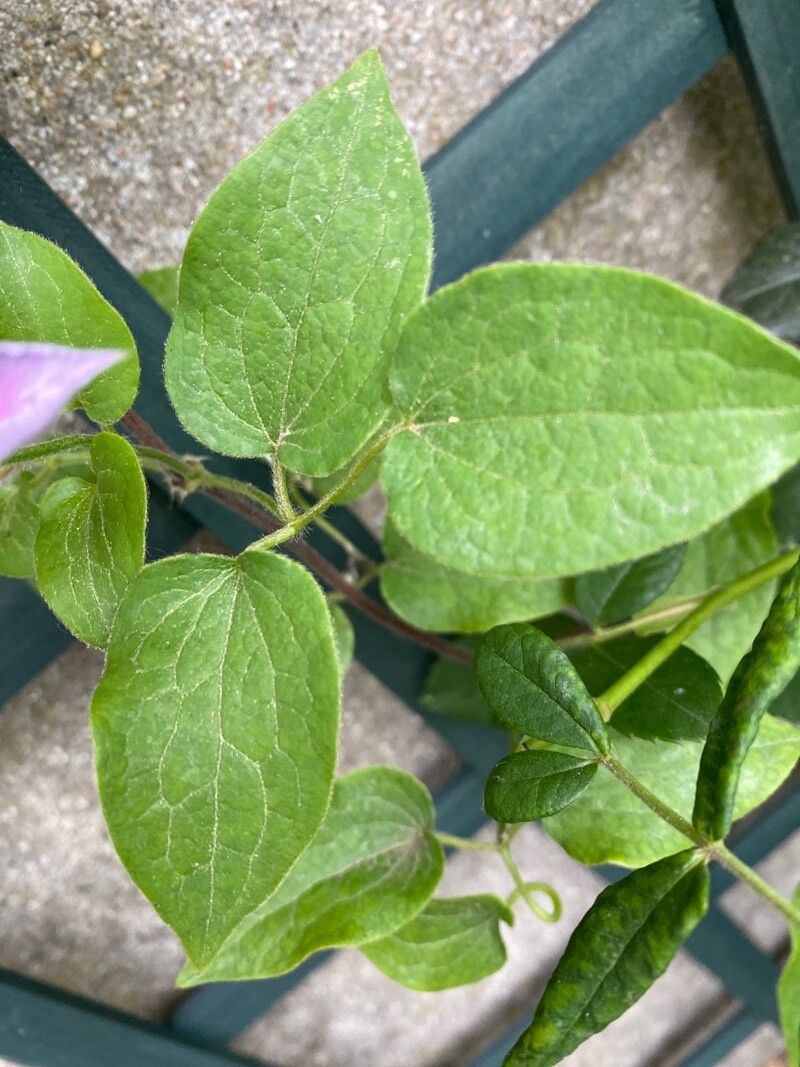
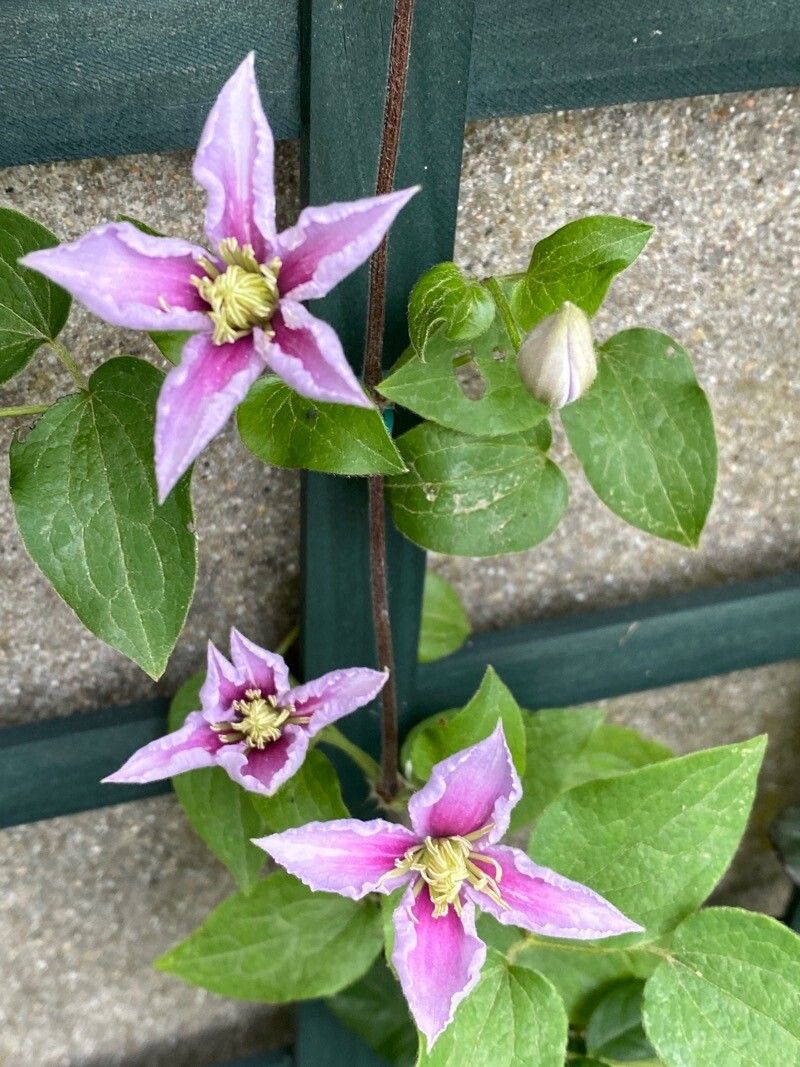
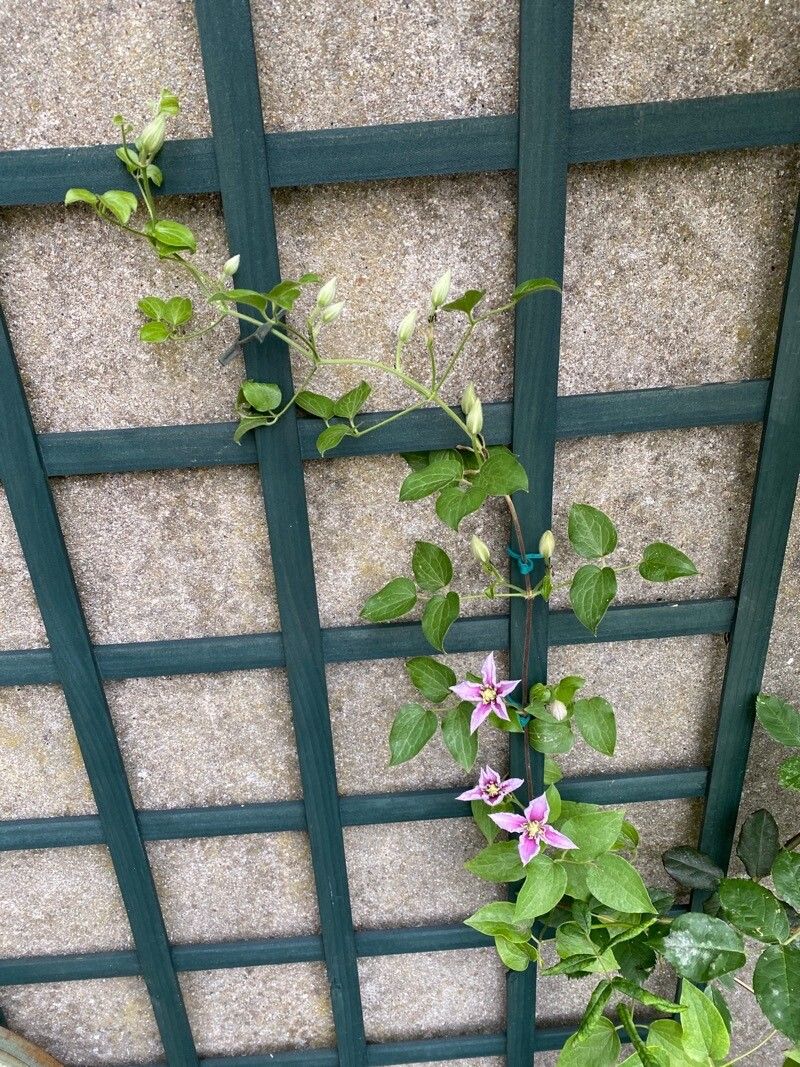
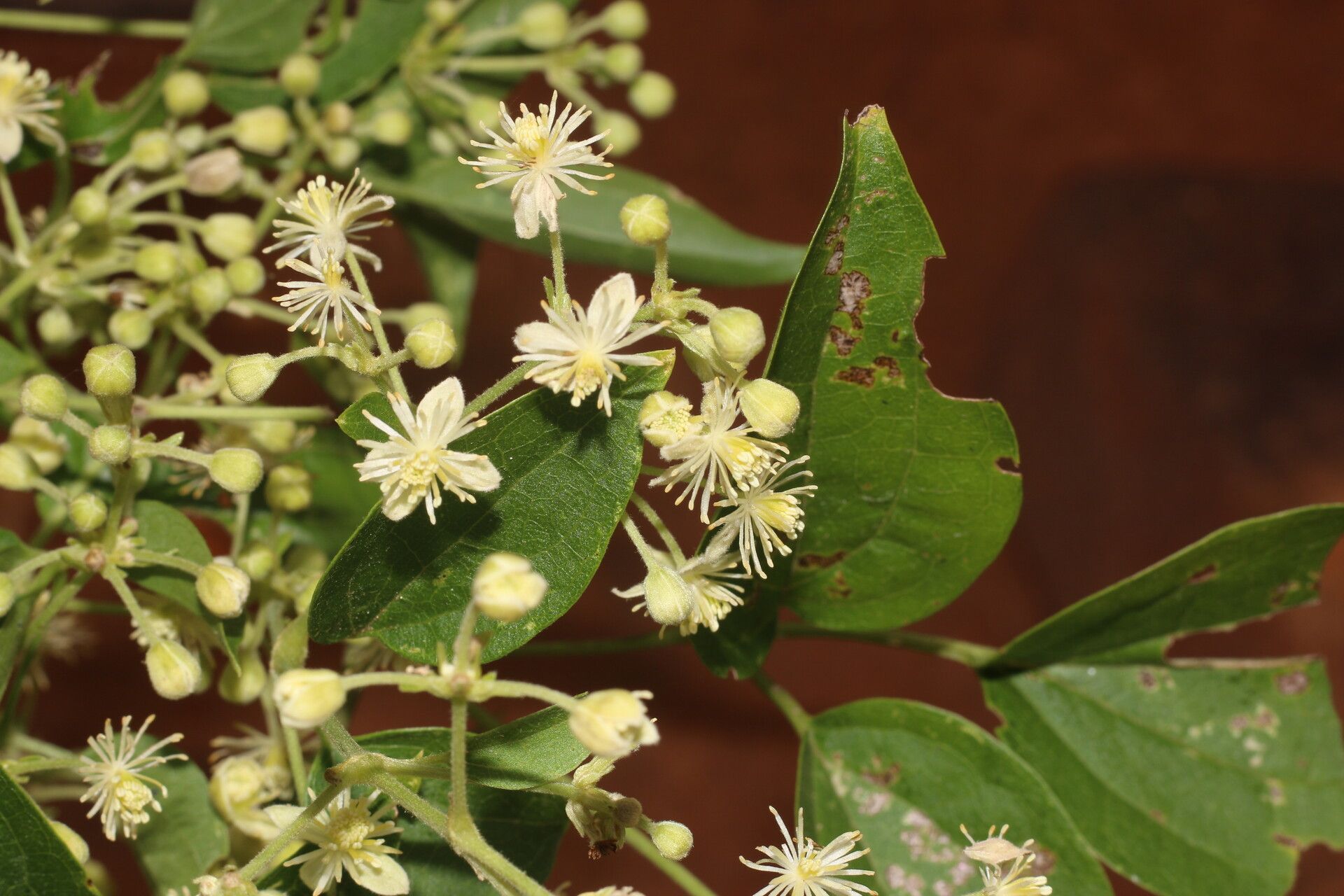
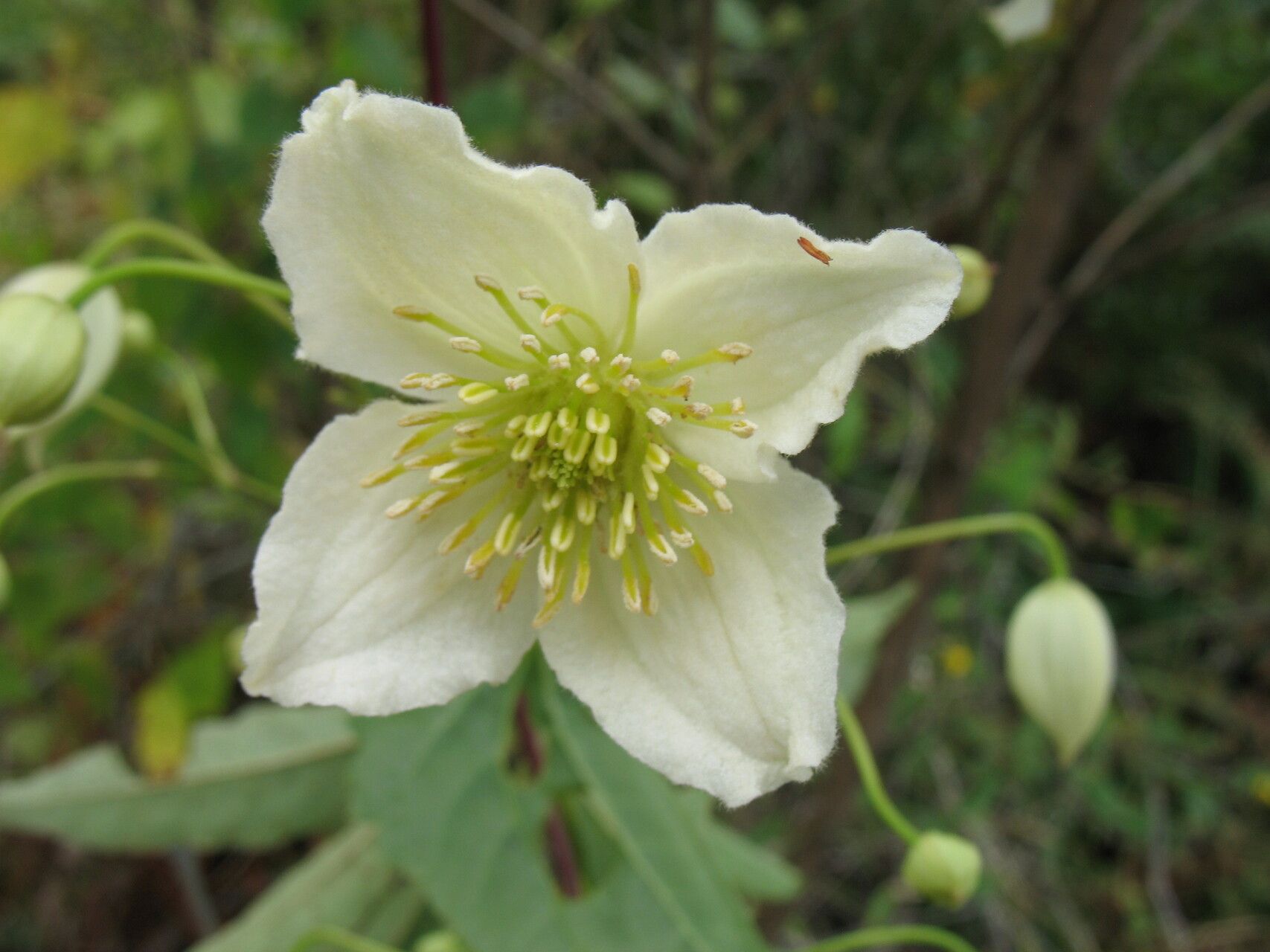
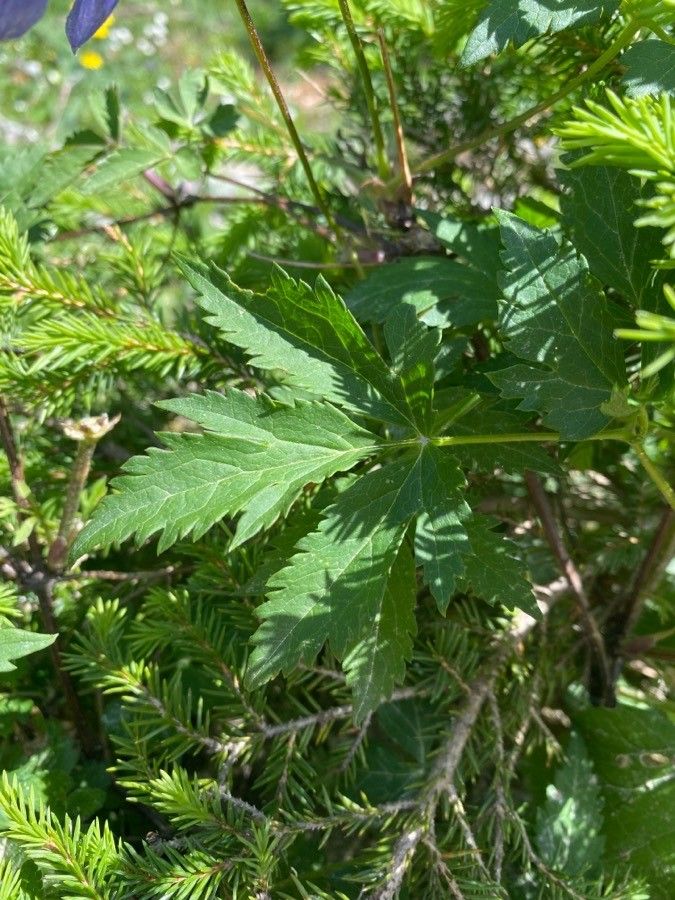
Rock clematis is fairly disease-resistant and usually not prone to illness. Still, it can be affected by pests and diseases present in its surroundings. These issues are typically not serious. Regarding care, the plant needs moderate maintenance. Regular pruning is required to maintain a neat appearance and healthy growth. Fertilizing can also help encourage flowering. Rock clematis is suitable for anyone with outdoor space, such as a garden or patio, and does not demand extensive gardening experience. It may need more attention when grown indoors.
How to keep Clematis Columbiana.
Light
Rock clematis originates from habitats such as forest understories and rocky areas, where it grows in natural shade. It prefers partial sun but can tolerate full sun or full shade, demonstrating its versatile and hardy nature.
Water
Rock clematis prefers a moist environment but cannot tolerate standing water. To check soil moisture, use your finger to test the soil; if it feels dry, water the plant thoroughly. During the spring, the plant experiences rapid growth and thus requires more water. Be sure to adjust watering based on the weather conditions. In rainy periods, make sure any excess water drains away to prevent root rot.
Temperature
Rock clematis is highly adaptable to a range of climate conditions, from scorching summers to chilly winters. Nevertheless, it has an optimal temperature range for growth. If temperatures become too high, the plant is susceptible to heat and humidity stress, which can cause it to die. In areas where temperatures approach the lower end of its cold tolerance, it’s important to provide insulation to protect the plant.
Fertilizer
The best time to fertilize a Rock clematis is in early spring, as it emerges from dormancy and begins active growth. Fertilizing supplies essential nutrients for healthy development. Although Rock clematis has relatively low fertilizer requirements, an annual application can improve its survival and encourage healthier, longer-lasting blooms.
Pruning
Pruning rock clematis is best done before it flowers or during late winter to early spring. Start by removing any weak branches, and then selectively prune to improve flower quality. While heavy pruning can encourage growth, be cautious to avoid excessive pruning during the summer. Proper pruning helps extend the blooming season and increases the number of flowers.
Botanical profile.
- Plant Type
- Vine, Herb
- Life Cycle
- Perennial
- Genus
- Clematis
- Family
- Ranunculaceae
- Hardiness Zone
- 3-9
- Mature Height
- 1.83 m to 3.66 m
- Mature Spread
- 0.91 m to 2.13 m
- Leaf Color
- Green, Dark Green
- Leaf Type
- Deciduous
- Flower Color
- Purple
- Flower Size
- 3.05 cm to 5.08 cm
- Bloom Time
- Early spring, Mid spring
- Planting Time
- Spring, Summer, Autumn
- Harvest Time
- Early summer, Mid summer
Other names.
Reader questions.
What are the sunlight requirements for Rock Clematis (Clematis columbiana)?
Rock Clematis (Clematis columbiana) thrives under specific sunlight conditions. For optimal growth, it requires full sun, which means the plant should receive above 6 hours of sunlight daily. However, it can also thrive in partial sun, defined as about 3-6 hours of sunlight each day. It's crucial to observe the way sunlight moves through your garden throughout the day. This observation will help you choose the best spots that offer a harmonious balance of light and shade, ensuring the well-being of your Rock Clematis plants.