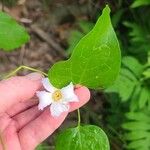
Clematis crispa
Curly clematis · Marsh clematis · Blue-jasmine · Swamp Leather Flower
Description
Source: leafsnapClematis crispa, commonly known as curly clematis or blue jasmine, is a species of flowering plant in the buttercup family, Ranunculaceae. It is native to the southeastern United States, where it thrives in moist woodlands and along stream banks. The curly clematis is known for its delicate, bell-shaped flowers, which are typically blue or purple. The petals are notably twisted and curled, giving the flowers a distinctive appearance that sets them apart from other clematis species. This plant can grow up to 10 feet tall and requires support for its climbing habit. It thrives in moist soil and partial shade but can also tolerate full sun if adequately watered. Clematis crispa has become popular among gardeners due to its unique appearance and its ability to attract pollinators such as bees and butterflies. Its delicate flowers make it an excellent addition to any garden or landscape design. Overall, Clematis crispa is a beautiful flowering plant with unique characteristics that distinguish it from other clematis species. Its natural beauty has made it a popular choice among gardeners seeking a distinct yet stunningly beautiful addition to their gardens or landscapes.
🌳 Although it looks delicate, sweet autumn clematis has been used in ecological landscaping, helping to maintain the balance of local ecosystems. As a vigorous climber, it can hide unattractive structures such as fences or walls, creating green facades that provide both aesthetic and ecological benefits to urban areas. Its late-season flowering also supplies crucial resources for pollinators like bees and butterflies when other nectar sources are scarce, thereby playing an important role in supporting local biodiversity.
🎭 Artifice, ingenuity and mental beauty
Care Guide
💧 Water Every 7 days
Swamp leatherflower, native to wetland areas, thrives in environments with consistent moisture and high humidity. It benefits from weekly watering to ensure lush growth and is well-suited to humid indoor settings, such as terrariums or bathrooms.
How should I water my Swamp leatherflower plant?
To properly care for the Swamp leatherflower plant, use filtered water at room temperature. Tap water may contain harmful particles. The plant prefers warm water as it comes from a warm environment and cold water can shock it. Avoid overhead watering to prevent foliage complications. Instead, thoroughly soak the soil with filtered room temperature water. This benefits the plant by moisting the roots and aiding nutrient absorption.
What should I do if I give my Swamp leatherflower plant too much or too little water?
Overwatering is a common problem for Swamp leatherflower plants, whereas underwatering is less common. Too much water can cause wilting and yellowing of the stems and leaves. Overwatering for a long period can lead to diseases like root rot, mold, and mildew, which can be fatal for the plant. On the other hand, underwatering is rare because this plant can tolerate drought well. However, when underwatering occurs, the leaves become brittle and brown. It is important to quickly notice signs of overwatering and take action. Some diseases caused by overwatering, like root rot, may not be fixable if not addressed promptly. If you observe early signs of overwatering, reduce your watering schedule immediately. Check the quality of the soil where the plant grows, replacing it with well-draining potting mix if it drains poorly. Conversely, if your Swamp leatherflower shows signs of insufficient water, simply water it more regularly until the signs disappear.
How much should I water my Swamp leatherflower?
If your Swamp leatherflower plant is in a pot, take the most precise way to determine if it needs water by sticking your finger into the soil. If you find that the top two to three inches of soil are dry, it's time to water it. If you have your Swamp leatherflower plant outdoors in the ground, you can use a similar method to test the soil. When you notice that the top few inches of soil have dried out, it's time to give it some water. Typically, during the spring and early fall, you'll need to water this plant about once a week using this method. However, in extremely hot weather, you may need to water it about twice or more per week. Keep in mind that mature and well-established Swamp leatherflower plants have an impressive ability to withstand drought.
How much water does my Swamp leatherflower plant need?
To properly water your Swamp leatherflower, make sure to give it a generous amount of water without hesitation. When the top two to three inches of soil are dry, it's time for a thorough watering. Make sure to soak the soil completely by adding enough water. You'll know you've added enough when excess water begins to flow out of the drainage holes at the bottom of the pot. If you don't see any excess water draining, it means you've likely not given enough water. However, be careful not to let water accumulate in the soil, as this can harm the plant. On the other hand, if water is not draining through the pot, it could indicate that the soil doesn't drain well, which is harmful to the plant's health. Avoid such soils if possible. If the plant is outdoors, receiving 1 inch of rain per week should be sufficient.
How do I water my Swamp leatherflower as it grows?
The water needs of the Swamp leatherflower can vary depending on its growth stages. In the first few years or after transplanting, more water is required because the plant prioritizes growing new roots to support future growth. These roots need additional moisture compared to later stages. As the plant matures, it will require less water. Additionally, during the bloom period, the flower development utilizes a significant amount of moisture, so you may need to provide more water during this time.
☀️ Light Full sun
Sweet autumn clematis prefers locations with plenty of sunlight, though it can tolerate spots that receive sun only part of the day. Sufficient sun encourages healthy growth. Its native habitats had abundant sunlight. Both excessive and inadequate sun can lead to growth problems.
What type of sunlight requirements does a swamp leatherflower have?
Swamp leatherflower requires full sun exposure, thriving in areas that receive more than 6 hours of sunlight a day, but it can also adapt to partial sun conditions, which entails about 3-6 hours of sunlight. It's important to observe how sunlight moves through your garden to find spots that provide the right balance of light and shade, ensuring your plant's growth and flower development. Originating from brightly lit habitats, the swamp leatherflower grows best when its needs for sunlight are adequately met.
How can artificial lighting be used for indoor swamp leatherflower plants?
For indoor swamp leatherflower plants that do not receive enough natural sunlight, artificial lighting serves as an essential solution. LED lights are recommended due to their ability to provide specific wavelengths necessary for plant growth. The required intensity of artificial light varies: full sun plants need 30-50W/sq ft, partial sun plants require 20-30W/sq ft, and full shade plants need 10-20W/sq ft. The light source should be placed 12-36 inches above the swamp leatherflower to mimic natural sunlight. To ensure optimal growth, mimic natural daylight hours, providing most plants with 8-12 hours of light per day.
What are the signs of inadequate light exposure in swamp leatherflower?
Symptoms of insufficient light exposure in swamp leatherflower include smaller new leaves compared to previous ones, leggy or sparse growth, faster leaf drop, slower or halted new growth, and lighter-colored or pale new leaves. Additionally, the plant might experience chlorosis, where leaves turn yellow due to a breakdown of chlorophyll, and sunscald, where intense sunlight damages leaves or stems. Leaf curling, wilting, and leaf scorching are also common symptoms indicating light exposure issues, with each symptom suggesting the need for adjusted light conditions.
What solutions can help a swamp leatherflower with insufficient sunlight?
To address insufficient sunlight for swamp leatherflower, gradually increase sunlight exposure, moving the plant to a sunnier location each week until it receives at least 6 hours of direct sunlight daily. For indoor plants, use a south-facing window, keep curtains open during the day, or consider artificial lighting solutions. Outdoors, slowly adapt plants to sunnier spots to prevent sunburn. Minimize obstructions by pruning or relocating the plants to areas with better sunlight and drainage. Note that parts of the plant affected by insufficient sunlight may not recover, but new growth will be healthy with improved light conditions.
🌡️ Temperature 5–35°C
Sweet autumn clematis originates in temperate regions and grows well in temperatures ranging from 41 to 95 °F (5 to 35 ℃). It prefers mild conditions and may need adjustments during extreme seasonal temperatures to achieve optimal growth.
What is the preferred temperature range for Swamp Leatherflower?
Swamp leatherflower thrives in a temperature range of 50 to 95°F (10 to 35°C), flourishing in moist, swampy environments. During the warmer months, it can endure temperatures up to 95°F (35°C) as long as it is adequately watered. The plant's resilience to cold means it doesn't require special frost protection in winter, but it's crucial to ensure the soil remains moist to protect it through colder temperatures. Ensuring the temperature stays within this range will help maintain the plant's health and longevity.
How can I protect Swamp Leatherflower during extremely cold temperatures?
Although swamp leatherflower has strong cold resistance and usually doesn't need special frost protection, extreme cold temperatures require additional care. If temperatures are expected to fall below the plant's cold tolerance threshold, it's important to protect it by wrapping the trunk and branches with non-woven fabric or cloth. Watering the plant abundantly before the first freeze of autumn to ensure the soil is moist helps prevent drought and water scarcity during winter and early spring.
How does low temperature affect Swamp Leatherflower, and what should I do?
Swamp leatherflower is cold-tolerant and prefers temperatures to stay above its minimum growth threshold. If temperatures drop below this threshold, you might not notice immediate damage during winter, but come spring, branches may become brittle, dry, and fail to produce new shoots. To mitigate this, prune away any dead branches in spring to encourage healthy new growth.
What are the effects of high temperature on Swamp Leatherflower and how can I address them?
During the summer, it's crucial to keep Swamp Leatherflower below its maximum temperature tolerance. Exceeding this temperature can cause the leaves to lighten in color, and tips may become dry and withered, increasing the risk of sunburn. Addressing this issue involves trimming away the sunburned and dried parts of the plant, relocating it to a shaded area, or using a shade cloth to protect it from direct sun during the hottest parts of the day. Additionally, watering the plant in the morning and evening will help keep the soil moist and reduce heat stress.
💨 Humidity
🪴 Soil 6-7
🌱 Fertilizer
The timing of fertilizing Sweet autumn clematis is important. Apply fertilizer in early spring and repeat monthly through early summer. Fertilizer supports the production of attractive blooms and supplies energy during both dormant and active growth periods.
Why should I put fertilizer on my Swamp leatherflower?
Ensuring that the leaves of the Swamp leatherflower look great and function properly is crucial, and one impactful way to achieve this is through fertilization. Proper fertilization promotes consistent color and a healthy texture in the leaves. Additionally, it works underground as well, helping the plant generate new roots and maintain existing ones. This not only keeps the plant healthy in the present but also enhances its ability to absorb nutrients from the soil in the long run.
When should I fertilize my Swamp leatherflower plant?
When you grow your Swamp leatherflower outside, it will start new growth in early spring. This is the signal to start fertilizing for the year. Usually, one application of fertilizer is enough, but if you want to promote maximum growth, you can fertilize multiple times throughout spring and early summer. In this case, you can feed your Swamp leatherflower about once every month to a month and a half.
When is the best time to not fertilize my Swamp leatherflower?
During late fall and winter, the Swamp leatherflower goes into a dormant phase, ceasing new growth. Therefore, it is best to avoid fertilizing it during this time. If you decide to fertilize in the spring and summer, gradually reduce the frequency as summer approaches because the plant's growth slows down. It is important to never fertilize the Swamp leatherflower during unusually hot weather or exceptionally dry soil conditions. Doing so can cause unnecessary stress and premature death of the plant.
What kind of plant food does my Swamp leatherflower need?
Choosing the best fertilizer for a Swamp leatherflower is simple. These plants thrive on a general-purpose garden fertilizer with equal amounts of nitrogen, phosphorus, and potassium, such as a 10-10-10 ratio. Avoid fertilizers high in nitrogen. Granular, slow-release fertilizers are ideal for the Swamp leatherflower, and organic soil amendments like compost can also be beneficial.
How can I help my Swamp leatherflower grow better?
To properly fertilize your Swamp leatherflower, wait until its first leaves appear in early spring. Apply a granular slow-release fertilizer with a balanced formula to the soil surrounding the base of the plant. You can repeat this process later in the season if desired. Remember to apply the fertilizer to the soil, not the plant itself, which may require moving some leaves aside. It's also helpful to water the Swamp leatherflower before and after fertilizing.
🪴 Pot & Repot 2-3 years
Repot the swamp leatherflower every 2–3 years in early spring, moving it into a slightly larger container to encourage root growth. To support its climbing habit, provide a structure for it to vine on, such as a trellis. Ensure the plant receives indirect light, and keep the soil consistently moist, being careful not to overwater. These steps will help the plant recover and thrive.
✂️ Pruning
Swamp leatherflower is known for its bell-shaped flowers and vigorous vining habit. To help it thrive, prune it in early spring. Trim back to healthy buds, remove any weak stems, and maintain good air circulation. This will promote better growth and more blooms, resulting in a healthier and more attractive plant.
🌿 Propagating
🐛 Diseases & pets
☠️ Toxicity
Characteristics
- Plant Type
- Vine
- Life Cycle
- Perennial
- Genus
- Clematis
- Family
- Ranunculaceae
- Hardiness Zone
- 5-9
- Mature Height
- 4.57 m to 9.14 m
- Mature Spread
- 4.57 m to 9.14 m
- Leaf Color
- Green
- Leaf Type
- Deciduous
- Flower Color
- White
- Flower Size
- 2.54 cm to 7.62 cm
- Bloom Time
- Mid summer, Late summer
- Planting Time
- Spring, Autumn
- Harvest Time
- Fall
- Native Area
- Russia, Japan, Mongolia, Koppen, South Korea, China