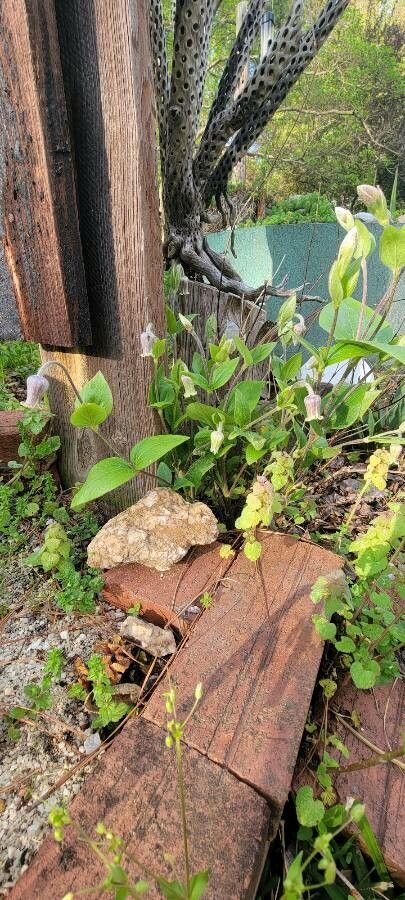
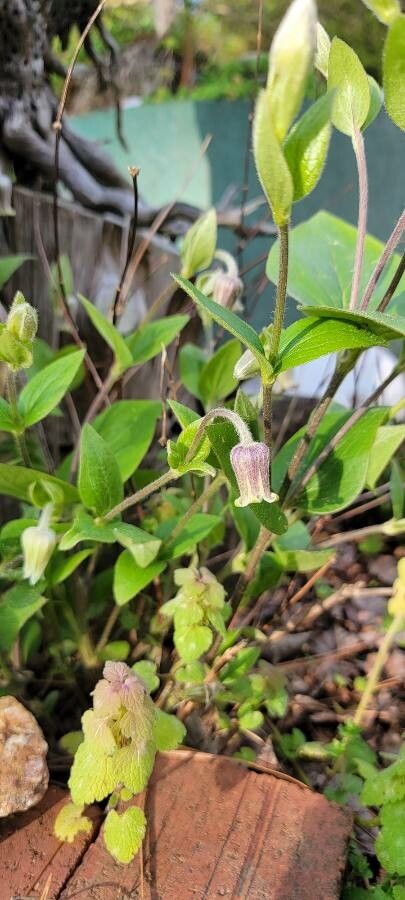
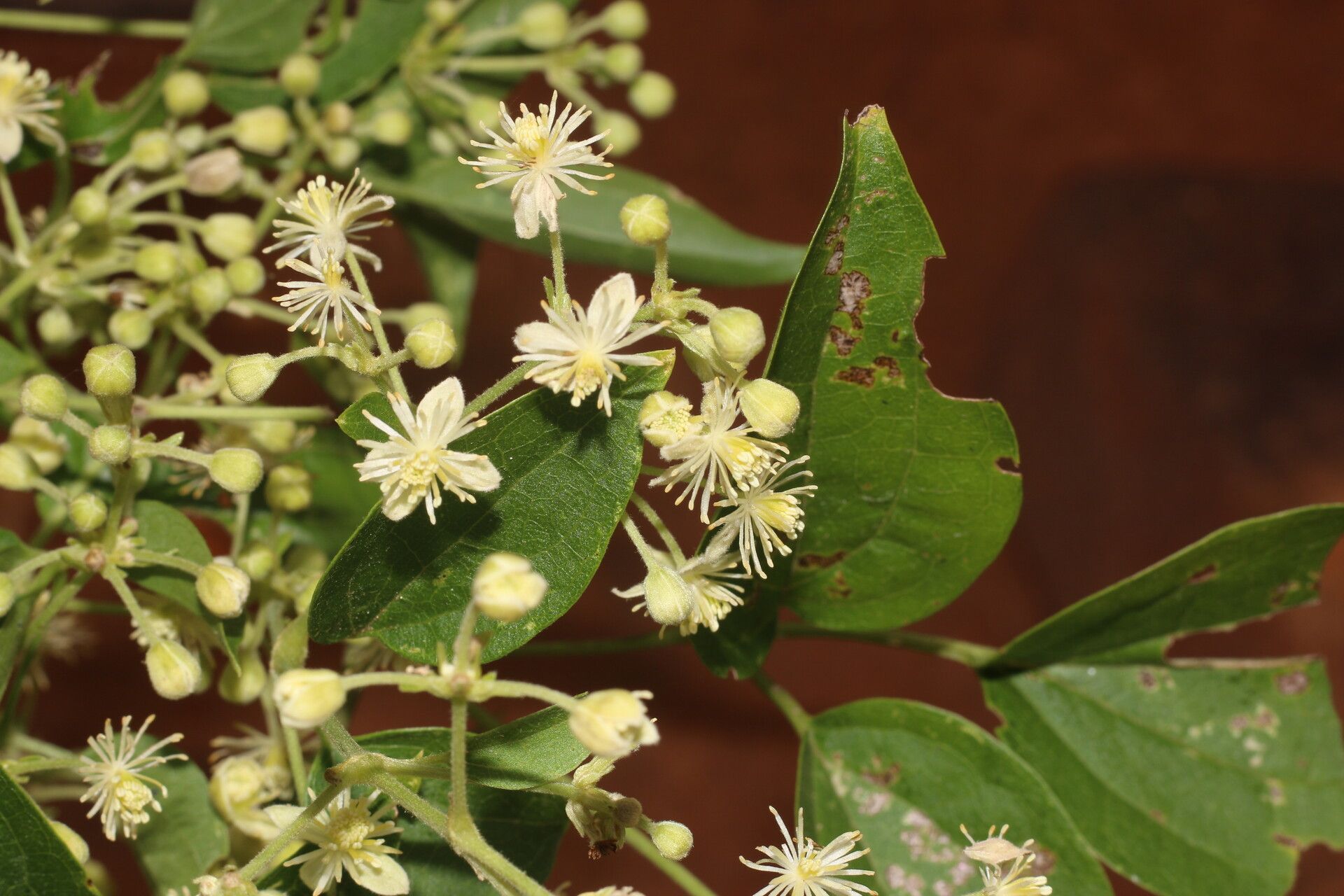
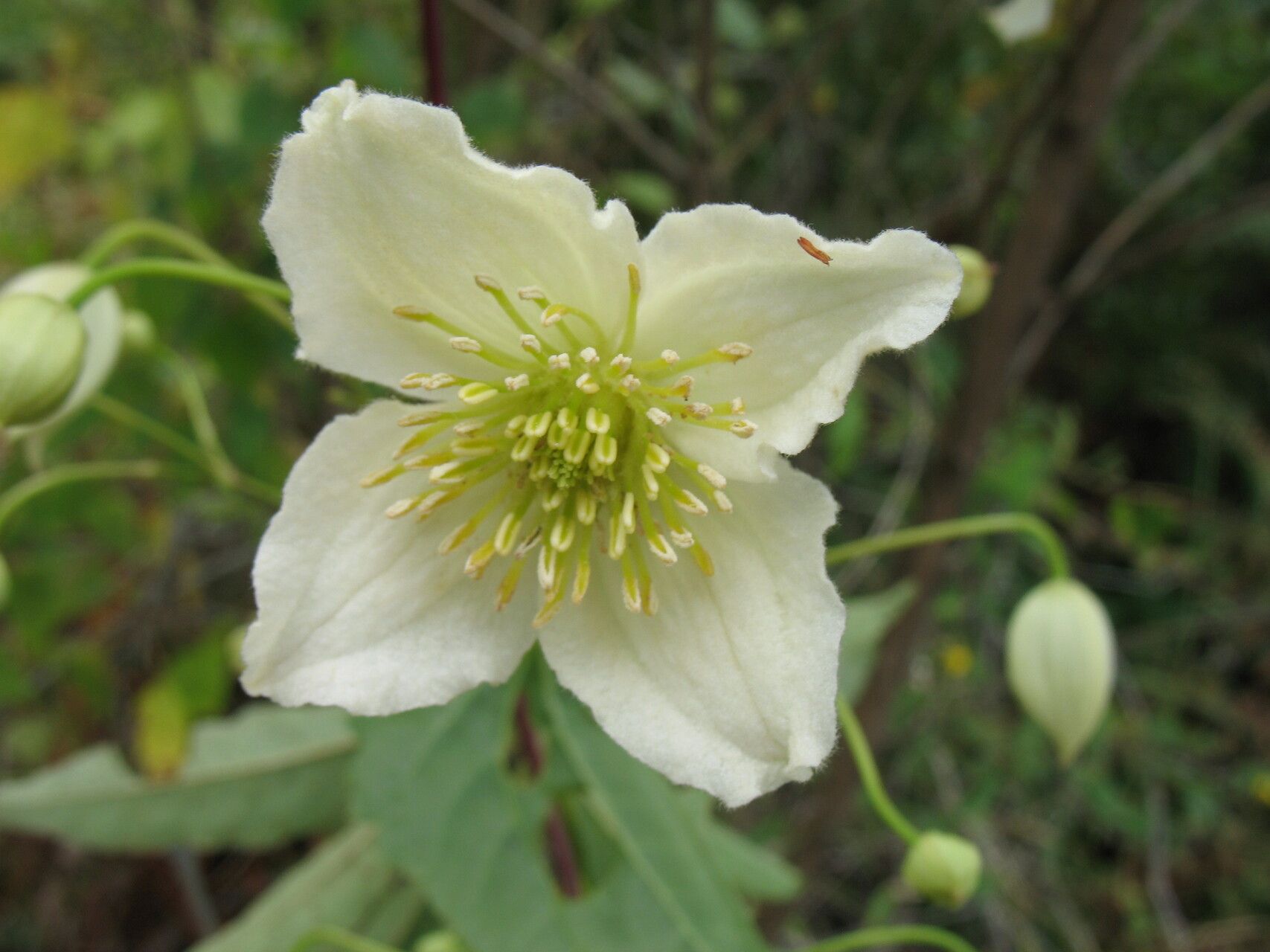
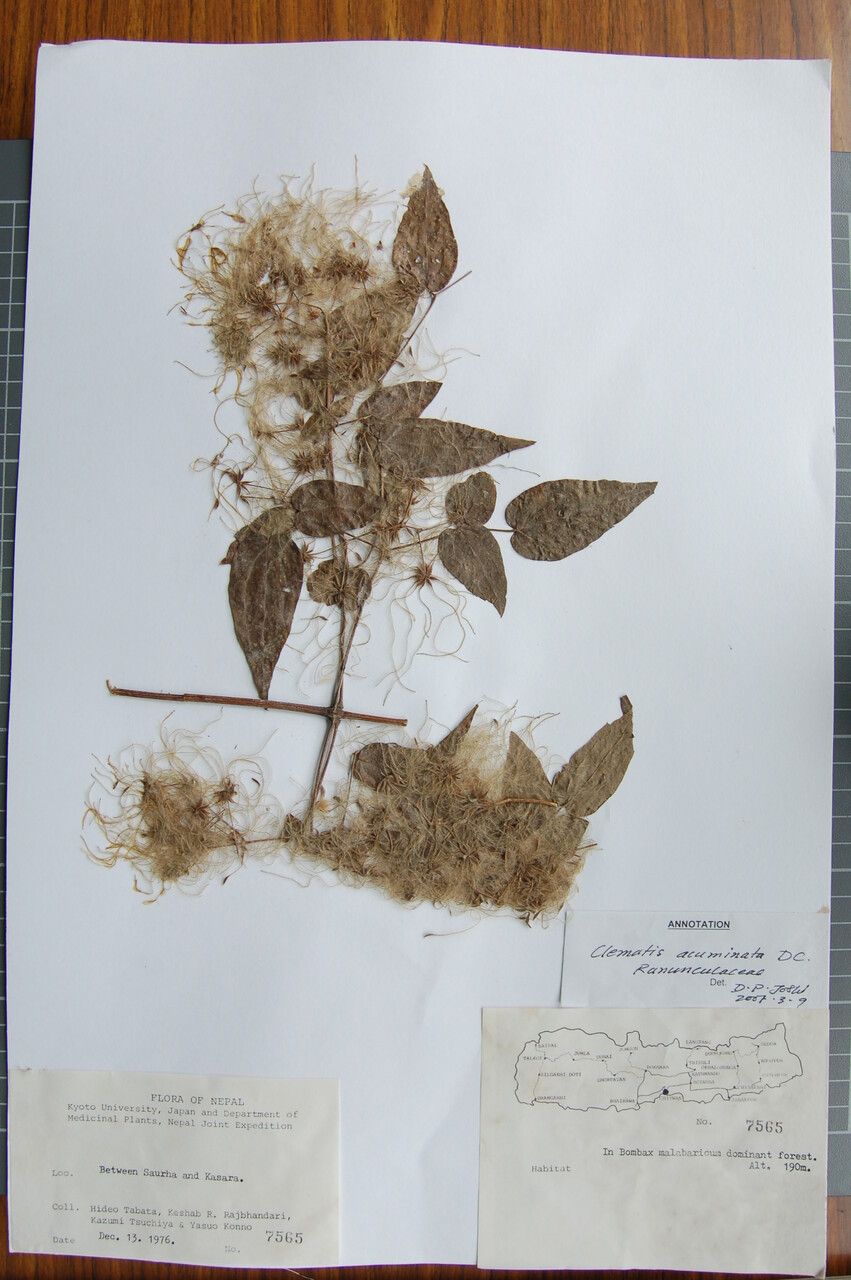
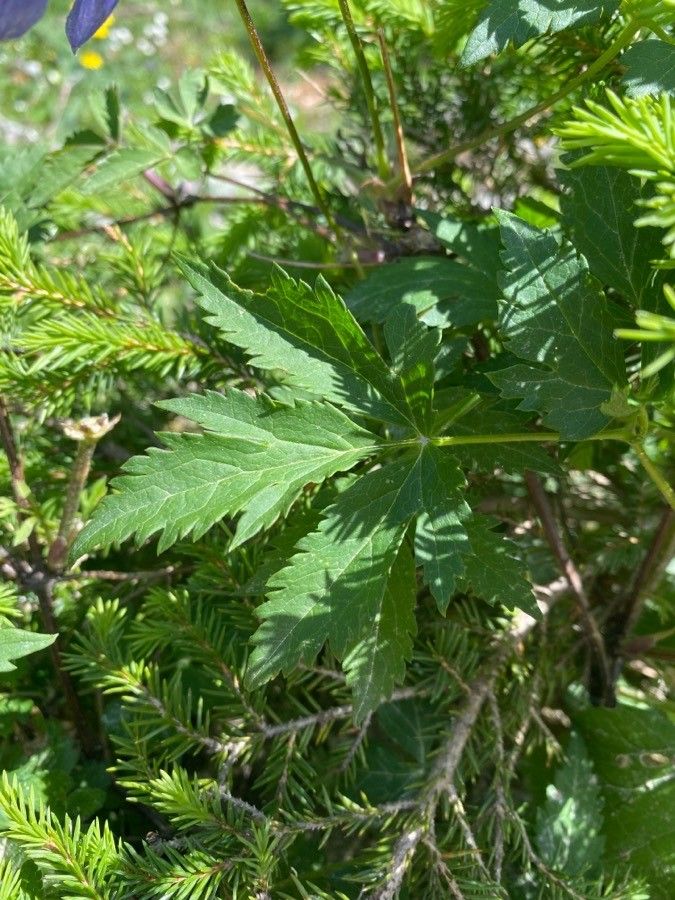
Clematis ochroleuca, commonly known as Curlyheads or Yellow Clematis, is a perennial flowering plant belonging to the Ranunculaceae family. Native to North America, it thrives in various habitats such as prairies, rocky slopes, and open woods.
The plant can grow up to 3 feet tall and features a woody stem that can either climb or trail. Its leaves are compound, consisting of three ovate leaflets with serrated edges. The flowers are small, bell-shaped, and have four petals that range in color from creamy white to pale yellow.
Curlyheads bloom from May through August and attract pollinators like bees, butterflies, and hummingbirds. Following the flowering period, the plant produces fluffy seed heads that are easily dispersed by the wind.
Clematis ochroleuca prefers well-drained soil in full sun or partial shade but is adaptable to a variety of soil types, including sandy soils. While it is drought-tolerant once established, the plant benefits from regular watering during extended dry periods.
Overall, Clematis ochroleuca is a visually appealing native plant that enhances garden aesthetics and offers significant ecological benefits by supporting pollinators.
How to keep Clematis Ochroleuca.
Water
Curlyheads thrive in moist environments but do not like standing water. Before watering, always check the soil moisture. If the soil is dry, water the plant thoroughly. During the spring, Curlyheads need a lot of water. However, during rainy periods, make sure to drain any excess water quickly to prevent root rot.
Temperature
The plant can be cultivated in various regions where winter temperatures may reach as low as -34.4°C (-30°F).
Fertilizer
For optimal growth, Curlyheads need a fertilizer regimen tailored to their size and growth stage. Use nitrogen during the growth phase, phosphate before blooming, and maintain a consistent supply of potassium. Apply fertilizers in low concentrations and ensure they are well-diluted. During dormancy, switch to organic fertilizer and cover the soil with compost. This will enrich the soil with nutrients and protect the roots from frost.
Pruning
Curlyheads should be pruned either before they flower or between late winter and early spring. To enhance nutrient efficiency and improve blooming, remove weak branches and selectively prune the plant. Heavy pruning can stimulate new growth, while leaving the thicker branches intact encourages longer blooming periods. If the weather is not suitable for new growth, it's best to wait before pruning.
Botanical profile.
- Plant Type
- Vine, Herb
- Life Cycle
- Perennial
- Genus
- Clematis
- Family
- Ranunculaceae
- Mature Spread
- 30 cm to 38 cm
Other names.
Reader questions.
What are the sunlight requirements for Curlyheads (Clematis ochroleuca)?
Curlyheads (Clematis ochroleuca) thrives in various sunlight conditions, depending on your garden's layout. For full sun exposure, ensure it receives above 6 hours of sunlight daily. If your garden offers partial sun, about 3-6 hours of sunlight is ideal. It's important to observe the movement of sunlight through your garden to find spots that offer a perfect balance of light and shade, which will greatly benefit the happiness and health of your Curlyheads plants.
What is Curlyheads?
Curlyheads, botanically known as Clematis ochroleuca, is a plant species. There are no specific details provided about its essentials or symptoms in the provided data.