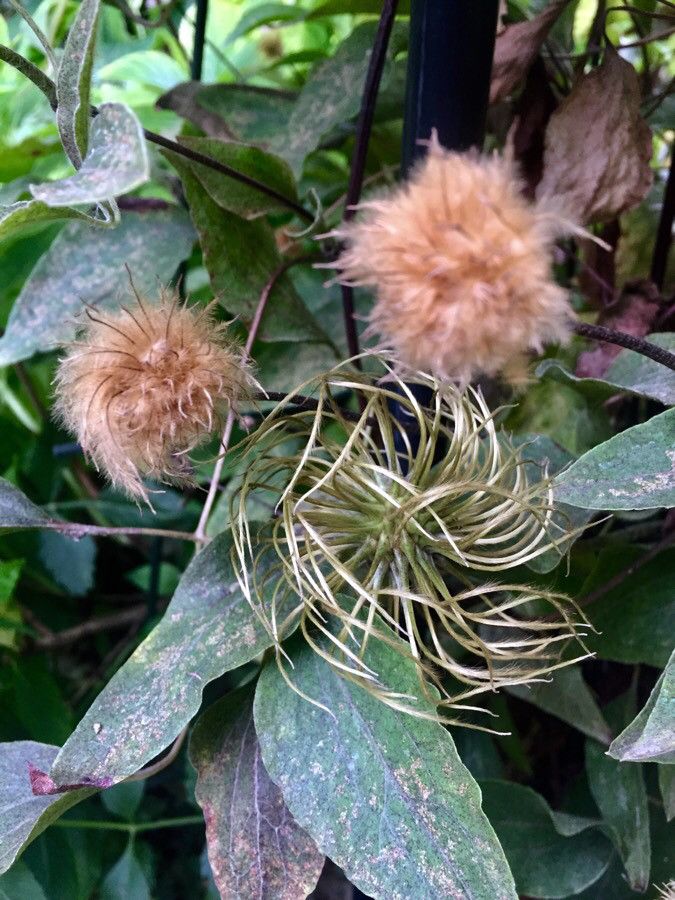
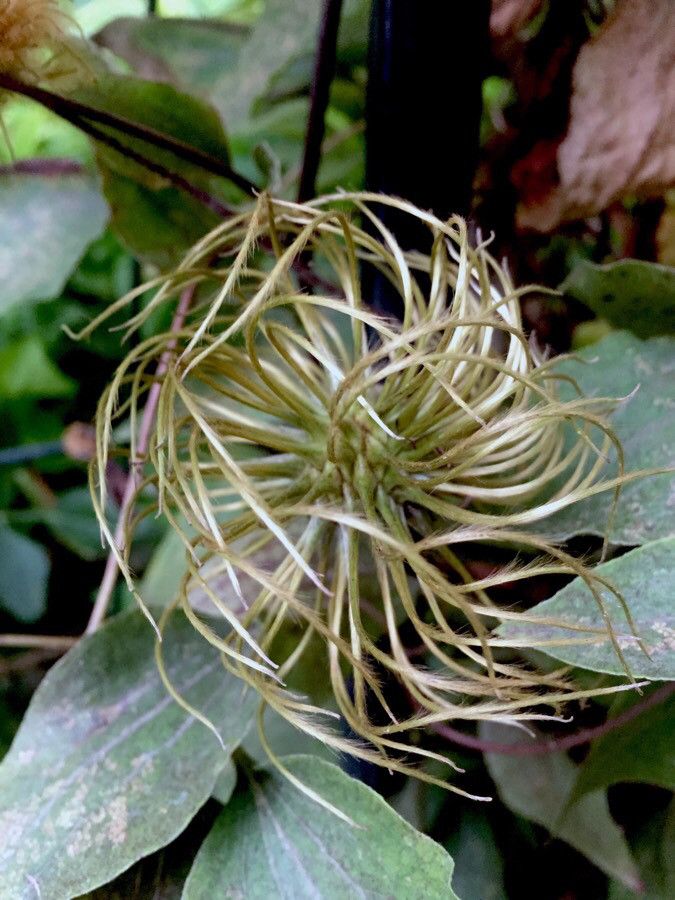
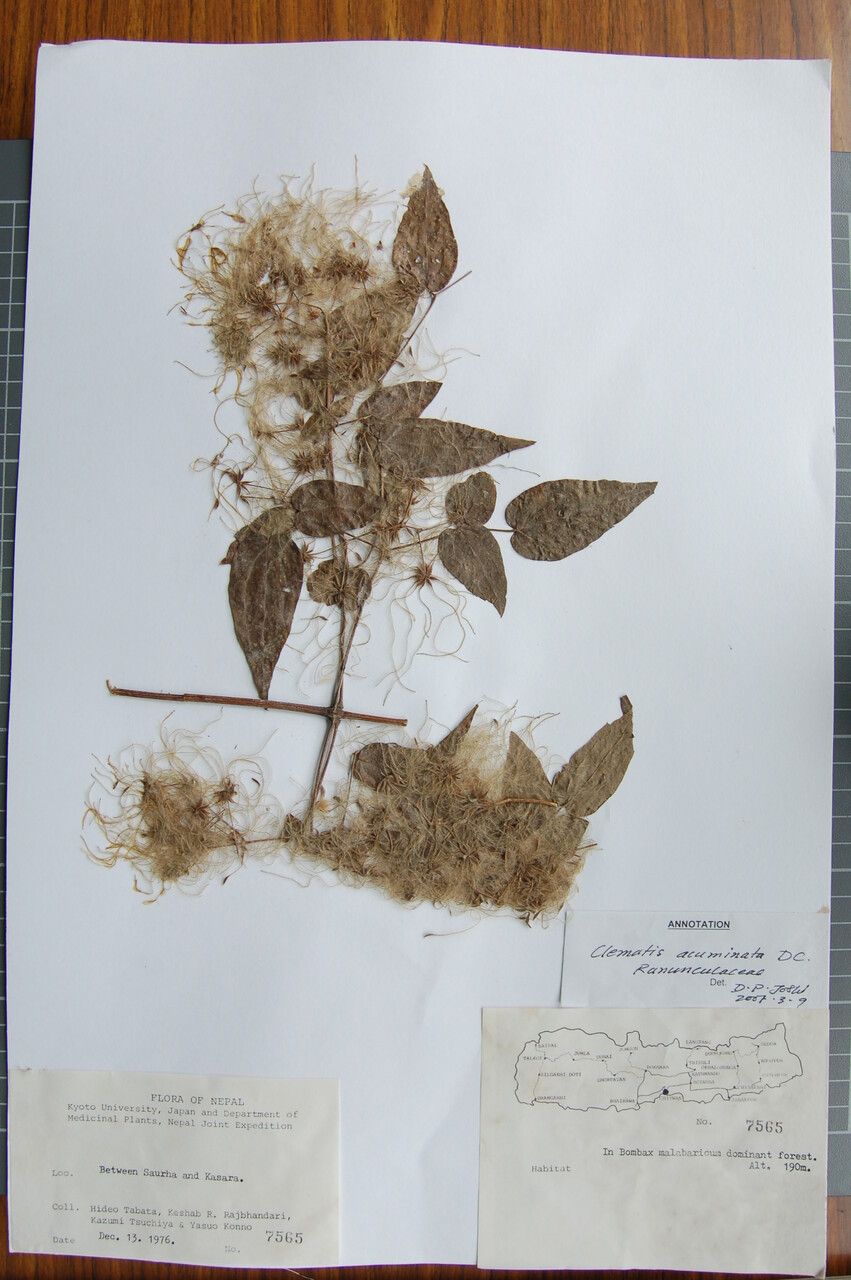
Clematis orientalis is a deciduous climbing plant belonging to the Ranunculaceae family. Native to Asia, it is commonly found in countries such as China, Japan, and Korea. This plant can reach heights of up to 6 meters, equipped with a woody stem and tendrils that aid its climbing ability.
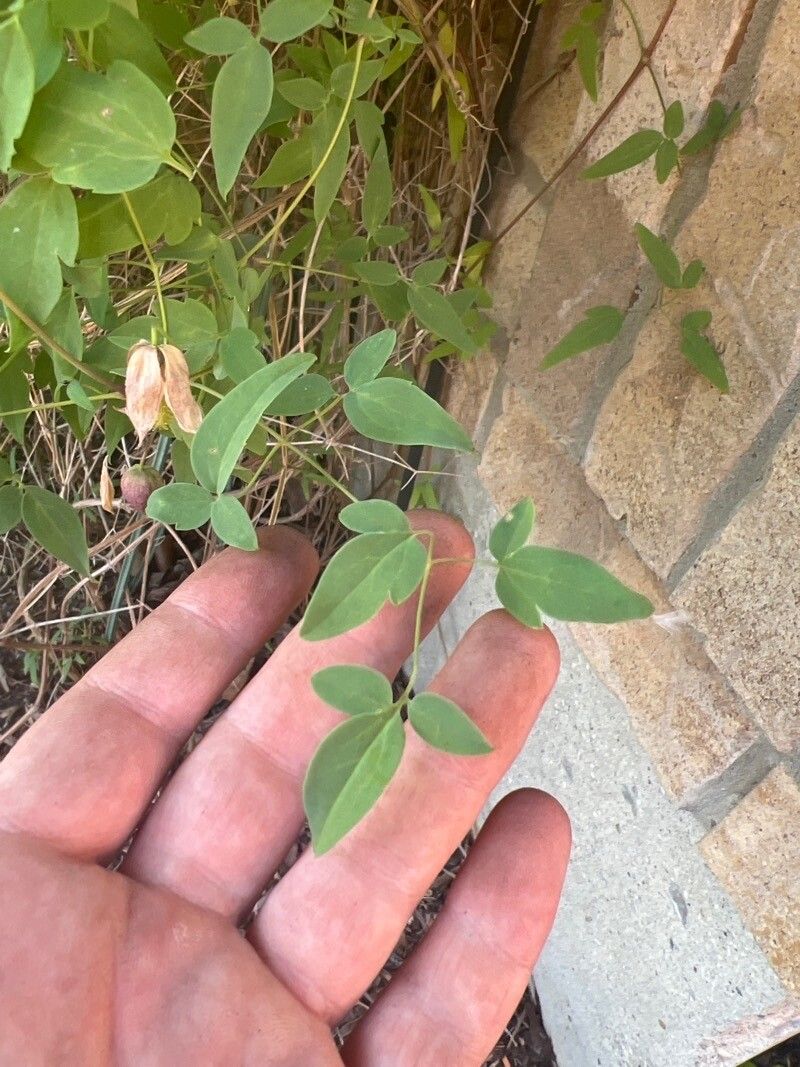
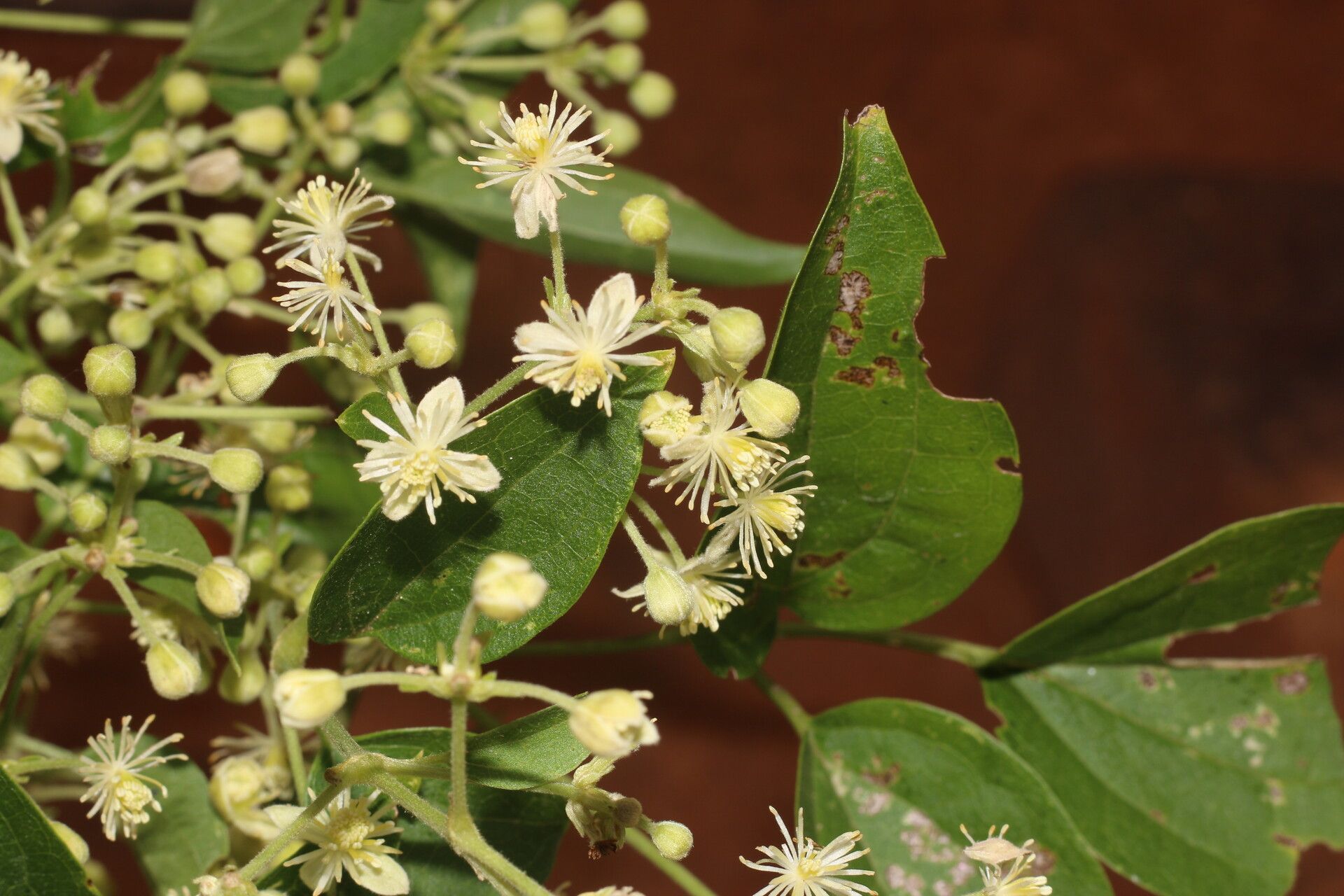
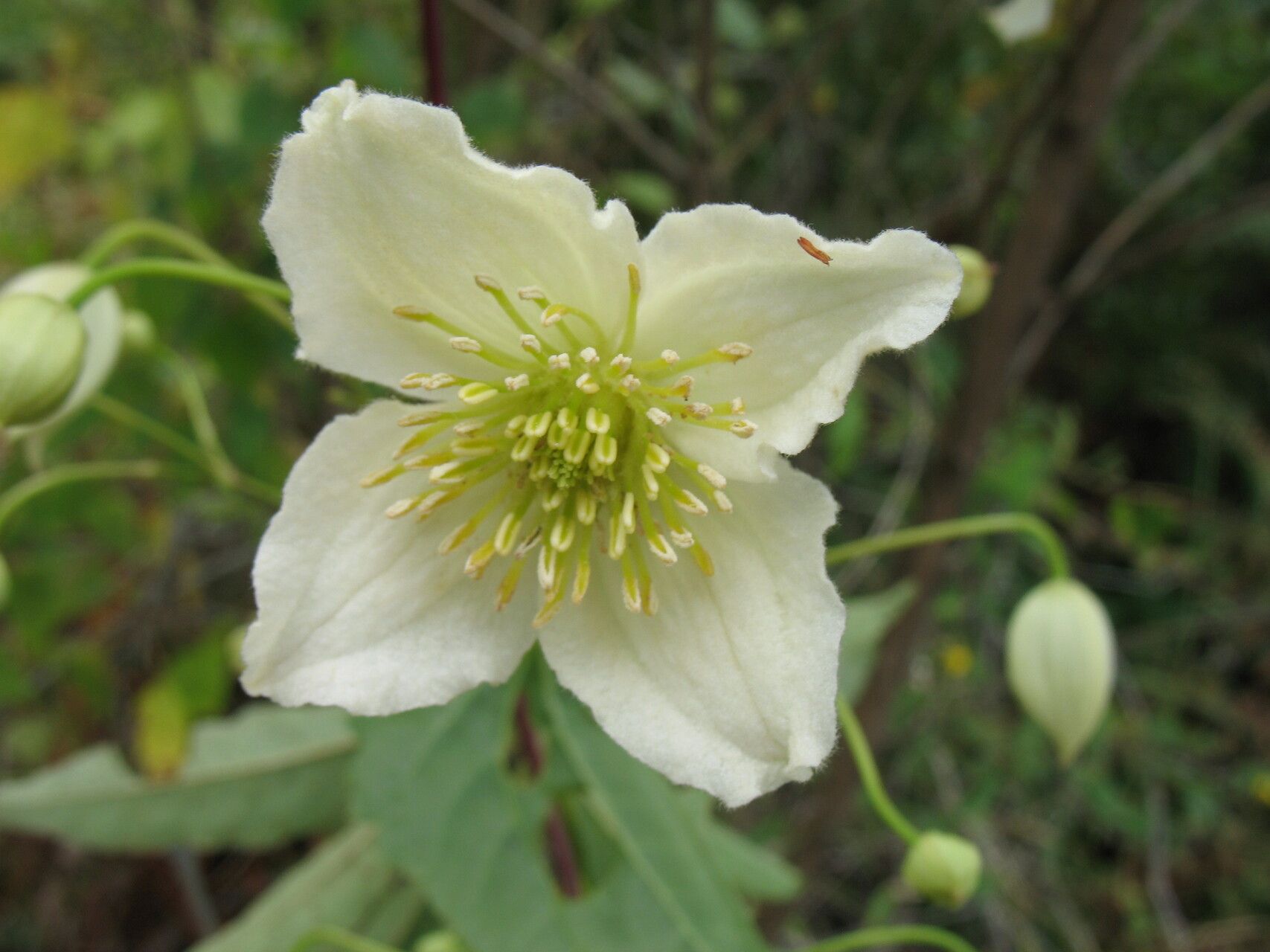
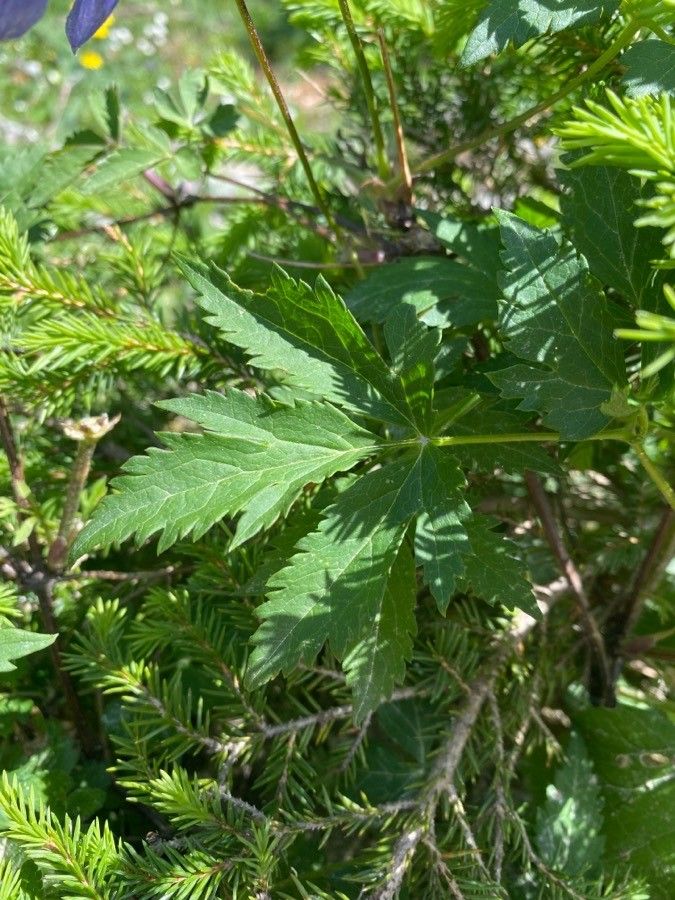
The leaves of Clematis orientalis are dark green, glossy, and composed of three leaflets. Its small but abundant flowers, about 2 cm in diameter, feature creamy white petals with slightly wavy edges. These flowers bloom from late summer to early autumn.
Clematis orientalis thrives in well-drained soil and prefers sites with full sun or partial shade. While it is relatively easy to grow, the plant requires support to accommodate its climbing nature.
In traditional Chinese medicine (TCM), Clematis orientalis is valued for its anti-inflammatory properties and is used in the treatment of rheumatism and arthritis.
Overall, Clematis orientalis is an attractive climbing plant with delicate flowers that enhance any garden or landscape. Its medicinal properties are also appreciated by TCM practitioners.
Fragrant virgin's bower is fairly resistant to disease and is generally not prone to illnesses. In terms of care, this plant is relatively low-maintenance. When grown outdoors it needs little watering, and larger specimens typically do not require pruning. Smaller plants, however, should be pruned after they finish flowering. Fragrant virgin's bower is appropriate for anyone with an outdoor area, such as a garden or deck, and does not demand much gardening experience.
How to keep Clematis Orientalis.
Light
Fragrant virgin's bower does best with plenty of light, though it can tolerate light shade. Sufficient light supports its robust growth, encourages flowering, and allows it to prosper in its natural habitats. However, prolonged periods of too little or too much light can harm its health and reduce flowering.
Water
Originating from habitats with varying moisture levels, oriental virgin's-bower is moderately drought-tolerant and thrives with weekly watering. It commonly climbs over fences and trellises, benefiting from rainwater that mimics its natural watering cycle and supports its robust growth.
Temperature
Fragrant virgin's bower thrives in temperatures from 41 to 95 °F (5 to 35 °C). It is adaptable and sturdy across different seasons; however, for best growth it is important to keep conditions within this range, particularly during extreme weather.
Fertilizer
Timing is vital when fertilizing Fragrant virgin's bower. Apply fertilizer in early spring and repeat monthly until early summer. Fertilizer encourages attractive blooms and provides energy during both dormant and active growth stages.
Pruning
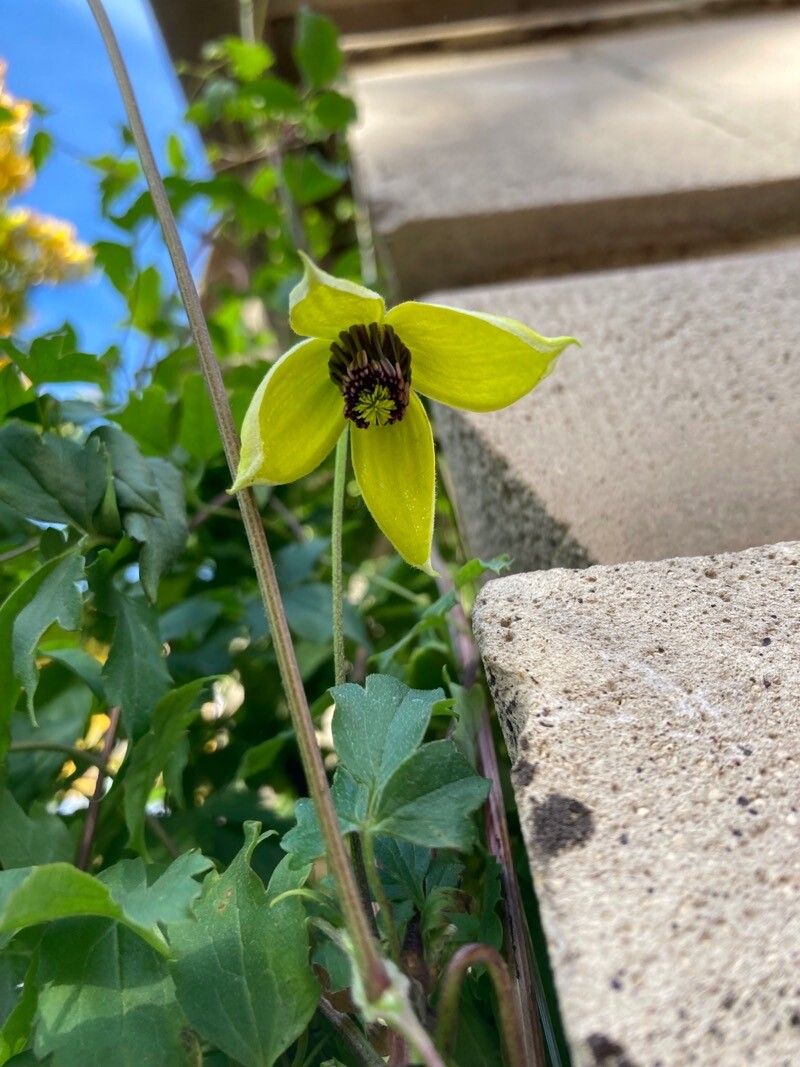
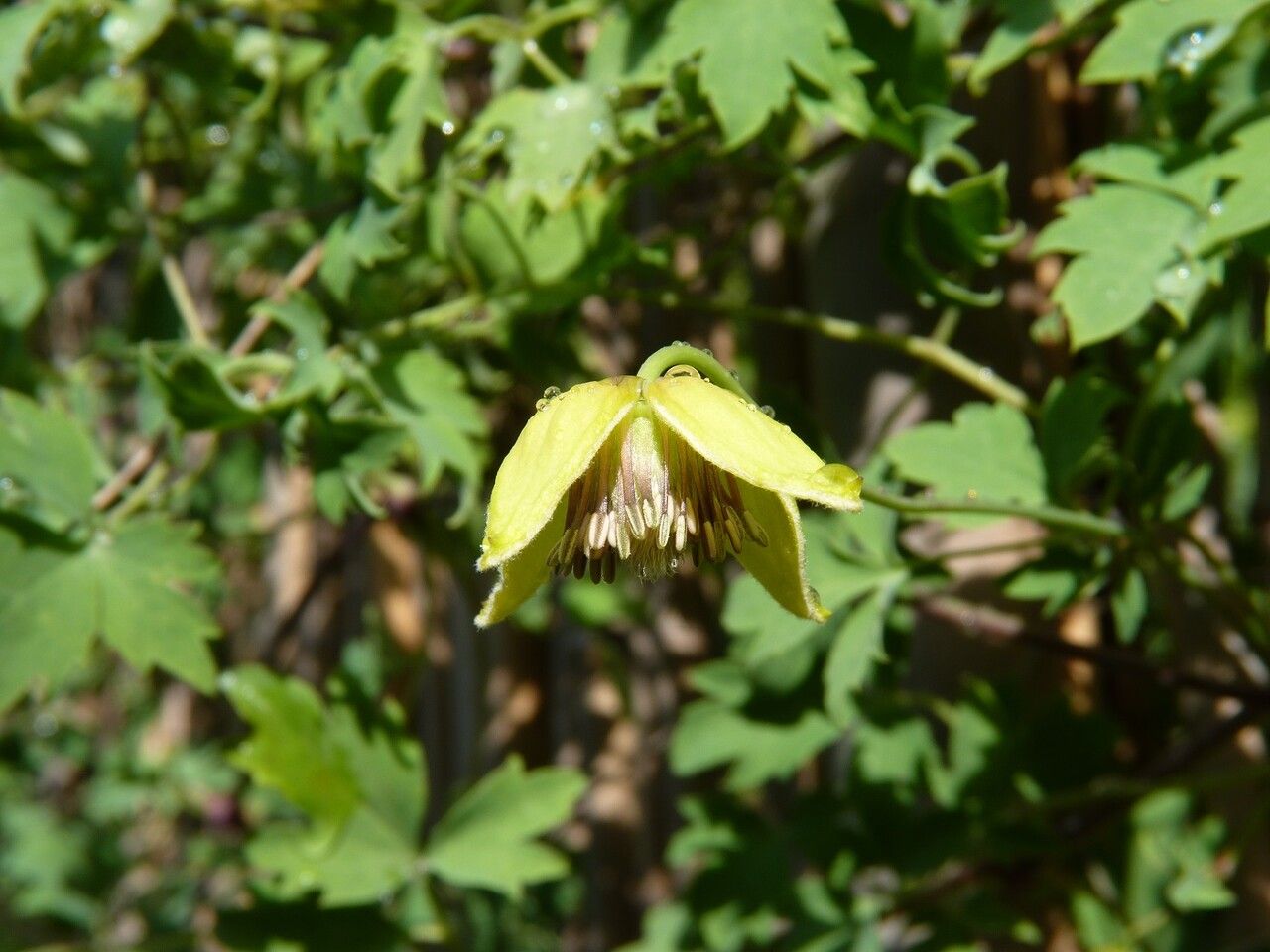
Oriental virgin's-bower is a climbing vine known for its striking yellow flowers. For optimal growth and blooming, prune it in early spring. This helps remove weak stems and improve air circulation. Regular pruning boosts the plant's vigor and enhances its blooms. If you opt for heavy pruning, cut back the vine to the healthy buds. Always use clean, sharp tools to achieve the best results.
Botanical profile.
- Plant Type
- Vine
- Life Cycle
- Perennial
- Genus
- Clematis
- Family
- Ranunculaceae
- Hardiness Zone
- 5-9
- Mature Height
- 4.57 m
- Mature Spread
- 91 cm
- Leaf Color
- Green
- Leaf Type
- Deciduous
- Flower Color
- White
- Flower Size
- 2.03 cm to 3.05 cm
- Bloom Time
- Summer
- Planting Time
- Spring
- Harvest Time
- Early fall, Mid fall
- Native Area
- Libya, Turkey, Montenegro, Croatia, Morocco, Slovenia, Russia, Portugal, France, Tunisia, Bulgaria, Greece, Serbia, Lebanon, Syria, Italy, Spain, Albania, Algeria
Other names.
Reader questions.
What is the best way to water my Oriental virgin's-bower plant?
To ensure excellent root development, place a garden hose at the base of your plants. Avoid spraying the leaves directly, especially if they are outdoors and exposed to direct sunlight. If you want to moisten the roots, consider using bubblers or soaker hoses that cover the entire garden or bed. When adding or removing plants, make sure the roots are pushed deep into the soil. After watering, drain any excess water and allow the soil to dry before watering again. To prevent diseases, water at ground level instead of spraying the leaves. On a sunny day, it can be beneficial to spray the entire bush with water. Whether your plants are potted or in the ground, remember that Oriental virgin's-bower prefers deep watering rather than light sprinkling.
Why should I fertilize my Oriental virgin's-bower?
To ensure your Oriental virgin's-bower produces beautiful blooms, it's important to fertilize it for a few reasons. One obvious reason is that fertilizer helps the plant flourish. To guarantee excellent flowers in spring, it's best to fertilize in early spring. Additionally, fertilizer provides the plant with energy that it can store in the ground during dormant growth phases. By giving your Oriental virgin's-bower extra nutrients during fall planting or late spring, it will have more energy to use when active growth resumes.
What are the sunlight requirements for Oriental virgin's-bower?
Oriental virgin's-bower, or Clematis orientalis, thrives best with extensive sunlight exposure, requiring full sun for over 6 hours a day to flourish. It can also manage in partial sun, with about 3-6 hours of sunlight daily. It's crucial to observe your garden's sunlight patterns to ensure the plants get the right balance of light and shade, as both overexposure and underexposure can adversely affect the plant’s health. Areas with adequate sunlight are essential for the plant's vitality, particularly in its natural environment.
What is the ideal temperature range for Oriental virgin's-bower?
Oriental virgin's-bower, or Clematis orientalis, thrives best in climates with temperatures ranging from 41 to 95 °F (5 to 35 °C). It is native to environments within this temperature range, and proper adjustment to seasonal changes within these limits is crucial for its growth. The plant displays strong cold resistance and normally does not require special frost protection measures during winter. However, in regions where temperatures are expected to fall below -25°C, it's important to protect the plant by wrapping its trunk and branches with materials such as non-woven fabric or cloth. To help prevent drought and water scarcity during winter and early spring, it is advisable to water the plant abundantly before the first freeze in autumn and ensure the soil stays moist.
What should I do if I give too much or too little water to Oriental virgin's-bower?
An Oriental virgin's-bower that is overwatered will show signs such as yellowing leaves, leaf drop, and wilting. The plant may also look unhealthy with mushy stems. Adjust your watering schedule when you notice these signs. Wilting can also indicate under watering, with leaves becoming crispy and dry. Check the soil and if it is dry, give the plant a thorough watering. However, this may cause the plant to initially recover but still exhibit dryness and yellow leaves due to root damage. Once the plant returns to normal, the yellowing of leaves will stop. Indoors, always check the moisture levels and avoid overwatering. Look for black spots, and if present, allow the soil to dry out for several days before watering again. Overwatering can lead to root rot. If you notice discolored and slimy roots, consider transferring the plant to a new pot. Prevent root rot by avoiding overly soggy soil. When planting the Oriental virgin's-bower outdoors, ensure the soil is adequately moist. If the soil feels too dry, it may indicate under watering, so water the plant appropriately.
When should I fertilize my Oriental virgin's-bower plant for best results?
Fertilizing Oriental virgin's-bower requires good timing. If you apply fertilizer too soon, while the plant is still dormant, it won't be effective and will just get washed away by rain, causing harm. The best time to start fertilizing is in early spring. Keep fertilizing once a month until early summer.
How can artificial lighting be used for Oriental virgin's-bower?
When natural sunlight is insufficient, especially during winter or in locations with limited sunlight, artificial lighting can serve as an effective substitute for Oriental virgin's-bower’s growth. LED lights, which can be tailored to deliver specific light wavelengths, are recommended for their energy efficiency and customization. Full sun plants, like Oriental virgin's-bower, require 30-50W per square foot of artificial light. Ensure the light source is 12-36 inches from the plant to mimic natural sun conditions and keep the lights on for 8-12 hours a day to match the natural daylight hours needed for the plant's optimal growth.
How should Oriental virgin's-bower be cared for in low temperatures?
Oriental virgin's-bower can tolerate cold conditions well and performs best when temperatures remain above 5°C. In winter, it is recommended to keep the temperature above -20°C. If temperatures plummet below -25°C, the plant might not show immediate damage during winter, but its branches could become brittle, dry by spring, and fail to sprout new shoots. To manage any potential damage from extreme cold, it's advisable to prune away any dead branches in spring that have failed to produce new leaves, ensuring the healthy growth of the plant.
How often should I give water to my Oriental virgin's-bower?
The Oriental virgin's-bower prefers deep and infrequent watering. If you have them in pots, make sure to soak them in a gallon of water each time, as the soil in pots dries out faster. In cold regions, water every 3 to 5 days, preferably in the morning when the soil is dry. Check the soil inside the pot to determine if watering is needed - if the top 2-3 inches of soil are dry, it's time to water. On hot days, check the moisture daily, as the heat can quickly dry out the soil. If you have a garden, irrigation is necessary. In hot climates, water once a week, but only if the soil is too dry. Consider the amount of rainfall and avoid overwatering to prevent root rot. Oriental virgin's-bower grows in spring and fall, and adding mulch around the plants can help retain water. Sandy soil requires more frequent watering, while clay soil needs less frequent watering to avoid root rot. Keep track of watering dates and pay attention to drooping leaves for any signs of dehydration.
When is it not a good time to apply fertilizer to my Oriental virgin's-bower plants?
Here are some tips to follow when fertilizing Oriental virgin's-bower to help encourage blooming. Firstly, avoid using a fertilizer that is high in nitrogen, as this may result in an abundance of leaves but few blooms. Look for a fertilizer with a lower amount of nitrogen compared to other nutrients. Secondly, refrain from fertilizing after early autumn, as excessive growth before winter can be detrimental. Additionally, avoid fertilizing during hot and dry periods, as dry soil does not effectively absorb fertilizer and the stimulated growth may require more water that might not be readily available. It is advisable to fertilize earlier in the season when temperatures are cooler. Lastly, keep in mind that Oriental virgin's-bower can absorb fertilizer applied to nearby plants or lawns, so take care not to unintentionally provide a double dose of fertilizer to the tree or shrub.
What are the symptoms of inadequate light for Oriental virgin's-bower?
Oriental virgin's-bower shows several symptoms when exposed to inadequate light, including smaller new leaves, leggy or sparse growth, faster leaf drop, and a halt in new growth. These signs indicate the plant is conserving resources due to insufficient sunlight. Other symptoms can include paler new leaves, chlorosis (leaf yellowing), sunscald, leaf curling, wilting, and leaf scorching. These issues occur when the plant is either underexposed or overexposed to sunlight, affecting its ability to photosynthesize and maintain health.
What care does Oriental virgin's-bower require in high temperatures?
During summer, it's crucial to ensure that the Oriental virgin's-bower's environment does not exceed 35°C. Exposure to temperatures above 38°C might cause the plant's leaves to lighten in color, while the tips could become dry and withered, increasing susceptibility to sunburn. To mitigate these effects, sunburned and dried-up parts should be removed, and the plant should be relocated to a shaded area, or a shade cloth can be used to protect it from midday and afternoon sun. Additionally, watering the plant in the morning and evening helps maintain soil moisture, aiding in the plant's overall health and resilience against high heat.