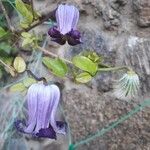
Clematis pitcheri
Pitcher's clematis · Pitcher's virginsbower · Bellflower clematis · Bluebill
Description
Source: leafsnapClematis pitcheri is a species of flowering plant in the buttercup family known by the common name bluebill. It is a herbaceous, perennial vine found in the south-central United States and northern Mexico. It grows in wooded, rocky outcrops, woodland margins, bluffs, and disturbed habitats. Leaves are variable, oppositely arranged along the stems, and can be simple or compound.
🌳 Bluebill offers essential support to local ecosystems. Its climbing vines form shelter for small birds and insects, and its flowers supply nectar for pollinators. Beyond its typical decorative appeal in gardens, Bluebill therefore plays an important role in preserving biodiversity and ecological health.
🎭 Craftsmanship, inventiveness and intellectual beauty
Care Guide
💧 Water Every week
Bluebill thrives in consistently moist conditions and requires weekly watering to stay healthy. Often found climbing over fences, this plant benefits from rainwater, which helps maintain soil that is evenly moist yet well-drained. Providing sufficient water during the growing season is crucial for producing lush foliage and striking blooms.
How should I water my Bluebill in the best way?
To properly water the Bluebill plant, it is recommended to use filtered water at room temperature. Tap water may contain harmful particles, so filtered water is preferred. Since the Bluebill plant is native to warm environments, it is important to avoid using cold water as it can shock the plant. Additionally, overhead watering should be avoided as it can cause issues with the foliage. Instead, gently apply the filtered room temperature water to the soil until it is completely soaked. This helps to moisturize the roots and support their growth and nutrient absorption.
What do I do if I give my Bluebill too much or too little water?
Overwatering and underwatering can both harm the health of your Bluebill plant, but overwatering is a more common problem. When a Bluebill receives excessive water, its stems and leaves may wilt and turn yellow. Prolonged overwatering can also lead to diseases like root rot, mold, and mildew, which can be fatal to the plant. Underwatering is less likely to occur for Bluebills because they have good drought tolerance. However, it is still possible, and in such cases, the leaves of the plant may become dry and brown. It is important to recognize the signs of overwatering early when caring for your Bluebill. Some diseases caused by overwatering, such as root rot, may not be reversible if not addressed promptly. If you notice initial signs of overwatering, reduce your watering schedule immediately. Additionally, check the soil's quality where the Bluebill is planted. If the soil does not drain well, replace it with a loose, well-draining potting mix. On the other hand, if you observe signs of underwatering, you just need to water the plant more regularly until the signs disappear.
How frequently should I water my Bluebill?
If your Bluebill plant is in a pot, the easiest way to check if it needs water is to stick your finger into the soil. If the top two to three inches of soil feel dry, it's time to water it. For Bluebill plants grown outside in the ground, you can use the same method to test the soil. Once the top few inches dry out, it's time to water. During spring and early fall, watering once a week is usually sufficient. However, during extremely hot weather, you may need to water twice a week or more. It's worth noting that mature, well-established Bluebill plants have a remarkable ability to tolerate drought.
How much water does my pet Bluebill need?
To properly water your Bluebill, don't hold back on the water amount. Make sure the first two to three inches of soil are dry before watering. Give the plant a good, thorough watering so that the soil is completely soaked. Watch for excess water to flow out of the pot's drainage holes. If you don't see any excess water, it means you haven't watered enough. However, be careful not to let the water build up in the soil, as this can be harmful to the plant. On the other hand, if water isn't draining properly through the pot, it may indicate poorly draining soil, which is bad for the plant's health. If the plant is outdoors, one inch of rain per week will suffice.
How do I water my Bluebill at various stages of growth?
The water needs of the Bluebill vary depending on growth stages. In the first few years or after transplanting, more water is needed because the plant focuses on developing new roots for future growth. These roots perform best with extra moisture. As the Bluebill matures, less water is required. Additionally, during the bloom period, when flower development occurs, the plant may need increased water to support this process.
☀️ Light Full sun
Bluebill grows best when it gets a large amount of sunlight each day, though it can tolerate periods of reduced light. Native to sun-drenched habitats, the plant attains its healthiest condition under plentiful sunlight. Both too much and too little light can hinder its normal growth and vigor.
What kind of sunlight does Bluebill require?
Bluebill is a plant that requires full sun every day in order to keep its leaves, roots, and blooms healthy. Most perennials also need at least six hours of sunlight per day, but there are exceptions like the Orange Daylily or Giant Coreopsis that can survive on just three hours of sunlight. However, it's important to note that while these plants can survive with less sunlight, they won't thrive as well as they would in sunnier conditions.
Can the sun harm Bluebill? How can I shield Bluebill from the sun and heat damage?
In warm climates, some Perennial Flowering Plants may struggle with excessive heat and suffer from sun damage. They can wilt, dry out, or even experience growth problems if they are consistently exposed to the intense afternoon sun. However, not all plants require protection from the light afternoon sun. For those that are harmed by intense afternoon exposure, it is recommended to provide them with some shade in warmer climates. Gardeners can achieve this by planting these plants in areas that do not receive direct heat during the afternoon, such as under trees or behind bushes.
Should I keep Bluebill out of the sun?
Certain perennial plants require ample sunlight to reach their maximum bloom. However, in warmer climates, some of these plants actually benefit from less sun. For instance, individuals residing in hotter regions might find it beneficial to shade their flowering perennials during the intense afternoon sun, especially during summer months. Although many perennial flowering plants prefer partial shade in the hottest climates, there are exceptions. Take the Giant Coreopsis, for example, as it is not bothered by excessive sun exposure. These plants can flourish even when placed in the full sun during scorching weather.
What will happen if Bluebill doesn't get enough sunlight?
If your Bluebill plants aren't receiving enough sunlight, you'll see signs of insufficiency. They won't produce as many blooms as they would with full sun exposure. Some plants may develop dry spots on their leaves, but most will still bloom, though with smaller and less full flowers.
Does the Bluebill need extra attention to sunlight at different stages of its growth?
Bluebill flowers in gardens and requires at least six hours of sunlight daily for optimal blooming. However, during the hottest parts of the day, partially shading the flowers can help them stay fresh longer. It is important for young Bluebill plants to receive ample sunlight without enduring intense afternoon heat. On the other hand, fully mature plants should be provided with plenty of sun to support proper growth.
🌡️ Temperature 5–35°C
The bluebill is native to areas with a temperate climate and can tolerate temperatures from 41 to 95 ℉ (5 to 35 ℃). It prefers temperatures between 59 and 77 ℉ (15 to 25 ℃), but can adapt to higher or lower temperatures in different seasons as long as those conditions are not extreme.
What temperature is best for Bluebill?
The ideal temperature for Bluebill to thrive is between 65~80℉(18~27℃). During the main growing phase, the highest temperature they can tolerate is 95℉(35℃), while the lowest tolerable temperature is 15℉(-10℃). This species is able to withstand freezing winters and can survive in low temperatures. Here are the recommended temperature ranges: - Ideal: 65~80℉(18~27℃) - Highest: 85~95℉(30~35℃) - Lowest: -5~15℉(-20~-10℃) or below
Do I need to change the temperature for Bluebill as it grows?
According to research, if the temperature remains high for a long time, Bluebill will start showing signs of slowed growth. This is especially true when it comes to the development of axillary buds and the growth of main shoots. To promote healthy growth after germination or transplanting, it is recommended to maintain consistent and cooler temperatures, ideally around 65℉ (18℃).
How can I make sure Bluebill stays warm during cold seasons?
Bluebill can tolerate freezing temperatures if planted in the ground in areas where the temperature does not drop below 15℉ (-10℃) during winter. However, if it is planted in pots or containers, it is important to protect the roots from the cold. This can be done by wrapping the container in a blanket or bringing it indoors where it will be fully shielded from the elements.
What will happen to Bluebill if the temperature is too high or too low?
Bluebill will experience greater harm if the temperature is consistently too high instead of too low. When Bluebill gets too hot, heat stress triggers hormone imbalances that reduce seed germination and photosynthesis efficiency. This can be observed through wilting, leaf browning, and potentially death of the plant. On the other hand, if Bluebill gets too cold, the plant's nutrient uptake and photosynthesis functions will stop, potentially leading to its death. If a single freeze happens during the growing season, it can cause a phase transition in the plant's membranes, resulting in a halt in its functions and eventual death.
What should I remember about the temperature for Bluebill?
To ensure the Bluebill plant's health and successful growth, it is important to maintain a consistent soil temperature. This can be achieved by regularly watering the plant, placing mulch on the bare soil, and planting it in a shady area.
💨 Humidity
🪴 Soil 6-7
🌱 Fertilizer
Usually one fertilizer application in spring is enough for Bluebill, though repeated feedings can maximize growth. Feed every month to a month and a half. Fertilizing improves leaf appearance and function, supporting even color and a healthy texture. It also encourages root development and nutrient uptake for long-term plant health.
Why do I have to put fertilizer on my Bluebill?
To keep your Bluebill looking great and functioning properly, fertilization is crucial. It ensures consistent leaf color and a healthy texture. Fertilization also helps with root growth and maintenance, improving the plant's ability to absorb nutrients from the soil in the long run.
When should I fertilize my Bluebill?
If you grow your Bluebill outdoors, it will sprout new growth in early spring. This is a sign that it's time to fertilize for the year. Usually, a single application of fertilizer in spring is enough for the Bluebill to thrive. However, if you want maximum growth, you can fertilize multiple times from spring to early summer. In this case, you can feed your Bluebill every month or month and a half.
When is it not a good idea to add fertilizer to my Bluebill?
During the late fall and winter, your Bluebill will go into a dormant phase and won't grow anymore. So, it's best to avoid fertilizing it during this time. However, when spring and summer come around and you decide to fertilize, make sure to gradually decrease the amount of fertilizer as summer progresses because the Bluebill's growth rate will also slow down. In general, it's not a good idea to fertilize your Bluebill during unusually hot weather or when the soil is very dry. Fertilizing in these conditions can actually harm your Bluebill and cause it to die early.
What kind of fertilizer does my Bluebill need?
Luckily, selecting the perfect fertilizer for a Bluebill is a simple task. These plants thrive on a general-purpose garden fertilizer that contains equivalent amounts of nitrogen, phosphorus, and potassium. Opting for a fertilizer with a 10-10-10 ratio or a similar one will provide great results. If unsure, avoid fertilizers with high nitrogen levels. The majority of effective Bluebill fertilizers are available in granular form. These slow-release fertilizers are easy to apply to the soil. Additionally, feeding your Bluebill with organic soil amendments like compost can be beneficial.
How can I feed my Bluebill plant?
To make it easier to follow, wait until the first leaves of your Bluebill plant start poking through the soil in early spring. Once you see this sign, apply a balanced granular slow-release fertilizer to the soil around the base of the plant. If desired, you can repeat this process later in the season. When applying fertilizer to the Bluebill, remember to focus on the soil at the base of the plant and not on the plant itself. This may require moving some leaves to access the soil above the roots. It is also a good idea to water your Bluebill before and after fertilizing.
🪴 Pot & Repot 2-3 years
Repot Bluebill in early spring, selecting a pot only slightly larger than the current one and with adequate drainage. Use a well-draining potting mix, making sure the root ball remains at the same level as before. Gently tease out any root-bound roots. After repotting, water thoroughly and place the plant in a warm, shady spot. Regular pruning will keep its size in check and encourage new growth.
✂️ Pruning
Bluebill is a climbing vine that produces bell-shaped flowers. To ensure a healthier and more vigorous plant, prune the old stems in early spring. This practice encourages new growth and blooms, enhances air circulation, and reduces the risk of disease.
🌿 Propagating
🐛 Diseases & pets
☠️ Toxicity
Characteristics
- Plant Type
- Vine, Herb
- Life Cycle
- Perennial
- Genus
- Clematis
- Family
- Ranunculaceae
- Hardiness Zone
- 5-9
- Mature Height
- 3.96 m
- Mature Spread
- 91 cm
- Leaf Color
- Green
- Leaf Type
- Deciduous
- Flower Color
- Purple
- Flower Size
- 1.27 cm to 2.03 cm
- Bloom Time
- Late spring, Early summer, Mid summer
- Planting Time
- Spring
- Harvest Time
- Mid summer
- Native Area
- Mexico