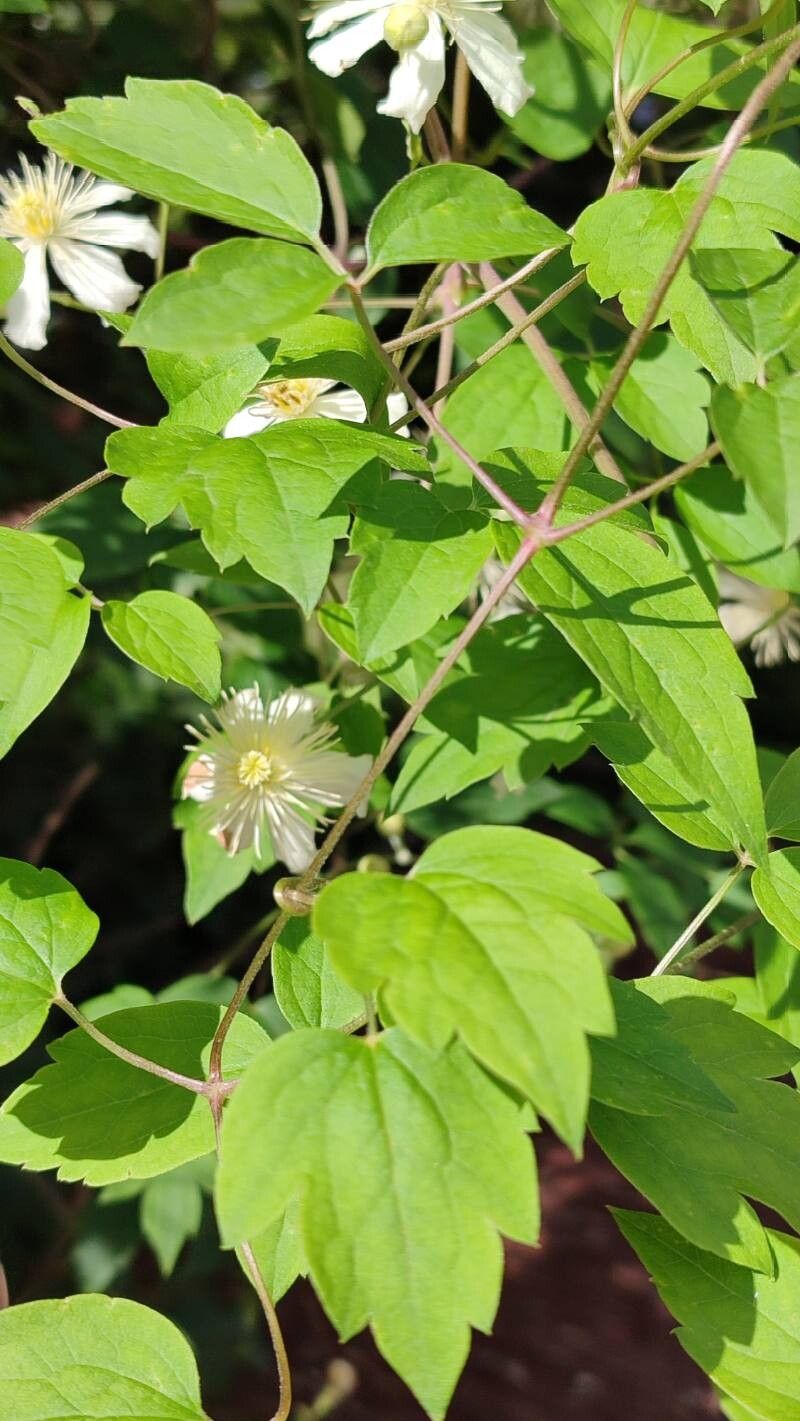
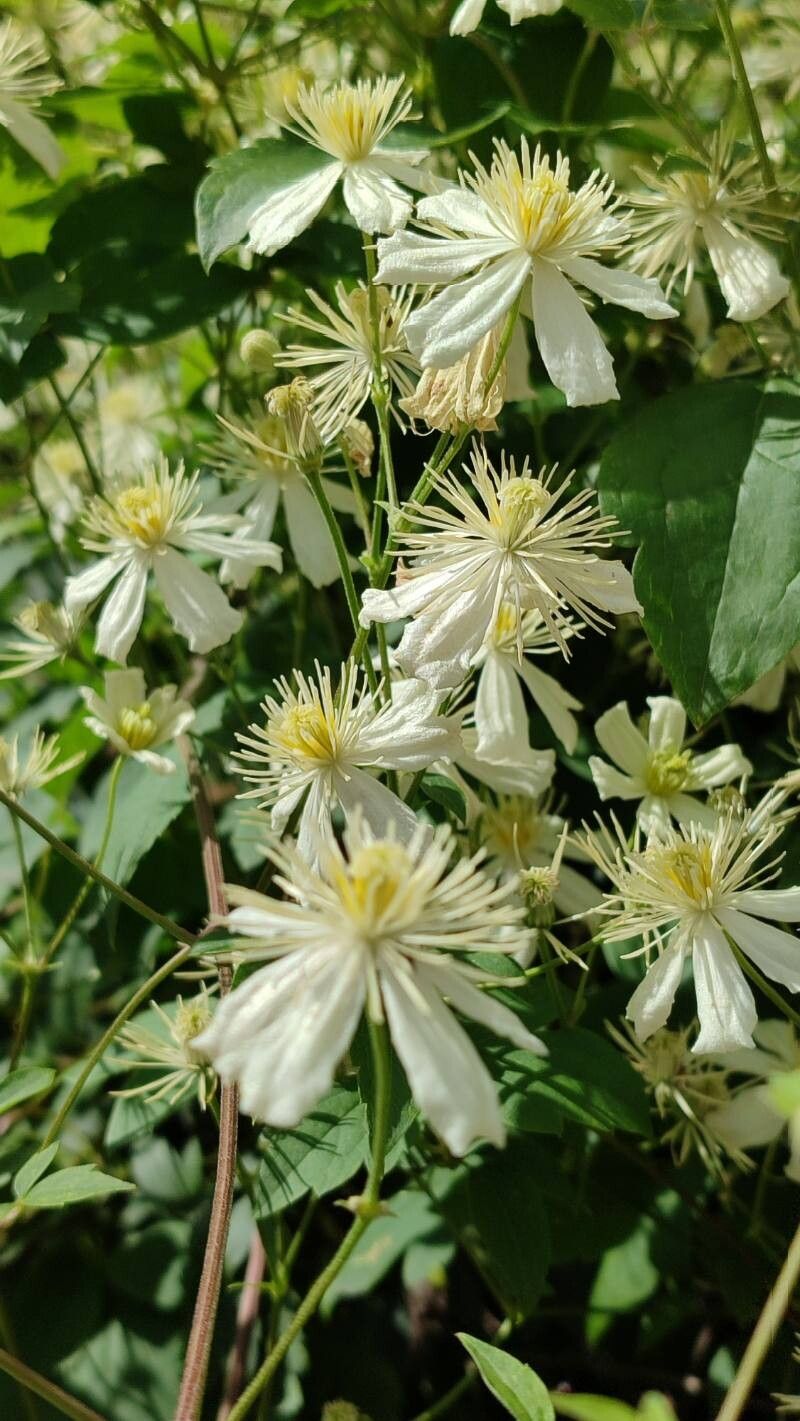
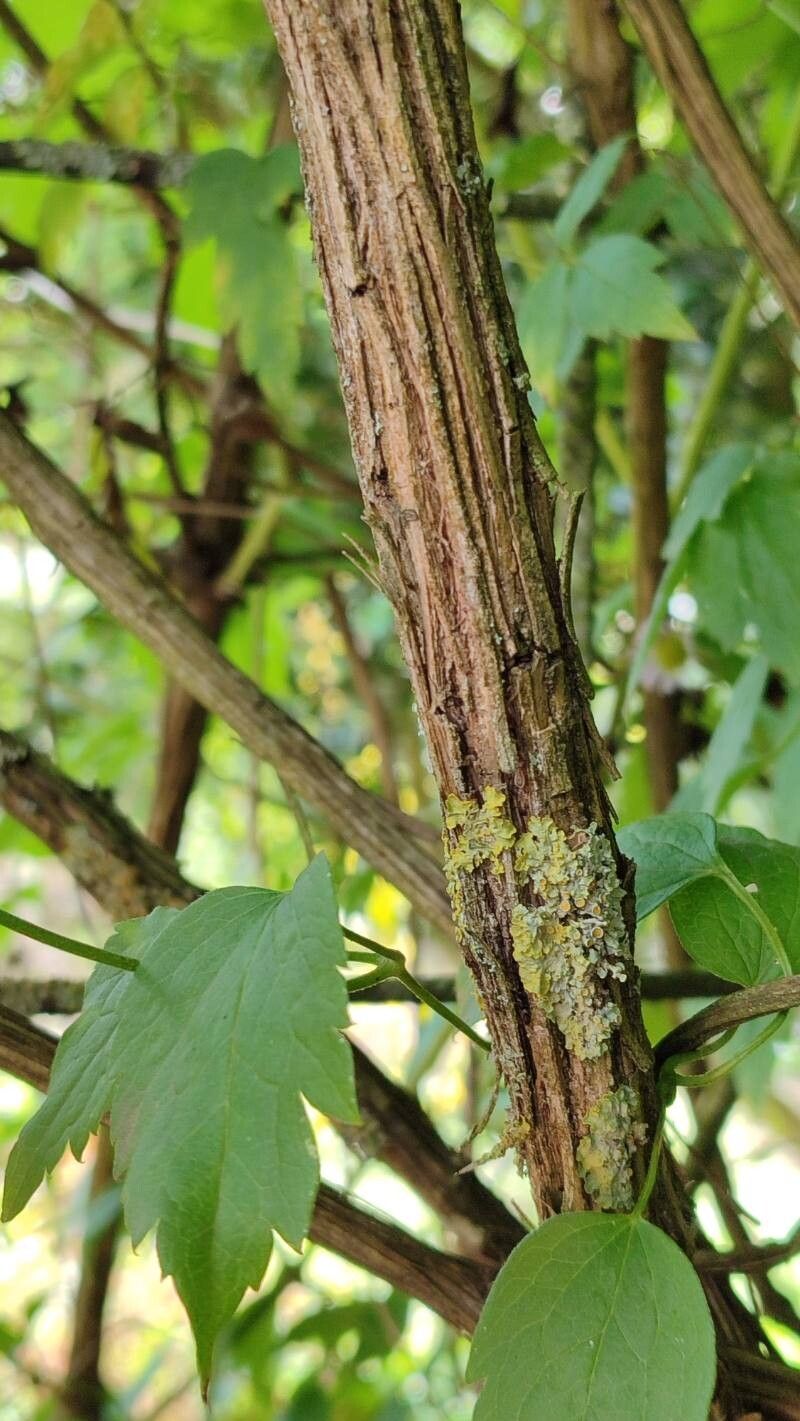
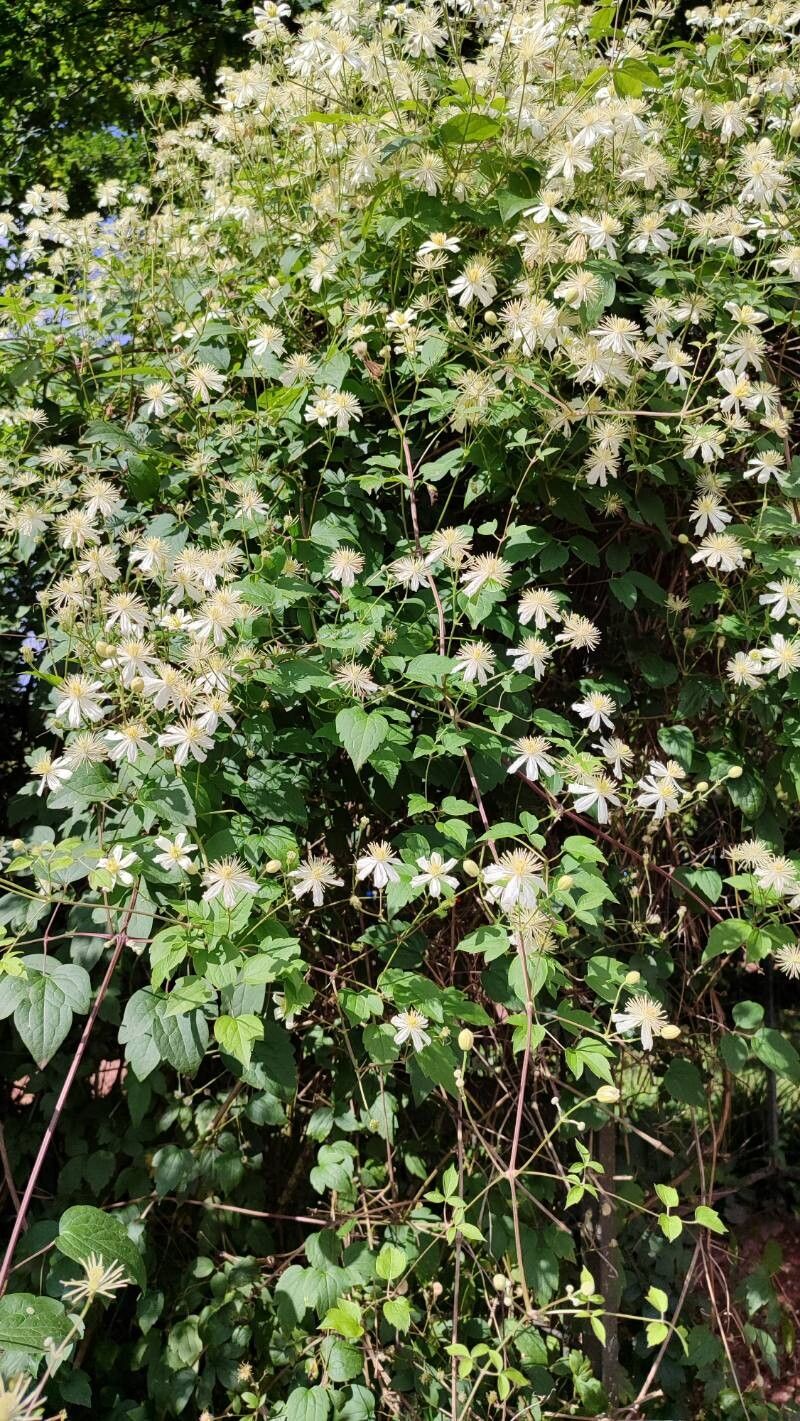
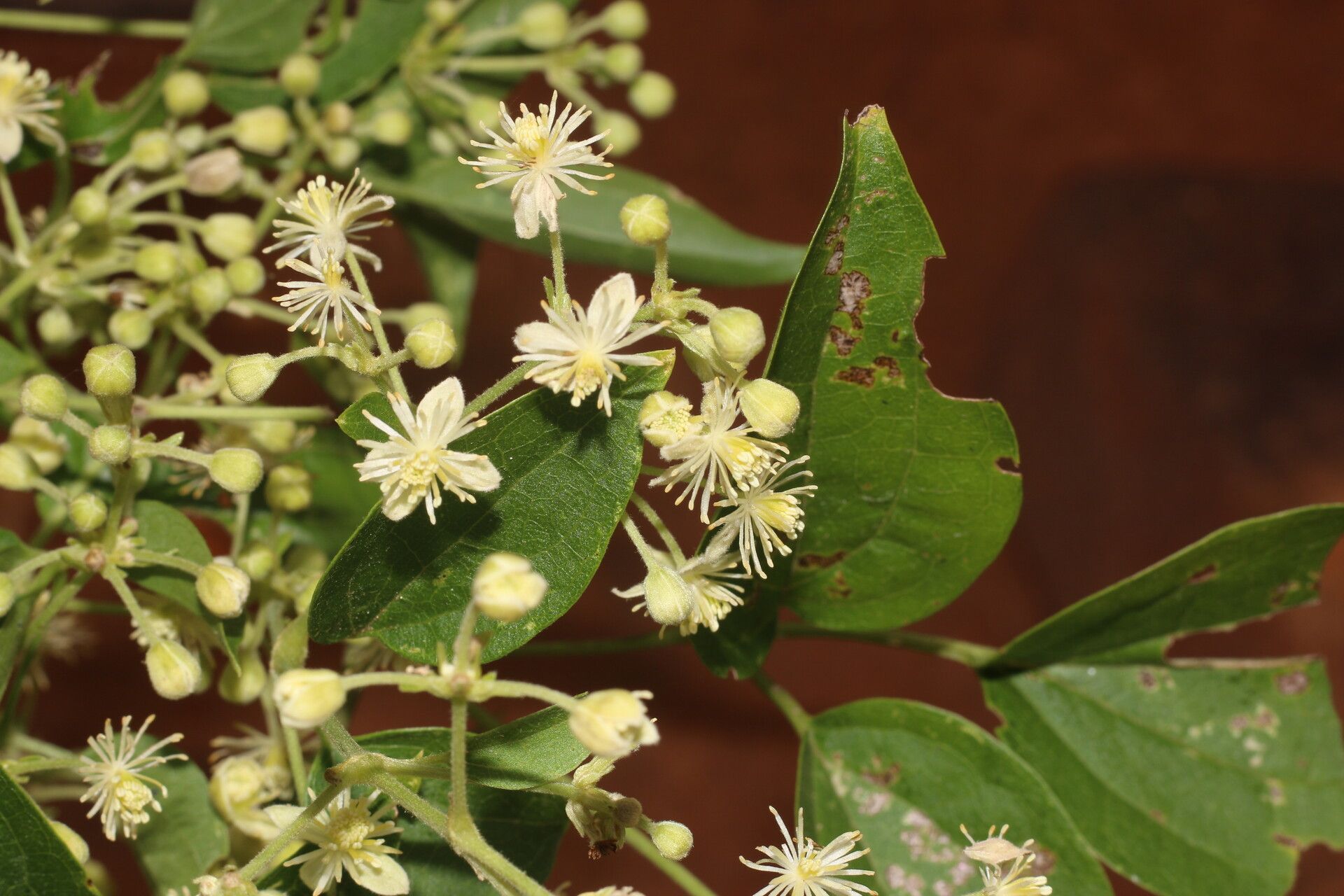
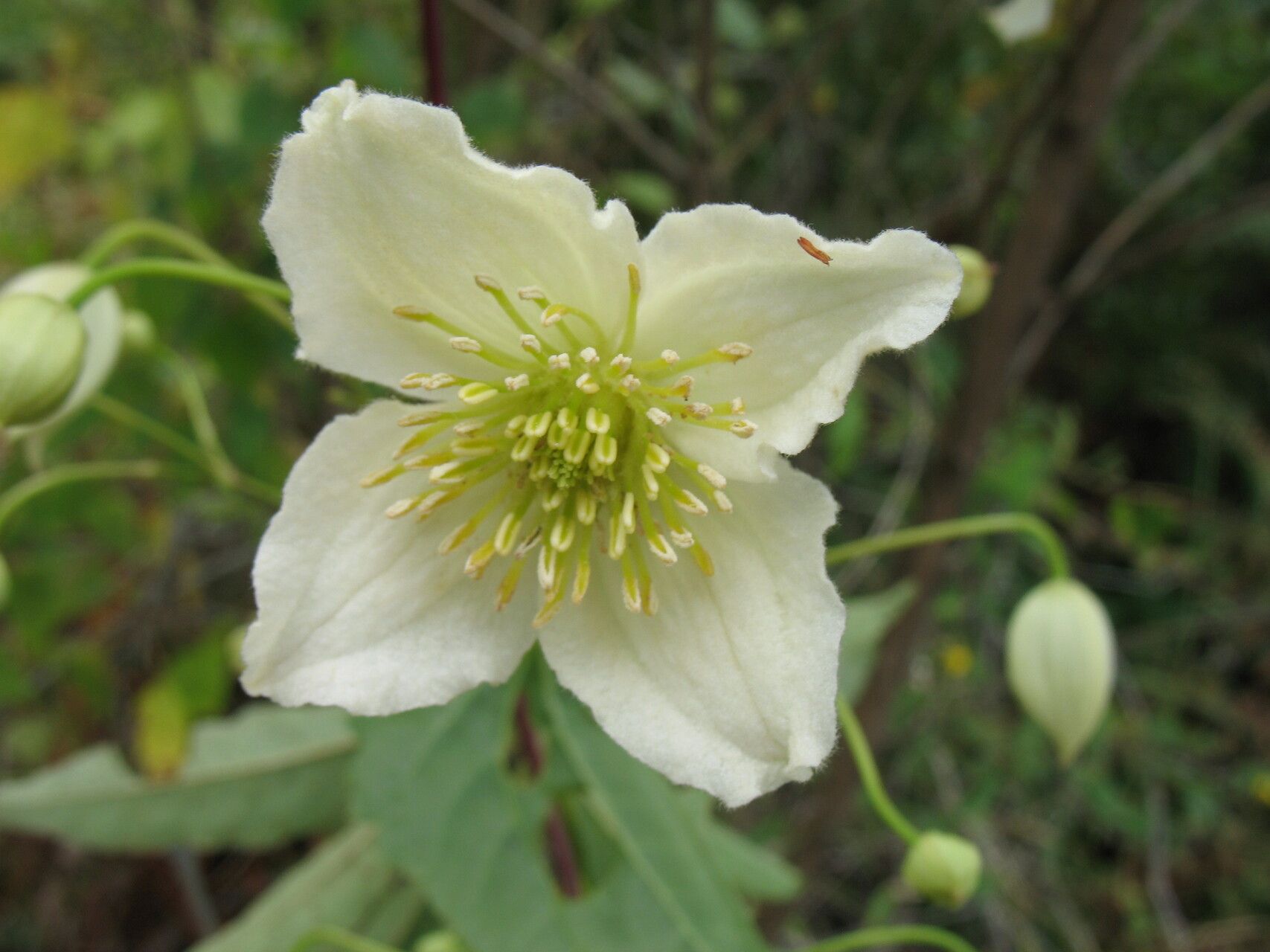
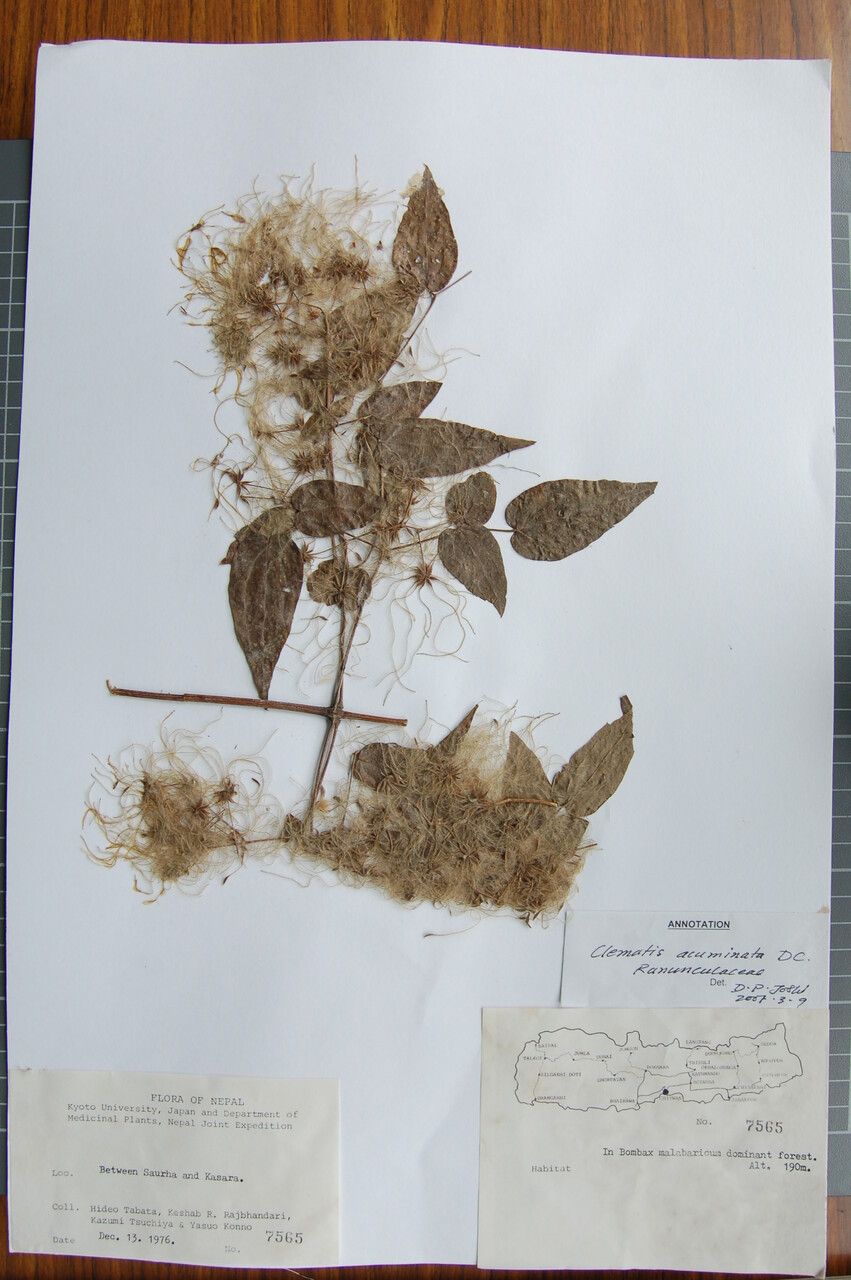
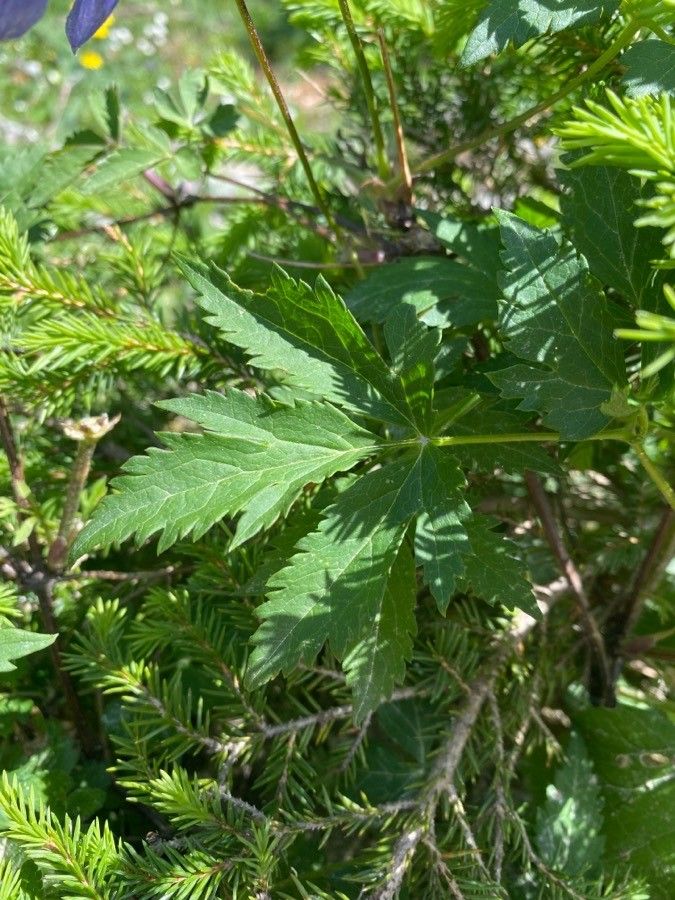
Clematis potaninii, the old man's beard, is a species of flowering plant in the family Ranunculaceae, native to Tibet and central China. A deciduous woody vine, in the wild it is found climbing on slopes and in forests, particularly forest edges, at elevations from 1,400 to 4,000 m. Its cultivar 'Summer Snow', also known as 'Paul Farges', has gained the Royal Horticultural Society's Award of Garden Merit.
Fargesii clematis shows good resistance to disease and is usually not susceptible to illnesses. As for maintenance, this plant is fairly low-maintenance. When planted outdoors it needs only minimal watering, and larger specimens generally do not need pruning; smaller plants, however, should be trimmed after they have finished blooming. Fargesii clematist is appropriate for anyone with outdoor space—like a garden or a deck—and does not require much care experience.
How to keep Clematis Potaninii.
Light
Fargesii clematis comes from open habitats, such as sunny meadows and forest margins, which offer abundant light. It performs best in full sun but can also tolerate partial sun, adapting well to different sunlight conditions.
Water
The Fargesii clematis prefers high humidity but is somewhat drought-tolerant, needing to be watered twice a week for optimal health. It thrives in well-draining soil, which helps prevent waterlogging, especially during heavy rain. This reflects its origins in the moisture-rich mountainous regions.
Temperature
Fargesii clematis is highly adaptable to a range of climates, from very hot summers to cold winters. It still has an optimal temperature range for development. If temperatures climb too high, the plant is vulnerable to heat and humidity stress, which can lead to its death. In areas where temperatures near the lower limit of its cold tolerance, taking steps to insulate the plant is important for its protection.
Fertilizer
Timing is crucial when fertilizing Fargesii clematis. Fertilize in early spring and continue monthly until early summer. The fertilizer encourages attractive blooms and supplies energy during both dormant and active growth phases.
Pruning
Prune Fargesii clematis either before it flowers or between late winter and early spring. By removing weak branches, you can improve nutrient distribution and selectively trim for enhanced blooms. While heavy pruning can stimulate growth, especially in late-blooming varieties, allowing thick branches to remain will encourage a longer blooming season.
Botanical profile.
- Plant Type
- Vine
- Life Cycle
- Perennial
- Genus
- Clematis
- Family
- Ranunculaceae
- Hardiness Zone
- 5-9
- Mature Height
- 3.05 m to 4.88 m
- Mature Spread
- 2.13 m to 3.05 m
- Leaf Color
- Green, Dark Green
- Leaf Type
- Deciduous
- Flower Color
- White
- Flower Size
- 3.05 cm to 5.08 cm
- Bloom Time
- Summer
- Planting Time
- Spring, Summer, Autumn
- Harvest Time
- Early fall, Mid fall
- Native Area
- China