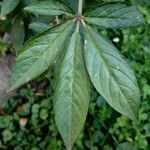
Cleome hassleriana
Spider-flower · Pinkqueen · Spiderplant · American spider flower · Spîder plant
Description
Source: leafsnapCleome hassleriana, commonly known as spider flower or pink queen, is a flowering plant native to South America. It is a popular choice for gardens due to its attractive pink or white flowers that bloom in the summer. The plant can reach heights of up to 4 feet and features long, slender stems topped with clusters of flowers. Its leaves are palmate, composed of five serrated leaflets. Spider flower thrives in full sun and well-drained soil but can also tolerate some shade and drought conditions once established. Additionally, it is known for attracting pollinators such as bees, butterflies, and hummingbirds with its nectar-rich flowers. Overall, Cleome hassleriana is an easy-to-grow annual that adds color and interest to any garden with minimal maintenance required.
🎭 Beloved, run away with me
Care Guide
💧 Water Every 3 days
Cleomes are relatively drought-tolerant once established, making them excellent for xeriscape gardens. Organic mulch layered around your plant will help decrease the watering frequency.
☀️ Light Full sun
The spider flower thrives with plenty of sunlight, promoting healthy growth. Its natural habitat is well-lit, which helps its development. While full sun encourages blooming, it can tolerate lower light levels. Conversely, too little sun weakens it, and excessively strong light can cause harm.
🌡️ Temperature 5–37.8°C
Spider flower naturally occurs in areas with temperatures between 68 and 100 °F (20 and 38 ℃). The plant prospers in these warm climates. Seasonal care may be necessary, especially during cold winter periods when it should be moved indoors or supplied with extra heat.
💨 Humidity dry (<40%)
This plant prefers dry conditions, so don't mist it. However, watering it less often can also thrive in higher humidity.
🪴 Soil 6-7
🌱 Fertilizer
Once most of the Spider flower's blooms have opened and reached full size, you should begin fertilizing again. When blooms are at their peak output, apply fertilizer once every three to four weeks, as weather permits. Then, once the Spider flower starts producing fewer new blooms, stop fertilizing; there's no need to feed the plant when it can no longer produce more blooms.
🪴 Pot & Repot
When repotting Spider flower, choose a pot that's 1-2 inches (2.5–5.1 cm) larger in diameter and ensure it has good drainage. Use a well-draining potting mix and consider adding perlite for extra drainage. Repot in spring or early summer, water thoroughly afterward, and keep it in a shady spot at first.
✂️ Pruning
As relatively low-upkeep plants, Cleomes only need light pruning. Trim off dead or damaged leaves during the growing season. During planting, you can cut them back by about half once they are in the ground to stimulate new growth.
🌿 Propagating
🐛 Diseases & pets
☠️ Toxicity
Cleomes are non-toxic flowering plants that are safe for children, dogs, cats, and even horses. You can keep them as outdoor garden plants, indoor houseplants, or cut arrangements with no problem.
Characteristics
- Plant Type
- Herb
- Life Cycle
- Annual
- Genus
- Cleome
- Family
- Cleomaceae
- Hardiness Zone
- 5-12
- Mature Height
- 1.52 m
- Mature Spread
- 46 cm to 61 cm
- Leaf Color
- Green
- Leaf Type
- Deciduous
- Flower Color
- Pink, White, Purple
- Flower Size
- 0.51 cm
- Bloom Time
- Summer
- Planting Time
- Spring, Summer
- Harvest Time
- Mid summer, Late summer, Early fall
- Native Area
- Colombia, Brazil, Nicaragua, Ecuador, Costa Rica