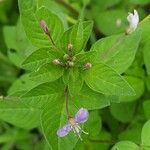
Cleome rutidosperma
Fringed spiderflower · Bhubbhuwân · Consumption weed · Yellow cleome · Ciliate Spider-flower
Description
Source: leafsnapCleome rutidosperma, commonly known as Rocky Mountain beeplant or stinking clover, is a flowering plant native to North America. It belongs to the Cleomaceae family and is an annual herb that can grow up to 1.5 meters tall. This plant emits a distinctive odor that attracts bees and other pollinators, giving rise to its nickname, "beeplant." From June to September, it produces pink or lavender flowers arranged in clusters at the top of its stem. These flowers are followed by long seed pods that split open when they mature. Cleome rutidosperma thrives in well-drained soils and full sunlight. Once established, it can tolerate drought conditions. It is commonly found in prairies, meadows, and disturbed areas throughout western North America. Native American tribes have used this plant for medicinal purposes, such as treating respiratory ailments and skin conditions. The seeds are also edible and can be roasted or ground into flour. Overall, Cleome rutidosperma is an important wildflower species for pollinators. It enhances natural landscapes with its beauty and holds cultural significance for indigenous communities.
🌳 It may be surprising, but the fringed spider flower is more than just an ornamental plant; it plays a vital role in supporting insect life. Although not widely recognized, it serves as an excellent nectar source for a variety of pollinators, including native bees and butterflies. These interactions are important for the ecosystem and underscore the often-overlooked significance of seemingly simple ornamental plants in environmental conservation efforts.
Care Guide
💧 Water Every 7 days
☀️ Light Full sun
Fringed spider flower comes from bright, open habitats where it does best in full sun. It can tolerate partial sun but prefers direct sunlight for optimal growth. This plant, which may be annual or biennial, is noted for its sun-loving nature.
🌡️ Temperature 20–37.8°C
Fringed spider flower comes from tropical areas, where the climate is generally warm and humid. As a result, it is well suited to high temperatures and moisture. It does not tolerate sudden shifts in temperature and prefers a consistent thermal environment, so avoiding temperature fluctuations indoors is important. It usually cannot handle cold conditions and needs warmer temperatures to grow. If the surrounding temperature drops too low, the plant may stop growing or even die.
💨 Humidity
🪴 Soil 6-7
🌱 Fertilizer
Fringed spider flower benefits from regular, weak fertilizer applications to encourage healthy leaf growth. Fertilize the Fringed spider flower about once a month during the summer. Nitrogen is essential for foliage, and providing nitrogen-rich sources helps the Fringed spider flower thrive.
🪴 Pot & Repot
✂️ Pruning
🌿 Propagating
🐛 Diseases & pets
☠️ Toxicity
Characteristics
- Plant Type
- Herb
- Life Cycle
- Annual
- Genus
- Cleome
- Family
- Cleomaceae
- Hardiness Zone
- 8-12
- Mature Height
- 15 cm to 91 cm
- Mature Spread
- 20 cm to 40 cm
- Leaf Color
- Green, Dark Green
- Leaf Type
- Evergreen
- Flower Color
- Lavender, Pink
- Flower Size
- 1.02 cm
- Bloom Time
- Early summer, Mid summer
- Planting Time
- Spring, Summer, Autumn
- Harvest Time
- Mid summer, Late summer
- Native Area
- India, Angola, Zambia, Sudan, Nigeria, Congo, Guinea, Gabon, Uganda, Tanzania, Chad, Benin, Sierra Leone, Cameroon, Liberia, Togo, Ghana, Senegal, Côte d'Ivoire, Congo (DRC), Central African Republic