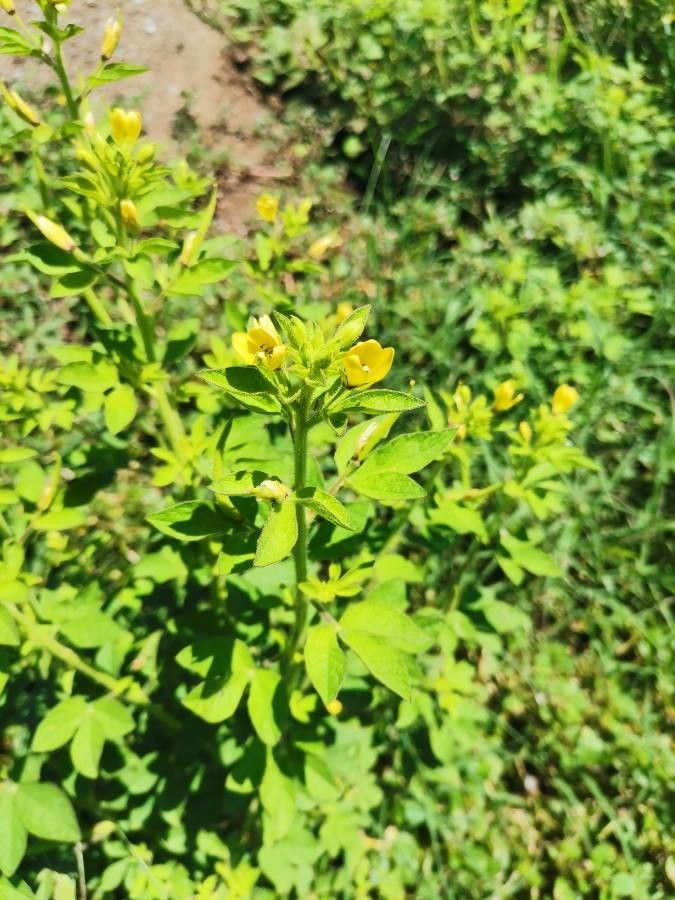
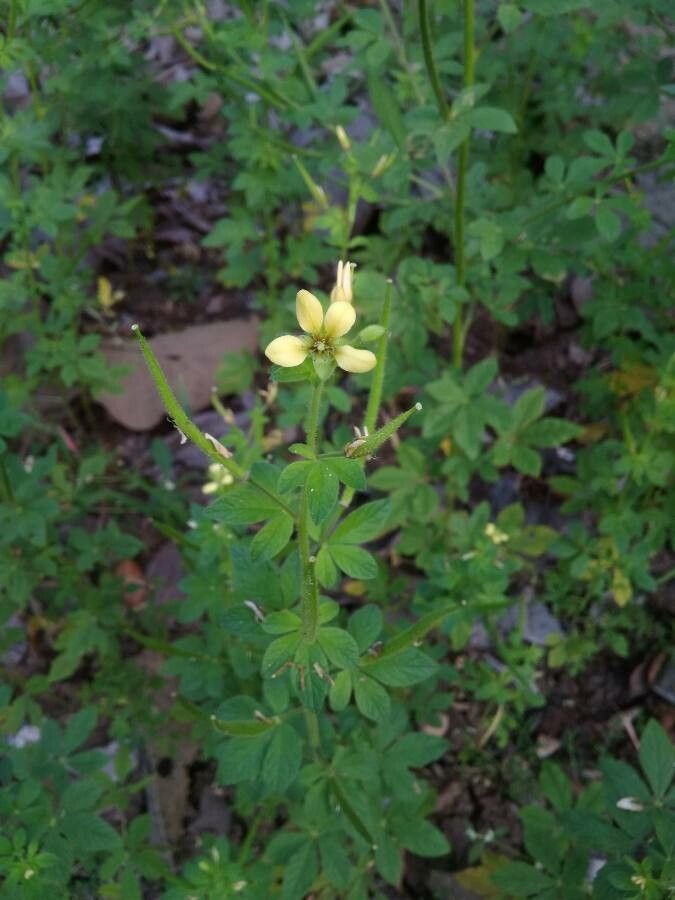
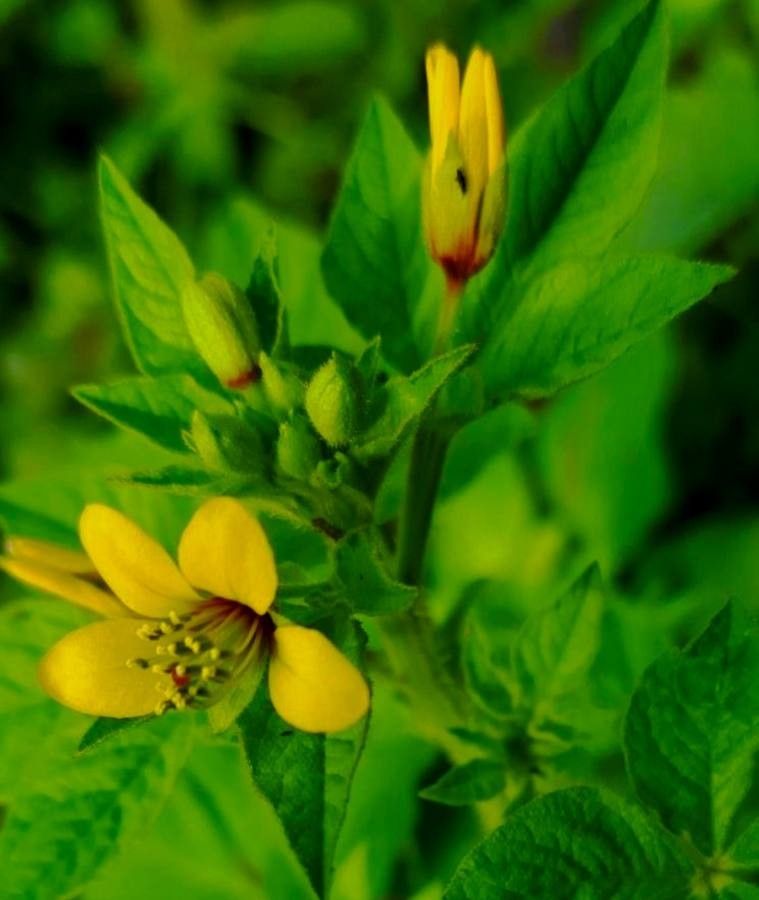
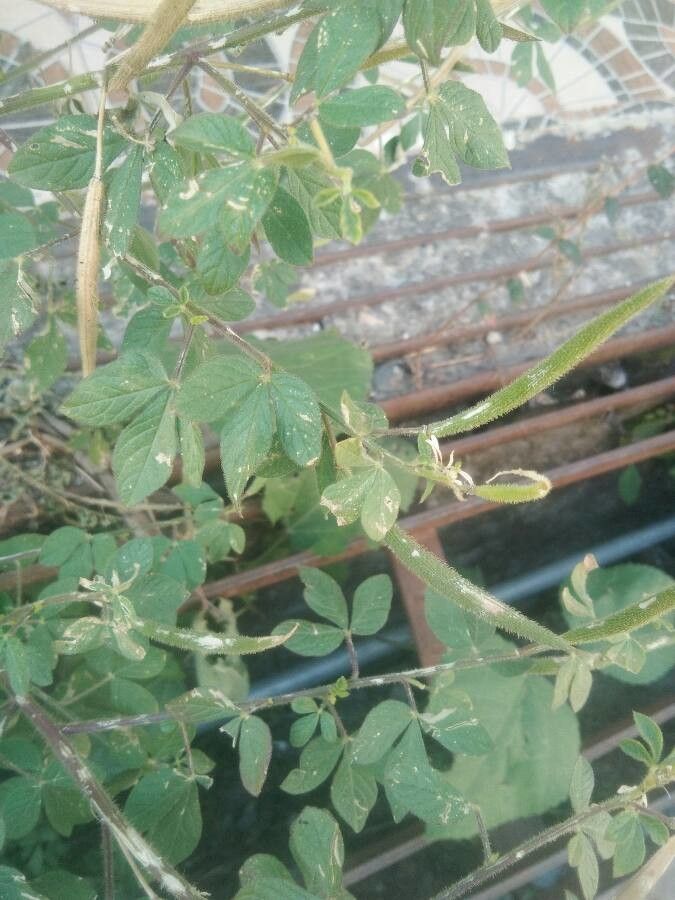
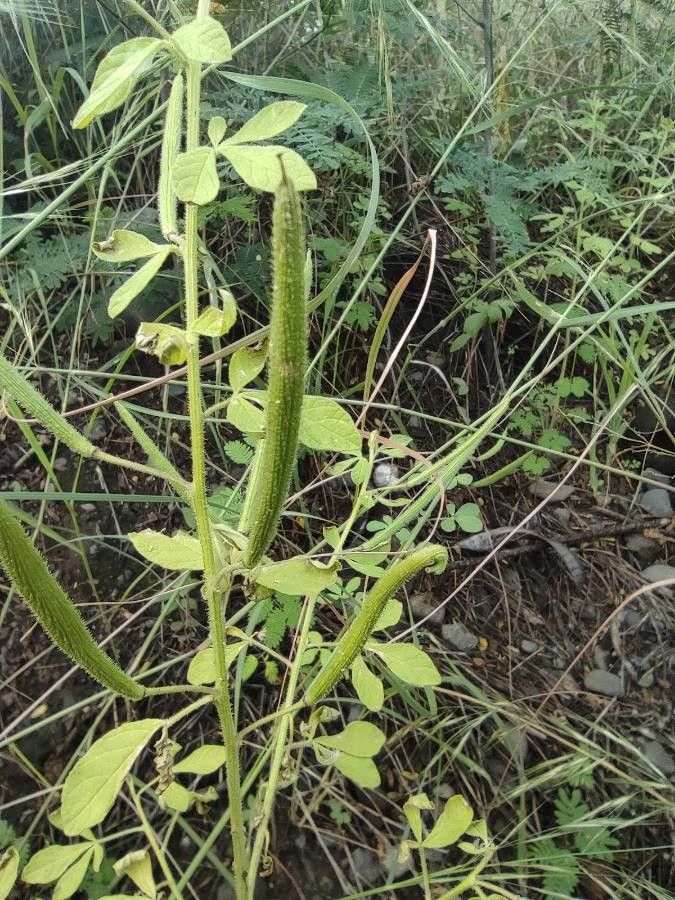
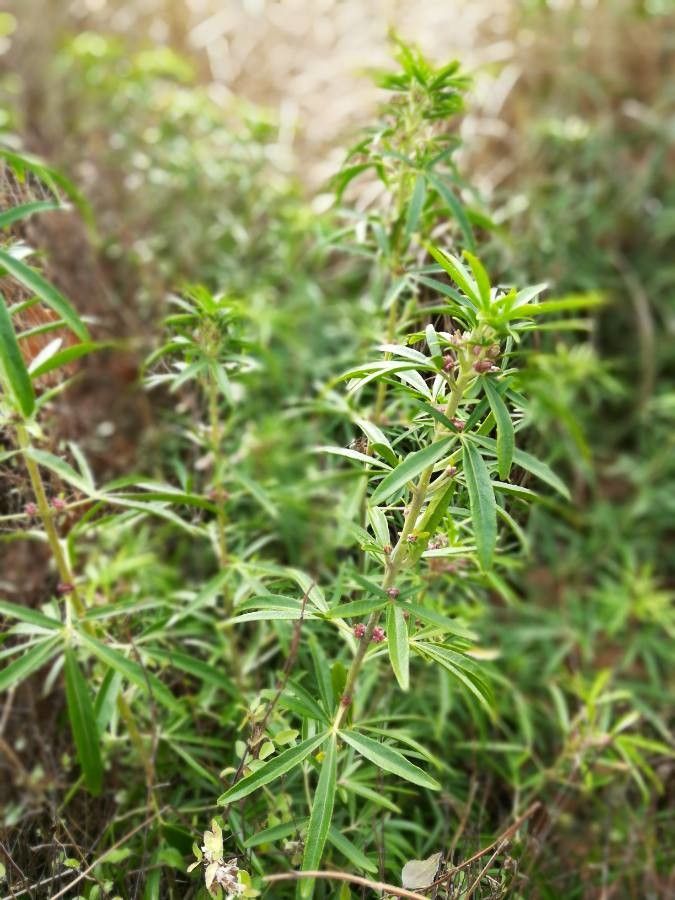
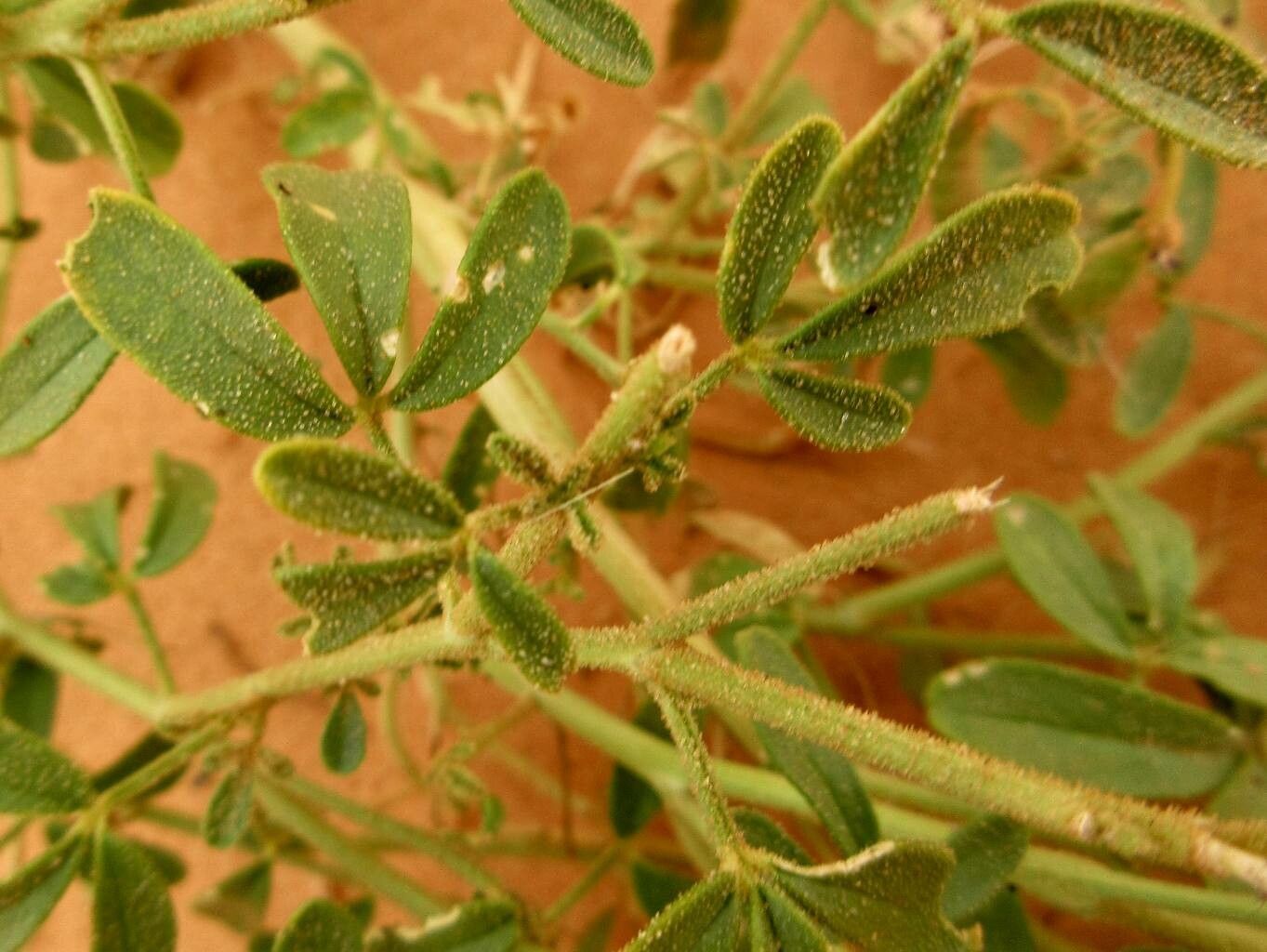
Cleome viscosa, commonly known as tickweed or the Asian spider flower, is a flowering plant belonging to the Cleomaceae family. Native to Asia, it can be found in countries such as India, Sri Lanka, and Myanmar. The plant typically grows up to 1 meter in height and has a distinctive odor that naturally repels insects.
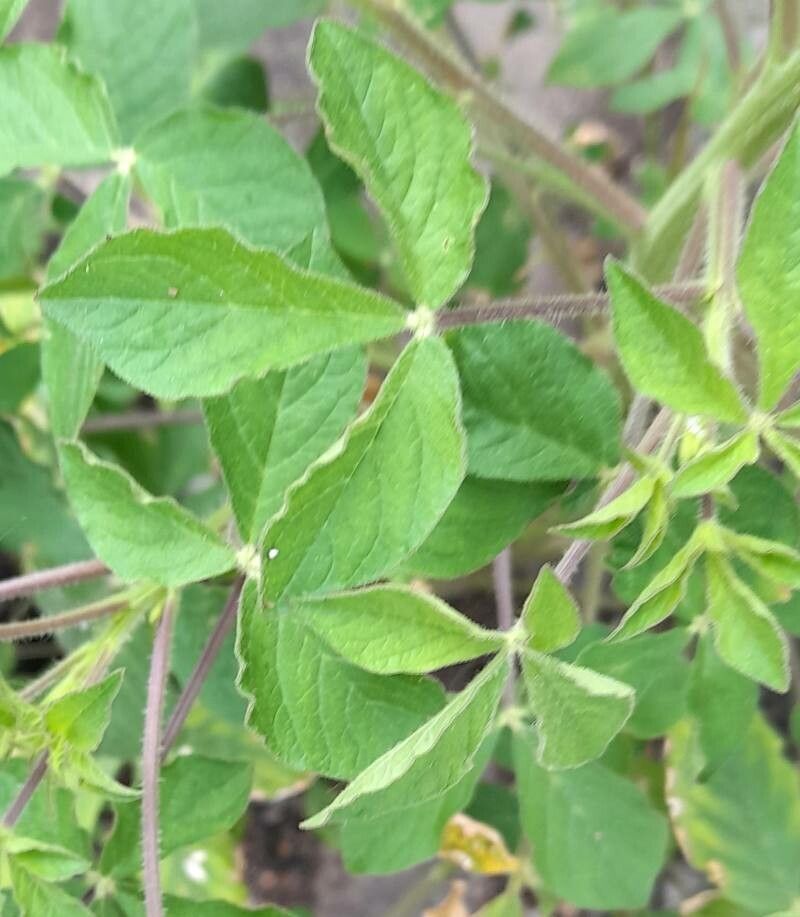
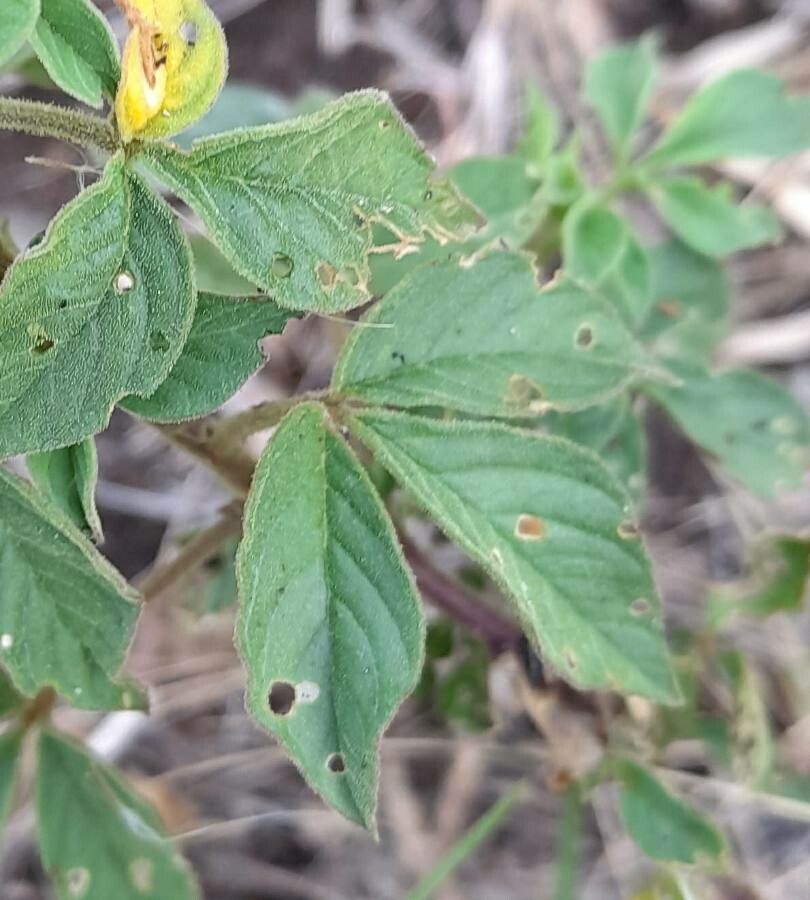
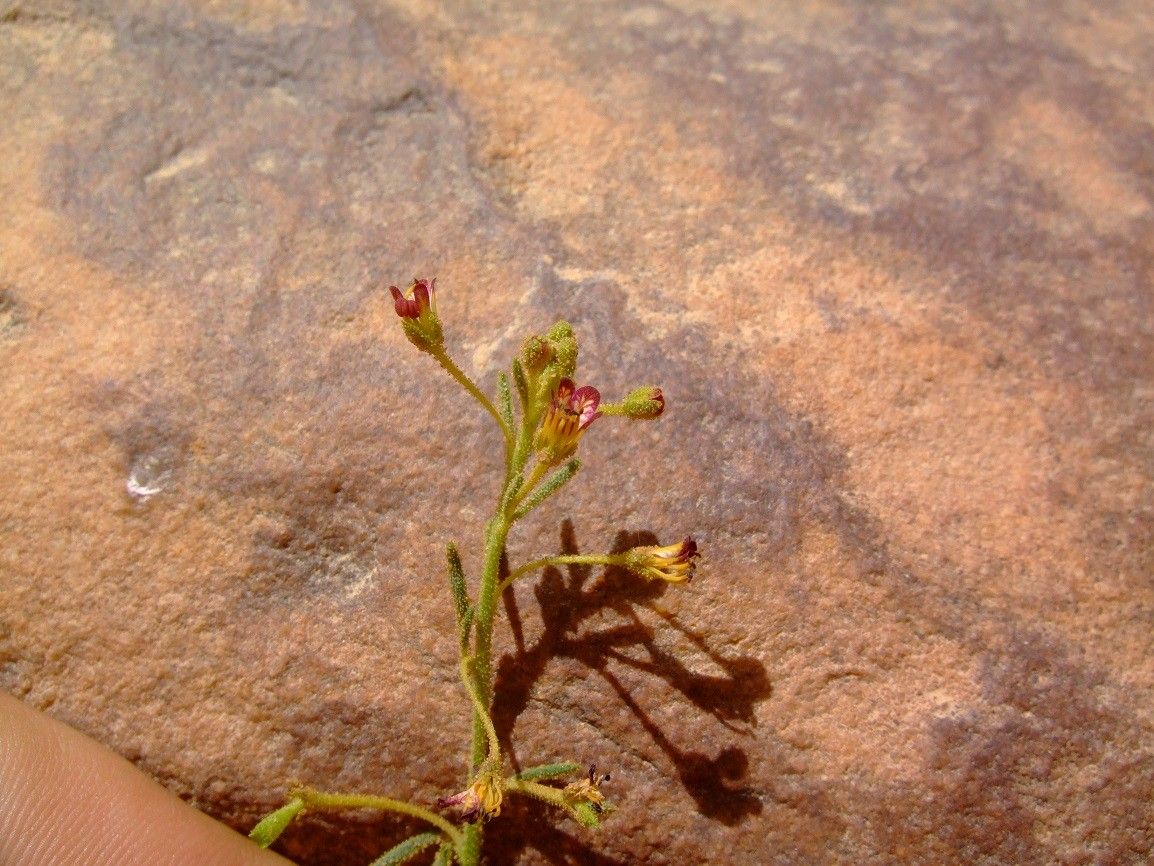
The leaves of Cleome viscosa are compound, each consisting of three lance-shaped leaflets with serrated edges. The plant produces small flowers with four petals, which can range in color from white to pink or purple, blooming from summer through fall.
For centuries, traditional healers in Asia have used Cleome viscosa for its medicinal properties. It is believed to have anti-inflammatory effects and can be used to treat skin conditions such as eczema.
In addition to its medicinal uses, Cleome viscosa holds cultural significance in various parts of Asia, where it is often incorporated into religious ceremonies and festivals.
Overall, Cleome viscosa is a fascinating flowering plant known for its medicinal properties, making it an important component of traditional medicine practices across Asia.
Botanical profile.
- Plant Type
- Herb
- Life Cycle
- Annual
- Genus
- Cleome
- Family
- Cleomaceae
- Hardiness Zone
- 10-12
- Mature Height
- 0.1 m to 1.52 m
- Mature Spread
- 20 cm to 40 cm
- Leaf Color
- Green, Dark Green
- Leaf Type
- Evergreen
- Flower Color
- Yellow
- Flower Size
- 5.08 cm to 10.16 cm
- Bloom Time
- All year round
- Planting Time
- Spring
- Harvest Time
- All year round
- Native Area
- Sri Lanka, Burkina Faso, Egypt, India, Malaysia, Madagascar, Eritrea, Pakistan, Nigeria, Yemen, Guinea-Bissau, Niger, Benin, Mali, Iraq, Sierra Leone, Indonesia, Cambodia, Cameroon, Ethiopia, Nepal, Saudi Arabia, Philippines, Sudan, Mauritania, Bangladesh, Laos, Guinea, Chad, China, Afghanistan, Vietnam, Myanmar, Japan, Togo, Bhutan, Senegal, Côte d'Ivoire, Thailand
Other names.