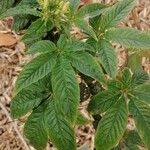
Cleoserrata speciosa
Volantines preciosos · Garden spider-flower · Showy spider-flower
Care Guide
💧 Water
☀️ Light
🌡️ Temperature
Volantines preciosos comes from tropical areas, where the climate is generally warm and humid. Consequently, it is well adapted to high temperatures and humid conditions. It does not tolerate sudden temperature changes and prefers a stable thermal environment, so it is important to avoid temperature fluctuations indoors. It typically cannot withstand cold and requires warmer temperatures for growth. If the ambient temperature falls too low, the plant may stop growing or even die.
💨 Humidity
🪴 Soil
🌱 Fertilizer
When Volantines preciosos has opened most of its blooms to full size, resume fertilizing. Around the period when blooms are at their peak, apply fertilizer once every three to four weeks, weather permitting. Then, once Volantines preciosos begins to produce fewer new blooms, stop fertilizing; there is no need to fertilize when the plant can no longer produce additional blooms.
🪴 Pot & Repot
✂️ Pruning
🌿 Propagating
🐛 Diseases & pets
☠️ Toxicity
Characteristics
- Plant Type
- Herb
- Life Cycle
- Annual
- Genus
- Cleoserrata
- Family
- Capparaceae
- Hardiness Zone
- 9-11
- Mature Height
- 0.91 m to 2.13 m
- Mature Spread
- 61 cm to 91 cm
- Leaf Color
- Green, Dark Green
- Leaf Type
- Semi-evergreen
- Flower Color
- Pink, White, Lavender
- Flower Size
- 5.08 cm to 6.35 cm
- Bloom Time
- Summer, Early fall, Mid fall
- Planting Time
- Spring, Autumn
- Harvest Time
- Late summer, Fall, Early winter
- Native Area
- Colombia, Honduras, Mexico, Guatemala, Venezuela, Guyana, El Salvador, Nicaragua, Ecuador, Costa Rica, Panama