Clerodendrum chinense
Glory-bower · Stickbush · Fragrant clerodendron · Chinese glory bower · Julius plague
Description
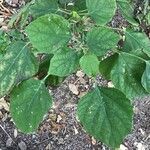
Source: leafsnapClerodendrum chinense, commonly known as the Glorybower or Pagoda Flower, is a flowering plant from the Lamiaceae family. Native to China and Southeast Asia, this plant can reach heights of up to 6 feet. It features glossy, oval-shaped green leaves with pointed tips that can grow up to 6 inches long. The flowers of Clerodendrum chinense are vibrant and fragrant, transitioning from bright red to pink as they mature. These blooms appear in clusters at the ends of branches from late summer to fall. This plant thrives in well-drained soil and does well in both full sun and partial shade. It is relatively easy to care for, requiring regular watering during dry spells. Clerodendrum chinense has been valued in traditional Chinese medicine for its anti-inflammatory properties. Additionally, its leaves have been used as a natural insect repellent. In summary, Clerodendrum chinense is an attractive ornamental plant that enhances any garden or landscape with its colorful and fragrant flowers. Beyond its aesthetic appeal, it offers potential health benefits through its medicinal properties.
Care Guide
💧 Water Every 7 days
Glory-bower thrives in moderate water conditions, needing to be watered every 1-2 weeks to maintain the right moisture balance. As an evergreen plant, it keeps its leaves year-round and requires consistent hydration, even during the colder months, to stay healthy and vibrant.
What's the best way to water my Glory-bower plant?
To ensure excellent root development for your plants, consider using a garden hose placed at the base of each plant. It's important to avoid directly spraying the leaves, as well as to keep in mind that outdoor plants facing direct sunlight will likely need more water for their leaves. Another option is to use bubblers that can be attached to each plant, which will help keep the roots moist. Additionally, when adding or removing plants, using soaker hoses that cover the entire garden or bed can ensure the roots are well watered. After watering, make sure to drain any excess water and allow the soil to dry before watering again. To prevent diseases, it's best to water at ground level rather than spraying the leaves. On a sunny day, it may be beneficial to spray the entire bush with water. Lastly, whether your plants are potted or in the ground, keep in mind that Glory-bower plants prefer deep watering rather than light sprinkling.
What should I do if I give Glory-bower too much or too little water?
An overwatered Glory-bower can exhibit yellow, wilting leaves that eventually drop off. The plant may also appear dull and unhealthy with mushy stems. When these signs appear, it's important to adjust watering schedule accordingly. Wilting can also occur due to under watering, which is indicated by crispy and dry leaves. In such cases, check the soil for dryness and provide sufficient watering. Although the plant will recover with proper watering, it may still have dry, yellow leaves for a few days due to root damage. Once it returns to normal, the yellowing of leaves will cease. For indoor Glory-bowers, always monitor moisture levels and avoid overwatering. If black spots are present, allow the soil to dry out for a few days before watering again. Overwatering can lead to root rot, so if discolored and slimy roots are observed, consider transferring the plant to a different pot. Take measures to prevent root rot and avoid excessively soggy soil. When planting the Glory-bower outdoors, ensure the soil is adequately watered if detected as too dry.
How many times should I water my Glory-bower plant?
The Glory-bower plant prefers deep and infrequent watering. If planted in pots, it's important to soak them with a gallon of water each time because the soil in pots dries out faster. In cold regions, watering is required every 3 to 5 days, ideally in the morning when the soil is dry. You can also check the soil moisture by feeling the top 2-3 inches of soil, and water if it's dry. During hot days, the soil in pots can dry quickly, so daily monitoring may be necessary. If you have a garden, irrigation is necessary, especially in hot climates where watering once a week is recommended. However, additional watering is not needed if there is already sufficient rainfall. Adding mulch to about 3-4 inches deep around the plant outdoors helps conserve water. Sandy soil drains faster, so more frequent watering is required, while clay soil requires less frequent watering to avoid root rot. It can be helpful to mark the watering dates on a calendar and pay attention to drooping leaves as a sign of potentially being late with watering.
How much water does my Glory-bower plant need?
The Glory-bower plant generally needs about a gallon of water on a regular basis. For potted Glory-bower plants, water them deeply until the water is dripping at the bottom of the pot. Then, allow the soil to dry out before watering again. You can use a water calculator or moisture meter to determine how much water the plant has received in a week. During the flowering period, provide plenty of water, but allow the moisture to evaporate afterward to prevent root rot. If you have planted Glory-bower outdoors and there is sufficient rainfall, you may not need to water it additionally. However, when the Glory-bower is young or newly planted, ensure it receives 1-2 inches of rain per week. As the Glory-bower grows, it can rely solely on rainfall. Only in hot weather or when there has been no rainfall for 2-3 weeks, consider watering the Glory-bower fully during cooler times of the day to prevent heat damage. Additional watering will be necessary during prolonged dry spells.
Should I water my Glory-bower plant more or less depending on the time of year or the weather?
The Glory-bower is a low-maintenance plant that primarily relies on rainwater for its hydration. However, during dry periods, it may need additional watering. In the spring and fall, it should be kept moist but not waterlogged, as alternating dry and moist soil conditions are beneficial for its growth. During the hot summer months, water evaporates quickly, so it may require more frequent watering if there is insufficient rainfall. In winter, when the Glory-bower becomes dormant and drops its leaves, it needs less water. To aid with moisture control, it can be planted in a well-draining soil mixture like terracotta. Once the Glory-bower begins to leaf out in the spring, watering can be skipped, as it can rely on fall and winter rains to survive dormant periods. Good drainage is crucial to prevent waterlogging, especially in pots, as the plant has limited root growth. The Glory-bower should be watered deeply once or twice a week, depending on the weather, avoiding shallow sprinkles that only moisten the leaves. Care should be taken not to let the plant dry out completely during fall or winter. Excess water should also be avoided, as it can cause root rot, especially in poorly draining soil. The application of mulch is beneficial to reduce stress, conserve water, and promote healthy blooms.
☀️ Light Full sun
Glory-bower prefers bright, high-intensity light for healthy metabolic function, though it can also tolerate less sunny conditions. Excessive exposure may scorch the leaves, while too little light prevents optimal growth. Its origin in brightly lit habitats highlights its tolerance for strong light.
What are the sunlight requirements for Glory-bower?
Glory-bower, or Clerodendrum chinense, thrives under substantial intensity illumination and requires above 6 hours of sunlight for optimal growth (full sun). It can also adapt to about 3-6 hours of sunlight (partial sun), demonstrating versatility in less sunny environments. However, it's crucial to observe how sunlight moves through your garden to provide a perfect balance for the plant's needs. Be mindful that overexposure can cause leaf scorching, while insufficient light may hinder the plant's growth.
Can Glory-bower tolerate artificial lighting, and how should it be used?
Yes, Glory-bower can benefit from artificial lighting, especially in scenarios where natural sunlight is inadequate, such as during winter or in spaces that receive limited sunlight. Artificial lighting can be an essential addition, promoting faster and healthier growth. LED lights are recommended due to their capability to provide specific wavelengths needed by the plant. For optimal results, full sun plants require 30-50W/sq ft of artificial light, partial sun plants need 20-30W/sq ft, and full shade plants 10-20W/sq ft. The artificial light source should be placed 12-36 inches above the plant, and the lighting duration should mimic natural daylight hours, usually between 8-12 hours per day.
What are the signs of inadequate or excessive sunlight exposure in Glory-bower?
Glory-bower may exhibit various symptoms due to inappropriate lighting conditions. Signs of light deficiency include smaller new leaves, leggy or sparse growth, faster leaf drop, slower or no new growth, and lighter-colored or irregularly patterned new leaves. Excessive sunlight exposure can lead to chlorosis (yellowing leaves due to chlorophyll breakdown), sunscald (pale or necrotic areas on plant tissue), leaf curling (leaves curl or twist to minimize surface area exposed to sunlight), wilting (loss of turgor pressure causing droopiness), and leaf scorching (brown, dry, and crispy leaf edges or patches).
How can I improve sunlight exposure for my indoor or outdoor Glory-bower?
To ensure optimal growth for your Glory-bower, gradually increase its sunlight exposure by moving it to a sunnier location each week until it receives at least 6 hours of direct sunlight daily. For indoor plants, use a south-facing window, keep curtains open, or use artificial lighting such as desk, ceiling lamp, or professional grow lights for at least 8 hours daily. For outdoor plants, avoid sudden light intensity changes to prevent sunburn. Pruning obstructive branches or transplanting in a sunnier spot with good drainage could also help improve light exposure. Note that parts of the plant affected by previous light conditions may not recover, but new growth will be healthy with improved light.
🌡️ Temperature 20–35°C
Glory-bower is fairly adaptable to temperature, able to withstand high heat and wide temperature swings. In hot weather, attention should be paid to watering and providing suitable shade to avoid sunburn. However, Glory-bower is less tolerant of low temperatures. While it can handle some cold, very low temperatures can cause frost damage.
What is the common name for Clerodendrum chinense?
The common name for Clerodendrum chinense is Glory-bower. This plant is recognized by its distinctive name, reflecting its appealing aesthetics.
What are the essentials of caring for Glory-bower?
Details about caring for Glory-bower were not provided in the information. To ensure the best care for Glory-bower, it's advisable to research or consult experts on its specific water, light, and soil requirements.
What symptoms indicate issues with a Glory-bower plant?
No symptoms were specified in the provided information. For Glory-bower plants, monitoring for common signs of distress such as discolored leaves, stunted growth, or pest infestation is essential. Consulting a plant care guide or expert can offer more tailored advice and solutions.
💨 Humidity
🪴 Soil 6-7
🌱 Fertilizer
The timing of fertilizing Glory-bower is important. Apply fertilizer in early spring and continue once a month until early summer. Fertilizer promotes beautiful blooms and supplies energy both during dormancy and throughout active growth.
🪴 Pot & Repot
✂️ Pruning
Glory-bower is a beautiful ornamental shrub known for its fragrant white tubular flowers. To encourage fresh growth, prune the plant in early spring. During pruning, remove any dead or diseased branches to improve airflow. Be sure to use clean tools to prevent infection. After pruning, consider applying mulch to help retain moisture and suppress weeds.
🌿 Propagating
🐛 Diseases & pets
☠️ Toxicity
Characteristics
- Plant Type
- Tree, Shrub
- Life Cycle
- Perennial
- Genus
- Clerodendrum
- Family
- Lamiaceae
- Hardiness Zone
- 10
- Mature Height
- 0.49 m to 1.22 m
- Mature Spread
- 0.61 m to 1.52 m
- Leaf Color
- Green
- Leaf Type
- Deciduous
- Flower Color
- White, Pink
- Flower Size
- 6.35 cm to 11.43 cm
- Bloom Time
- Late spring, Summer, Fall
- Planting Time
- Spring, Summer, Autumn
- Harvest Time
- Fall, Early winter, Mid winter
- Native Area
- Nepal, Sri Lanka, India, Malaysia, Indonesia, Cambodia, Vietnam, Myanmar, Japan, Philippines, Bangladesh, Pakistan, Laos, Thailand, China