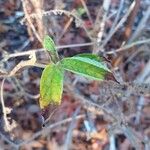
Clethra acuminata
Mountain sweet pepperbush · Mountain sweetpepperbush · Cinnamon clethra · White alder · Mountain pepperbush
Description
Source: leafsnapClethra acuminata, the mountain pepper bush, is a shrub native to the Appalachian Mountains of the southeastern United States. It has been reported from the states of Pennsylvania, West Virginia, Virginia, North Carolina, South Carolina, Georgia, Alabama and Tennessee, primarily from deciduous forests at elevations of 500–1,400 m (1,600–4,600 ft).Clethra acuminata can reach as high as 6 m (20 ft) tall. It has acuminate leaves with teeth along the margins, and solitary white flowers.It should be grown in moist soil, and has been marked as a pollinator plant, supporting and attracting hummingbirds, butterflies, and honeybees.
Care Guide
💧 Water
Mountain sweet pepperbush thrives in humid woodland environments, where it prefers consistent moisture but can withstand short dry periods. To care for it, water the plant every three weeks, making sure the soil remains evenly moist and well-draining. This approach will help prevent root rot and maintain optimal hydration.
☀️ Light Partial sun
Mountain sweet pepperbush is native to habitats like forest understories and rocky areas, where it often occurs in natural shade. It prefers partial sun but can tolerate both full sun and full shade, illustrating its versatility and hardiness.
What are the sunlight requirements for Mountain Sweet Pepperbush?
Mountain Sweet Pepperbush thrives in partial sun, receiving about 3-6 hours of sunlight daily, but it can also tolerate full shade. The plant's native habitats, such as forest understories or rocky areas, usually experience natural shade. However, when grown indoors or in less sunny spaces, artificial lighting can be a vital solution for optimal growth, especially during winter or in areas with insufficient natural sunlight.
How can artificial lighting be used for Mountain Sweet Pepperbush indoors?
Indoor Mountain Sweet Pepperbush plants require adequate lighting for optimal growth. LED lights are recommended because they can be customized to provide specific wavelengths of light needed by the plant. Full sun plants need 30-50W/sq ft, partial sun plants require 20-30W/sq ft, and full shade plants need 10-20W/sq ft of artificial light. The light source should be placed 12-36 inches above the plant, for 8-12 hours per day to mimic natural daylight hours.
What are the symptoms of light deficiency in Mountain Sweet Pepperbush?
Symptoms of light deficiency in Mountain Sweet Pepperbush include smaller new leaves, leggy or sparse growth, faster leaf drop, slower or no new growth, lighter-colored new leaves, chlorosis (leaves turning yellow due to the breakdown of chlorophyll), sunscald, leaf curling, wilting, and leaf scorching. These symptoms indicate the plant is not receiving enough sunlight and is struggling to photosynthesize properly.
How can I address light deficiency problems in indoor and outdoor Mountain Sweet Pepperbush plants?
To address light deficiency in Mountain Sweet Pepperbush, gradually shift the plant to sunnier spots each week until it receives 3-6 hours of direct sunlight daily, allowing for gradual adaptation. If the plant is large or not easily movable indoors, consider using artificial light, such as a desk or ceiling lamp for at least 8 hours daily, or invest in professional plant grow lights. Outdoors, gradually moving plants to more sunlit areas while avoiding sudden and drastic changes in light intensity can prevent sunburn. For areas with physical obstructions, pruning or transplanting during the dormant period can improve sunlight access.
🌡️ Temperature 5–32.2°C
Mountain sweet pepperbush is highly adaptable to a range of climatic conditions, from blazing summers to cold winters. Nevertheless, it has an optimal temperature range for growth. If temperatures become too high, the plant is vulnerable to heat and humidity stress, which can cause it to die. In areas where temperatures near the lower boundary of its cold tolerance, providing insulation is important to protect the plant.
💨 Humidity
🪴 Soil 6-7
🌱 Fertilizer
The timing of fertilization is important for Mountain sweet pepperbush. Apply fertilizer in early spring and repeat monthly through early summer. Fertilizer encourages attractive blooms and supplies energy during both dormant and active growth periods.
🪴 Pot & Repot
✂️ Pruning
Mountain sweet pepperbush blooms with clusters of fragrant white flowers and thrives in moist, acidic soil. The best time to prune it is in early spring, when you can remove dead branches and thin out older stems. This not only improves air circulation and encourages robust blooming, but also helps maintain a pleasing size and shape.
🌿 Propagating
🐛 Diseases & pets
☠️ Toxicity
Characteristics
- Plant Type
- Tree, Shrub
- Life Cycle
- Perennial
- Genus
- Clethra
- Family
- Clethraceae
- Hardiness Zone
- 4-8
- Mature Height
- 2.44 m to 6.1 m
- Mature Spread
- 1.22 m to 1.83 m
- Leaf Color
- Green
- Leaf Type
- Deciduous
- Flower Color
- White
- Flower Size
- 2.54 cm
- Bloom Time
- Mid summer, Late summer
- Planting Time
- Spring, Autumn
- Harvest Time
- Fall