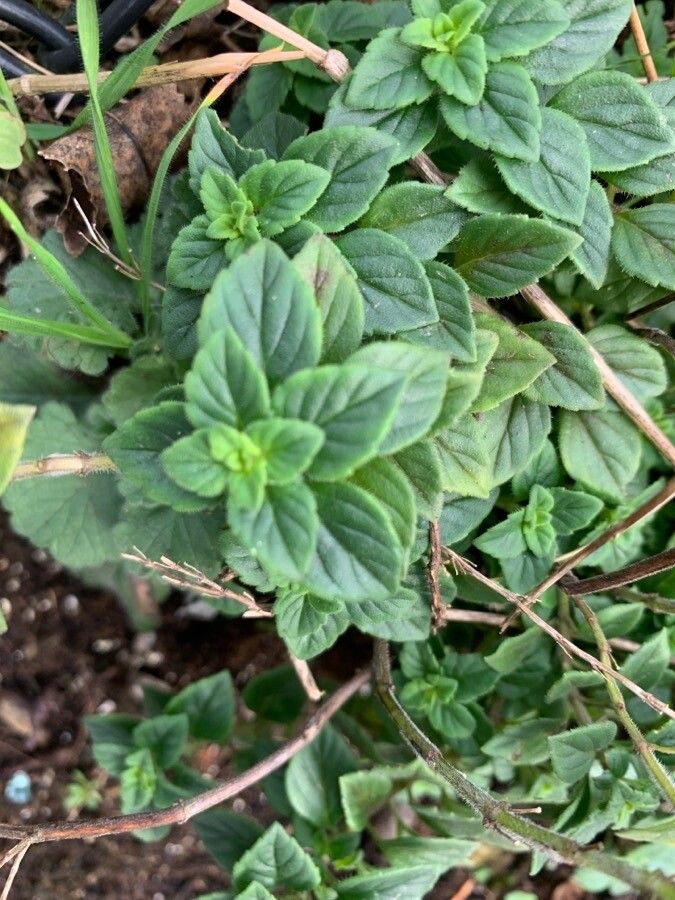
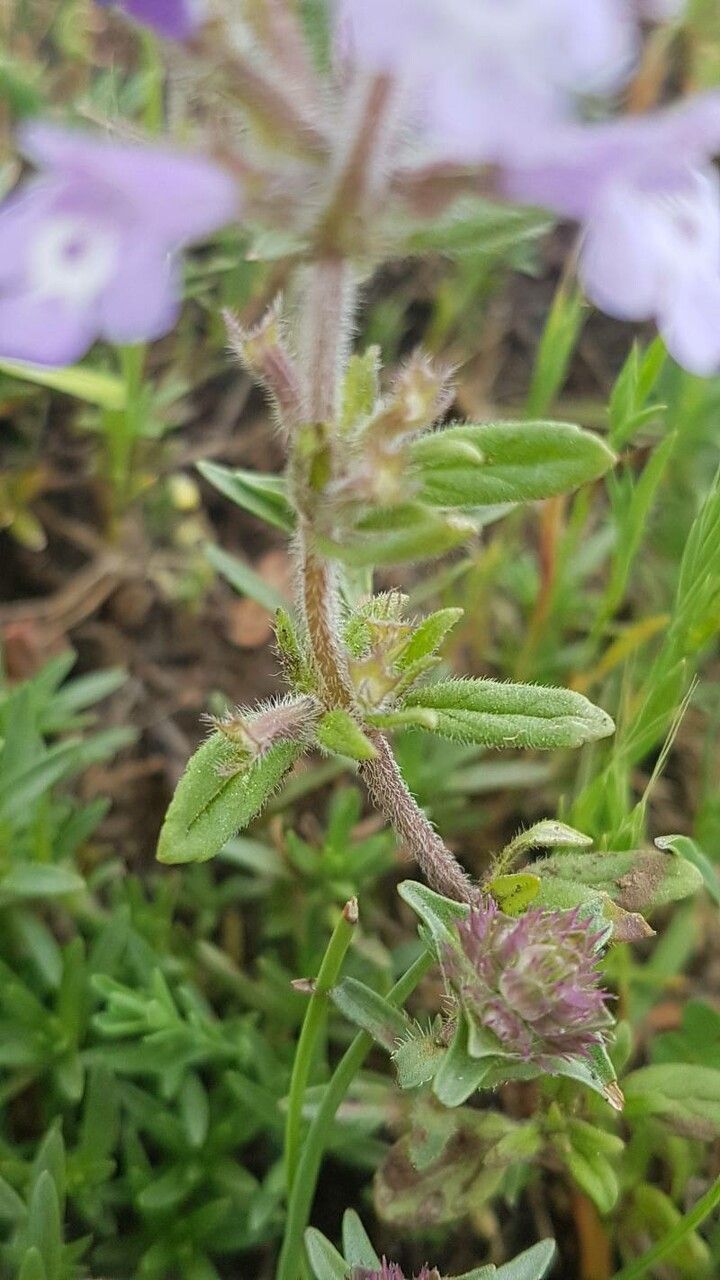
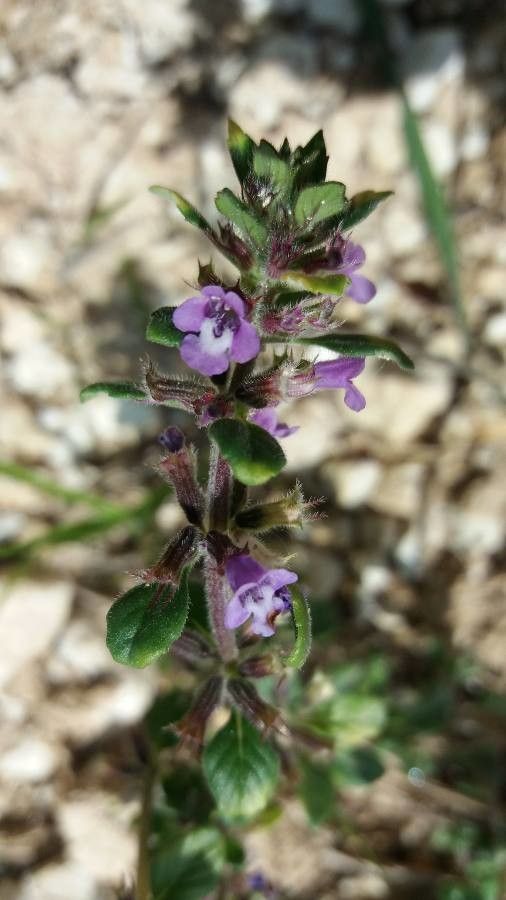
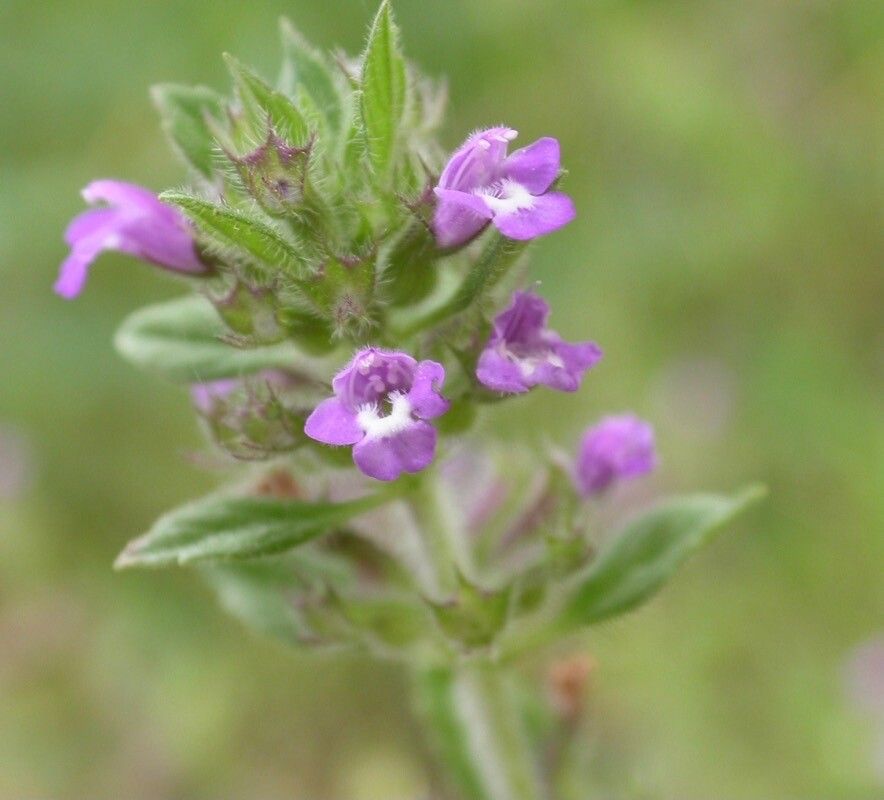
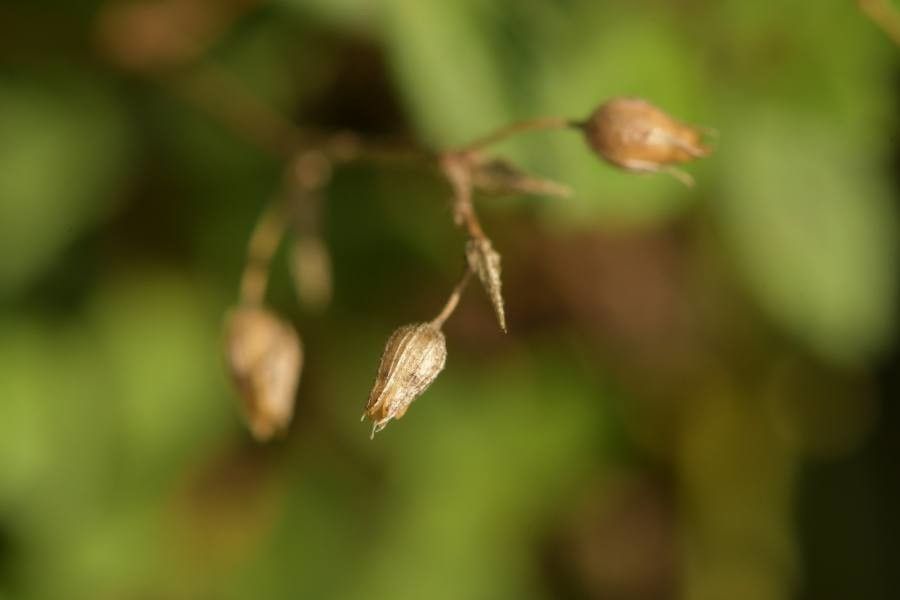
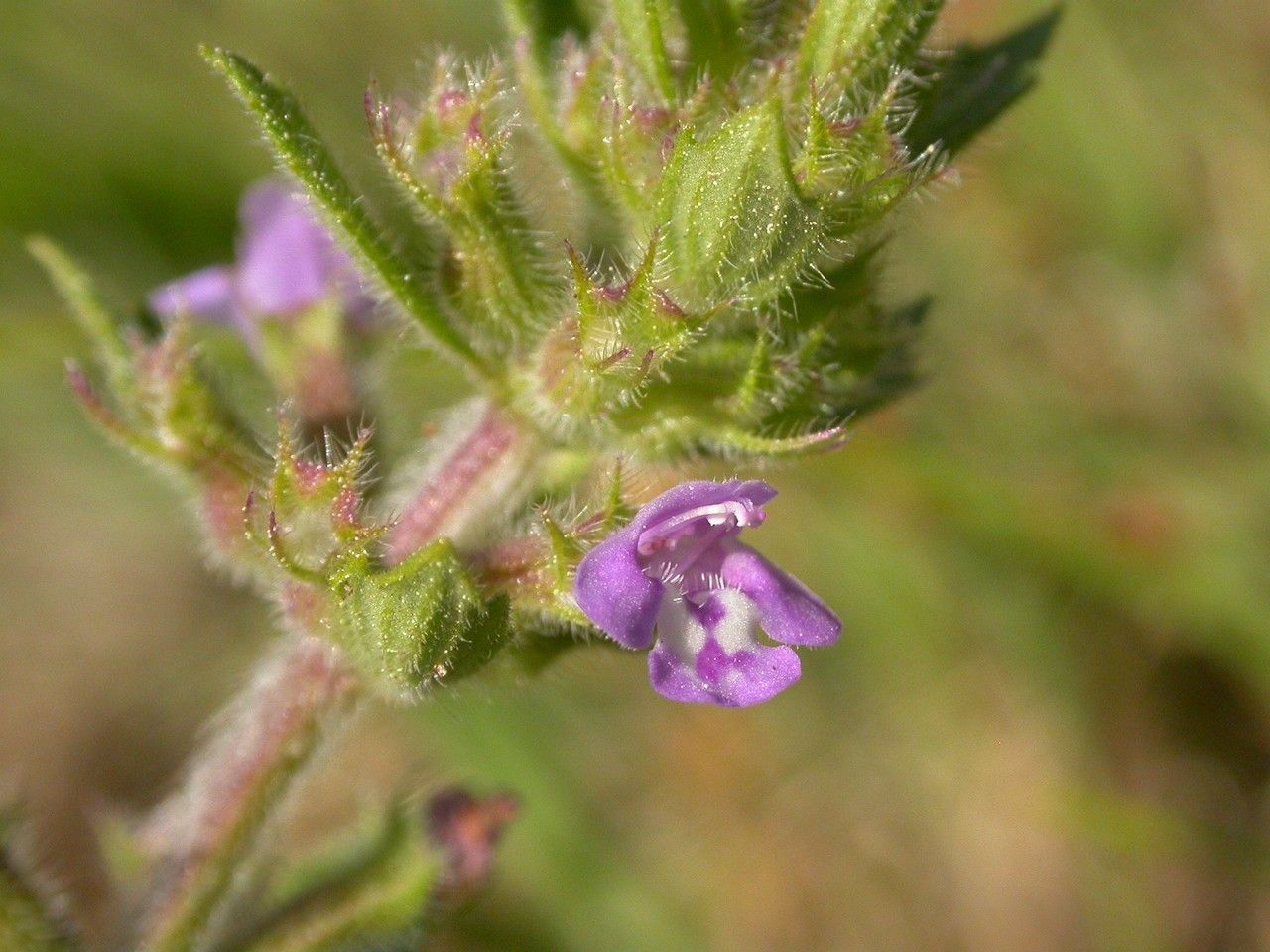
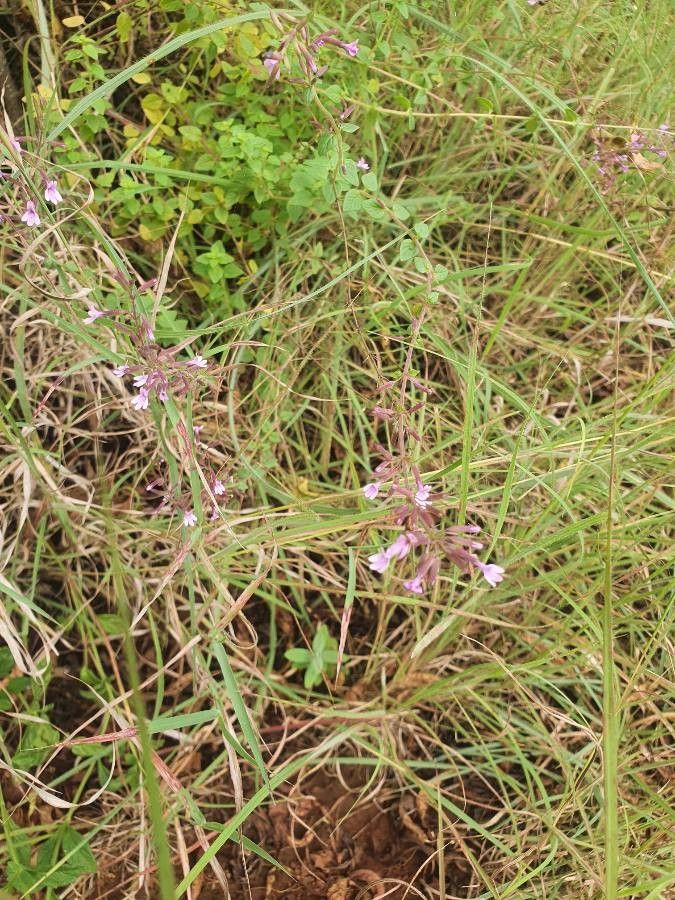
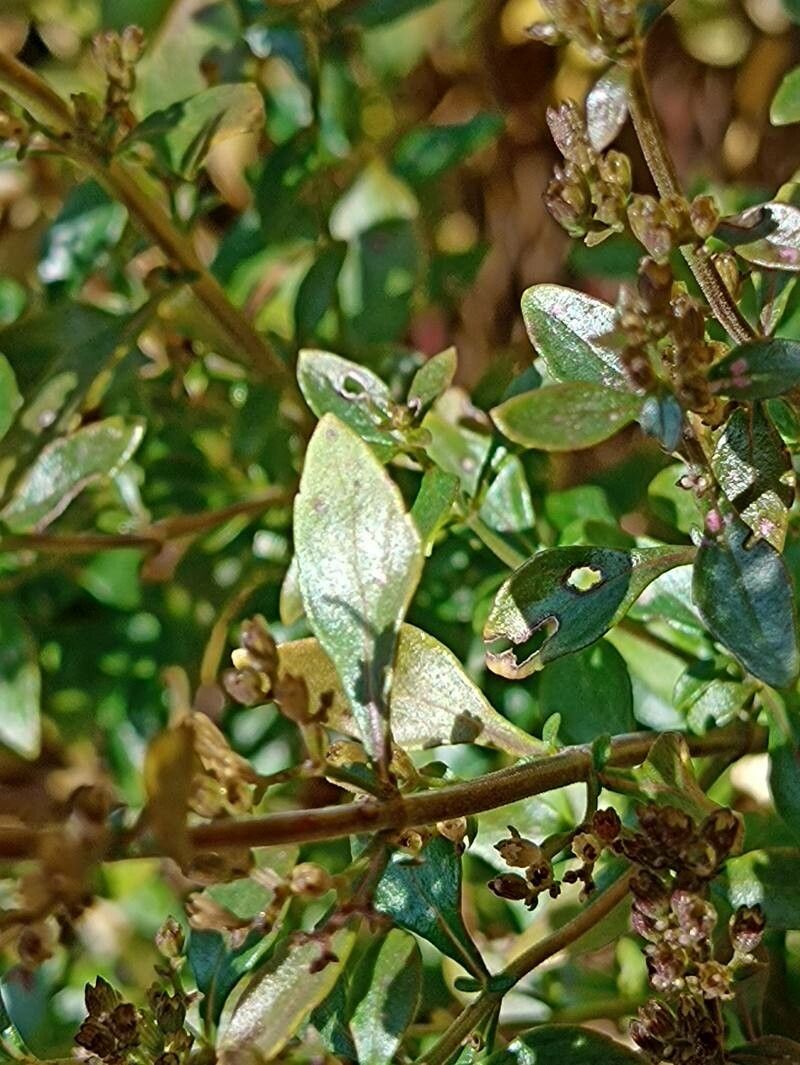
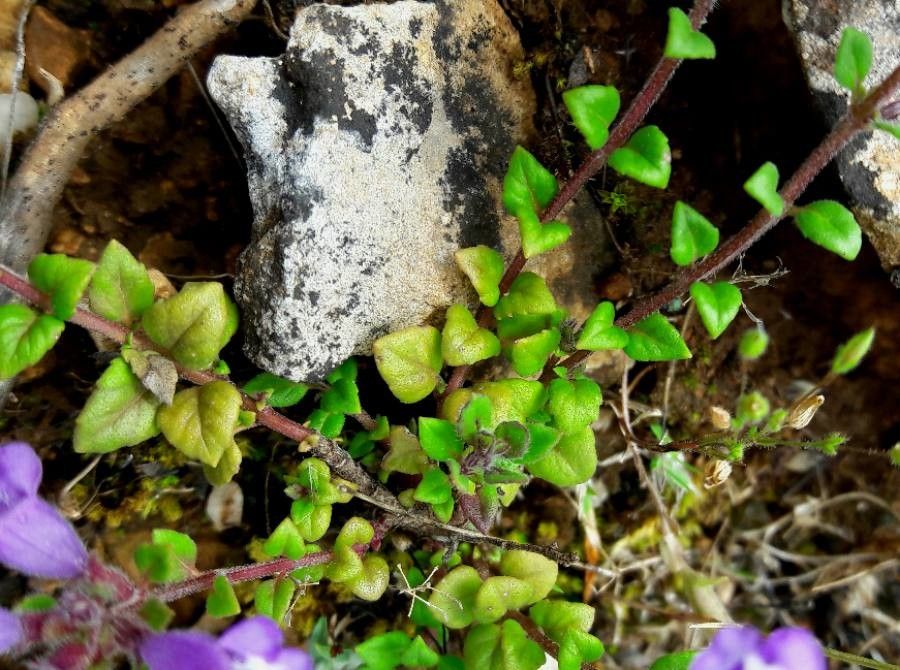
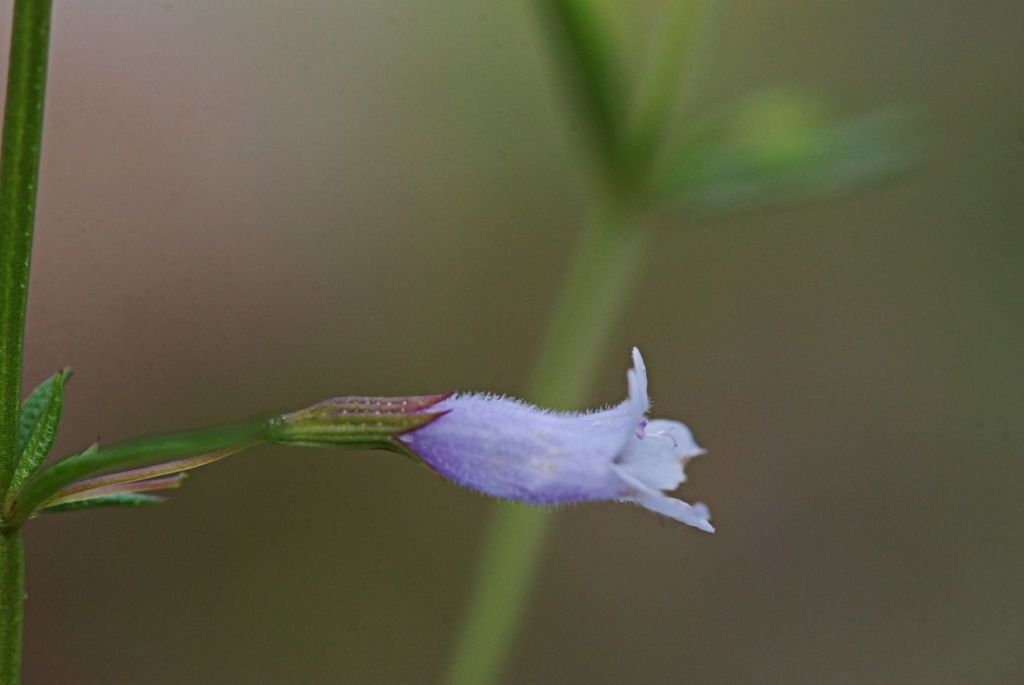
Clinopodium acinos, many synonyms including Acinos arvensis, known commonly as basil thyme and spring savory, is a species of flowering plant in the family Lamiaceae.
Basil thyme is fairly disease-resistant and is generally unlikely to suffer from illnesses. That said, it can be vulnerable to pests and diseases present in its surroundings. Such infections are typically mild. Regarding care, this plant needs moderate maintenance. Regular pruning is necessary to preserve an attractive appearance and support healthy growth. Applying fertilizer can also encourage flowering. Basil thyme is suitable for people with outdoor spaces, such as a garden or patio, and does not demand extensive care experience. It may need extra attention when grown indoors.
How to keep Clinopodium Acinos.
Light
Basil thyme grows best in full, uninterrupted sun and also tolerates moderate sunlight. It remains healthy with ideal sun exposure, which promotes good growth. Coming from areas with abundant light, it struggles when sunlight is insufficient, hindering proper development, but excessive sun can also scorch the plant.
Water
Basil thyme, which originates from sunny, well-drained areas, thrives with moderate moisture and can tolerate short periods of dryness. To prevent over-saturation, it should be watered weekly. It also adapts well to seasonal rainfall variations, which supports its optimal growth.
Temperature
Basil thyme is a hearty plant native to regions with moderate climates. It grows best at temperatures between 59 to 89.6 °F (15 to 32 ℃). As seasons shift, provide extra warmth in winter to mimic its natural habitat.
Fertilizer
Early spring, as Basil thyme emerges from dormancy and begins active growth, is the ideal time to fertilize it. Fertilization supplies important nutrients necessary for healthy growth. Although Basil thyme has relatively low fertilizing needs, applying fertilizer once a year can enhance its survival and promote better, longer-lasting flowers.
Pruning
Basil thyme is a fragrant herb known for its tiny leaves and delicate flowers. To encourage bushy growth and prevent woodiness, prune about one-third of the plant in early spring. Use clean, sharp shears to make cuts just above the leaf nodes. This will enhance both the appearance and productivity of the plant.
Botanical profile.
- Plant Type
- Herb
- Life Cycle
- Perennial
- Genus
- Clinopodium
- Family
- Lamiaceae
- Hardiness Zone
- 8
- Mature Height
- 10 cm to 30 cm
- Mature Spread
- 30 cm
- Leaf Color
- Green, Dark Green
- Leaf Type
- Semi-evergreen
- Flower Color
- Purple, Lavender
- Flower Size
- 0.76 cm to 1.02 cm
- Bloom Time
- Late spring, Early summer, Mid summer
- Planting Time
- Spring, Summer
- Harvest Time
- Mid summer, Late summer, Early fall
- Native Area
- Turkey, Sweden, Austria, Slovakia, Montenegro, Croatia, Slovenia, Belarus, Russia, Germany, Estonia, Romania, Latvia, Belgium, Netherlands, France, Czech Republic, Bulgaria, Armenia, Poland, Greece, Ukraine, Serbia, Lithuania, Norway, Italy, Spain, Switzerland, Denmark, Finland, Iran, Albania, Ireland, United Kingdom, Hungary
Other names.
Reader questions.
How should I water my Basil thyme in the best way?
To ensure the health of Basil thyme when watering it, use filtered water at room temperature. Tap water may contain harmful particles for the plant. It's important to use water that is at room temperature or slightly warmer because Basil thyme is accustomed to a warm environment and cold water can be a shock to its system. Avoid overhead watering as it can cause issues with the foliage. Instead, apply filtered room temperature water directly to the soil until it is completely soaked. This helps moisten the roots and aids in their spread through the soil to collect the necessary nutrients.
What are the sunlight requirements for Basil thyme?
Basil thyme requires full sun, which means above 6 hours of sunlight daily, to thrive optimally. It can also cope with partial sun, about 3-6 hours of sunlight. Watching how sunlight moves through your garden helps in choosing spots that provide a perfect balance for your plants' growth. Originating from landscapes abundant in luminosity, Basil thyme falters under inadequate solar exposure, impairing proper development. However, extreme sun exposure may scorch the plant, suggesting a need for a balanced light environment.
What is the ideal temperature range for basil thyme?
Basil thyme thrives best in moderate climates with temperatures ranging from 59 to 89.6 °F (15 to 32 °C). Since it is originally from areas with moderate climates, maintaining this temperature range is essential for its growth. As the seasons change, particularly during winter, it's necessary to add more warmth to replicate its natural habitat, ensuring the plant continues to thrive.
What should I do if I give my Basil thyme plant too much water or too little water?
Overwatering and underwatering can both harm the health of your Basil thyme, but overwatering is more common. Too much water can cause the stems and leaves to wilt and turn yellow. Over time, it can also lead to diseases like root rot, mold, and mildew, which can kill the plant. Underwatering is less common for Basil thyme because it can tolerate drought. However, it can still happen, and you may notice brittle and brown leaves. It's important to recognize the signs of overwatering early on and take action. Some diseases caused by overwatering, such as root rot, may not be fixable if you wait too long. If you see early signs, reduce your watering schedule and check the soil's drainage. Replace poorly draining soil with a loose, well-draining potting mix. If your Basil thyme lacks water, simply increase your watering frequency until the signs improve.
How can artificial lighting benefit indoor Basil thyme plants?
Indoor Basil thyme plants require adequate lighting for optimal growth, especially when natural sunlight is insufficient. Artificial lights offer a vital solution, promoting faster, healthier growth. LED lights, which can be customized to provide specific wavelengths of light needed by plants, are a popular choice. Full sun plants need 30-50W/sq ft of artificial light, partial sun plants need 20-30W/sq ft, and full shade plants need 10-20W/sq ft. The artificial light source should be placed 12-36 inches above the plant, mimicking natural sunlight’s distance and ensuring plants receive 8-12 hours of light per day.
Does basil thyme require frost protection during winter?
Basil thyme possesses strong cold resistance, making special frost protection measures typically unnecessary. However, if temperatures are forecasted to fall below -10°C during the winter months, it is crucial to provide protection to prevent damage. This protection can involve covering the plant with soil, straw, or other insulating materials. Additionally, watering the plant abundantly before the first freeze in autumn helps the soil to remain moist and enter a frozen state, preventing drought and water scarcity for the plant during the colder months.
How often do I need to water my Basil thyme?
If your plant is in a pot, the most accurate way to determine if your Basil thyme needs water is by checking the soil with your finger. If the top two to three inches of soil feel dry, it's time to water it. If you have planted your Basil thyme outdoors in the ground, you can use a similar method to test the soil. Once the first few inches of soil have dried out, it is time to water the plant. During the spring and early fall, you will generally need to water it once a week using this method. However, in extremely hot weather, you may need to increase the frequency to twice or even more times a week. Having said that, mature and well-established Basil thyme plants have a remarkable ability to endure drought.
What are the symptoms of inadequate light in Basil thyme and how to address them?
Basil thyme shows several symptoms when exposed to inadequate light, including smaller new leaves, leggy or sparse growth, faster leaf drop, slower or no new growth, lighter-colored new leaves, chlorosis, sunscald, leaf curling, wilting, and leaf scorching. To address these issues indoors, gradually move plants to sunnier locations to receive at least 6 hours of direct sunlight daily, use a south-facing window, or employ artificial light for adequate exposure. Outdoors, avoid sudden changes in light intensity to prevent sunburn. Reducing obstructions or transplanting to sunnier spots can also help. Note that parts affected by insufficient sunlight may not recover, but new growth will be healthier with improved light exposure.
How much water does my Basil thyme plant need?
Here are some tips for watering your Basil thyme: 1. Don't be shy about the amount of water you give. When the top two to three inches of soil are dry, it's time to water. 2. Water the plant thoroughly, making sure to soak the soil entirely. 3. The water you add should be enough to cause excess water to flow through the drainage holes at the bottom of your pot. If you don't see excess water draining, you may have underwatered your plant. 4. However, be careful not to let the water accumulate inside the soil as this can be harmful to the plant. 5. Poorly draining soils can also be detrimental to the health of the plant, so make sure to avoid them. 6. If the plant is outside, 1 inch of rain per week should be sufficient.
How do I water my Basil thyme as it grows?
The water needs of Basil thyme can change depending on its growth stages. In the first few years or after transplanting, more water is needed because the plant is focused on developing new roots for future growth. These new roots require more moisture to perform well. However, after a few seasons, Basil thyme requires less water. Additionally, during the bloom period, when the plant is developing flowers, it may need more water as this process requires a significant amount of moisture.
How often should I water my Basil thyme in different seasons?
The Basil thyme has different water needs depending on the season. During the hottest months of the year, it will require the most water. In summer, you may need to water it more than once a week, depending on how quickly the soil dries out. However, in winter, the plant goes into a dormant phase and requires much less water. In fact, you might not have to water it at all during the winter months. If you do choose to water it during this time, make sure to do so no more than once a month. Overwatering in winter increases the risk of disease for your Basil thyme.
How does watering Basil thyme indoors compare to watering it outdoors?
If you are a gardener who lives in a non-temperate or tropical region, it is common to grow Basil thyme indoors. However, it is important to note that soil in a container may dry out faster than soil in the ground. Additionally, if you have drying elements like air conditioning units, your Basil thyme may need more frequent watering compared to if it was planted outside. If you do plant it outside and receive regular rainfall, you may not need to water it as much. On the other hand, if you grow your Basil thyme inside, you will need to water it more often since you won't have the option of rainwater soaking the soil.