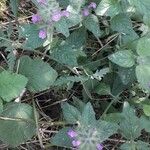
Clinopodium vulgare
Wild Basil · Cushion calamint · Dogmint · Field Basil · Wild Basil Savory
Description
Source: leafsnapClinopodium vulgare, the wild basil, is a species of flowering plant in the family Lamiaceae.
🌳 Gardeners have several options for planting herbaceous wild basil. It can be placed in herb gardens, kitchen gardens, or even in a pot that is easily accessible from the kitchen. Beyond its culinary uses, wild basil is also a great choice for wild native and butterfly gardens. Its vibrant flowers and lush green foliage make it an attractive border plant and help attract pollinators.
🎭 Affection, Demon removal, Riches
Care Guide
💧 Water
Wild basil flourishes in areas with consistent rainfall and displays a moderate tolerance to drought. It ideally needs balanced moisture, which typically means watering once a week. If you're growing it outdoors, keep the growing season in mind when adjusting your watering schedule. During its active growth phase, wild basil requires more water to sustain its foliage.
How does watering my Wild basil inside and outside affect it differently?
Wild basil is commonly grown indoors by gardeners who do not live in temperate or tropical regions. It is important to be aware that soil in a container dries out faster compared to ground soil. In addition, if you have drying elements like air conditioning units, your Wild basil will require more frequent watering compared to if it was planted outside. In such cases, watering your Wild basil outside may not be necessary, especially if you receive regular rainfall. However, if you grow Wild basil inside, you will need to water it more often as you won't have the option of allowing rainwater to soak the soil.
☀️ Light Full sun
Wild basil thrives in spots that get plenty of sun throughout the day. It can handle some partial shade, but that may reduce its vigorous growth. Native to sunny environments, it can become spindly with too little light or have leaves that wilt if exposed to excessive sunlight.
What are the sunlight requirements for Wild basil?
Wild basil requires full sunlight of above 6 hours daily to thrive optimally, although it can tolerate partial sun, which is about 3-6 hours of sunlight. It's essential to watch how sunlight moves through your garden, choosing spots that offer a perfect balance of light and shade for your plants, ensuring their happiness and robust growth. Native to sun-rich habitats, Wild basil might exhibit weaker growth in low light conditions or may suffer from leaf withering if exposed to excessive light.
How does artificial lighting support indoor Wild basil plants?
For indoor Wild basil plants where natural sunlight is insufficient, especially during winter or in less sunny spaces, artificial lighting can be a crucial solution. Adequate lighting promotes faster, healthier growth. LED lights, which can be tailored to provide specific wavelengths needed by the plants, are a popular choice. Full sun plants require 30-50W per square foot of artificial light, partial sun plants need 20-30W, and full shade plants 10-20W. The light source should be placed 12-36 inches above the plant to mimic natural sunlight, ensuring the plant receives 8-12 hours of light per day for optimal growth.
What are the symptoms of incorrect lighting for Wild basil?
Wild basil exhibits several symptoms when the lighting conditions are not adequate. Small, smaller new leaves indicate light deficiency, as does leggy or sparse growth where stems elongate, making the plant appear weak. Faster leaf drop and slower or halted growth occur as the plant conserves resources in low light. Insufficient sunlight may also cause new leaves to appear lighter in color, indicating a lack of chlorophyll. Conversely, excessive sunlight can cause chlorosis, sunscald, leaf curling, wilting, and leaf scorching, which negatively impact the plant's health and appearance.
How can you optimize light conditions for Wild basil?
To optimize growth, gradually expose Wild basil to more sunlight each week until it receives at least 6 hours of direct sunlight daily, using a south-facing window for indoor plants. Artificial lighting, such as a desk lamp or plant grow lights, can supplement light for large or immovable plants for at least 8 hours a day. Outdoors, acclimatize your plants to sunlight gradually to prevent sunburn. Reducing obstructions like pruning trees or transplanting can also increase sunlight exposure. While parts of the plant that suffered from insufficient light may not recover, new growth will be healthy with improved light conditions.
🌡️ Temperature 10–35°C
Wild basil is a plant that does best in its native habitat when temperatures range from 50 to 95 °F (10 to 35 ℃). As the seasons change, it is advisable to adjust the temperature to replicate those conditions.
What temperature conditions are ideal for growing wild basil?
Wild basil thrives in temperatures ranging between 50 to 95°F (10 to 35°C). It is native to environments that mimic these conditions through the changing seasons. Although wild basil has a strong cold resistance and usually does not require special frost protection measures, if winter temperatures are expected to drop below -25°C, providing cold protection is important. This can include covering the plant with soil or straw and ensuring the soil is moist before the first freeze of autumn to prevent drought and water scarcity during winter and early spring.
How does wild basil react to low temperatures, and what should be done in spring if it doesn't sprout?
Wild basil is cold-tolerant and performs best when the temperature remains above 10°C. During winter, it should not drop below -15°C. Temperatures falling below -25°C might not show noticeable effects in winter but can lead to decreased sprouting or no sprouting during spring. In such cases, it's recommended to remove any parts of the plant that have failed to sprout in spring.
What are the effects of high temperatures on wild basil, and how can they be mitigated?
High temperatures, especially above 35°C, can have adverse effects on wild basil. Exceeding 38°C may cause the leaves to lighten in color, curl, become sunburned, and in severe cases, lead to the entire plant wilting and drying out. To mitigate these effects, one should trim away the sunburned and dried portions of the plant. It's also advisable to move the plant to a location with shade during midday and afternoon sun, or use a shade cloth to create shade. Watering the plant in the morning and evening to maintain soil moisture is beneficial as well.
💨 Humidity
🪴 Soil 5-7
🌱 Fertilizer
The best time to fertilize Wild basil is in early spring, as it comes out of dormancy and starts active growth. Fertilizing supplies essential nutrients for healthy growth. Although Wild basil has fairly low fertilizer requirements, giving it fertilizer once a year can improve its survival and encourage better, longer-lasting flowers.
🪴 Pot & Repot
✂️ Pruning
Wild basil is known for its aromatic leaves and purple flowers. To promote fullness and encourage blooming, it's best to prune wild basil in the early to late spring. Start by removing any dead stems, and then trim about one-third of the plant. Make sure to use clean, sharp tools when pruning to prevent the spread of disease.
🌿 Propagating
🐛 Diseases & pets
☠️ Toxicity
Clinopodium vulgare has no toxic effects reported.
Characteristics
- Plant Type
- Herb
- Life Cycle
- Perennial
- Genus
- Clinopodium
- Family
- Lamiaceae
- Hardiness Zone
- 6-9
- Mature Height
- 20 cm to 76 cm
- Mature Spread
- 49 cm
- Leaf Color
- Green
- Leaf Type
- Deciduous
- Flower Color
- Pink
- Flower Size
- 2.54 cm
- Bloom Time
- Early summer, Mid summer
- Planting Time
- Spring, Summer
- Harvest Time
- Mid summer