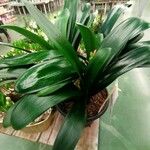
Clivia miniata
Bush lily · Scarlet kaffir lily · Fire lily
Description
Source: leafsnapClivia miniata, commonly known as the Natal lily or bush lily, is a popular ornamental plant that belongs to the Amaryllidaceae family. Native to South Africa, this plant features dark green, strap-like leaves that can grow up to 60 cm long and 5 cm wide. It produces clusters of trumpet-shaped flowers in vibrant shades of orange, red, or yellow. Clivia miniata is a hardy plant that can reach up to 60 cm in height and width under ideal conditions. It thrives in partial shade or filtered sunlight and prefers well-draining soil with regular watering during the growing season. The plant can be easily propagated through the division of its rhizomes. Cultivated for its ornamental value since the early 19th century, many cultivars of Clivia miniata are now available, boasting different flower colors such as pink, peach, cream, and white. In addition to its decorative appeal, Clivia miniata has been used by indigenous people in South Africa for medicinal purposes. Due to its anti-inflammatory properties, it has been employed in the treatment of various ailments, including headaches, fevers, and snake bites. Overall, Clivia miniata makes an excellent addition to any garden. Its attractive foliage and vibrant flowers, which bloom during the winter months when few other plants are in bloom, make it an ideal choice for adding color to your garden during this time of year.
🎭 High-minded, a man of integrity, steadfast, determined
Care Guide
💧 Water Every 7 days
The bush lily flourishes in environments with moist soil and indirect light. It prefers consistently moist soil, which can be maintained by watering it weekly, ensuring that the soil stays hydrated without becoming waterlogged. As an evergreen plant, the bush lily also benefits from higher humidity levels. You can achieve this by misting the plant or placing it on a pebble tray. These characteristics make the bush lily well-suited for indoor cultivation.
When Should I Water My Bush Lily?
Watering your Bush Lily, also known as Clivia miniata, involves observing several key indicators to maintain its health and encourage vibrant growth. Firstly, assess the dryness of the soil; watering is needed when the top inch feels dry. Monitor the plant for any signs of leaf wilt, reduced flowering, or a noticeable dulling in leaf color, as these can all indicate dehydration. However, it's crucial to balance this as both overwatering and underwatering can cause harm, such as root rot or stress leading to wilting and poor blooming. Regularly checking these signs and providing water accordingly will help keep your Bush Lily flourishing.
How Should I Water My Bush Lily?
Watering your Bush Lily appropriately ensures it receives just the right amount of hydration without over-saturation. Employ a bottom-watering technique by placing the pot in a tray of water, allowing the soil to absorb moisture from the bottom up, which encourages healthy root growth and prevents overwatering. If using a watering can, opt for one with a narrow spout to accurately target the soil around the base of the plant without wetting the foliage, as wet leaves can lead to fungal diseases. Using a moisture meter can precisely measure soil moisture levels, ensuring optimal watering. Additionally, to mitigate any risk of disease, water should be directed at the soil rather than the foliage.
How Much Water Does Bush Lily Really Need?
The Bush Lily's water needs can be influenced by various factors, including the plant's size and the pot's size. Generally, it's best to water the Bush Lily thoroughly, ensuring the water reaches the pot's bottom, with an average of 1 to 2 liters per session being sufficient. Signs of proper hydration include deep green, turgid leaves and a healthy appearance alongside plentiful blooming during its flowering season. Conversely, symptoms of either under or over-watering like droopy leaves or yellowing, respectively, indicate that adjustments need to be made to your watering routine. Ensuring well-draining soil and avoiding waterlogged conditions will contribute to the health and vitality of your Bush Lily.
What Kind of Water is Best for Bush Lily?
The quality of water you use for your Bush Lily is significant, as it can be sensitive to elements like minerals, chlorine, and fluoride often found in tap water, which may lead to issues such as leaf tip burn. The ideal types of water are rainwater, distilled water, or filtered water, with tap water being acceptable if it is allowed to stand to dechlorinate and reach room temperature. Using the proper water type is crucial for preventing potential stress and ensuring the plant remains healthy.
How Do Bush Lily's Watering Needs Change with the Seasons?
Seasonal changes impact how you should water your Bush Lily. During spring, its growth season, maintain a consistent moisture level, being cautious of waterlogging. In the summer, water when the top inch of the soil dries out, catering to its increased water needs for active growth. Come autumn, as growth slows, allow the soil to dry somewhat between watering sessions. In winter, reduce watering significantly as the plant enters dormancy, ensuring you only water when the soil is very dry to the touch. Adapting your watering routine to these seasonal needs helps maintain a healthy Bush Lily year-round.
☀️ Light Full shade
The clivia lily prefers a spot with reduced sunlight, thriving mainly in areas that offer ample shade. It can occasionally handle moderate sun exposure. Conversely, too much or too little sunlight can negatively impact its growth, similar to its native habitat.
What are the sunlight requirements for a Bush Lily?
Bush Lilies, also known by their botanical name Clivia miniata, require specific sunlight conditions to thrive. They perform best in locations that offer full shade, which entails less than 3 hours of direct sunlight daily, or partial sun, about 3-6 hours of sunlight. It's essential to observe the movement of sunlight through your garden to find spots that ensure the perfect balance between light and shade, as this significantly contributes to the plants' well-being.
What are the essentials for growing a Bush Lily?
The Bush Lily prospers in areas with less sunlight intensity, thriving in significant shade while also tolerating moderate sun exposure. However, too much or too little sunlight can negatively impact its growth, mimicking its natural habitat's conditions. In situations where natural light is insufficient, particularly during winter or in less sunny spaces, artificial lighting can be employed to encourage optimal growth. Indoor plants may require artificial lights such as LEDs customized to provide specific light wavelengths, with varying watts per square feet based on whether the plant is full sun, partial sun, or full shade.
What are the signs of improper lighting in a Bush Lily?
Bush Lilies can tolerate low-light conditions, but symptoms of light deficiency include lighter-colored new leaves, indicating a lack of chlorophyll and essential nutrients; slower or halted growth, as plants enter a survival mode with insufficient light; and various signs of distress from excessive sunlight such as chlorosis, sunscald, leaf curling, wilting, and leaf scorching. These conditions suggest the plant is not in an optimal light environment.
How can I address lighting issues for a Bush Lily?
To rectify lighting issues for a Bush Lily, whether indoors or outdoors, several steps can be taken. Indoors, move plants to spots where they can receive ample filtered light, including brief periods of direct morning sun, or use artificial light such as desk or ceiling lamps for at least 8 hours daily. Outdoors, gradually adapt plants to brighter conditions to avoid sunburn, and for plants in the ground, reduce obstructions like overhanging branches or consider transplanting to sunnier locations with good drainage, especially during the plant's dormant period.
🌡️ Temperature 20–37.8°C
In the clivia lily's native growth environment, temperatures range from 70 to 95 ℉ (20 to 38 ℃). The plant prefers temperatures of 68 to 82 ℉ (20 to 28 ℃) and will suffer if temperatures fall below 55 ℉ (12 ℃) or rise above 95 ℉ (35 ℃). In colder months, set the minimum temperature to 50 to 55 ℉ (10 to 13 ℃) to encourage bloom.
What are the ideal temperature conditions for Bush lily growth?
Bush lily thrives in temperatures ranging from 70 to 95°F (20 to 38°C) in its native environment. Ideally, the plant prefers temperatures between 68 to 82°F (20 to 28°C). It is sensitive to temperatures below 55°F (12°C) or above 95°F (35°C), which can cause the plant to suffer. During the colder months, it's beneficial to adjust the temperature to a minimum of 50 to 55°F (10 to 13°C) to encourage blooming. Bush lily is a heat-loving plant, and exposure to cold can be detrimental. In autumn, it is recommended to bring outdoor-grown Bush lilies indoors and place them near a bright window, while keeping them a safe distance from heaters to maintain appropriate temperatures above the suitable growth minimum during winter for optimal growth.
How does low temperature affect Bush lily and what are the solutions?
Bush lily is not tolerant of low temperatures and thrives best when the temperature is consistently above its suitable growth minimum. During winter, keeping the plant above the tolerable growth minimum is essential. Exposure to temperatures below the limit growth temperature can result in leaves lightening in color. Frost damage can further cause the leaves to turn brown or black, leading to symptoms like wilting and drooping. To mitigate these issues, trim off the frost-damaged parts and immediately move the plant to a warm indoor environment for cold protection. Placing the plant near a south-facing window ensures ample sunlight, but it should be kept away from heaters or air conditioning vents to prevent excessive dryness in the air.
How does high temperature affect Bush lily and what are the solutions?
Bush lily should be kept below its suitable growth temperature maximum during summer to avoid heat stress. When temperatures exceed the tolerable growth temperature maximum, the leaves may lighten in color and the plant becomes more susceptible to sunburn. To address this, trim away the sunburned and dried-up parts of the plant. Relocating the Bush lily to an area with shade from the midday and afternoon sun can help prevent further damage. Additionally, watering the plant in the morning and evening maintains soil moisture and helps mitigate the impact of high temperatures.
💨 Humidity normal (40-60%)
This plant will thrive in moderate humidity, which is probably the level in your home. However, misting it a few times a week can be very beneficial. Make sure the room has good ventilation.
🪴 Soil 6-7
🌱 Fertilizer
The Clivia lily needs the most fertilizer during its active growth period, which takes place mainly in spring, summer, and early fall. Fertilizing supplies essential nutrients that the soil may lack, encouraging healthy root and stem growth and the attractive foliage that is a key feature of this plant.
Why should I put fertilizer on my Bush Lily?
All plants, including the Bush lily, need soil nutrients for their growth. However, it's not always guaranteed that the soil in which your plants grow will have all the necessary nutrients. To solve this, fertilization and soil amendments are used to ensure that your garden plants not only have the basic nutrients they need, but also the specific nutrients that are necessary for their growth. In the case of the Bush lily, fertilizer is needed to support the development of its roots and stems throughout the growing season. Additionally, fertilization will help the Bush lily produce a fantastic set of leaves, which is important since its foliage is its main source of visual appeal.
When should I fertilize my Bush lily?
The Bush lily requires the most fertilizer when it's actively growing, which is usually during spring, summer, and early fall. After winter, feed the Bush lily every two to four weeks and continue this frequency until fall. In fall, gradually reduce the amount of fertilizer given until you stop completely for winter, as the Bush lily's growth slows down during this time.
When is the best time to not fertilize my Bush lily?
During most of the year, such as spring, summer, and fall, it is important to regularly feed your Bush lily. However, if you notice that you have accidentally given it too much fertilizer or fertilized it incorrectly, causing issues like fertilizer burn, you need to fix the problem before continuing with regular feedings. The only exception to fertilizing a Bush lily is during winter. If you grow the plant indoors in a cold winter area, it will go into a dormant phase. Feeding it during this phase is unnecessary and can lead to fertilizer burn.
What kind of fertilizer does my Bush lily need?
The fertilizer for a Bush lily needs a specific blend of nutrients, each in relatively low amounts. An ideal fertilizer has an N-P-K ratio of 3-1-2. However, a general-purpose fertilizer with an even blend of nutrients can also be effective. When using a balanced fertilizer, aim to keep the ratio number representing each nutrient at 10 or lower. You can choose between granular or liquid-based fertilizers. If you opt for a liquid-based fertilizer, it is advised to dilute it by half. Granular fertilizer has few disadvantages, but using liquid fertilizer is generally recommended, especially if you water your Bush lily while fertilizing it.
How can I make my Bush lily grow better?
When you purchase fertilizer for your Bush lily, it's important to follow the application instructions. In general, you should fertilize your Bush lily just before or while watering the soil. This will prevent the fertilizer from harming the plant's roots. If you are using a slow-release granular fertilizer, sprinkle it on the soil and then water immediately after. For liquid-based fertilizer, dilute it with water, apply it to the soil, and then provide some more water. It's especially crucial to dilute the fertilizer by at least half in the spring and fall when the plant's growth is increasing or slowing down, respectively.
🪴 Pot & Repot 2-3 years
When repotting Clivia lily, choose a pot 1-2 inches (2.5–5.1 cm) larger with ample drainage. Use a well-draining potting mix. Repot in spring or fall, making sure the root ball sits slightly below the rim of the flower pot. Water thoroughly after repotting and place it in a warm spot with indirect sunlight.
✂️ Pruning
The bush lily is known for its vibrant orange flowers and lush green leaves. To enhance its shape and health, it is best to prune the plant from early to late spring, right after it has finished blooming. Be sure to remove any spent flowers, yellowing leaves, and damaged foliage. This will promote new growth, improve air circulation, and strengthen the plant's overall structure.
🌿 Propagating
🐛 Diseases & pets
☠️ Toxicity
Characteristics
- Plant Type
- Herb
- Life Cycle
- Perennial
- Genus
- Clivia
- Family
- Amaryllidaceae
- Hardiness Zone
- 9-11
- Mature Height
- 46 cm to 61 cm
- Mature Spread
- 61 cm to 91 cm
- Leaf Color
- Green
- Leaf Type
- Evergreen
- Flower Color
- Orange, Red
- Flower Size
- 2.03 cm
- Bloom Time
- Early spring, Mid fall, Late fall, Winter
- Planting Time
- Spring, Summer, Autumn, Winter
- Harvest Time
- Mid spring, Late spring, Early summer
- Native Area
- South Africa, Eswatini