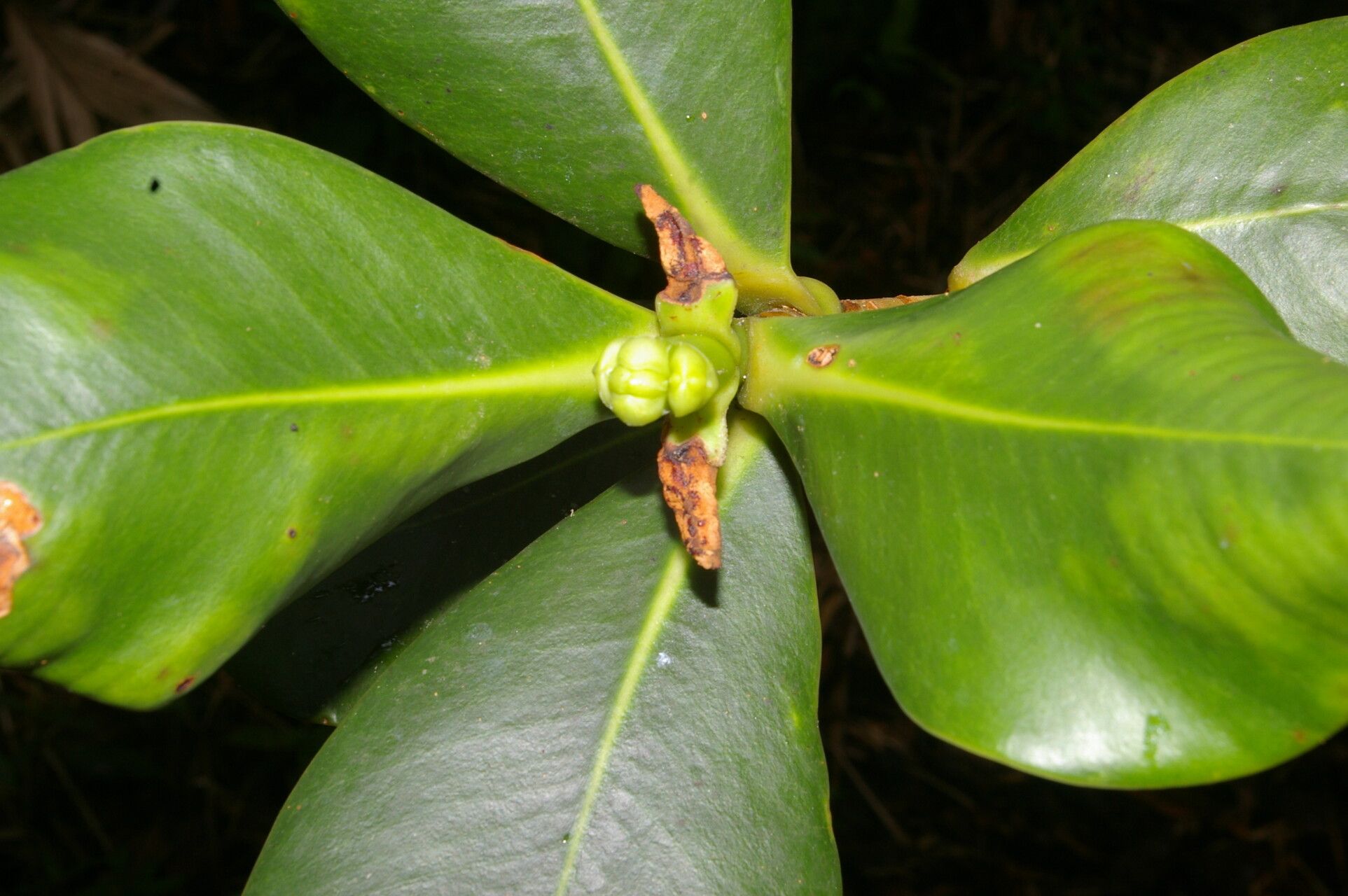
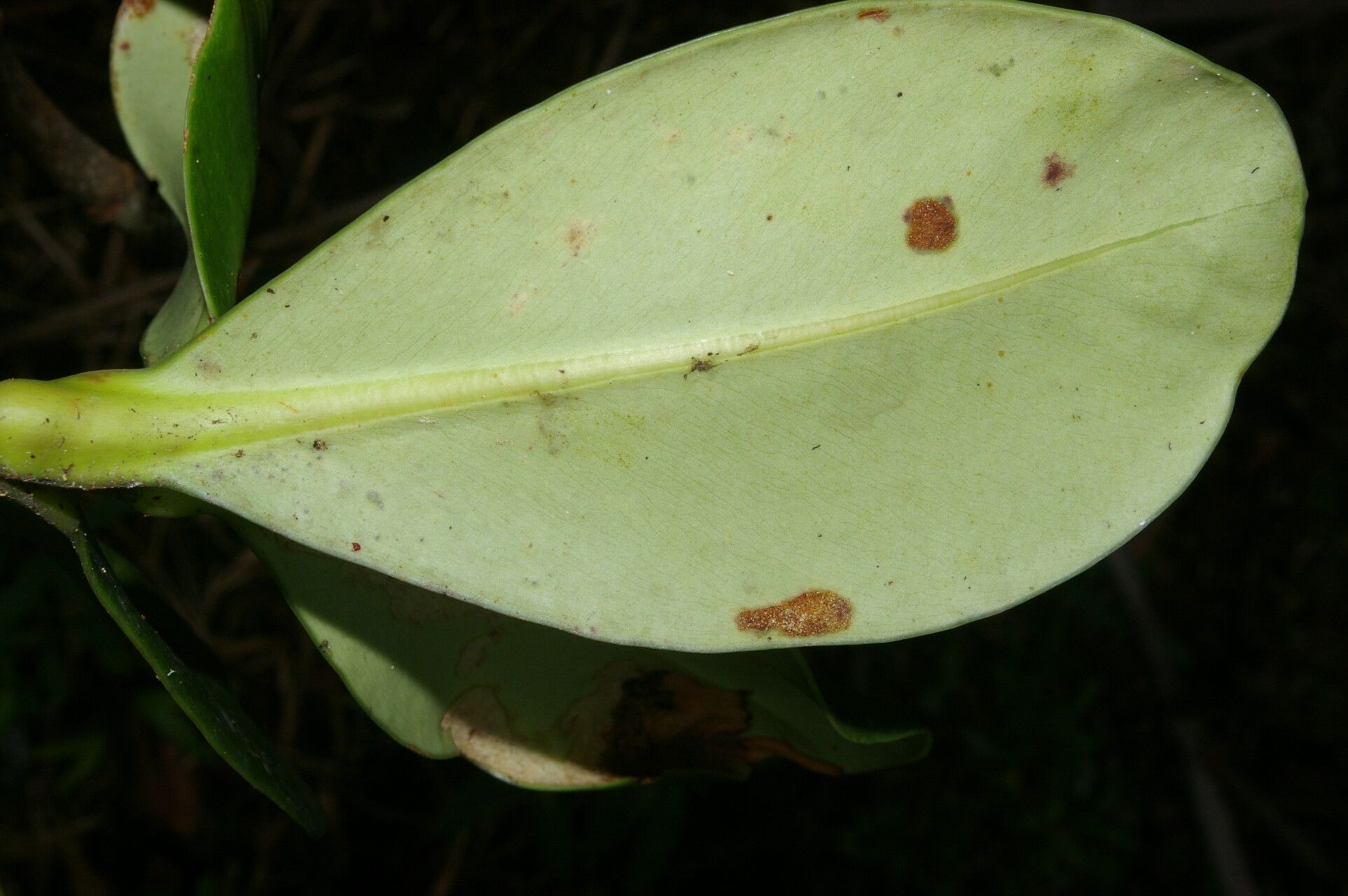
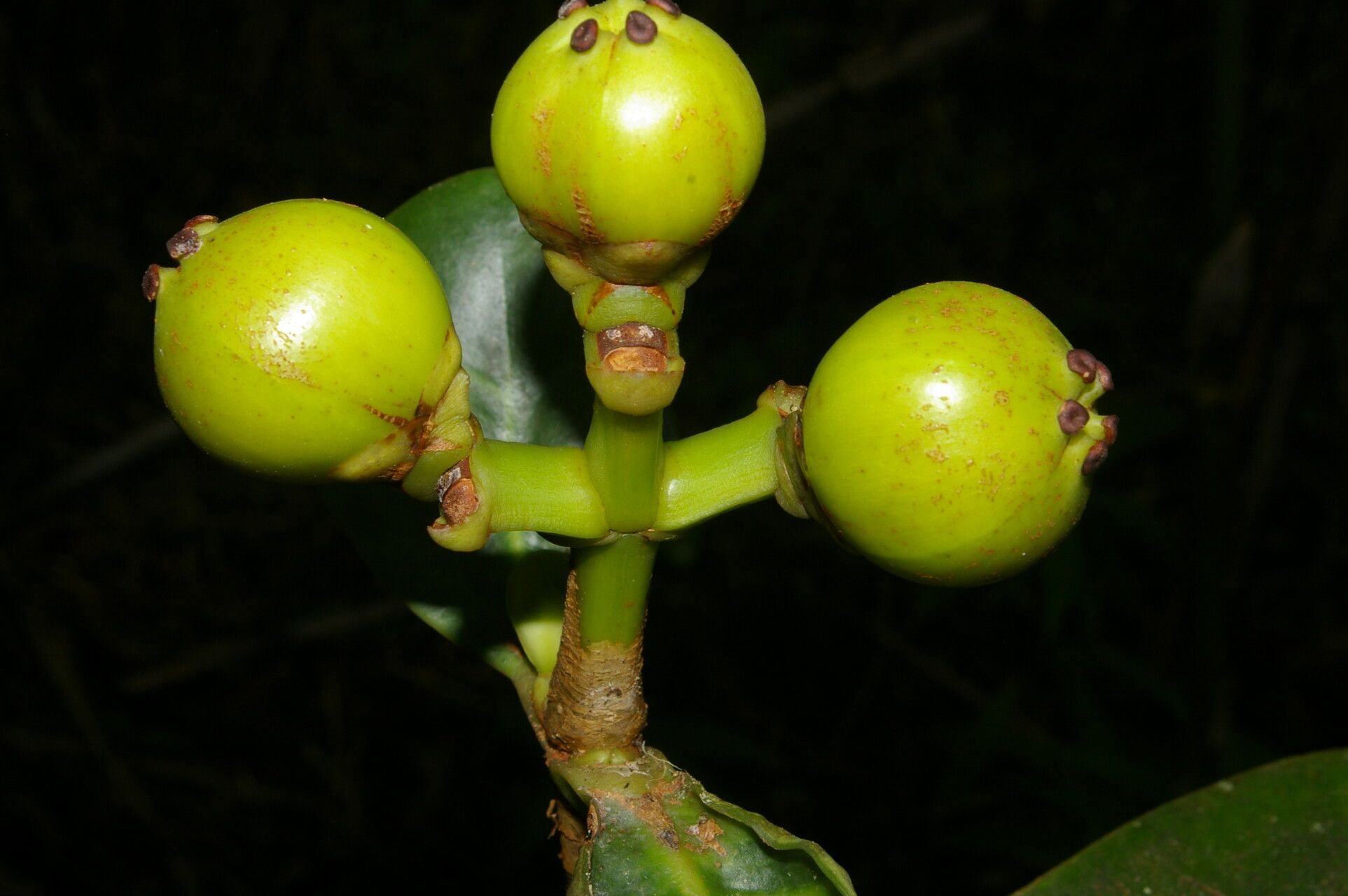
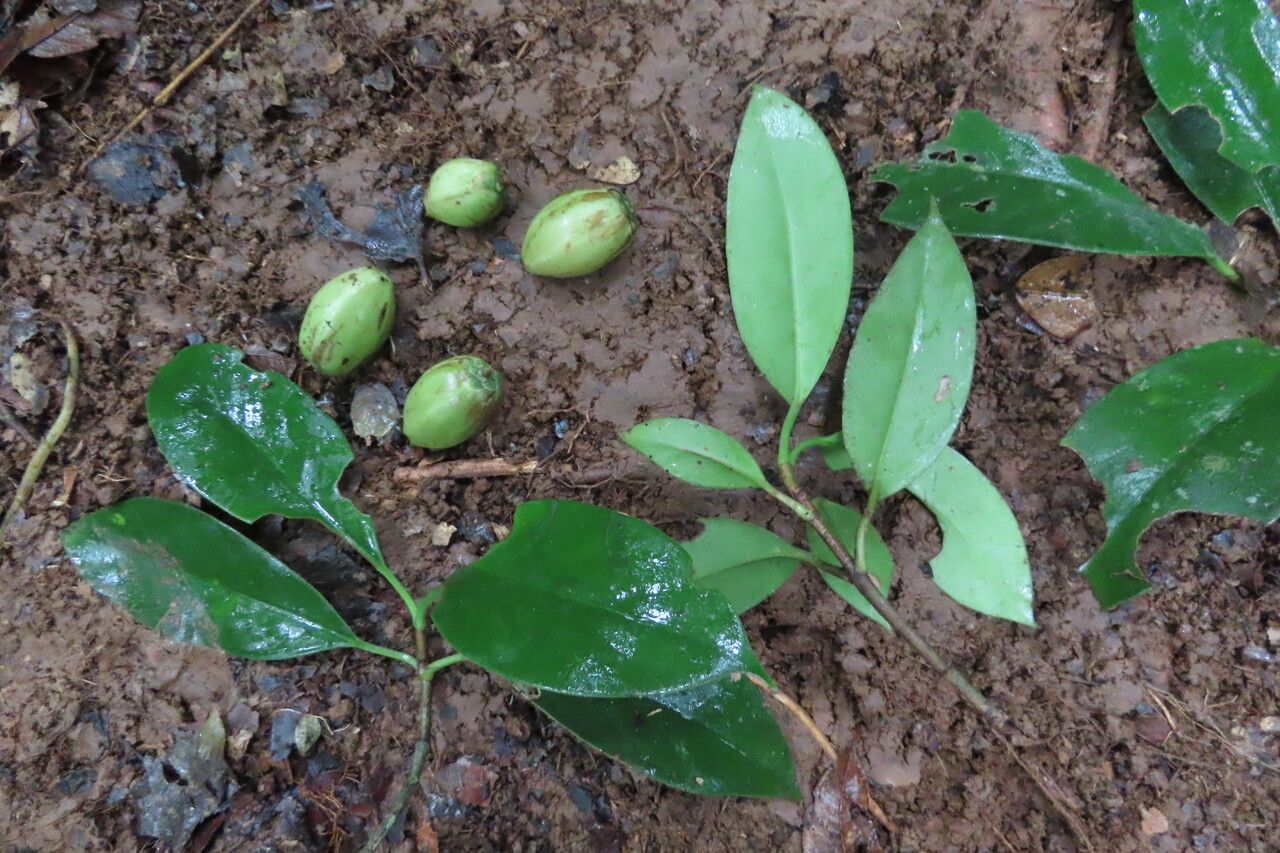
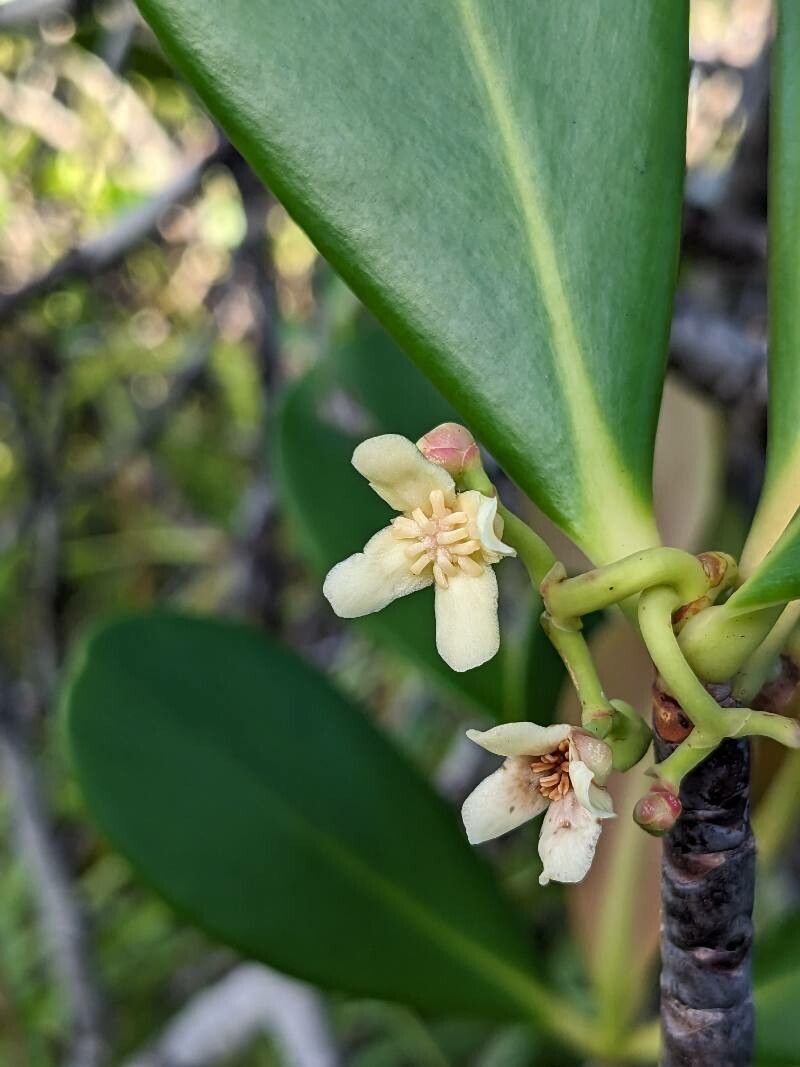
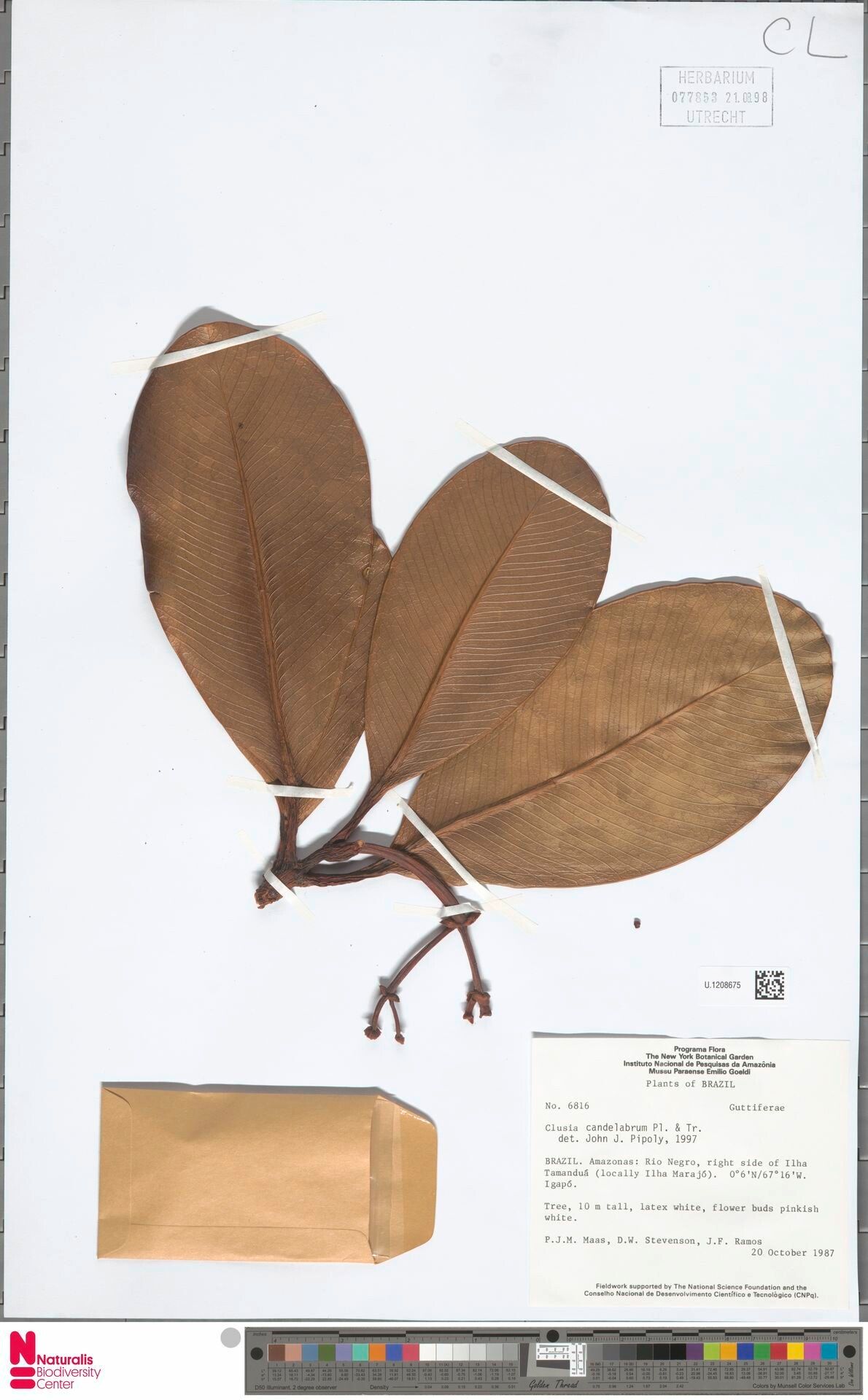
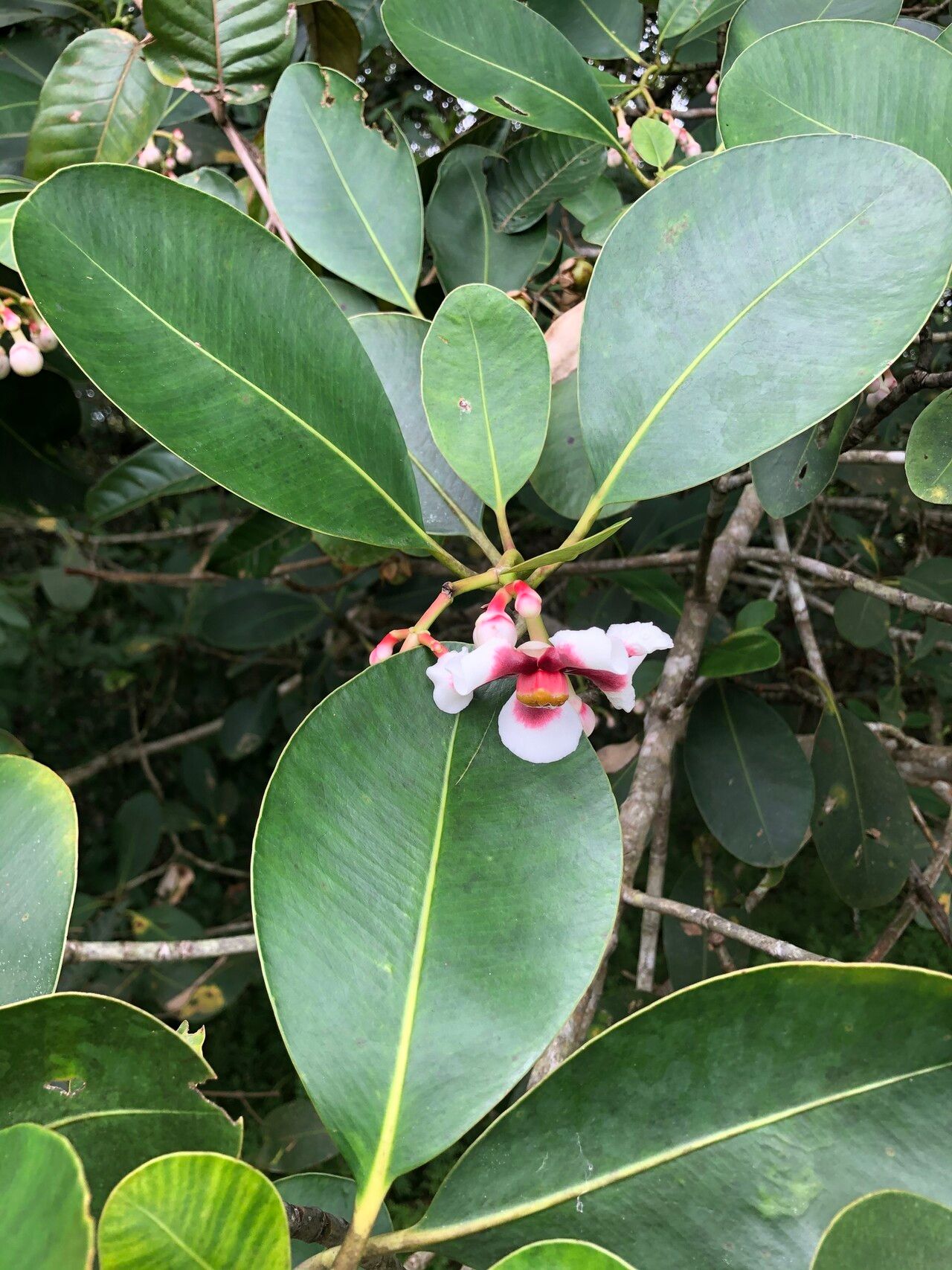
Clusia salvinii has strong resistance to disease and is generally not susceptible to illnesses. Regarding care, this plant is fairly low-maintenance. Outdoors it needs minimal watering, and larger specimens typically do not require pruning. Smaller plants, however, should be pruned after they finish blooming. Clusia salvinii is suitable for anyone with an outdoor area, such as a garden or deck, and does not demand much prior gardening experience.
How to keep Clusia Salvinii.
Light
Clusia salvinii originates from habitats like forest undergrowth or stony regions, where it naturally receives some shade. It largely favors semi-sunny conditions but can adjust readily to complete sunlight or total shade, indicating its adaptable and robust characteristics.
Water
Clusia salvinii is native to the humid environments of Central America, where it thrives in consistently moist conditions with moderate humidity. To keep the soil evenly moist without causing waterlogging, it should be watered weekly. As an evergreen plant, it needs careful watering during the growing season to maintain optimal health and vitality.
Temperature
Clusia salvinii is a plant that is native to tropical areas characterized by heat and moisture. This plant is highly compatible with high levels of heat and humidity due to its adaptation to these areas. It is not fond of abrupt shifts in temperature and thrives better in a consistent temperature setting. Hence, it's crucial to avert any sudden changes in indoor temperatures. It generally doesn't withstand cooler temperatures and requires warmer conditions to flourish. The plant's growth might halt or it might even perish if exposed to excessively low temperatures.
Fertilizer
The optimal period for fertilizing a Clusia salvinii is at the start of spring, during its emergence from dormancy. This enhances the overall growth and expansion of flowers. Fertilization not only strengthens the leaves, stems, and branches, but also encourages the growth of big, colorful, and long-lasting blossoms. It facilitates the movement of nutrients from the roots to the flowers, thus bolstering the plant's health and resilience against diseases.
Pruning
Clusia salvinii is known for its lush foliage and vigorous growth. To maintain its health and shape, it is important to prune the plant in early spring. Begin by removing any dead branches and thinning out crowded areas to improve air circulation. Make sure to use clean tools for precise cuts, which will enhance the plant's appearance, promote flowering, and boost its resistance to disease.
Botanical profile.
- Plant Type
- Tree
- Life Cycle
- Perennial
- Genus
- Clusia
- Family
- Clusiaceae
- Hardiness Zone
- 10-12
- Mature Height
- 3.05 m to 6.1 m
- Mature Spread
- 2.13 m to 3.96 m
- Leaf Color
- Dark Green
- Leaf Type
- Evergreen
- Flower Size
- 5.08 cm to 7.62 cm
- Bloom Time
- Summer, Early fall
- Planting Time
- Spring
- Harvest Time
- Late summer, Fall
- Native Area
- Belize, Honduras, Mexico, Guatemala, Venezuela, Nicaragua, Costa Rica, Panama
Reader questions.
How much sunlight does Clusia salvinii require?
Clusia salvinii, also known by its botanical name Clusia salvinii, thrives under various sunlight conditions. It needs full sun, which means it should receive above 6 hours of sunlight daily, or partial sun, about 3-6 hours of sunlight per day. It’s important to observe the way sunlight moves through your garden to find the perfect spots that offer a balance of light and shade, ensuring the best growth and health of your Clusia salvinii.