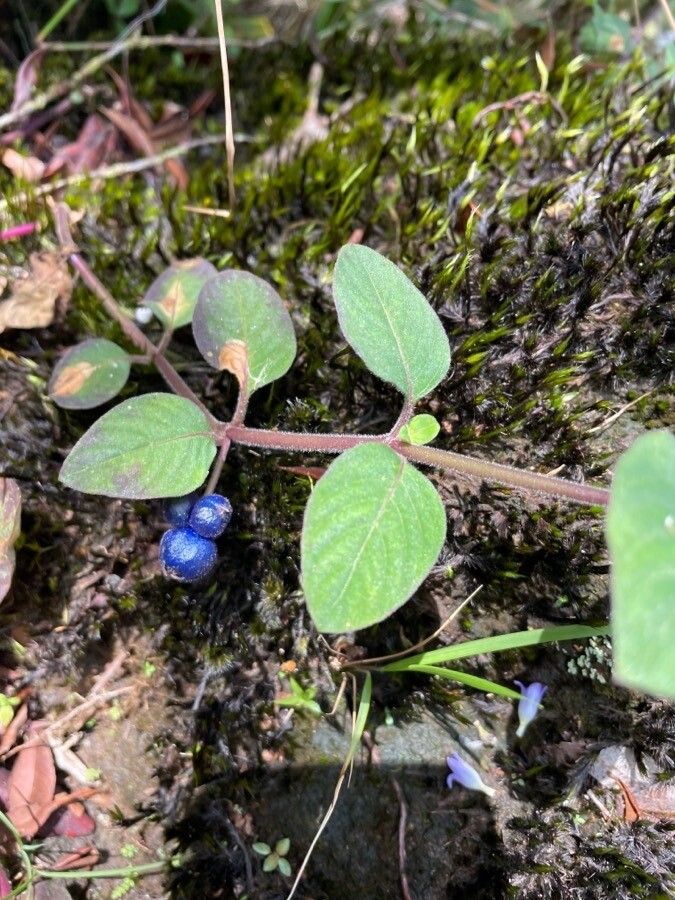
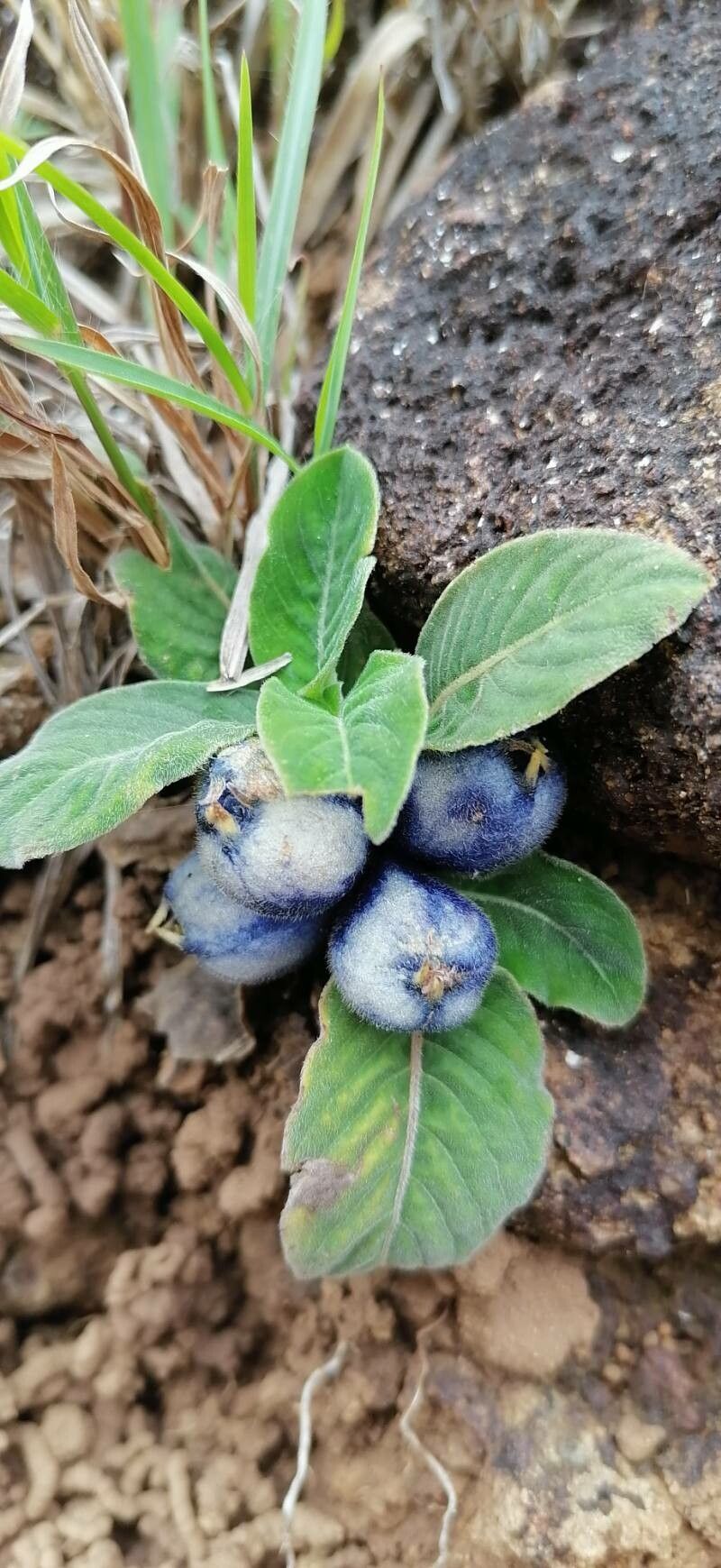
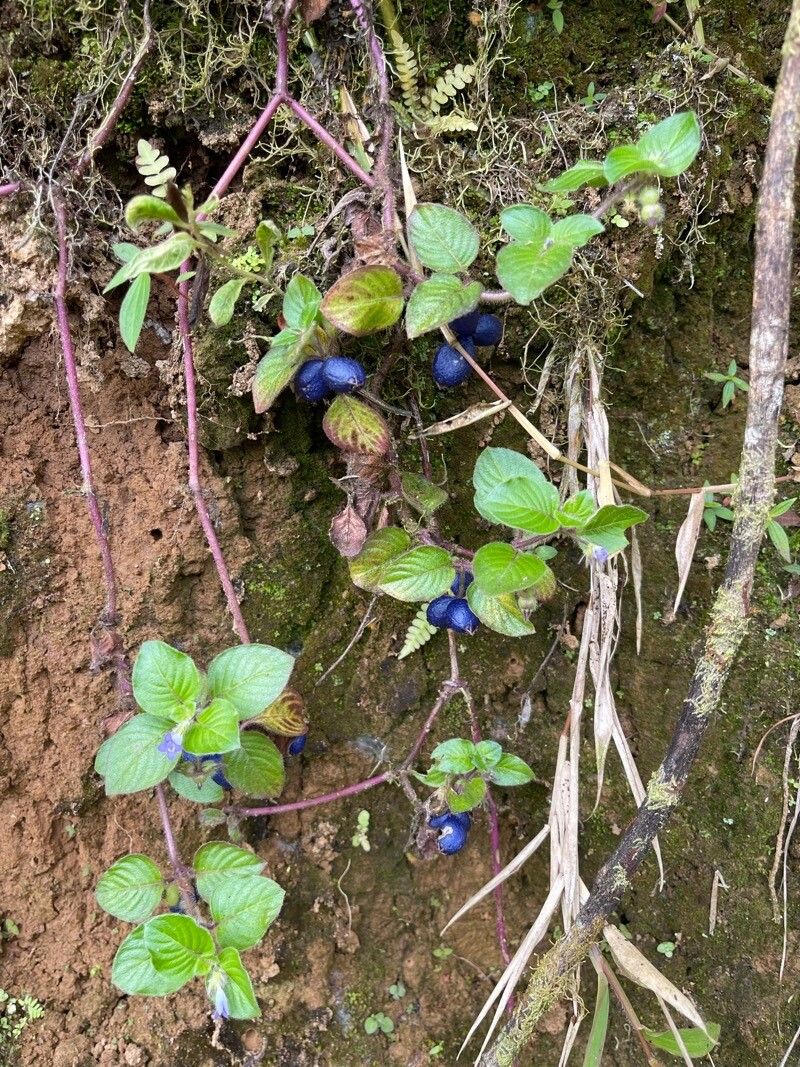
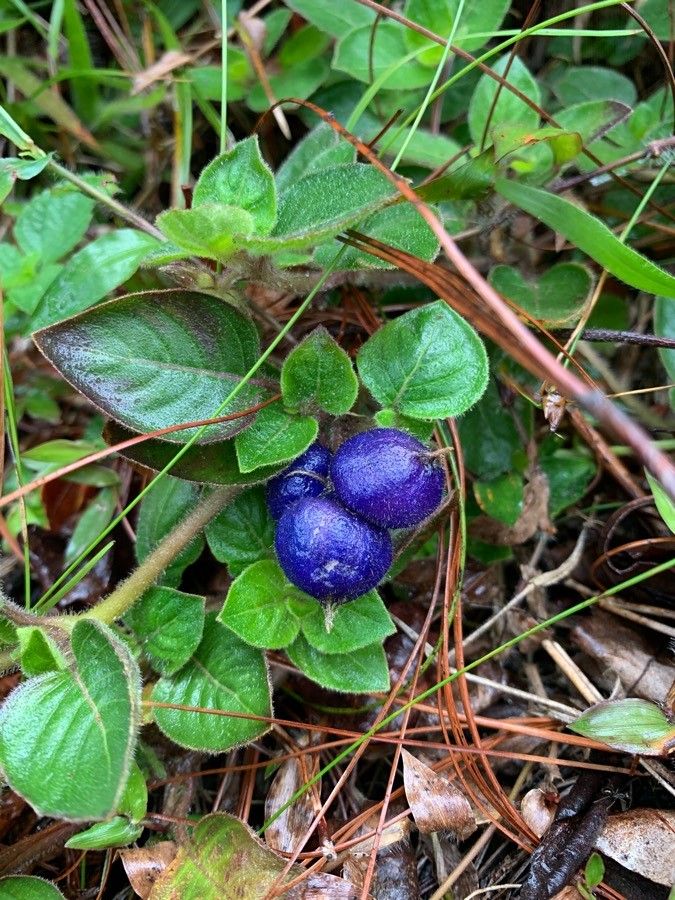
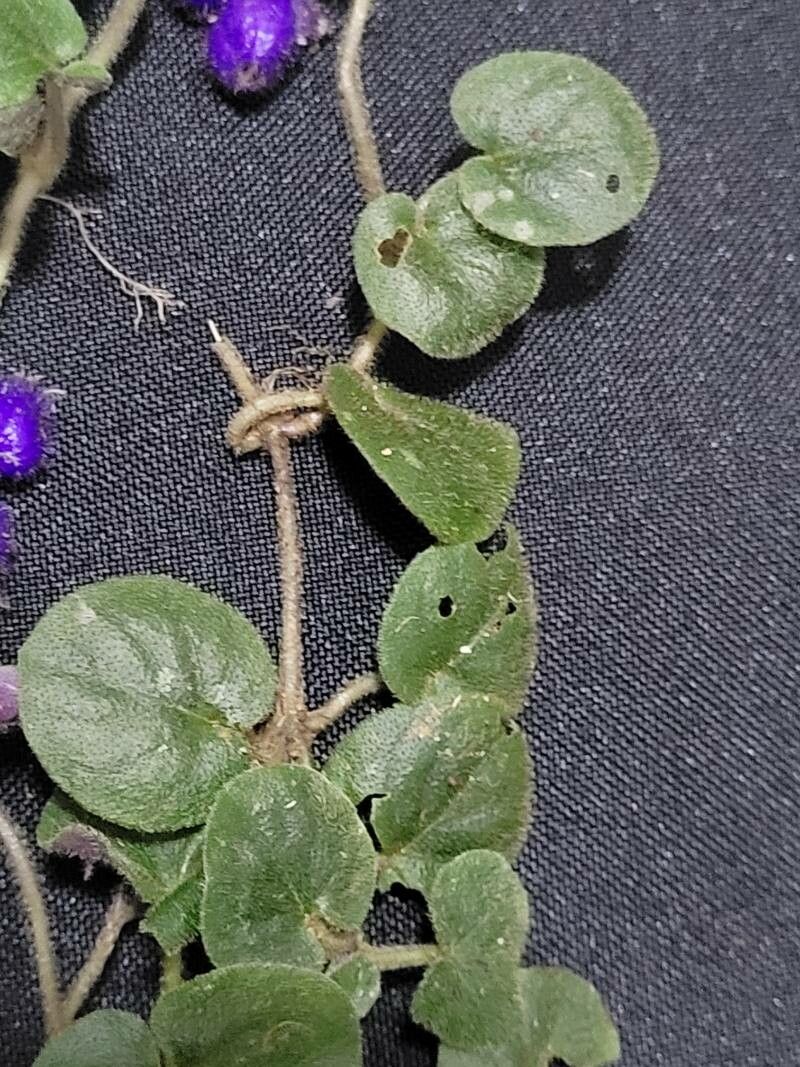
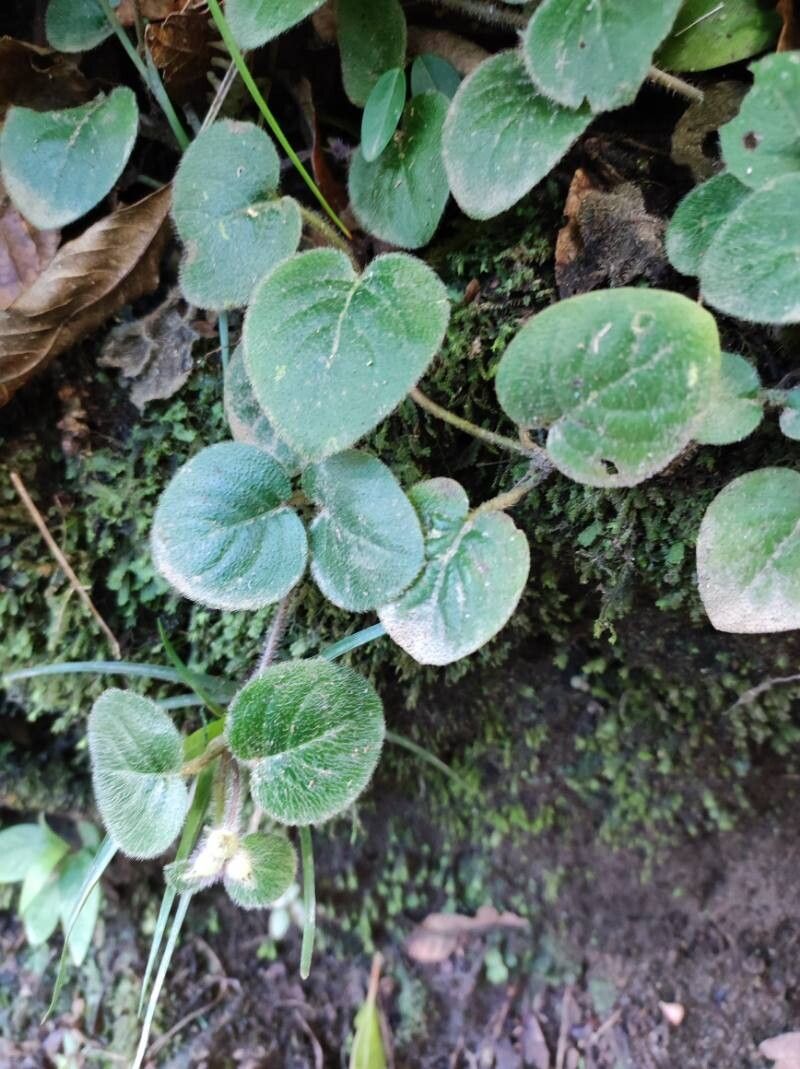
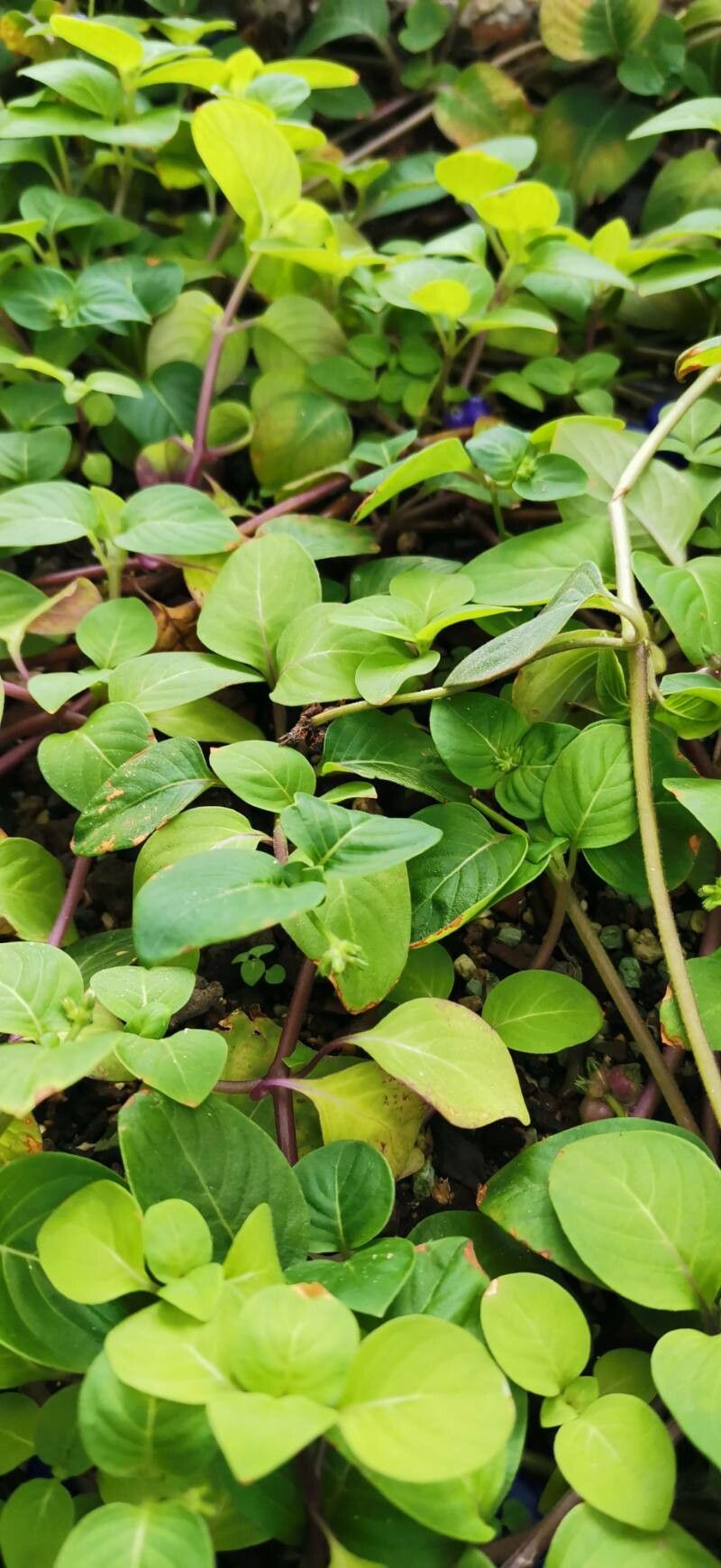
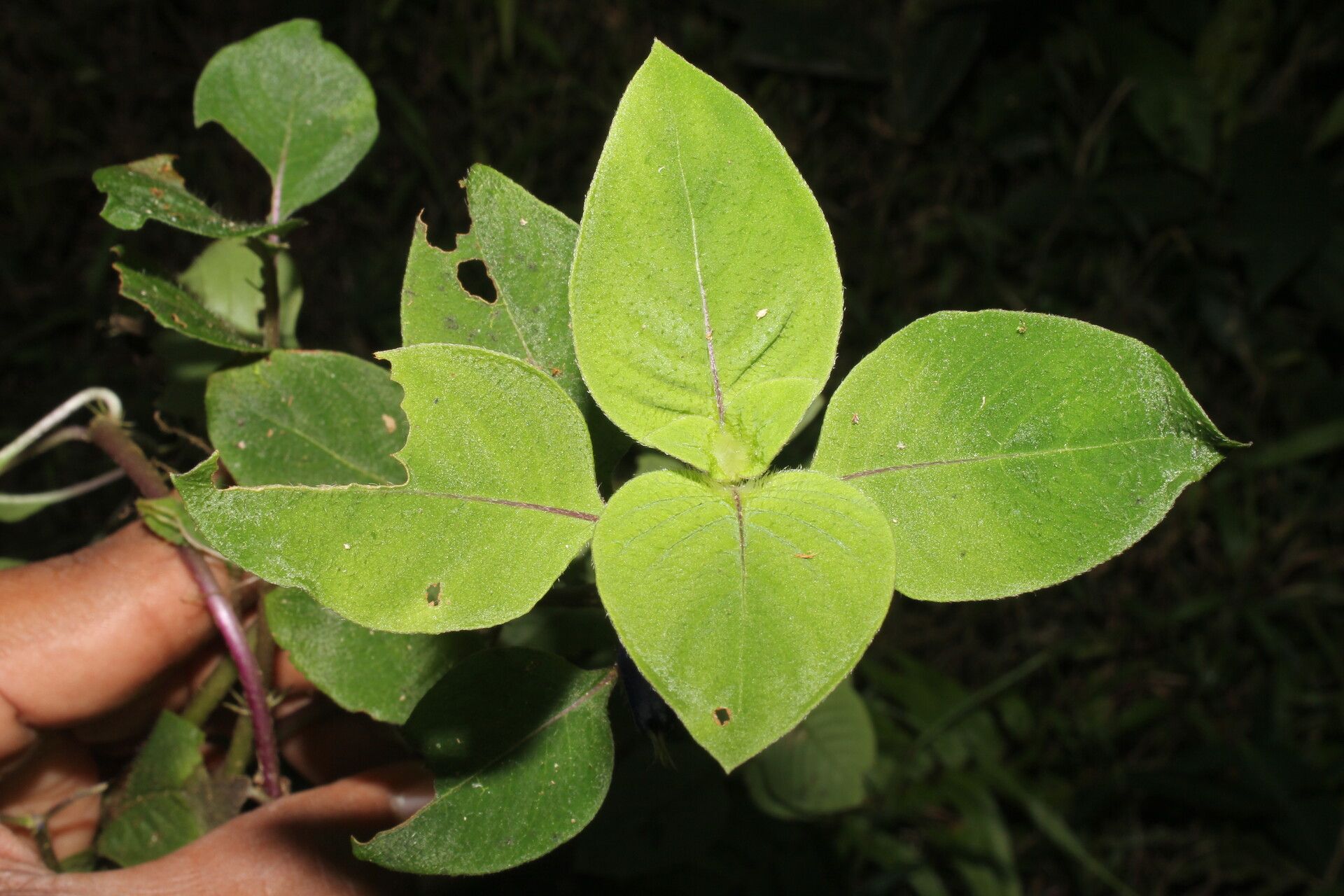
Yerba de guava shows strong resistance to disease and is generally not very prone to illnesses. Still, it can be affected by pests and diseases found in its environment. Such infections are typically mild. Regarding care, this plant needs a moderate amount of maintenance. Regular pruning is necessary to preserve a neat appearance and encourage healthy growth. Applying fertilizer can also help stimulate flowering. Yerba de guava is appropriate for anyone who has outdoor space, like a garden or patio, and it does not demand extensive experience in plant care. It may need more attention when cultivated indoors.
How to keep Coccocypselum Hirsutum.
Light
Yerba de guava originates from habitats like forest understories or rocky areas, where it grows in natural shade. It prefers partial sun but can adapt to full sun or full shade, showing its versatile, hardy nature.
Water
Yerba de guava thrives in the humid environments typical of its tropical origins. To prevent waterlogging, it should be watered regularly, about once a week. As an evergreen plant, it requires consistent moisture to maintain its growth and vibrant foliage, particularly in changing indoor conditions.
Temperature
Yerba de guava proviene de regiones tropicales, donde el clima suele ser cálido y húmedo. Por ello está bien adaptada a temperaturas altas y a la humedad. No le gustan los cambios bruscos de temperatura y prefiere un entorno térmico estable, por lo que es importante evitar las fluctuaciones de temperatura en interiores. Normalmente no soporta el frío y necesita temperaturas más elevadas para crecer. Si la temperatura ambiental baja demasiado, la planta puede dejar de crecer o incluso morir.
Fertilizer
Proper fertilization is essential for Yerba de guava's health and appearance. Fertilize Yerba de guava in summer, repeating the application monthly throughout the season. Nutrients provide the energy for growth and support the plant's tissues. Fertilization improves Yerba de guava's flowering, helping to achieve the best blooms.
Pruning
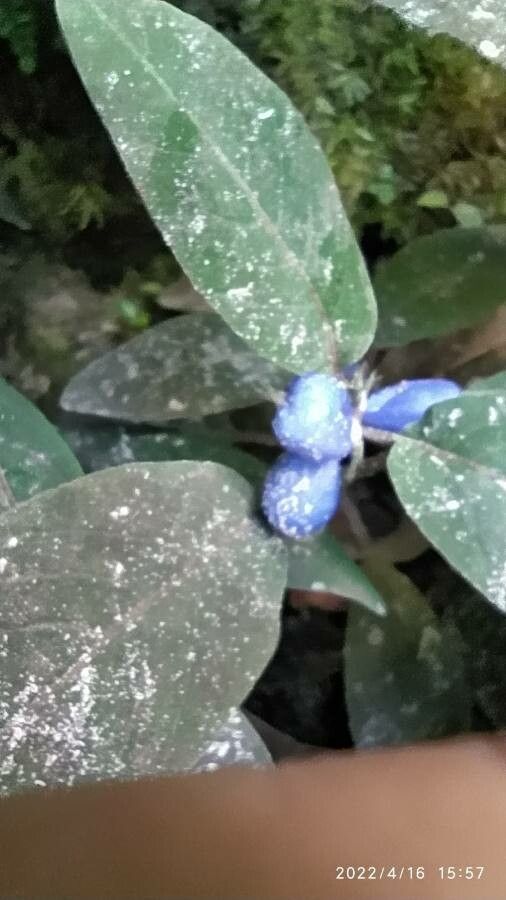
The Yerba de Guava plant has hairy leaves and small blue flowers. Prune it in the spring to remove dead branches, improve air circulation, and maintain its shape. Regular trimming encourages healthy growth, abundant blooms, and overall resilience, resulting in a fuller and more visually appealing plant.
Botanical profile.
- Plant Type
- Herb
- Life Cycle
- Perennial
- Genus
- Coccocypselum
- Family
- Rubiaceae
- Hardiness Zone
- 10-12
- Mature Height
- 1.52 m
- Mature Spread
- 30 cm to 61 cm
- Leaf Color
- Green, Forest Green
- Leaf Type
- Semi-evergreen
- Flower Color
- White, Purple, Blue
- Flower Size
- 1.02 cm to 1.52 cm
- Bloom Time
- Late spring, Summer, Early fall, Mid fall
- Planting Time
- Spring, Autumn
- Harvest Time
- Mid summer, Late summer, Fall, Early winter
- Native Area
- Colombia, Belize, Mexico, Guatemala, Bolivia, Venezuela, Peru, Guyana, Nicaragua, Costa Rica, Panama
Other names.
Reader questions.
What should I do if I give my Yerba de guava plant too much water or too little water?
Overwatering is a more common issue than underwatering for the health of your Yerba de guava. When the plant receives too much water, its stems and leaves may wilt, turn yellow, and be susceptible to diseases like root rot, mold, and mildew, which can be fatal. Underwatering is less common for this plant, as it can tolerate drought to some extent. However, if underwatering occurs, the leaves become brittle and brown. It's important to notice signs of overwatering early, as some diseases may become irreversible if left untreated. To address overwatering, reduce watering and assess soil quality for proper drainage. If underwatering occurs, simply increase watering until signs improve.
How frequently should I water my Yerba de guava plant?
If your Yerba de guava is in a pot, the most accurate way to determine if it needs water is to check the soil with your finger. If the top few inches are dry, it's time to water it. If your Yerba de guava is planted outdoors, you can use a similar method. When the top few inches of soil are dry, it's time to water. In the spring and early fall, you'll likely need to water this plant about once per week. During very hot weather, you may need to water it twice a week or more. However, mature Yerba de guava plants have a remarkable ability to survive drought.
How much water does my guava plant need?
When watering your Yerba de guava, don't hold back on the amount of water you give. Wait until the top couple of inches of soil are dry, then give the plant a good, deep watering. Make sure to water enough so that the soil is completely soaked. You should add enough water that it drains out through the bottom of the pot. If you don't see excess water draining, you may not have watered enough. However, be careful not to let water accumulate in the soil, as this can harm the plant. On the other hand, if no water is draining from the pot, it could mean that the soil is not draining well, which is not good for the plant's health. If the plant is outdoors, about 1 inch of rain per week should be sufficient.
How do I water my Yerba de guava while it is growing at different stages?
The water needs of the Yerba de guava can vary depending on its growth stages. For instance, when the plant is young or has been recently transplanted, it requires more water than usual. During these stages, the Yerba de guava focuses on developing new roots, which need extra moisture to support future growth. However, as the plant matures over a few seasons, its water requirements decrease. Additionally, during the bloom period, the Yerba de guava may require additional water due to the flower development process.
How should I water my Yerba de guava during different seasons?
The Yerba de guava plant has different water needs depending on the season. During the hottest months of the year, it will need more water and you may have to water it more than once per week if the soil dries out quickly. However, during the winter months, the plant goes into a dormant phase and needs much less water. In fact, you may not need to water it at all during winter. If you choose to water it during this time, do so only once a month to avoid risking the plant getting a disease.
What's the difference between watering my guava plant inside and outside?
The Yerba de guava is commonly grown indoors for gardeners who don't live in temperate or tropical regions. If you're growing it indoors, keep in mind that soil in a container can dry out faster than ground soil. Additionally, if there are drying elements like air conditioning units, your Yerba de guava will need more frequent watering compared to if it was planted outside. In outdoor conditions, you might not need to water it much at all, especially if it receives regular rainfall. On the other hand, if you're growing it indoors, you'll have to water it more often since relying on rainwater to moisten the soil won't be an option.