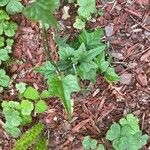
Cocculus carolinus
Carolina coralbead · Carolina moonseed · Carolina snailseed · Coralbead · Coralberry
Description
Source: leafsnapCocculus carolinus, commonly known as Carolina snailseed or coralbean, is a woody vine belonging to the Menispermaceae family. Native to the southeastern United States, this plant thrives in various habitats such as forests, swamps, and wetlands. It has a twining growth habit and can climb up to 30 feet in height. The leaves of Cocculus carolinus are alternate and heart-shaped with pointed tips. They are dark green with prominent veins. The plant produces small greenish-yellow flowers that bloom from May to July. The fruit of Cocculus carolinus is a bright red drupe that resembles a snail's shell, hence the common name "snailseed." These fruits contain one or two seeds, which are toxic if ingested. Native Americans have utilized Cocculus carolinus for medicinal purposes for centuries. The plant contains alkaloids such as picrotoxin, which have been used as an insecticide and also possess medicinal properties like anticonvulsant effects. Overall, Cocculus carolinus is a fascinating plant with unique features, including its twining growth habit, heart-shaped leaves, bright red snail-like fruits, and medicinal properties. It plays a significant role in the ecosystem it inhabits.
🌳 Carolina Snailseed occupies a distinct ecological niche, frequently serving as habitat for numerous insect and bird species that depend on it for food and shelter. Intriguingly, the occurrence of Carolina Snailseed in a particular area can sometimes signal specific soil conditions, such as the presence of certain minerals, supplying invaluable information for ecological surveying and conservation efforts.
🎭 Joint growth and holding something firmly together
Care Guide
💧 Water Every 7 days
The Carolina coralbead thrives in environments similar to its native habitat, which offers a mix of both moisture and dryness. It is drought-tolerant and only needs to be watered about once every three weeks. This makes it ideal for gardens that focus on water conservation. The Carolina coralbead is particularly well-suited to temperate regions where rainfall occurs seasonally.
How should I water my Carolina coralbead in the best way?
To ensure excellent root development, it is recommended to place a garden hose at the base of the plant. Avoid spraying the leaves directly, as this could be harmful. If the plant is outdoors and exposed to direct sunlight, the leaves may require more watering. Using bubblers or soaker hoses can help moisten the roots effectively. When adding or removing plants, consider using soaker hoses that cover the entire garden or bed to ensure deep root penetration. After watering, make sure to drain any excess water and wait for the soil to dry before watering again. To prevent diseases, it is best to water at ground level. On sunny days, it can be beneficial to spray the entire bush with water. Whether the plant is potted or in-ground, keep in mind that Carolina coralbead prefers deep watering instead of light sprinkling.
What should I do if I give Carolina coralbead too much water or too little water?
An overwatered Carolina coralbead might have yellowing leaves that eventually drop off and wilt. The plant can also look unhealthy with mushy stems. If you notice these signs, it's important to adjust your watering schedule. Conversely, wilting can also indicate under watering, where the leaves become crispy and dry. In this case, check the soil and if it is dry, provide a thorough watering. However, even with sufficient water, the plant may still have dry, yellow leaves due to damage to the root system. Once the plant recovers, the yellowing will stop. Indoors, always check the moisture levels and avoid overwatering, looking out for black spots, in which case, let the soil dry out for a few days. Overwatering can lead to root rot, so it may be necessary to transfer the plant to a different pot if you notice discolored and slimy roots. Take precautions to prevent root rot and avoid keeping the soil too soggy. When planting the Carolina coralbead outdoors, dig a little deeper and if the soil feels dry, it may indicate under watering. Adequate watering is necessary for the plant's recovery.
How often do I need to water my Carolina coralbead plant?
The Carolina coralbead prefers deep and infrequent watering. This is especially important when they are planted in pots because the water storage is limited and the soil tends to dry out quickly. If you live in a cold region, you should water them every 3 to 5 days. It's best to water them early in the morning when the soil is dry, whether they are outdoors or indoors. You can check if watering is needed by feeling the soil inside the pot - if the top 2-3 inches are dry, it's time to water the plant thoroughly. On hot days, you may need to check the moisture levels daily as the heat can quickly dry out the potting soil. If you have a garden, you will also need to irrigate the soil. In a hot climate, watering once a week should be sufficient. Only water the plants when you notice that about 2 to 3 inches of soil have become too dry, indoors or outdoors. Take into consideration the amount of rainwater the plant receives and avoid overwatering to prevent root rot. If there is ample rainfall, you may not need to provide additional watering. Carolina coralbead typically grows during spring and fall. When planted outdoors, it's beneficial to add a layer of mulch that is about 3 to 4 inches deep to help conserve water. Sandy soil requires more frequent watering as it drains faster, while clay soil needs less frequent watering - you can let it dry out for 2-3 days before watering again to avoid root rot. To keep track of watering, you can mark the dates on a calendar and pay attention to any drooping leaves, which may indicate that you need to water the plant sooner.
How much water should I give my Carolina coralbead?
The Carolina coralbead generally needs about a gallon of water on a regular basis. For potted plants, water them deeply until water drips from the bottom of the pot. Wait for the soil to dry before watering again. You can use a water calculator or moisture meter to track how much water you give your plant each week. During the flowering period, provide plenty of water but let it evaporate to avoid root rot. If the Carolina coralbead is planted outdoors and receives sufficient rainfall, additional watering may not be necessary. For young or newly planted Carolina coralbeads, ensure they receive 1-2 inches of rain each week. As the plant grows, it can rely solely on rainfall. However, in very hot weather or when there is no rainfall for 2-3 weeks, consider giving a full watering during cooler times of the day to prevent heat damage. Additional watering may be needed during prolonged dry spells.
Do I need to change how often I water my Carolina coralbead depending on the time of year or weather conditions?
To ensure the proper care of Carolina coralbead plants, it is important to understand their watering needs. These plants thrive in outdoor conditions, relying on rainfall for moisture. Generally, they only require additional watering during persistent dry spells. During the spring and fall growing seasons, it is important to keep the soil consistently moist, but not overly saturated. Alternating between dry and moist soil conditions will promote healthy growth. In the summer, hot weather causes water to evaporate quickly, so extra watering may be necessary if there is a lack of rainfall. In contrast, Carolina coralbeads typically require less water during the winter, as they go dormant and drop their leaves. During this time, it is beneficial to use well-draining soil and containers to help water evaporate faster. Once the plant starts to grow and go dormant, watering can be skipped as they can rely on fall and winter rains to survive. When the temperature warms up in the spring, the plants can be encouraged to bloom through regular cultivation. It is important to maintain good drainage throughout the year, especially in winter, as the plants do not tolerate excessive water. If the plants are potted, they have limited root growth and should be watered more frequently, especially during summer. It is best to ensure that the entire root system receives a deep soak once or twice a week, depending on weather conditions, rather than shallow sprinkles that may encourage fungal growth. Additionally, it is important to avoid letting the plants dry out completely in the fall and winter, even during dormancy. Overwatering should also be avoided, as Carolina coralbeads are susceptible to root rot. Applying mulch can help reduce stress, conserve water, and promote healthy blooms.
☀️ Light Full sun
Carolina Snailseed does best in locations that get full sunlight for much of the day. It can tolerate areas with a moderate amount of sun, but not places that are completely shaded. Being in open, sunlit habitats supports its healthy development. However, too much sun can be harmful and cause leaf scorch, while too little light can limit its growth and flowering.
What are the sunlight requirements for Carolina coralbead?
Carolina coralbead requires comprehensive exposure to sunlight for optimal growth, thriving best in areas that receive abundant sunlight throughout the day. It can also survive in regions with a moderate level of sun but not in complete shade. This plant, native to environments with plenty of sunlight, shows improved health and growth when exposed adequately. However, too much sunlight can cause leaf burns, while insufficient sunlight may impede its growth and flowering. The plant needs full sun, defined as more than 6 hours of sunlight daily, or partial sun, about 3-6 hours of sunlight. It's essential to watch how sunlight moves through your garden, choosing spots that offer the ideal balance between light and shade for the well-being of your plants.
How can artificial lighting be used for Carolina coralbead indoors?
When natural sunlight is not sufficient, especially during winter or in less sunny spaces, artificial lighting becomes a crucial solution for supporting optimal growth of Carolina coralbead indoors. Indoor plants benefit greatly from the right type of light, such as LED lights, which can be tailored to provide specific light wavelengths needed by your plants. The correct setup involves a light intensity of 30-50W/sq ft for full sun plants, 20-30W/sq ft for partial sun plants, and 10-20W/sq ft for full shade plants. Position the artificial light source 12-36 inches above the plant, mimicking natural sunlight conditions, and ensure the plant receives 8-12 hours of light per day to promote healthy growth.
What are the symptoms of inadequate sunlight for Carolina coralbead?
Carolina coralbead may exhibit several symptoms when not receiving adequate sunlight, including smaller new leaves than previous ones, leggy or sparse growth due to elongated spaces between leaves or stems, and a rapid drop of older leaves as a resource conservation measure. Growth may halt or slow down significantly, and new leaves might appear lighter or pale, indicating a lack of chlorophyll and essential nutrients. In cases of overexposure to sunlight, symptoms like chlorosis, sunscald, leaf curling, wilting, and leaf scorching can manifest, highlighting the plant's struggle to adapt to suboptimal light conditions.
What solutions are available for Carolina coralbead struggling with light conditions?
To ensure Carolina coralbead's optimal growth under suboptimal light conditions, gradual acclimatization to sunlight is key. For indoor plants, moving them to sunnier locations progressively or utilizing south-facing windows can be beneficial. If the plant is too large or immobile, supplementing with artificial lighting for at least 8 hours daily can be effective, with professional grow lights as an ideal solution. Outdoors, transitioning plants to areas with better sunlight exposure gradually helps prevent sunburn. It's also beneficial to reduce any obstructions that limit sunlight, such as by pruning trees, and for smaller plants, considering transplantation during their dormant period to a sunnier spot with good drainage improves sunlight accessibility. Note that parts of the plant affected by insufficient sunlight may not recover, but increasing light exposure will promote healthy new growth.
🌡️ Temperature 5–35°C
The Carolina Snailseed prefers a temperature range of 41 to 95 ℉ (5 to 35 ℃) and is well adapted to the climate of its native growing environment. In cooler months it benefits from somewhat lower temperatures of about 50 to 68 ℉ (10 to 20 ℃). During warmer months it can tolerate temperatures up to 95 ℉ (35 ℃).
What is the ideal temperature range for Carolina Coralbead?
The Carolina Coralbead plant thrives in a temperature range of 41 to 95 °F (5 to 35 °C), which matches its natural habitat's climate. During the cooler months, it prefers temperatures between 50 to 68 °F (10 to 20 °C), while in warmer months, it can withstand up to 95 °F (35 °C). This plant has notable cold resistance, meaning it usually doesn't require special frost protection in winter. However, if winter temperatures are expected to fall below the plant's cold tolerance limit, it's essential to wrap the trunk and branches with insulating materials such as non-woven fabric or cloth and water the plant thoroughly before the first freeze of autumn to keep the soil moist.
How does cold weather affect the Carolina Coralbead and what are the solutions?
Carolina Coralbead is resilient to cold and performs best when temperatures are kept above its minimum growth threshold. If winter temperatures dip below this limit, while the plant might appear unchanged during winter, its branches could turn brittle and dry by spring, failing to produce new shoots. The remedy for this situation is to prune any dead branches in the spring to stimulate new growth and maintain the plant's health.
What should be done if the Carolina Coralbead experiences high temperatures?
In the summer, it's critical to ensure the Carolina Coralbead is not subjected to temperatures exceeding its maximum tolerance. Excessive heat can cause the leaves to lighten in color, the tips to dry and wither, and increases the risk of sunburn. To protect the plant, remove the sunburned and dried parts, and relocate it to a shaded area during the harshest midday and afternoon sun. Alternatively, a shade cloth can provide necessary protection. Adequate watering in the morning and evening is also advisable to maintain soil moisture and help the plant cope with the heat.
💨 Humidity
🪴 Soil 6-7
🌱 Fertilizer
Fertilize your Carolina Snailseed in early spring to encourage healthy growth. Regular feeding improves overall health, resulting in robust growth, increased tolerance of harsh conditions, and enhanced resistance to pests and diseases. Follow a consistent fertilization routine for your Carolina Snailseed to keep the foliage vibrant with deep color and a lush appearance.
🪴 Pot & Repot Every 12 months
✂️ Pruning
🌿 Propagating
🐛 Diseases & pets
☠️ Toxicity
Characteristics
- Plant Type
- Vine
- Life Cycle
- Perennial
- Genus
- Cocculus
- Family
- Menispermaceae
- Hardiness Zone
- 5-9
- Mature Height
- 3.05 m to 4.27 m
- Mature Spread
- 1.52 m to 1.83 m
- Leaf Color
- Green
- Leaf Type
- Deciduous
- Flower Color
- White
- Flower Size
- 2.54 cm
- Bloom Time
- Late spring, Early summer, Mid summer
- Planting Time
- Spring
- Harvest Time
- Mid summer
- Native Area
- Mexico