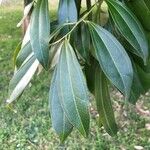
Cocculus laurifolius
Laurel-Leaf Snailseed · Laurel-leaved snailseed · Platter-leaf
Description
Source: leafsnapCocculus laurifolius, commonly known as the Laurel-leaved Snail Creeper, is a woody climbing plant belonging to the Menispermaceae family. Native to India and Southeast Asia, this plant can be found in tropical and subtropical regions. It features glossy, dark green leaves that are oval-shaped with pointed tips. The small white flowers with yellow centers bloom in clusters during the summer months. Cocculus laurifolius is renowned for its medicinal properties, as it contains alkaloids that have been used for centuries in traditional medicine to treat various ailments such as fever, diarrhea, dysentery, and skin diseases. Additionally, it has been employed as an insecticide due to its toxic properties. Beyond its medicinal uses, Cocculus laurifolius is also cultivated for ornamental purposes, thanks to its attractive foliage and flowers. It can be grown on trellises or walls, where it climbs using tendrils. Overall, Cocculus laurifolius is a versatile plant with both medicinal benefits and ornamental value, making it a fascinating addition to any garden or landscape design project.
Care Guide
💧 Water Every 7 days
Laurel-leaf snailseed hails from warm understory regions and is moderately drought-tolerant. It should be watered every 1-2 weeks. The plant thrives outdoors, where the humidity is stable, and it requires consistent soil moisture, especially during its active growing season, to maintain its evergreen foliage.
How should I water my Laurel-leaf snailseed plant?
When watering your Laurel-leaf snailseed, you can use any common watering tool like cans, hoses, or even cups. It's important to apply the water directly to the soil, making sure all areas are evenly moistened to provide water for the entire root system. Filtered water is recommended to avoid harmful particles present in tap water. Additionally, using water at or slightly above room temperature is beneficial as very cold or hot water can shock the plant. However, the Laurel-leaf snailseed generally responds well to any type of water.
What should I do if I give my Laurel-leaf snailseed plant too much or too little water?
Outdoor plants, especially newly planted ones or seedlings, can easily suffer from lack of watering. It is important to ensure that you water them adequately for the first few months, particularly when the tree is small or recently planted. Once the roots are established, Laurel-leaf snailseed plants can generally rely on rain for hydration. When growing Laurel-leaf snailseed in pots, be cautious of overwatering. If you accidentally overwater your plant, take immediate action to address the issue. Stop watering the plant right away to minimize the impact of overwatering. Then, remove the plant from its pot to examine its roots. If there are no signs of root rot, you can return the plant to its container. However, if you do find signs of root rot, trim away the affected roots and consider applying a fungicide to prevent further damage. Finally, repot the Laurel-leaf snailseed in well-draining soil. In the case of underwatering, simply water the Laurel-leaf snailseed plant more frequently. Underwatering is usually easily resolved. If you notice drooping, drying, or falling off of leaves, increasing the frequency of watering will help. Make sure to adjust your watering schedule promptly when you observe signs of underwatering.
How often do I need to water my Laurel-leaf snailseed plant?
Most plants can grow naturally outdoors with rainwater. However, if your area lacks rainfall, you should water your plants every 2 weeks in the spring and fall. In the summer, you will need to water them more frequently. In the winter, when growth slows down and plants require less water, you should water them sparingly, or not at all. If your Laurel-leaf snailseed is young or newly planted, you should water it more often to help it establish and eventually become more adaptable to drought. For potted plants, there are two main approaches to determining watering frequency for your Laurel-leaf snailseed. The first is to follow a set watering schedule, such as once a week or every other week. However, this may not always account for the specific conditions of your plant's growing environment. Watering frequency should also be adjusted based on the season. During the summer, when the plant's water needs are highest, a set schedule may not be sufficient. An alternative approach is to water based on soil moisture. Wait until the top two to four inches of soil, about one-third to half of the pot's depth, have completely dried out before watering again.
How much water does my Laurel-leaf snailseed plant need?
Watering your Laurel-leaf snailseed may not require a lot of water. If only a few inches of soil have dried since your last watering, give it about five to ten ounces of water each time. Take note of how many inches of soil have dried out between waterings. To ensure that your plant gets enough moisture, water enough to moisten all the dry layers of soil. If more than half of the soil is dry, give it more water until excess water drains from the pot's holes. If the plant is in a rainy outdoor area, it may not need extra watering. For young or newly established plants, give them 1-2 inches of rain per week. As the plant grows, it can survive solely on rainwater. Only water it fully when the weather is hot and there's been no rainfall for 2-3 weeks to prevent stress.
How do I know if I'm giving enough water to my Laurel-leaf snailseed?
The Laurel-leaf snailseed is often overwatered, which can be identified by yellowing leaves, leaf loss, and shriveling of the plant structure. Overwatering can also lead to root rot. On the other hand, underwatering shows wilted leaves, browning, and brittle leaves. Regardless of overwatering or underwatering signs, intervention is necessary to restore the health of the Laurel-leaf snailseed.
☀️ Light Full sun
Laurel-leaf snailseed thrives with ample sunlight, which supports its growth. It can tolerate lower light levels, but its development will likely be comparatively slower. When growing in bright locations, it may show undesirable symptoms if exposed to either too much or too little sun.
What are the sun requirements for Laurel-leaf snailseed?
Laurel-leaf snailseed requires ample sunlight to flourish, thriving best in full sun conditions, which means it needs more than 6 hours of sunlight daily. However, it can also adapt to partial sun, receiving about 3 to 6 hours of sunlight. It's essential to observe how sunlight moves through your garden to find spots that offer a perfect balance between light and shade, ensuring the plant's well-being and happiness.
Can Laurel-leaf snailseed grow with artificial lighting?
Yes, Laurel-leaf snailseed can grow with artificial lighting, especially useful in conditions where natural sunlight is insufficient, like during winter or in less sunny indoor spaces. The right type of artificial light, such as LED lights, can be customized to provide specific wavelengths needed by the plants. Full sun plants require 30-50W per square foot, partial sun plants need 20-30W per square foot, and full shade plants need 10-20W per square foot of artificial light. The artificial light source should be placed 12-36 inches above the plant to mimic natural sunlight, and the duration should mimic natural daylight hours, typically between 8-12 hours per day.
What are the symptoms of light deficiency in Laurel-leaf snailseed?
When Laurel-leaf snailseed doesn't receive enough light, it shows several symptoms. New leaves might grow smaller, and the plant can become leggy or exhibit sparse growth due to longer spaces between leaves or stems. It may lose leaves more quickly, trying to conserve resources, which leads to slower or no new growth. Insufficient light also results in lighter-colored or pale new leaves due to a lack of chlorophyll and essential nutrients. These symptoms indicate that the plant requires better light conditions to avoid further stress and potential damage.
How do you address excessive sunlight exposure symptoms in Laurel-leaf snailseed?
Excessive sunlight can lead to symptoms like chlorosis, where leaves lose their green color and turn yellow; sunscald, characterized by pale, bleached, or necrotic areas on the plant; leaf curling as a defense mechanism against overexposure; wilting due to loss of water through transpiration; and leaf scorching, seen as brown, dry edges on leaves. Mitigating these issues involves gradually acclimating the plant to its environment and ensuring it receives the right amount of light without sudden changes in exposure that could result in damage.
What solutions are available for light-related issues in Laurel-leaf snailseed?
To combat light-related issues in Laurel-leaf snailseed, consider gradually moving the plant to a location with better sunlight for both indoor and outdoor plants, ensuring at least 6 hours of direct sunlight daily. For indoor plants, use a south-facing window or artificial lighting like desk or grow lights for at least 8 hours daily. Outdoors, allow plants time to adapt to sunnier spots. If sunlight is obstructed, for ground plants, pruning or transplanting during dormant periods could improve light exposure. It's crucial to note that areas of the plant damaged by insufficient light may not recover, but new growth will be healthy with improved light conditions.
🌡️ Temperature 15–37.8°C
Laurel-leaf snailseed is fairly adaptable to temperature, able to endure high heat and wide temperature fluctuations. In hot conditions, care should be taken with watering and providing proper shade to avoid sunburn. Conversely, its tolerance of low temperatures is relatively limited. It can tolerate some cold, but extremely low temperatures may cause frost damage.
💨 Humidity
🪴 Soil 6-7
🌱 Fertilizer
Fertilize your Laurel-leaf snailseed in early spring to support healthy growth. Regular feeding boosts overall health, leading to vigorous growth, increased tolerance of harsh conditions, and enhanced resistance to pests and diseases. Maintain a specific fertilization schedule for your Laurel-leaf snailseed to preserve vibrant foliage with rich color and a lush look.
Why is it necessary to put fertilizer on my Laurel-leaf snailseed?
No matter what type of Laurel-leaf snailseed you have, regularly fertilizing it will improve its overall health. Supplying the proper nutrients will result in stronger growth and make your plant more resilient to difficult growing conditions. It will also enhance its ability to fight off diseases and pests. Since the foliage of the Laurel-leaf snailseed is its attractive feature, it's important to maintain it. This means following a specific fertilization schedule for your snailseed to promote deep, colorful leaves and an overall lush appearance.
When should I put fertilizer on my Laurel-leaf snailseed plant?
To ensure healthy growth for your Laurel-leaf snailseed, it is recommended to fertilize it for the first time in late winter or early spring. This provides essential nutrients that help the plant thrive once the weather becomes warmer. In warm climate regions, it is also beneficial to give your Laurel-leaf snailseed an additional fertilizer feeding in early fall. This not only adds nutrients to the soil for the next growing season but also improves the plant's ability to withstand the cold winter without leaf damage. Early fertilization allows new branches to grow strong enough to withstand the winter chill.
When is it not a good idea to fertilize my Laurel-leaf snailseed plant?
To ensure proper care for your Laurel-leaf snailseed, avoid fertilizing it at certain times of the year. Firstly, during the early and mid-winter months, the snailseed is dormant and does not require feeding. Secondly, it is not advisable to fertilize this plant throughout late spring and the entire summer, as these seasons tend to be hotter and drier. Fertilizing during this time may negatively affect the plant's health. To avoid any potential issues, establish a fertilization routine of feeding only in early spring and early fall.
Which fertilizer should I use for my Laurel-leaf snailseed?
The Laurel-leaf snailseed primarily requires nitrogen, but phosphorus and potassium are still important. A balanced fertilizer like 10-10-10 should suffice, as it provides all three nutrients. However, a more precise nutrient ratio can lead to optimal growth. Fertilizers with higher nitrogen content, such as 10-6-4, tend to work well. You can use either granular or liquid-based fertilizer when feeding your plant.
How should I fertilize my Laurel-leaf snailseed?
To fertilize your Laurel-leaf snailseed, you have two options: granular fertilizer or liquid fertilizer. With granular fertilizer, simply sprinkle it on the soil at the right time. This type of fertilizer releases nutrients slowly over time, so it's important to water your plant lightly before applying it. If you choose to use liquid fertilizer, mix it with water and pour it around the base of your snailseed. However, this method is less commonly used. Before fertilizing, it can be helpful to conduct a soil test to determine if any pH adjustments are needed.
🪴 Pot & Repot
✂️ Pruning
Laurel-leaf snailseed is an evergreen plant that requires pruning in the winter months while it is dormant. Start by removing any dead branches, then thin out dense areas to improve air circulation. Be careful not to over-prune, as this can stress the plant. Proper pruning will enhance its aesthetic appeal and promote vigorous growth throughout the year.
🌿 Propagating
🐛 Diseases & pets
☠️ Toxicity
Characteristics
- Plant Type
- Tree, Shrub
- Life Cycle
- Perennial
- Genus
- Cocculus
- Family
- Menispermaceae
- Hardiness Zone
- 8-11
- Mature Height
- 7.62 m
- Mature Spread
- 7.62 m
- Leaf Color
- Dark Green
- Leaf Type
- Evergreen
- Flower Color
- White, Green
- Flower Size
- 1.02 cm to 5.08 cm
- Bloom Time
- Late spring, Early summer
- Planting Time
- Spring, Summer, Autumn, Winter
- Harvest Time
- Late summer, Early fall, Mid fall
- Native Area
- Nepal, India, Indonesia, Cambodia, Vietnam, Myanmar, Japan, Philippines, Bhutan, Laos, Thailand, China