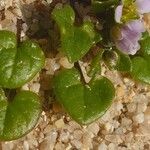
Cochlearia danica
Danish Scurvy Grass · Danish scurvygrass · Danish Spoonwort · Early Scurvy-grass · Early scurvygrass
Description
Source: leafsnapCochlearia danica, or Danish scurvygrass, is a flowering plant of the genus Cochlearia in the family Brassicaceae. A salt-tolerant (normally) coastal plant which is now flourishing along roads and motorways in Europe, especially under the crash barriers in the central reservation. Its success has been attributed to its ability to survive the effects of salts distributed by gritters in winter and its small seeds being spread by the high speed of cars in the fast lane.Full of vitamin C, it gets its name from sailors chewing it to avoid scurvy. The mauve flowers are 4-5mm in diameter.
Care Guide
💧 Water
Danish scurvy-grass flourishes in salty, damp coastal environments. It prefers consistent moisture and can tolerate short periods of dryness. For the best results, water it weekly, and consider increasing humidity if growing it indoors. During its active growing season, it's crucial to keep the soil adequately moist to support healthy growth.
How should I water my Danish scurvy-grass to make sure it grows well?
There are several ways to water Danish scurvy-grass, such as using a garden hose with a spray nozzle or a watering can. This plant is not too picky about the water source and can thrive on rainwater, tap water, or filtered water. However, it is important to avoid watering from overhead as this can damage the leaves and flowers and may cause disease. A drip irrigation system is often the best method for watering Danish scurvy-grass as it provides even and direct water to the soil. If you are growing Danish scurvy-grass in a container, you can use a cup, watering can, or tap to water the plant directly at the soil.
What should I do if I give my Danish scurvy-grass too much or too little water?
To prevent underwatering Danish scurvy-grass, it is important to water it regularly when you notice it lacks moisture. However, overwatering can be a more serious problem that can lead to diseases and the plant's decline. To avoid overwatering, choose a growing location that receives plenty of sunlight to dry the soil and has good drainage. If you overwater your Danish scurvy-grass in a pot, consider transferring it to a new pot with better drainage and loose soils.
How often should I water my Danish scurvy-grass plant?
To keep your Danish scurvy-grass healthy, it's important to water it regularly. In the spring, watering once a week should be sufficient. However, as the weather gets warmer, you may need to increase the frequency to two or three times per week. Be careful not to overwater, as this can harm the plant. Regardless of how often you water, make sure the soil remains moist but not soggy. When it comes to potted Danish scurvy-grass, the soil can dry out faster, so you'll likely need to water it more frequently, aiming for a few times per week. In contrast, in-ground plants can be watered just once per week.
How much water does my Danish scurvy-grass require?
To determine how much water to give your Danish scurvy-grass, there are a few approaches you can take. One option is to gauge the moisture in the soil by feeling it. In this method, you would water until the top six inches of soil feel damp. Alternatively, you could use a specific measurement as a guide. Typically, Danish scurvy-grass requires about two gallons of water per week. However, this can vary depending on factors like temperature and soil dryness. It's important to avoid overwatering if your plant needs less than two gallons per week for any reason. If you're growing Danish scurvy-grass in a container, the approach differs slightly. In this case, you should aim to moisten all the dry layers of soil, which you can test by inserting your finger into the soil to check for moisture. Another clue is to water until you see a small amount of excess water draining out of the pot's drainage holes.
How can I know if I'm giving enough water to my Danish scurvy-grass?
Avoiding overwatering your Danish scurvy-grass can be a bit tricky. They have deep roots that need weekly watering, but they are also prone to root rot and browning if overwatered. Underwatering is less of a concern as these plants can survive without additional watering for some time. However, if you wait too long to water, the plant may wilt and the leaves may become dry.
☀️ Light Full sun
Danish scurvy-grass is native to bright, open habitats where it performs best in full sun. It can tolerate partial sun but favors direct sunlight for optimal growth. This plant, annual and biennial in habit, is recognized for its sun-loving nature.
🌡️ Temperature 5–35°C
Danish scurvy-grass is native to areas where temperatures range from 68 to 95°F (20 to 35℃). It prefers this moderately warm interval and displays its best growth and vigor there. Across different seasons, careful temperature adjustments may be required to replicate that environment.
What is the optimal temperature range for Danish scurvy-grass?
Danish scurvy-grass, known botanically as Cochlearia danica, thrives in climates where temperatures range from 68 to 95°F (20 to 35°C). This moderate, yet warm range is where the plant shows its optimal growth and vitality. Adjusting temperatures to mimic this environment through various seasons can promote the health and growth of the plant.
What cold protection measures should be taken for Danish scurvy-grass?
Danish scurvy-grass possesses strong cold resistance, and special frost protection measures are generally not necessary. However, if winter temperatures are anticipated to drop below -25°C, it's important to provide the plant with cold protection. This can be done by covering the plant with insulating materials like soil or straw. It's also recommended to water the plant abundantly before the first freeze in autumn to ensure the soil remains moist and enters a frozen state, preventing drought and water scarcity during winter and early spring.
How does low temperature affect Danish scurvy-grass and what are the solutions?
Danish scurvy-grass is cold-tolerant and functions best when temperatures are above 20°C. During winter, it's advised to keep the plant above 0°C to prevent damage. If temperatures fall below -25°C, there might not be noticeable changes during winter, but it could lead to a decrease in sprouting or even a failure to sprout in spring. The solution for any parts that have failed to sprout in spring is their removal, to encourage new growth and health of the plant.
How does high temperature affect Danish scurvy-grass and what are the solutions?
During the summer, it's essential to ensure that Danish scurvy-grass is kept below 35°C. Exposure to temperatures exceeding 38°C can cause the plant's leaves to lighten in color, become prone to curling, suffer from sunburn, and in severe cases, the entire plant may wilt and dry out. To mitigate these issues, trim away sunburned and dried-up parts of the plant. Relocate the plant to a location with shade from the midday and afternoon sun or utilize a shade cloth to protect it. Watering in the morning and evening will help keep the soil moist and protect the plant from heat stress.
💨 Humidity normal (40-60%)
This plant will thrive in moderate humidity, which is probably the level in your home. However, misting it a few times a week can be very beneficial. Make sure the room has good ventilation.
🪴 Soil 6-7
🌱 Fertilizer
Danish scurvy-grass benefits from regular, light applications of fertilizer to encourage healthy leaf development. You should feed Danish scurvy-grass about once a month during the summer. Nitrogen is important for foliage, and supplementing with nitrogen-rich sources helps Danish scurvy-grass thrive.
🪴 Pot & Repot
✂️ Pruning
Danish scurvy-grass benefits greatly from pruning, which can be done from early to late spring. This process encourages healthy growth and abundant flowering. To care for the plant, trim away any dead stems, thin out crowded areas to improve air circulation, and prune after flowering to maintain its shape. Regular pruning helps the plant stay vigorous, reduces the risk of disease, and keeps its appearance neat and tidy.
🌿 Propagating
🐛 Diseases & pets
☠️ Toxicity
Characteristics
- Plant Type
- Herb
- Life Cycle
- Annual, Biennial, Perennial
- Genus
- Cochlearia
- Family
- Brassicaceae
- Hardiness Zone
- 5-9
- Mature Height
- 3 cm to 15 cm
- Mature Spread
- 10 cm to 20 cm
- Leaf Color
- Green
- Leaf Type
- Semi-evergreen
- Flower Color
- White
- Flower Size
- 0.51 cm to 0.51 cm
- Bloom Time
- Spring
- Planting Time
- Spring, Summer
- Harvest Time
- Late spring, Early summer, Mid summer
- Native Area
- Russia, Norway, Germany, Sweden, Spain, Denmark, Netherlands, Finland, Estonia, France, Ireland, United Kingdom, Belgium, Portugal