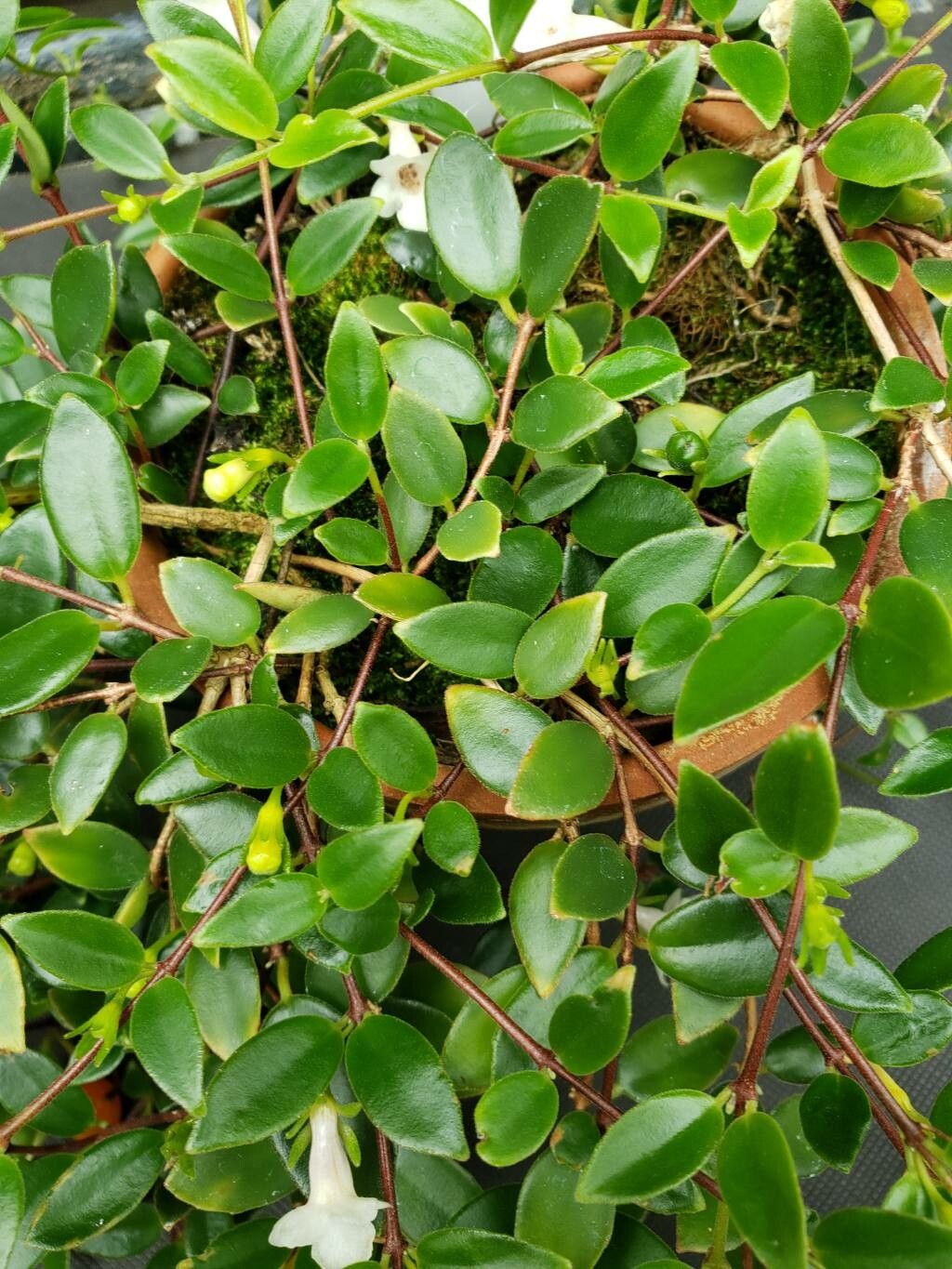
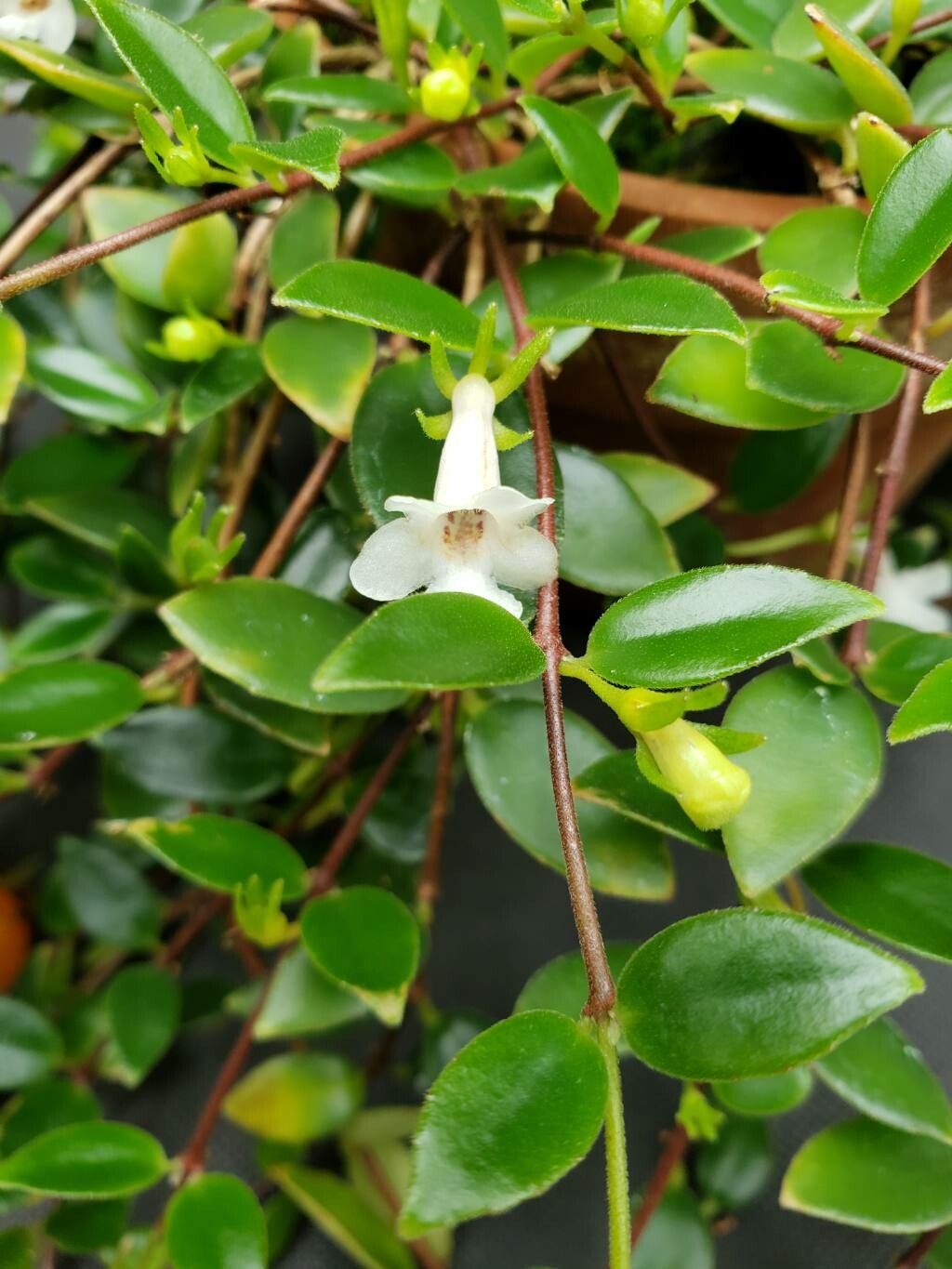
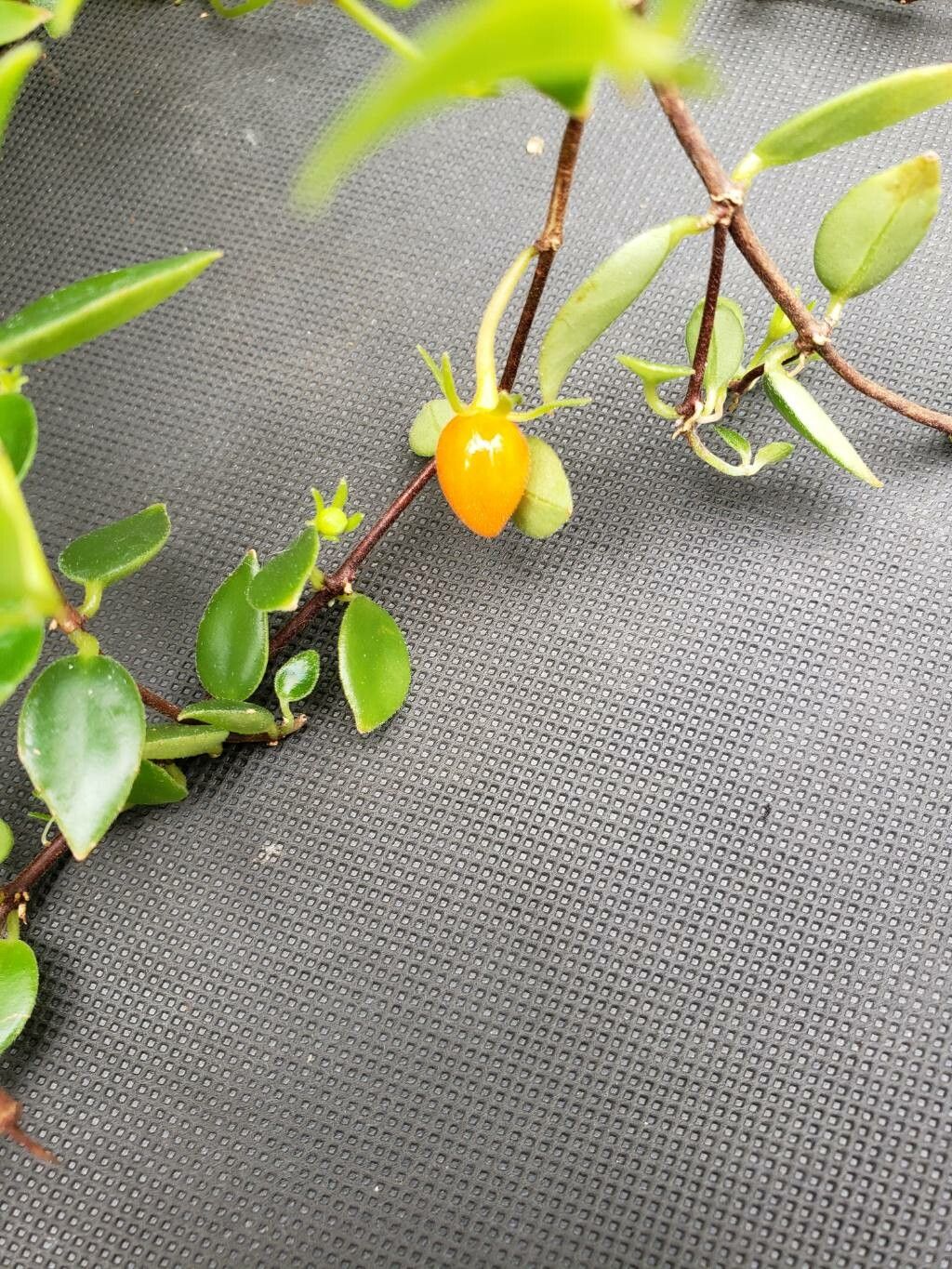
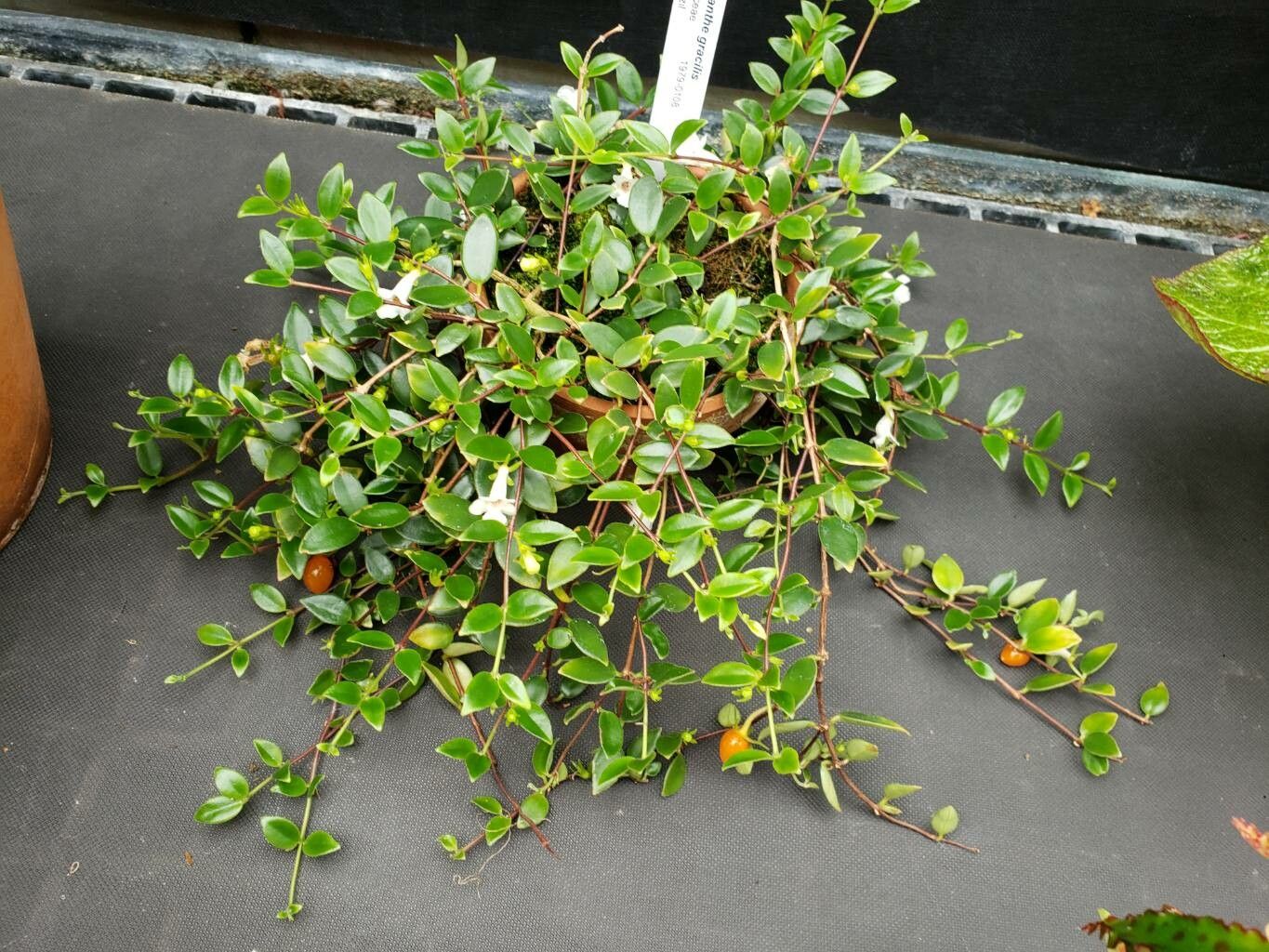
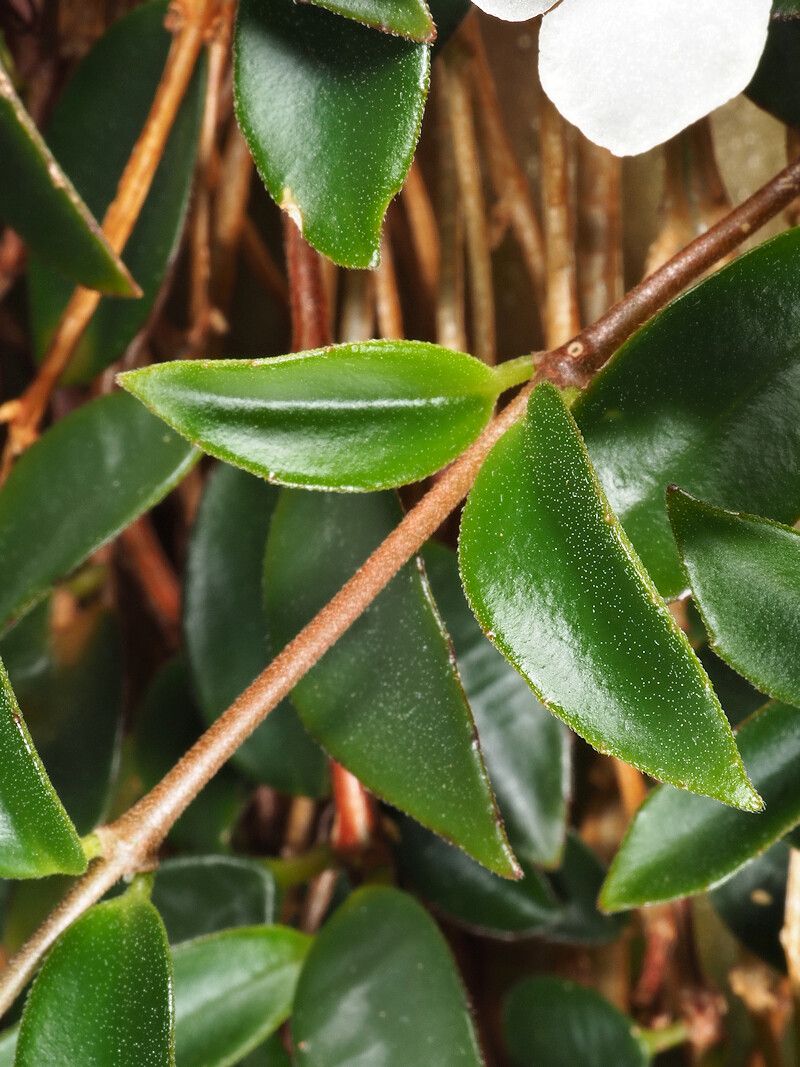
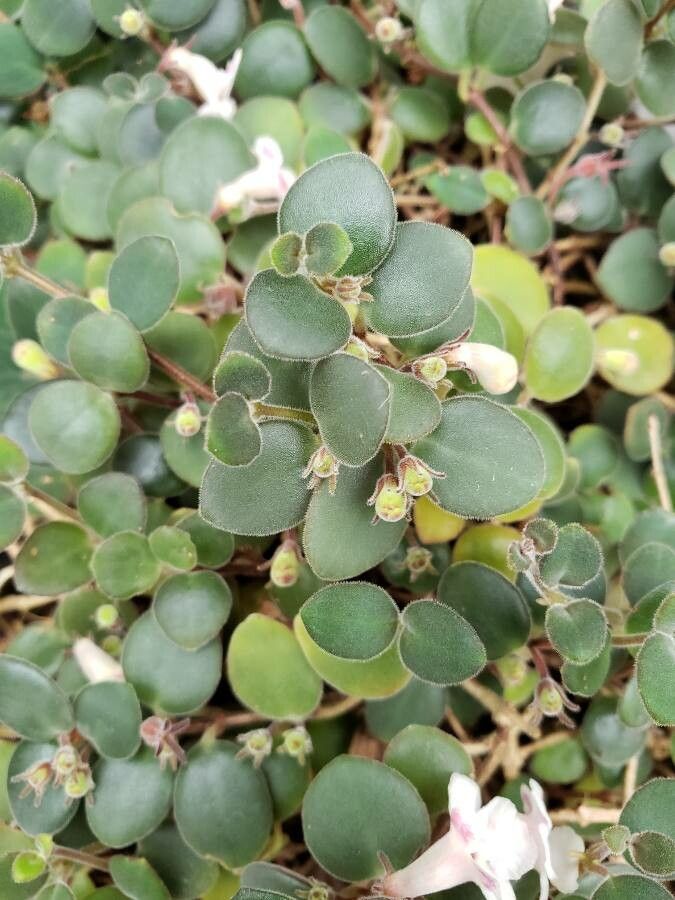
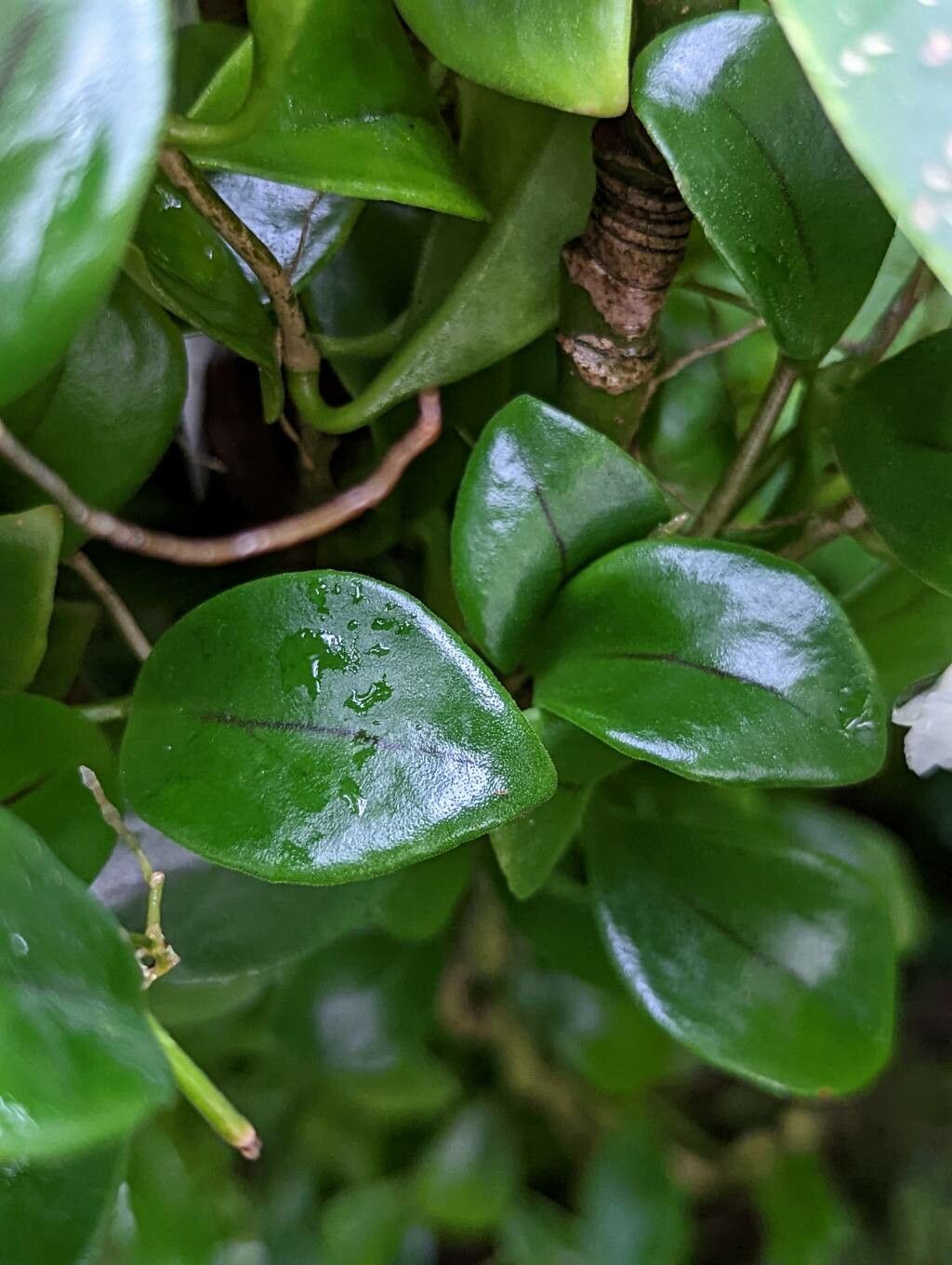
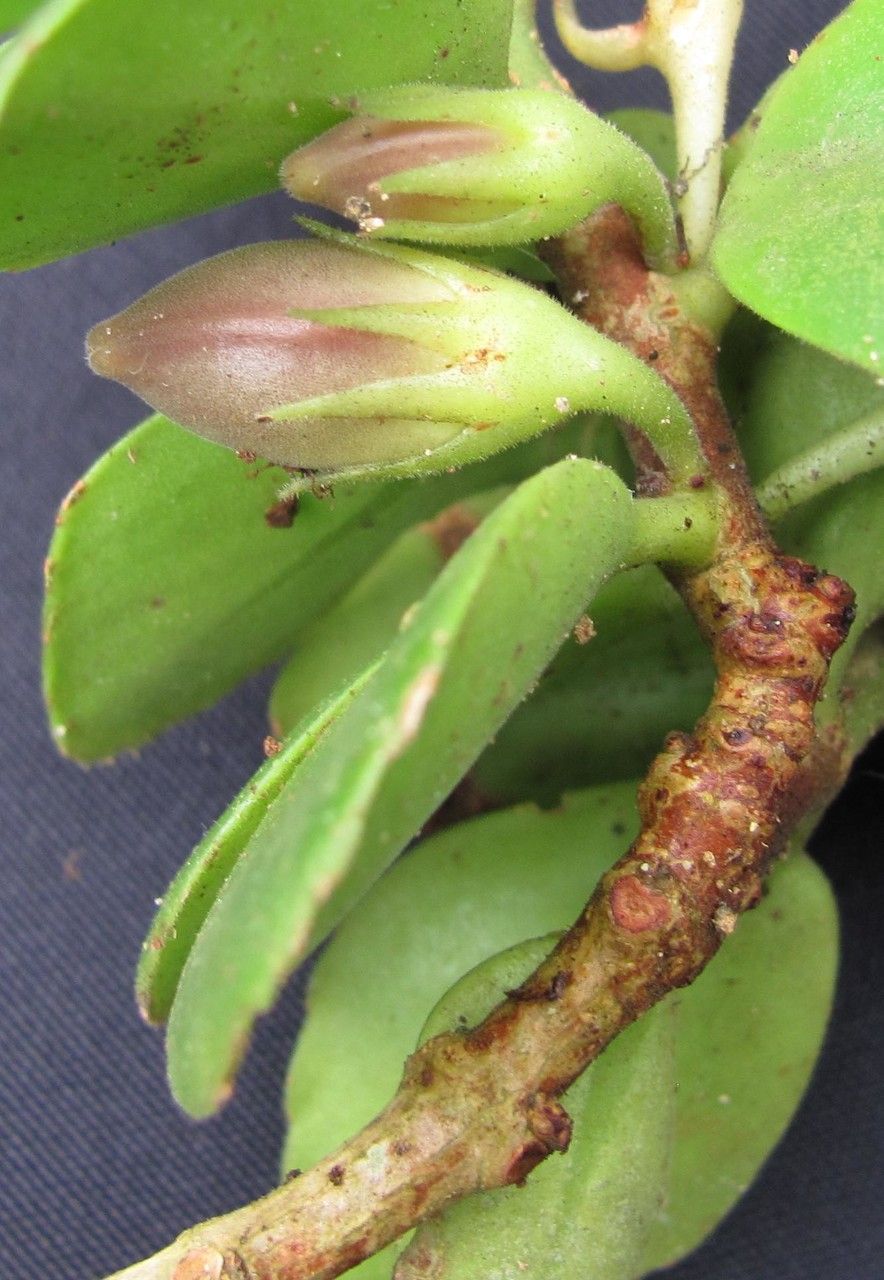
Condonanthe gracilis has good disease resistance and is generally not susceptible to illnesses. However, it can be vulnerable to leaf spots when light and ventilation are poor and watering is excessive. The plant's care level is considered easy, as it only needs regular watering and not much attention otherwise. Condonanthe gracilis is suitable for people who do not have the time and energy to devote to regular care.
How to keep Codonanthe Gracilis.
Light
Condonanthe gracilis grows best with a balance of sun and shade and can tolerate considerable sunlight. In its natural environment it does well where the light is somewhat filtered. Excessive sun can scorch its leaves, while too little light can slow its growth. Adjusting to different light levels at various stages is important for its strong development.
Water
Conandron gracilis, a plant that thrives in humid tropical environments, efficiently absorbs moisture and is also drought-tolerant, allowing it to flourish with consistent humidity. To promote healthy growth, it should be watered weekly, ensuring the soil is not oversaturated. Ideally suited for indoor cultivation, Conandron gracilis requires well-draining soil to replicate the moisture levels of its natural tropical habitat.
Temperature
Condonanthe gracilis comes from tropical areas, where the climate is generally warm and humid. Consequently, it is well suited to high temperatures and humidity. It does not tolerate sudden temperature changes and prefers a steady thermal environment, so it is important to avoid temperature fluctuations indoors. It usually cannot withstand cold and requires higher temperatures for growth. If the surrounding temperature drops too low, the plant may stop growing or even perish.
Fertilizer
Appropriate fertilization is essential for the health and appearance of Condonanthe gracilis. Fertilize Condonanthe gracilis during the summer, repeating the application monthly throughout the season. Nutrients power growth and sustain the plant's parts. Fertilization improves Condonanthe gracilis's flower display, helping to ensure the best blooms.
Pruning
Condonanthe gracilis is a delicate trailing epiphyte known for its glossy leaves and tubular flowers. To encourage growth and maintain its shape, prune this plant in early spring or late winter. Trim any weak stems to improve airflow, and be sure to use clean tools for the best results. When pruning, make your cuts just above the leaf nodes to promote bushier growth and more abundant blooming.
Pot & Repot
When repotting Condonanthe gracilis, select a pot 1–2 inches (2.5–5.1 cm) larger with ample drainage. Use a well-draining potting mix. Repot in spring or fall, ensuring the root ball is slightly lower than the rim of the flower pot. Water thoroughly after repotting and place in a warm spot with indirect sunlight.
Botanical profile.
- Plant Type
- Herb
- Life Cycle
- Perennial
- Genus
- Codonanthe
- Family
- Gesneriaceae
- Hardiness Zone
- 10-12
- Mature Height
- 1.83 m
- Mature Spread
- 46 cm to 61 cm
- Leaf Color
- Dark Green
- Leaf Type
- Evergreen
- Flower Color
- White
- Flower Size
- 1.02 cm to 2.03 cm
- Bloom Time
- All year round
- Planting Time
- Spring, Summer, Autumn
- Harvest Time
- All year round